

Top Cloud Computing Service Providers: Companies Leading the Way in 2024

Cloud computing has become a cornerstone of modern business operations, enabling organizations to scale quickly, improve collaboration, and optimize their IT infrastructure. As companies continue to migrate to the cloud, choosing the right cloud service provider is crucial. With a wide range of options available, it’s important to identify which providers stand out in terms of reliability, features, security, and scalability.

Here are some of the top cloud computing service providers in 2024:

1. Amazon Web Services (AWS)

Overview: Amazon Web Services (AWS) is one of the most widely used cloud platforms, offering a comprehensive suite of cloud services including computing power, storage, machine learning, analytics, and more. AWS is known for its scalability, flexibility, and global infrastructure, making it a top choice for businesses of all sizes.

Key Features:

  • Elastic Compute Cloud (EC2) for scalable compute capacity
  • Simple Storage Service (S3) for reliable object storage
  • AWS Lambda for serverless computing
  • Machine learning tools like SageMaker and Rekognition
  • Wide range of security and compliance features

Why It’s Excellent: AWS has the largest market share in the cloud computing industry, offering unmatched scalability and reliability. Its vast array of services allows businesses to customize their cloud infrastructure according to their needs, whether they’re a startup or an enterprise-level organization.

2. Microsoft Azure

Overview: Microsoft Azure is a close competitor to AWS, offering a robust cloud platform that integrates seamlessly with Microsoft’s software ecosystem, including Windows Server, Active Directory, and Office 365. Azure provides a wide range of cloud services, including virtual machines, databases, and networking.

Key Features:

  • Azure Virtual Machines for on-demand computing power
  • Azure Blob Storage for unstructured data storage
  • Azure Kubernetes Service (AKS) for containerized applications
  • AI and machine learning tools like Azure Cognitive Services
  • Advanced security and compliance offerings

Why It’s Excellent: Azure’s deep integration with Microsoft products makes it an attractive choice for businesses already using Microsoft technologies. Its hybrid cloud capabilities also make it a preferred option for organizations looking to manage both on-premises and cloud-based workloads.

3. Google Cloud Platform (GCP)

Overview: Google Cloud Platform (GCP) is known for its powerful data analytics, machine learning, and artificial intelligence services. GCP is a great choice for businesses that require cutting-edge data processing capabilities, such as big data analysis and real-time data streaming.

Key Features:

  • Google Compute Engine for scalable virtual machines
  • Google Kubernetes Engine (GKE) for containerized applications
  • BigQuery for real-time data analytics
  • Cloud Storage for secure and scalable object storage
  • AI tools like TensorFlow and Google Cloud AI

Why It’s Excellent: Google Cloud stands out for its data analytics and AI tools, making it ideal for organizations focusing on big data, machine learning, and real-time analytics. Its global infrastructure and fast networking make it a great choice for high-performance applications.

4. IBM Cloud

Overview: IBM Cloud is a robust cloud computing platform that offers both public and private cloud services, with a focus on hybrid cloud solutions. It is particularly popular among enterprises looking for AI, blockchain, and data analytics capabilities.

Key Features:

  • IBM Cloud Kubernetes Service for containerized applications
  • IBM Watson AI for cognitive computing and machine learning
  • Blockchain services for secure, transparent transactions
  • IBM Cloud Object Storage for scalable data storage
  • Enterprise-grade security and compliance features

Why It’s Excellent: IBM Cloud is known for its focus on enterprise needs, particularly in areas like AI, blockchain, and analytics. Its hybrid cloud offerings allow businesses to manage workloads across both public and private cloud environments, offering flexibility and control.

5. Oracle Cloud

Overview: Oracle Cloud offers a comprehensive suite of cloud services designed for businesses that need powerful databases, enterprise resource planning (ERP), and cloud applications. Oracle’s cloud solutions are widely used in sectors like finance, healthcare, and retail.

Key Features:

  • Oracle Cloud Infrastructure (OCI) for high-performance computing
  • Oracle Autonomous Database for self-managing databases
  • Oracle Cloud Applications for ERP, HCM, and SCM
  • Oracle Cloud Security for enterprise-grade protection
  • Integrated machine learning and analytics tools

Why It’s Excellent: Oracle Cloud excels in database services and enterprise applications, making it ideal for organizations that rely heavily on data management and business applications. Its robust security and compliance offerings make it a strong choice for highly regulated industries.

6. Alibaba Cloud

Overview: Alibaba Cloud is a major player in the cloud computing market, especially in Asia, offering a wide range of cloud services from compute and storage to AI and IoT. It’s the cloud arm of Alibaba Group and is known for its scalability and low-cost solutions.

Key Features:

  • Elastic Compute Service (ECS) for scalable computing
  • Object Storage Service (OSS) for scalable storage
  • Alibaba Cloud Machine Learning Platform for AI and data analytics
  • Data security and compliance tools
  • Global network of data centers

Why It’s Excellent: Alibaba Cloud is a strong contender in the global market, especially in Asia-Pacific. Its affordability and scalability make it an excellent choice for businesses looking for cost-effective cloud solutions, particularly those operating in the region.

7. Salesforce

Overview: Salesforce is a leader in customer relationship management (CRM) software, and its cloud offerings are tailored to help businesses improve customer service, sales, and marketing. Salesforce’s cloud solutions are popular among small to mid-sized businesses.

Key Features:

  • Salesforce CRM for managing customer relationships
  • Marketing Cloud for personalized marketing automation
  • Service Cloud for customer service and support
  • Analytics Cloud for business intelligence
  • AppExchange for third-party integrations

Why It’s Excellent: Salesforce’s cloud platform is built around customer success, making it the go-to cloud solution for companies looking to enhance their CRM and customer experience. Its user-friendly interface and strong ecosystem of apps and integrations make it highly accessible.

8. DigitalOcean

Overview: DigitalOcean is a cloud provider known for its simplicity and developer-friendly platform. It’s particularly popular among startups and small businesses due to its affordable pricing and ease of use. DigitalOcean specializes in providing cloud computing resources for developers and small teams.

Key Features:

  • Droplets for scalable virtual machines
  • Managed Kubernetes for containerized applications
  • Block Storage and Spaces for scalable data storage
  • Developer-friendly tools and APIs
  • Simple pricing with no hidden fees

Why It’s Excellent: DigitalOcean’s simplicity and developer focus make it an ideal choice for small businesses, startups, and individual developers. It provides an easy entry point into cloud computing, especially for those who don’t need the complexity of larger providers like AWS or Azure.

Conclusion

Choosing the right cloud service provider is crucial for businesses looking to optimize their IT infrastructure, scale efficiently, and embrace the latest technologies. Each of the companies listed above offers unique features and advantages, so your decision should depend on your specific business needs, such as data management, AI capabilities, security, or ease of use. Whether you’re a large enterprise or a small startup, these top cloud computing service providers offer reliable, scalable, and secure solutions to meet your demands in 2024.
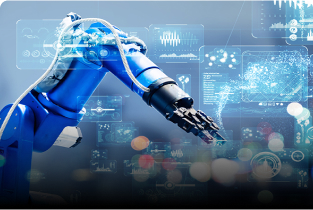

Project Ideas for Mechanical Engineering Students Using the Latest Technologies like IoT, Robotics, and More

As technology continues to evolve, the intersection of mechanical engineering with cutting-edge technologies like the Internet of Things (IoT), robotics, and artificial intelligence (AI) has created exciting opportunities for innovation. For mechanical engineering students, working on projects that incorporate these technologies can not only enhance their technical skills but also give them a competitive edge in the job market.

If you’re looking for some project ideas that combine mechanical engineering with the latest advancements, here are a few exciting options to consider:

1. Smart Home Automation System Using IoT

Project Overview: Design a smart home automation system that allows users to control household appliances (lights, fans, air conditioning, etc.) through a mobile app or voice assistant. The system could include IoT-enabled devices like sensors and actuators to automate tasks based on environmental data (e.g., temperature, humidity, motion).

Technologies Involved:

  • IoT sensors (temperature, motion, humidity)
  • Microcontrollers (e.g., Arduino, Raspberry Pi)
  • Cloud computing and mobile app development
  • Wireless communication (Wi-Fi, Bluetooth)

Why It’s Exciting: This project combines mechanical engineering with electrical and software engineering. It allows you to design mechanical components like automated blinds or doors and integrate them with IoT sensors for real-time data monitoring.

2. Autonomous Mobile Robot (AMR) for Warehouse Automation

Project Overview: Develop an autonomous robot capable of navigating a warehouse to pick and place items based on a predefined task. The robot could use sensors and AI to navigate, identify objects, and perform tasks autonomously.

Technologies Involved:

  • Robotics (robot arms, wheels, actuators)
  • Computer vision and machine learning (for object recognition)
  • Sensors (LIDAR, ultrasonic, cameras)
  • Navigation algorithms (SLAM – Simultaneous Localization and Mapping)

Why It’s Exciting: This project combines mechanical design, robotics, and AI. It’s highly relevant to industries like logistics and e-commerce, where automation can improve efficiency and reduce costs.

3. IoT-Based Health Monitoring System for Wearable Devices

Project Overview: Create a wearable device that monitors vital signs such as heart rate, blood pressure, temperature, and oxygen levels in real-time. The device can send data to a cloud platform for further analysis and alert users or healthcare providers in case of abnormalities.

Technologies Involved:

  • IoT sensors (heart rate, temperature, blood pressure)
  • Wireless communication (Bluetooth, Wi-Fi)
  • Cloud computing and data analytics
  • Wearable devices and flexible electronics

Why It’s Exciting: With the growing interest in healthcare technologies, this project integrates mechanical engineering with IoT and biomedical systems. It can lead to advancements in personal health monitoring and preventive care.

4. Smart Agriculture System Using IoT and Robotics

Project Overview: Develop a system that uses IoT-enabled sensors and robotics to automate agricultural processes such as soil moisture monitoring, irrigation, and crop harvesting. The system could include robotic arms to pick fruits and vegetables, as well as sensors to optimize watering schedules.

Technologies Involved:

  • IoT sensors (soil moisture, temperature, pH levels)
  • Robotics (robotic arms, autonomous tractors)
  • Data analytics for predictive maintenance and crop yield predictions
  • Solar-powered systems for energy efficiency

Why It’s Exciting: This project combines mechanical engineering with IoT, robotics, and sustainability. It can revolutionize the agriculture industry by reducing labor costs and improving crop yield while being environmentally friendly.

5. Exoskeleton for Assistive Robotics

Project Overview: Design a wearable exoskeleton that assists individuals with mobility impairments by providing support and enhancing movement. The exoskeleton could use robotics to help with walking, lifting objects, or other tasks that require strength.

Technologies Involved:

  • Robotics (actuators, motors)
  • Sensors (pressure, position)
  • Wearable design and ergonomics
  • Control systems and AI for adaptive movements

Why It’s Exciting: This project has the potential to make a huge impact in the healthcare industry, helping individuals with disabilities regain mobility and independence. It also provides a platform for experimenting with human-robot interaction and assistive technology.

6. 3D Printing for Customized Prosthetics

Project Overview: Use 3D printing technology to design and create custom prosthetic limbs that are tailored to the individual needs of the user. The prosthetic can be lightweight, durable, and cost-effective, offering better mobility and comfort.

Technologies Involved:

  • 3D printing and additive manufacturing
  • Mechanical design for prosthetics
  • Material science for lightweight, durable components
  • Ergonomics and user-centered design

Why It’s Exciting: This project integrates mechanical engineering with advanced manufacturing techniques. It has the potential to improve the quality of life for individuals in need of prosthetic limbs, while also showcasing the power of 3D printing in custom manufacturing.

7. Drone-Based Inspection System for Industrial Applications

Project Overview: Design a drone-based system that can inspect hard-to-reach or dangerous industrial areas such as pipelines, wind turbines, or bridges. The drone can be equipped with cameras, sensors, and other inspection tools to collect data for maintenance and safety assessments.

Technologies Involved:

  • Drone technology (flight control, stability systems)
  • Sensors (thermal cameras, LIDAR, ultrasonic)
  • IoT for real-time data collection and monitoring
  • Machine learning for anomaly detection in inspection data

Why It’s Exciting: This project combines robotics, IoT, and drone technology, allowing you to explore how these technologies can improve safety and reduce operational costs in industries like oil and gas, construction, and energy.

8. Smart Energy Harvesting System for Off-Grid Applications

Project Overview: Develop a system that uses renewable energy sources like solar or wind to generate electricity for off-grid applications. The system could include mechanical components for energy harvesting, such as wind turbines or solar panels, and integrate IoT for monitoring and optimization.

Technologies Involved:

  • Renewable energy systems (solar panels, wind turbines)
  • Energy storage (batteries, supercapacitors)
  • IoT sensors for energy monitoring
  • Microcontrollers and power management systems

Why It’s Exciting: This project ties mechanical engineering with renewable energy and IoT, providing solutions for sustainable energy generation in remote or off-grid locations. It’s a highly relevant topic in today’s push for sustainable and green technologies.

9. Smart Traffic Management System Using IoT

Project Overview: Create an IoT-based traffic management system that uses sensors to monitor traffic flow, adjust traffic signals, and optimize the flow of vehicles in real-time. The system can help reduce congestion and improve traffic safety in urban areas.

Technologies Involved:

  • IoT sensors (traffic flow, vehicle speed, occupancy)
  • Cloud computing for real-time data processing
  • Machine learning for predictive traffic analysis
  • Smart traffic signals and actuators

Why It’s Exciting: This project applies IoT, robotics, and data analytics to solve real-world urban challenges. It could play a significant role in smart city development and improving traffic efficiency in densely populated areas.

Is Machine Learning Difficult to Learn?

Machine learning (ML) has become one of the most sought-after skills in today’s tech landscape. With its applications in fields like healthcare, finance, marketing, and autonomous driving, it’s no surprise that many people are eager to dive into this fascinating field. But one common question arises among beginners: Is machine learning difficult to learn?

The answer depends on several factors, including your background, learning approach, and the complexity of the ML concepts you’re tackling. Let’s break down the aspects that determine how difficult machine learning is to learn and offer some tips to make the process smoother.

Factors That Influence the Difficulty of Learning Machine Learning

  1. Prior Knowledge and Experience
    • Mathematics and Statistics: Machine learning relies heavily on mathematics, particularly linear algebra, calculus, and statistics. If you have a strong foundation in these subjects, you’ll find the mathematical concepts in ML more approachable. However, if you’re new to these topics, it might take a little extra effort to grasp the fundamentals.
    • Programming Skills: Python is the most commonly used language for machine learning, thanks to its simplicity and a vast ecosystem of ML libraries. If you’re already comfortable with Python, you’ll have a head start. However, if you’re new to programming, you might need to spend some time learning the basics of coding before diving into ML.
  2. Understanding Core Concepts
    • Supervised vs. Unsupervised Learning: The basic types of machine learning—supervised, unsupervised, and reinforcement learning—are relatively easy to understand. However, grasping the nuances and knowing when to apply each type requires a deeper understanding.
    • Algorithms: There are many different machine learning algorithms (e.g., linear regression, decision trees, support vector machines, neural networks), and each has its own strengths, weaknesses, and applications. Understanding how these algorithms work under the hood can be challenging, but it’s crucial to becoming proficient in ML.
  3. Real-World Applications
    • Data Preparation: One of the most challenging parts of machine learning is preparing data for analysis. Cleaning, transforming, and selecting the right features can take up a significant portion of your time and effort. Understanding how to work with large datasets and making sense of raw data can be overwhelming for beginners.
    • Model Evaluation: After building a model, evaluating its performance and fine-tuning it for better results is an iterative process that requires patience and practice. Learning how to measure accuracy, precision, recall, and other metrics can be tricky.
  4. Learning Resources and Tools
    • Online Courses and Tutorials: Fortunately, there are plenty of high-quality resources available to help you learn machine learning. Platforms like Coursera, edX, and Udacity offer courses from top universities and industry leaders, making learning accessible. Additionally, ML frameworks like TensorFlow, PyTorch, and Scikit-learn provide powerful tools to implement algorithms easily.
    • Community Support: The machine learning community is vast and supportive. Whether you’re stuck on a concept or need help with a coding issue, online forums like Stack Overflow, GitHub, and specialized machine learning communities are valuable resources.

Why Machine Learning Might Seem Difficult

  1. Complexity of Algorithms: Some machine learning algorithms, especially deep learning models, are quite complex. For example, neural networks and deep learning involve multi-layered architectures and require an understanding of backpropagation, gradient descent, and activation functions. These concepts can be challenging for those new to machine learning or artificial intelligence.
  2. Rapid Advancements in the Field: Machine learning is a fast-evolving field, with new techniques, research papers, and tools emerging regularly. Keeping up with the latest advancements can feel overwhelming, especially for beginners. However, it’s important to understand that mastering the basics is key before diving into more advanced topics.
  3. Practical Experience: Unlike theoretical subjects, machine learning often requires hands-on practice. Building and deploying real-world ML models involves experimentation, debugging, and iterative improvement. This practical aspect can make the learning process feel slow and sometimes frustrating, but it’s an essential part of becoming proficient.

Is Machine Learning Easy or Difficult?

The difficulty of learning machine learning ultimately depends on your approach, persistence, and willingness to learn. For some, the initial learning curve may seem steep, especially when dealing with abstract concepts like neural networks or the mathematics behind algorithms. However, with the right mindset and resources, machine learning becomes much more approachable.

Tips to Make Learning Machine Learning Easier

  1. Start with the Basics: Begin by understanding basic concepts like supervised learning, classification, and regression. Once you’re comfortable with these, you can move on to more complex topics like deep learning and reinforcement learning.
  2. Learn the Math: If you find the math challenging, take time to review the fundamentals of linear algebra, calculus, and statistics. Many online resources and books break down these topics in a way that’s relevant to machine learning.
  3. Practice Coding: Practice coding algorithms from scratch to understand how they work. Start with simpler algorithms like linear regression before tackling more complex ones like neural networks.
  4. Use Libraries and Frameworks: Leverage powerful libraries like Scikit-learn for classical ML algorithms and TensorFlow or PyTorch for deep learning. These libraries provide pre-built models and tools, allowing you to focus more on understanding the concepts rather than writing every line of code from scratch.
  5. Join the Community: Don’t hesitate to ask questions and engage with the ML community. Participating in online forums, attending meetups, or joining study groups can provide valuable insights and support.
  6. Build Projects: The best way to solidify your learning is by building projects. Try applying ML algorithms to real-world datasets, such as predicting house prices or classifying images. This hands-on experience will deepen your understanding.

Conclusion

Is machine learning difficult to learn? The answer depends on your background and approach. While it may seem daunting at first, with the right mindset, resources, and persistence, anyone can learn machine learning. Start with the basics, practice consistently, and don’t be afraid to tackle more advanced topics as you progress. Remember, the journey to mastering machine learning is a marathon, not a sprint. Stay patient, keep learning, and enjoy the process!

Should I learn R or Python if I intend to be a Data Scientist?

When embarking on a career in data science, one of the first questions you might ask is whether to learn R or Python. Both are powerful programming languages with rich ecosystems of libraries and tools that support data analysis, machine learning, and statistical modeling. However, each language has its own strengths, and the choice often depends on your specific goals, preferences, and the type of data science projects you plan to work on. In this blog, we’ll explore the key differences between R and Python to help you make an informed decision.

Python: The All-Rounder for Data Science

Python has emerged as one of the most popular programming languages for data science, and for good reason. Its versatility, readability, and ease of use make it a great choice for beginners and experienced developers alike. Here’s why Python is favored by many data scientists:

  1. General-Purpose Language
    Python is a general-purpose language, meaning it can be used for a wide range of tasks beyond data science, such as web development, automation, and software development. This makes it a more flexible choice if you plan to expand your skillset in other areas.
  2. Extensive Libraries and Frameworks
    Python boasts an extensive set of libraries that cater to all aspects of data science. Popular libraries like Pandas for data manipulation, NumPy for numerical computing, Matplotlib and Seaborn for data visualization, and Scikit-learn for machine learning make Python an excellent tool for data analysis and modeling. Additionally, TensorFlow and PyTorch are widely used for deep learning.
  3. Integration with Other Technologies
    Python seamlessly integrates with other technologies like databases (SQL), cloud computing, and web frameworks (Flask, Django), making it ideal for deploying data science models in real-world applications.
  4. Large Community Support
    Python has a massive global community of data scientists and developers. This means you’ll have access to a wealth of tutorials, forums, and resources that can help you solve problems and stay updated on the latest trends.
  5. Job Market Demand
    Python is in high demand in the job market. Many tech companies, startups, and research institutions look for Python skills, especially for roles that involve machine learning, artificial intelligence, and big data analytics.

R: The Specialist for Statistical Analysis

R, on the other hand, is a language specifically designed for statistics and data analysis. While it’s not as general-purpose as Python, R excels in specific areas of data science. Here’s why you might choose R for your data science journey:

  1. Statistical Power
    R was developed by statisticians and is known for its superior statistical capabilities. If your work involves complex statistical analysis, hypothesis testing, or advanced mathematical modeling, R offers a wealth of built-in functions and packages, such as ggplot2 for data visualization and dplyr for data manipulation.
  2. Rich Visualization Libraries
    R’s data visualization libraries, especially ggplot2, are widely regarded as some of the best in the industry. R’s syntax allows for quick, flexible, and high-quality visualizations, making it a go-to language for data visualization specialists and statisticians.
  3. R for Data Science (RStudio)
    RStudio is an integrated development environment (IDE) specifically built for R, offering a smooth and user-friendly experience. It is widely used in academia and research institutions for statistical analysis, making it an excellent tool for those focused on research or academic projects.
  4. Great for Academia and Research
    R has been a dominant force in academia and research for many years. If you plan to work in an academic setting or with research-based projects, R might be the better choice, as it is tailored to handle complex statistical modeling and analysis.
  5. Data Wrangling
    R has excellent tools for data wrangling and manipulation, with packages like tidyr and dplyr. It’s well-suited for handling messy datasets, and many statisticians prefer R’s syntax for these tasks.

Python vs. R: Key Differences at a Glance

Feature Python R
General-Purpose Yes, versatile for various tasks Primarily focused on statistical analysis
Ease of Learning Beginner-friendly, simple syntax More complex syntax, steeper learning curve
Libraries/Tools Rich ecosystem (e.g., Pandas, NumPy) Extensive statistical packages (e.g., ggplot2)
Machine Learning Widely used with libraries like Scikit-learn, TensorFlow Less popular for ML, but has some packages (e.g., caret)
Data Visualization Matplotlib, Seaborn, Plotly ggplot2, lattice
Job Market Demand High demand, versatile roles Niche roles, especially in research and academia
Community Support Large, active community Strong community in academia and research

When to Choose Python

  • If you’re looking for a versatile language that can handle not just data science but also web development, automation, and other areas.
  • If you’re interested in machine learning, artificial intelligence, or deep learning, Python’s libraries and frameworks like TensorFlow and PyTorch are highly advanced and widely used.
  • If you plan to work in the tech industry, Python is the go-to language with high job market demand.
When to Choose R
  • If your primary focus is on statistical analysis and data visualization, R’s specialized libraries and tools make it the best choice.
  • If you plan to work in academia, research, or with large-scale statistical analysis, R’s advanced statistical capabilities will be invaluable.
  • If you prefer a language with built-in functions for data manipulation and analysis, R’s data wrangling capabilities are top-notch.

Conclusion

Ultimately, both Python and R are powerful tools for data science, and the choice depends on your specific goals. If you want a general-purpose language with broad applications, Python is a great choice. On the other hand, if you are focused on advanced statistical analysis and research, R might be more suitable.

Many data scientists learn both languages at some point in their careers, as they each have unique strengths. However, for those just starting out, Python is often recommended due to its versatility, ease of learning, and extensive use in machine learning and data science roles.

Why is Cyber Security Highly Paying?

In the modern digital age, where businesses, governments, and individuals rely heavily on technology, cybersecurity has become a critical priority. Cybersecurity professionals are among the most sought-after and well-compensated experts in the tech industry. But what makes this field so lucrative? Let’s delve into the reasons behind the high salaries in cybersecurity.

1. High Demand for Skilled Professionals

Cyber threats are escalating in frequency and sophistication. From ransomware attacks to data breaches, organizations are under constant threat. This has created a massive demand for skilled cybersecurity professionals to safeguard sensitive information and infrastructure.

  • Global Talent Shortage: According to recent reports, there’s a significant gap between the demand for cybersecurity experts and the available talent pool. This shortage drives up salaries as companies compete to attract and retain qualified professionals.
  • Wide Range of Opportunities: Cybersecurity roles include penetration testers, security analysts, ethical hackers, and chief information security officers (CISOs), each offering high earning potential.

2. Critical Role in Protecting Assets

Data is one of the most valuable assets for organizations today. A single cyberattack can result in millions of dollars in losses, not to mention damage to reputation and customer trust.

  • Risk Mitigation: Cybersecurity professionals play a pivotal role in identifying vulnerabilities and implementing measures to prevent attacks.
  • Strategic Importance: Organizations view cybersecurity as a strategic investment, willing to pay a premium for experts who can protect their assets and ensure business continuity.

3. Complexity of the Field

Cybersecurity is a highly technical and specialized field. Professionals need a deep understanding of networks, encryption, programming, and emerging technologies like AI and blockchain.

  • Continuous Learning: Cybersecurity experts must stay ahead of evolving threats, requiring ongoing education and certifications such as CISSP, CEH, or CISM.
  • Problem-Solving Skills: The ability to think like a hacker and develop innovative solutions adds significant value, justifying higher compensation.

4. Regulatory and Compliance Pressures

Governments and regulatory bodies worldwide have introduced stringent data protection laws, such as GDPR and CCPA. Non-compliance can result in hefty fines and legal consequences.

  • Compliance Expertise: Organizations need cybersecurity professionals to ensure adherence to these regulations, making their expertise indispensable.
  • Increased Accountability: With boards and executives being held accountable for data breaches, the importance of cybersecurity roles has surged.
5. Dynamic and Evolving Threat Landscape

The cybersecurity field is never static. Threat actors continually devise new methods to exploit vulnerabilities, from phishing schemes to advanced persistent threats (APTs).

  • Innovation Requirement: Cybersecurity experts must innovate to counter these evolving threats.
  • Specialized Knowledge: Roles like malware analysts or incident response specialists require niche expertise, commanding higher salaries.
6. Cross-Industry Applicability

Unlike many professions, cybersecurity is not confined to a single industry. It is vital across sectors such as finance, healthcare, retail, and government.

  • Versatility: Cybersecurity professionals can transition between industries, leveraging their skills in various domains.
  • High-Stakes Industries: Fields like finance and healthcare are particularly vulnerable to cyberattacks, leading to premium pay for cybersecurity roles.

7. Lucrative Career Path

Cybersecurity offers clear growth opportunities, with roles ranging from entry-level positions to executive leadership.

  • High-Entry Salaries: Even junior roles, such as security analysts, offer competitive pay.
  • Leadership Roles: Positions like CISO come with significant responsibilities and six-figure salaries.

Conclusion

The high salaries in cybersecurity are a reflection of its importance in today’s digital-first world. With increasing reliance on technology, stringent regulatory requirements, and a growing threat landscape, the demand for skilled cybersecurity professionals will only continue to rise. For those willing to invest in the necessary education, certifications, and skills, cybersecurity offers not just a rewarding career but also a highly lucrative one.

What is the Best Android Development Framework?

The Android ecosystem offers a variety of frameworks to build robust, feature-rich, and user-friendly applications. Choosing the best Android development framework depends on your project’s requirements, the team’s expertise, and specific goals like performance, scalability, or rapid development. Here are the top Android development frameworks in 2025, along with their strengths and ideal use cases:

1. Flutter

Flutter, developed by Google, is one of the most popular frameworks for Android development. It uses the Dart programming language and allows developers to create cross-platform applications with a single codebase.

Why Choose Flutter?

  • Fast Development: With its hot-reload feature, Flutter enables developers to see real-time changes.
  • Rich UI Components: Flutter provides a wide range of customizable widgets for a polished user experience.
  • Cross-Platform Capability: Build apps for Android, iOS, web, and desktop simultaneously.

Ideal For:

  • Cross-platform apps
  • Projects requiring a highly customized UI
  • Startups and MVPs (Minimum Viable Products)

2. React Native

Backed by Meta (formerly Facebook), React Native is another popular choice for building cross-platform applications. It uses JavaScript and React to create native-like apps for Android and iOS.

Why Choose React Native?

  • Reusable Code: Share code between platforms, reducing development time and cost.
  • Large Community Support: Extensive libraries and third-party plugins make development easier.
  • Native Performance: Delivers near-native performance for most use cases.

Ideal For:

  • Cross-platform apps
  • Teams experienced in JavaScript and React
  • Apps requiring fast time-to-market

3. Kotlin Multiplatform Mobile (KMM)

KMM, powered by JetBrains, allows developers to share business logic across Android and iOS while maintaining native UI and performance.

Why Choose KMM?

  • Native-Like Experience: Retain platform-specific UI and UX while sharing core logic.
  • Kotlin First: Leverages Kotlin, the preferred language for Android development.
  • Seamless Integration: Works well with existing Android projects.

Ideal For:

  • Projects requiring native performance and shared logic
  • Teams already proficient in Kotlin
  • Enterprise-level applications

4. Native Android (Android SDK)

For projects requiring maximum control and performance, native development using the Android SDK is the best option. It involves coding in Kotlin or Java and provides access to the full suite of Android tools and APIs.

Why Choose Native Android?

  • Full Control: Direct access to device hardware and platform-specific features.
  • Optimized Performance: Best suited for high-performance applications like games.
  • Extensive Documentation: Official support from Google ensures reliability.

Ideal For:

  • Performance-critical applications
  • Apps requiring advanced device integrations
  • Long-term, large-scale projects
5. Ionic

Ionic is a hybrid framework that uses web technologies like HTML, CSS, and JavaScript to build Android applications. It works seamlessly with Angular, React, or Vue.js.

Why Choose Ionic?

  • Cost-Effective: Build apps with a single codebase for multiple platforms.
  • Easy Learning Curve: Leverages common web development technologies.
  • Plugins and Tools: Offers a rich library of plugins for device features.

Ideal For:

  • Hybrid apps
  • Projects with tight budgets
  • Teams with web development expertise
6. Xamarin

Owned by Microsoft, Xamarin is a robust framework for building cross-platform apps using C#. It integrates with Visual Studio, offering a seamless development experience.

Why Choose Xamarin?

  • Shared Codebase: Write code once and deploy on multiple platforms.
  • Enterprise Support: Ideal for large-scale enterprise applications.
  • Integration with Microsoft Tools: Works well with Azure and other Microsoft services.

Ideal For:

  • Enterprise apps
  • Teams proficient in C#
  • Projects requiring integration with Microsoft services

Which Framework Should You Choose?

The “best” framework ultimately depends on your specific needs. Here’s a quick guide:

  • Go for Flutter or React Native if you need a cross-platform solution with rich UI capabilities.
  • Choose Native Android if performance and platform-specific features are top priorities.
  • Opt for KMM if you want to share logic between Android and iOS while maintaining native experiences.
  • Select Ionic or Xamarin if your team is skilled in web technologies or C#, respectively.

By aligning your project’s requirements with the strengths of each framework, you can ensure a smooth development process and deliver a high-quality application that meets user expectations.

What Are the Current Trends in Web Development?

Web development is a dynamic field that continuously evolves to meet the demands of businesses, developers, and users. Keeping up with the latest trends is essential for creating modern, user-friendly, and high-performing websites. In 2025, web development trends are driven by advancements in technology, user expectations, and the push for sustainability. Here are the top trends shaping the web development landscape:

1. Artificial Intelligence (AI) and Machine Learning (ML) Integration

AI and ML are transforming web development by enhancing user experiences. From AI-powered chatbots providing 24/7 customer support to personalized content recommendations, these technologies make websites more interactive and efficient. Tools like OpenAI’s GPT models are also being used to generate content and optimize workflows.

2. Progressive Web Applications (PWAs)

PWAs continue to gain popularity due to their ability to deliver app-like experiences directly through the browser. They are fast, reliable, and work offline, making them ideal for businesses aiming to reach a broader audience without investing heavily in native app development.

3. Dark Mode UI

Dark mode has become a standard feature across many platforms, offering an aesthetic and energy-efficient alternative to traditional light interfaces. Developers are incorporating dark mode options to enhance user comfort and cater to modern design preferences.

4. Serverless Architecture

Serverless computing allows developers to build and run applications without managing the underlying infrastructure. By leveraging services like AWS Lambda, Azure Functions, or Google Cloud Functions, developers can focus on coding while reducing costs and improving scalability.

5. WebAssembly

WebAssembly (Wasm) is a game-changer for web performance. It enables developers to run high-performance applications in the browser, such as video editing tools, games, and scientific simulations, with near-native speed. This technology is particularly useful for applications requiring heavy computation.

6. Single Page Applications (SPAs)

SPAs remain a popular choice for developers due to their speed and responsiveness. Frameworks like React, Angular, and Vue.js enable the creation of SPAs that load a single HTML page and dynamically update content without refreshing the page, offering a seamless user experience.

7. Voice Search Optimization

With the growing use of voice-activated devices like Amazon Echo and Google Home, optimizing websites for voice search is becoming crucial. Developers are focusing on structured data, natural language processing, and conversational interfaces to improve voice search compatibility.

8. Motion UI

Motion UI enhances user engagement by incorporating dynamic elements like animations, transitions, and micro-interactions. These subtle movements not only make websites visually appealing but also guide users through the interface intuitively.

9. Cybersecurity Measures

As cyber threats become more sophisticated, web developers are prioritizing security. Trends include implementing HTTPS, using Content Security Policies (CSPs), and adopting advanced authentication methods like biometrics or multi-factor authentication (MFA).

10. Green Hosting and Sustainability

Sustainability is influencing web development, with businesses opting for green hosting solutions that use renewable energy. Developers are also optimizing websites for minimal resource consumption, contributing to a more eco-friendly internet.

11. API-First Development

API-first development ensures that APIs are designed and built before the user interface, enabling seamless integration with various platforms and devices. This approach supports flexibility, scalability, and faster development cycles.

12. No-Code and Low-Code Development

No-code and low-code platforms are empowering non-developers to create websites and applications. These tools simplify the development process, making it accessible to a broader audience while reducing development time.

13. Internet of Things (IoT) Integration

Web development is embracing IoT by creating interfaces that connect with smart devices. This integration is particularly significant in industries like healthcare, home automation, and logistics, where real-time data interaction is essential.

14. 3D and Immersive Web Design

3D elements and immersive experiences are becoming more prevalent, thanks to advancements in WebGL and WebXR. These technologies allow developers to create interactive 3D environments and augmented reality (AR) experiences directly in the browser.

Final Thoughts

The web development landscape in 2025 is diverse and innovative, focusing on improving user experiences, optimizing performance, and embracing sustainability. Staying updated with these trends will help developers and businesses remain competitive and deliver cutting-edge web solutions.

What Are the Skills Electronics Engineers Need to Become a Drone Engineer?

The field of drone engineering has grown exponentially, fueled by advancements in technology and increasing applications across industries like agriculture, defense, delivery services, and cinematography. Electronics engineers, with their foundational knowledge, are well-positioned to transition into this dynamic and innovative domain. Here are the essential skills electronics engineers need to become successful drone engineers:

1. Proficiency in Embedded Systems

Drones rely heavily on embedded systems for control and navigation. Electronics engineers should be skilled in:

  • Microcontrollers and microprocessors.
  • Programming languages like C, C++, and Python.
  • Real-time operating systems (RTOS) for managing drone functions.

2. Knowledge of Sensors and Actuators

Drones use various sensors and actuators for stabilization, navigation, and data collection. Engineers should understand:

  • Gyroscopes, accelerometers, and magnetometers for orientation.
  • GPS modules for positioning.
  • LIDAR and ultrasonic sensors for obstacle detection.
  • Motor controllers and actuators for propulsion and movement.

3. Circuit Design and PCB Layout

Electronics engineers need to design and implement efficient circuits for drone systems. This includes:

  • Designing compact and power-efficient PCBs.
  • Understanding signal integrity and electromagnetic interference (EMI).
  • Integrating power management systems for battery optimization.

4. Wireless Communication Skills

Drones rely on robust communication systems for remote control and data transmission. Engineers should be proficient in:

  • Radio frequency (RF) communication protocols.
  • Wi-Fi, Bluetooth, and Zigbee technologies.
  • Long-range communication systems like LoRa and cellular networks.
5. Understanding Aerodynamics and Propulsion

While primarily an electronics role, a basic understanding of aerodynamics is crucial for drone engineers. This includes:

  • Principles of lift, drag, and thrust.
  • Types of propellers and their efficiency.
  • Electric motor specifications and performance metrics.
6. Programming and Control Systems

Drones operate through advanced control algorithms. Electronics engineers should be familiar with:

  • PID (Proportional-Integral-Derivative) controllers for flight stabilization.
  • MATLAB and Simulink for control system simulation.
  • Autonomous flight programming and waypoint navigation.

7. Computer Vision and Image Processing

For drones equipped with cameras, knowledge of computer vision is essential. Engineers should explore:

  • OpenCV and other image processing libraries.
  • Machine learning algorithms for object detection and tracking.
  • Real-time video streaming and data analysis.

8. Battery Technology and Power Management

Efficient energy management is vital for drone performance. Engineers need to:

  • Understand lithium-ion and lithium-polymer battery technologies.
  • Implement charging and discharging protocols.
  • Optimize power consumption for extended flight times.

9. Troubleshooting and Maintenance

Drones often operate in challenging environments, requiring engineers to:

  • Diagnose and repair hardware and software issues.
  • Test and calibrate sensors and systems.
  • Ensure compliance with safety standards and regulations.

10. Soft Skills and Industry Knowledge

To succeed in the drone engineering field, electronics engineers should also focus on:

  • Collaboration and teamwork, especially in multidisciplinary projects.
  • Staying updated on drone regulations and industry trends.
  • Creativity and problem-solving to address unique challenges.

Conclusion

Transitioning from electronics engineering to drone engineering is a natural progression for those willing to expand their skill set. By mastering embedded systems, sensor integration, wireless communication, and control systems, electronics engineers can play a pivotal role in shaping the future of drone technology. With the right skills and a passion for innovation, the sky is truly the limit.

What Qualities Should a Fashion Designer Develop?

Fashion design is more than just creating beautiful clothes; it’s about blending creativity with practicality to craft pieces that resonate with people and stand the test of time. Aspiring fashion designers must cultivate a diverse set of skills and qualities to excel in this competitive industry. Here are the essential qualities every fashion designer should develop:

1. Creativity and Artistic Vision

At the heart of fashion design lies creativity. Designers need to think outside the box, envisioning new styles, patterns, and concepts that push boundaries. This artistic vision helps them craft unique collections that stand out in a crowded market.

2. Attention to Detail

The fashion industry thrives on perfection. Whether it’s the choice of fabric, the precision of stitching, or the placement of embellishments, paying close attention to detail ensures high-quality outcomes and satisfied clients.

3. Strong Communication Skills

Fashion designers often collaborate with clients, teams, and manufacturers. Clear communication is essential to convey ideas, discuss project requirements, and ensure everyone is on the same page. Good interpersonal skills also help in networking and building relationships within the industry.

4. Trend Awareness

Fashion is ever-changing, and designers must stay updated on the latest trends and cultural influences. This awareness helps them create designs that are relevant and appealing to their target audience.

5. Technical Skills

A solid foundation in technical skills is crucial for turning creative ideas into tangible products. This includes:

  • Sketching and drawing designs.
  • Understanding textiles and materials.
  • Mastering sewing and pattern-making techniques.
  • Proficiency in design software like Adobe Illustrator or CLO 3D.
6. Problem-Solving Abilities

Designers often face challenges, from material shortages to tight deadlines. Being resourceful and adaptable helps them find quick solutions and keep projects on track.

7. Business Acumen

A successful fashion designer is not just an artist but also a savvy entrepreneur. Understanding marketing, budgeting, and sales strategies is essential for building a brand and running a profitable business.

8. Resilience and Perseverance

The fashion industry is highly competitive and often unpredictable. Designers must be prepared to face criticism, learn from failures, and keep pushing forward despite setbacks.

9. Cultural Sensitivity

Fashion is a global industry influenced by diverse cultures and traditions. Designers should approach their work with cultural sensitivity, ensuring their creations respect and celebrate different identities.

10. Time Management

Meeting deadlines is crucial in fashion, especially during seasonal collections or custom orders. Effective time management helps designers balance creativity with productivity.

Conclusion

Fashion design is a multifaceted profession that requires a blend of artistic talent, technical skills, and business savvy. By developing these qualities, aspiring designers can carve a niche for themselves in the dynamic world of fashion. Whether you dream of starting your own label or working for a renowned brand, these traits will set you on the path to success.

Is Graphic Design a Dead Profession?

In an era dominated by rapid technological advancements and ever-evolving creative trends, it’s natural to question the longevity of traditional professions. One such question often arises: Is graphic design a dead profession? The answer is a resounding no. However, the role of graphic design has undeniably evolved, adapting to new tools, technologies, and market demands.

The Changing Landscape of Graphic Design

Graphic design, at its core, is about visual communication. From creating logos and branding to designing websites and advertisements, the profession has always been essential to businesses and organizations. But with the rise of DIY design platforms, artificial intelligence (AI) tools, and templates, many wonder if the need for professional graphic designers is dwindling.

DIY Design Platforms

Platforms like Canva and Adobe Express have empowered individuals and small businesses to create designs without hiring professionals. These tools offer pre-designed templates and easy-to-use interfaces, making design accessible to non-designers. While these platforms are useful, they cannot replace the creativity, strategic thinking, and problem-solving skills of a trained graphic designer. Custom, high-quality designs that align with a brand’s identity still require professional expertise.

The Role of Artificial Intelligence

AI has undeniably made its mark on the design world. Tools like DALL-E, MidJourney, and Adobe Firefly can generate images and design elements in seconds. While AI can assist in streamlining workflows and generating ideas, it lacks the human touch necessary for understanding complex brand narratives, cultural nuances, and emotional connections. Designers who embrace AI as a tool rather than a threat can leverage it to enhance their creativity and productivity.

The Demand for Graphic Designers

Despite technological advancements, the demand for skilled graphic designers remains strong. According to industry reports, businesses continue to invest heavily in branding, marketing, and user experience (UX) design. The rise of digital marketing, e-commerce, and social media has further increased the need for compelling visual content.

Specializations Are Key

Graphic design is no longer limited to print media. Today, designers can specialize in various fields, such as:

  • UI/UX Design: Crafting intuitive and visually appealing interfaces for websites and apps.
  • Motion Graphics: Creating dynamic animations and videos for digital platforms.
  • Branding: Developing cohesive brand identities that resonate with target audiences.
  • Environmental Design: Designing physical spaces like retail stores, exhibitions, and events.

Freelancing and Remote Opportunities

The gig economy has opened new doors for graphic designers. Freelancing platforms like Upwork, Fiverr, and Behance allow designers to connect with clients worldwide. Remote work has also become a viable option, enabling designers to collaborate with global teams and access a broader range of opportunities.

Adapting to the Future

To stay relevant in this evolving industry, graphic designers must embrace lifelong learning and adaptability. Here are some tips for thriving in the profession:

  1. Learn New Tools: Stay updated on the latest design software and technologies, including AI tools.
  2. Expand Your Skill Set: Explore related fields like web development, digital marketing, or 3D design.
  3. Focus on Strategy: Offer more than just design; provide insights into branding and marketing strategies.
  4. Build a Strong Portfolio: Showcase a diverse range of projects to attract clients and employers.
  5. Network: Join design communities, attend events, and collaborate with other creatives to stay inspired and connected.

Conclusion

Graphic design is far from dead. It’s a profession that continues to evolve, driven by technological advancements and changing consumer needs. While tools like AI and DIY platforms have disrupted the industry, they cannot replace the creativity, strategy, and human touch that professional designers bring to the table. By adapting to new trends and continuously honing their skills, graphic designers can ensure their relevance and success in the ever-changing creative landscape.

Form submitted! Our team will reach out to you soon.
0
    0
    Your Cart
    Your cart is emptyReturn to Course