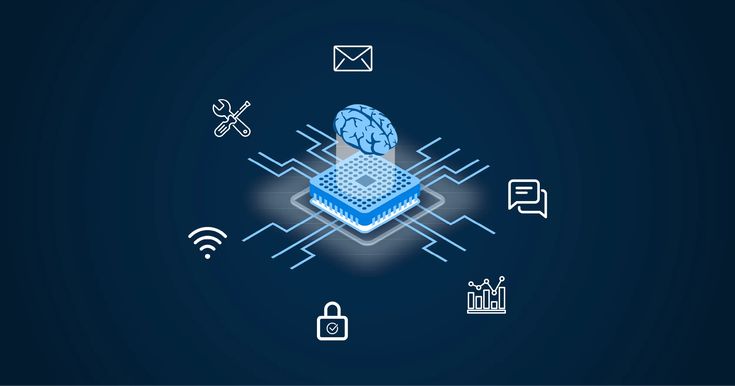
What is the Latest Technology in the Embedded System Field?

The field of embedded systems has seen remarkable advancements in recent years, driven by the growing demand for smarter, faster, and more efficient devices. Embedded systems, which combine hardware and software to perform specific tasks, are the backbone of modern electronics, from IoT devices to autonomous vehicles. Let’s dive into the latest technologies shaping this dynamic field.


1. Internet of Things (IoT)

IoT continues to be a game-changer in embedded systems. By integrating sensors, actuators, and connectivity, IoT devices enable seamless communication between machines and users.

Key advancements:

  • Low-power IoT devices with extended battery life.
  • Enhanced connectivity through protocols like LoRaWAN and NB-IoT.
  • AI-powered edge computing for real-time data processing.

Applications: Smart homes, industrial automation, and wearable devices.


2. Artificial Intelligence (AI) and Machine Learning (ML)

AI and ML are transforming embedded systems by enabling intelligent decision-making and automation.

Key advancements:

  • AI accelerators and processors optimized for embedded applications (e.g., NVIDIA Jetson, Google Edge TPU).
  • On-device learning for personalization and adaptability.
  • Deployment of neural networks on microcontrollers (TinyML).

Applications: Autonomous vehicles, predictive maintenance, and voice recognition systems.


3. RISC-V Architecture

RISC-V, an open-source instruction set architecture, is gaining traction in embedded systems due to its flexibility and cost-effectiveness.

Key advancements:

  • Customizable processors tailored to specific applications.
  • Ecosystem growth with tools, libraries, and community support.
  • Enhanced security features for IoT and industrial systems.

Applications: IoT devices, wearables, and industrial controllers.


4. Edge Computing

Edge computing reduces latency by processing data closer to the source rather than relying on cloud-based servers.

Key advancements:

  • High-performance microcontrollers with integrated AI capabilities.
  • Real-time analytics for critical applications.
  • Improved security for sensitive data.

Applications: Autonomous drones, smart cameras, and healthcare monitoring systems.


5. Advanced Connectivity Technologies

The rise of 5G and advanced wireless protocols has revolutionized embedded systems.

Key advancements:

  • Ultra-low latency and high-speed data transmission.
  • Enhanced support for massive IoT deployments.
  • Integration of Wi-Fi 6 and Bluetooth 5.3 for better connectivity.

Applications: Smart cities, connected vehicles, and AR/VR devices.


6. Energy Harvesting and Low-Power Design

Energy efficiency is a critical focus in embedded systems, especially for IoT and wearable devices.

Key advancements:

  • Energy harvesting technologies using solar, thermal, or kinetic sources.
  • Ultra-low-power microcontrollers and sensors.
  • Dynamic power management techniques.

Applications: Remote sensors, medical implants, and environmental monitoring.


7. Real-Time Operating Systems (RTOS)

RTOS is evolving to meet the demands of complex embedded applications.

Key advancements:

  • Lightweight and modular RTOS solutions.
  • Enhanced support for multicore processors.
  • Improved security and fault tolerance.

Applications: Robotics, automotive systems, and industrial automation.


8. Embedded Security

As embedded devices become more connected, security has become a top priority.

Key advancements:

  • Hardware-based security modules (e.g., Trusted Platform Module).
  • Secure boot and firmware updates.
  • Encryption and authentication protocols tailored for embedded systems.

Applications: IoT devices, payment systems, and healthcare equipment.


9. Advanced Sensors and Actuators

The integration of advanced sensors and actuators is expanding the capabilities of embedded systems.

Key advancements:

  • MEMS (Micro-Electro-Mechanical Systems) for precise measurements.
  • Smart sensors with built-in processing capabilities.
  • Miniaturized actuators for compact designs.

Applications: Drones, smart appliances, and biomedical devices.
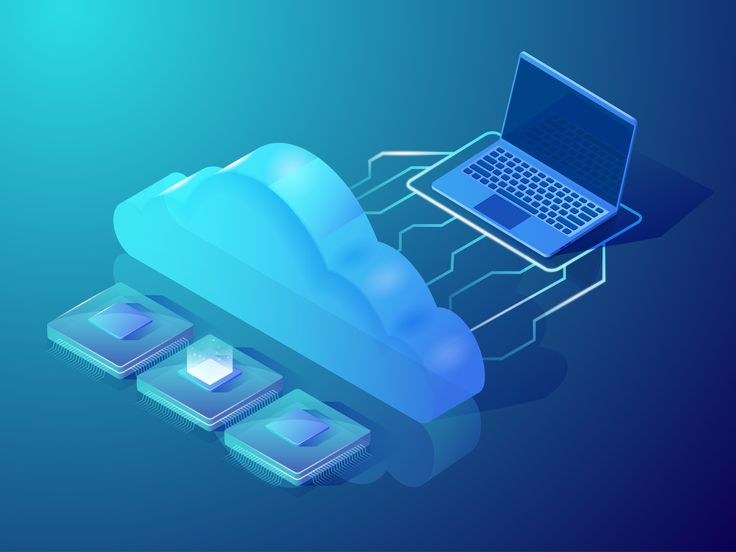

Is Cloud Computing Secure?

Cloud computing has revolutionized the way businesses and individuals store, access, and manage data. With its scalability, cost-efficiency, and flexibility, it has become a cornerstone of modern IT infrastructure. However, one question often looms large: Is cloud computing secure?

In this blog, we’ll explore the security aspects of cloud computing, its potential risks, and how they can be mitigated.


Understanding Cloud Security

Cloud security refers to the set of policies, technologies, and practices designed to protect data, applications, and infrastructure in the cloud. Cloud providers like AWS, Microsoft Azure, and Google Cloud invest heavily in securing their platforms. However, the responsibility for security is shared between the provider and the user, often referred to as the shared responsibility model.

Provider Responsibilities:

  • Securing the physical infrastructure (data centers).
  • Ensuring the integrity of their cloud services.
  • Regularly updating and patching systems to address vulnerabilities.

User Responsibilities:

  • Protecting their data through encryption and access controls.
  • Configuring cloud services securely.
  • Monitoring and managing their cloud environment.

Potential Risks in Cloud Computing

While cloud providers offer robust security measures, risks still exist. Here are some of the most common:

1. Data Breaches

Unauthorized access to sensitive data can result in financial loss and reputational damage. This is often due to misconfigured storage or weak access controls.

2. Insider Threats

Employees or third-party contractors with malicious intent or negligent behavior can compromise cloud security.

3. Lack of Visibility

Organizations may struggle to maintain visibility over their cloud environment, making it harder to detect and respond to threats.

4. Compliance Challenges

Different industries have specific regulations regarding data storage and processing. Non-compliance can lead to legal and financial repercussions.

5. DDoS Attacks

Distributed Denial of Service (DDoS) attacks can disrupt access to cloud services, causing downtime and operational losses.


How to Enhance Cloud Security

Mitigating cloud security risks requires a proactive approach. Here are some best practices:

1. Encrypt Data

Ensure that data is encrypted both in transit and at rest. Encryption makes data unreadable to unauthorized users.

2. Implement Strong Access Controls

Use multi-factor authentication (MFA) and role-based access controls (RBAC) to restrict access to sensitive data.

3. Regularly Monitor and Audit

Utilize cloud monitoring tools to gain visibility into your environment. Regular audits can help identify and address vulnerabilities.

4. Choose a Trusted Cloud Provider

Select providers with a proven track record of security and compliance certifications like ISO 27001, SOC 2, and GDPR.

5. Train Employees

Educate staff about cloud security best practices and the importance of safeguarding credentials.

6. Backup Data

Regularly back up critical data to ensure business continuity in case of data loss or ransomware attacks.


The Role of Zero Trust in Cloud Security

Zero Trust is a security framework that assumes no user or device can be trusted by default, even if they are within the network perimeter. This model is particularly effective in cloud environments, as it:

  • Enforces strict access controls.
  • Continuously verifies user and device identities.
  • Minimizes the attack surface.

How Are Embedded Systems, IoT, and Robotics Interconnected?

In today’s rapidly evolving technological landscape, embedded systems, the Internet of Things (IoT), and robotics are playing an integral role in shaping the future. While each of these fields has its own distinct focus, they are deeply interconnected and often work together to create innovative solutions across industries. Let’s explore how these three areas are interlinked and how their collaboration is revolutionizing the way we live and work.

What Are Embedded Systems?

An embedded system is a specialized computer designed to perform a specific task or function within a larger system. Unlike general-purpose computers, embedded systems are optimized for particular operations and are often integrated into hardware devices. These systems can be found in everyday products like microwaves, washing machines, medical devices, and automobiles. They are built using microcontrollers or microprocessors and are typically resource-constrained, meaning they have limited processing power, memory, and storage.

What is the Internet of Things (IoT)?

The Internet of Things refers to the network of physical objects embedded with sensors, software, and other technologies that allow them to connect and exchange data with other devices over the internet. IoT devices can range from smart thermostats and wearable fitness trackers to industrial machines and agricultural sensors. These devices gather data from their environment and communicate it to other devices or cloud-based platforms for analysis and decision-making.

How Does Robotics Fit In?

Robotics involves the design, construction, operation, and use of robots, which are machines capable of performing tasks autonomously or semi-autonomously. Robotics integrates various fields such as mechanical engineering, electrical engineering, computer science, and artificial intelligence (AI) to create machines that can carry out complex tasks. Robots are used in industries like manufacturing, healthcare, agriculture, and even space exploration. They are often equipped with sensors and actuators to interact with their environment and make real-time decisions.

The Interconnection Between Embedded Systems, IoT, and Robotics

Now that we have a basic understanding of each field, let’s look at how they are interconnected:

  1. Embedded Systems in IoT Devices: Embedded systems form the backbone of IoT devices. The sensors, actuators, and controllers in IoT devices are often embedded systems that process data and communicate with other devices or networks. For instance, a smart thermostat has an embedded system that reads temperature data, processes it, and adjusts the heating or cooling system accordingly. This system also connects to the internet, enabling remote control via mobile apps or voice assistants.
  2. IoT in Robotics: IoT plays a crucial role in enhancing the capabilities of robots by enabling them to communicate with other devices and systems. For example, a robot in a warehouse might use IoT sensors to detect obstacles, track inventory, or interact with other machines. Through IoT connectivity, robots can send data to cloud platforms for analysis, receive real-time updates, and be remotely controlled or monitored. The combination of IoT and robotics is key to the development of smart, connected robots capable of working in dynamic environments.
  3. Embedded Systems in Robotics: Embedded systems are the heart of robotic devices. Robots rely on embedded systems to control motors, sensors, and actuators that allow them to perform tasks. These systems process data from the robot’s sensors (such as cameras, microphones, or touch sensors) and control the robot’s movements or actions accordingly. Whether it’s a robot vacuum navigating through a room or an industrial robot assembling parts on a production line, embedded systems are responsible for the robot’s decision-making and functionality.
  4. Data Exchange and Decision Making: The integration of IoT and embedded systems enables robots to make data-driven decisions. IoT devices collect data from the environment and send it to robots, which then process the information through their embedded systems to take action. For instance, a robot in an agricultural setting might use IoT sensors to monitor soil moisture levels, while its embedded system processes the data to adjust irrigation or alert farmers to potential issues.
  5. Automation and Smart Environments: Together, embedded systems, IoT, and robotics enable the creation of smart environments. These environments use sensors and connected devices to monitor and control various aspects of daily life, such as energy usage, security, and health. In a smart home, for example, IoT devices (like lights, locks, and thermostats) are controlled by embedded systems, while robots (like robotic vacuum cleaners) can perform tasks autonomously, all working in harmony to optimize the environment for the user.
Conclusion

Embedded systems, IoT, and robotics are tightly interconnected, with each field relying on the other to enhance functionality, improve automation, and create smarter solutions. Embedded systems power IoT devices, IoT connects devices to share data and make decisions, and robotics brings physical automation to life by integrating both technologies

What Does One Need to Know in Machine Learning?

Machine learning (ML) has become one of the most sought-after skills in the modern tech landscape. It powers technologies like recommendation systems, speech recognition, autonomous vehicles, and more. But diving into machine learning requires a solid understanding of its core concepts, tools, and applications. Here’s what you need to know to embark on your machine learning journey.


1. Understanding the Basics

Before diving into complex algorithms, it’s essential to grasp the foundational concepts:

  • What is Machine Learning? Machine learning is a subset of artificial intelligence where systems learn from data to make predictions or decisions without being explicitly programmed.
  • Types of Machine Learning:
    • Supervised Learning: Training models on labeled data.
    • Unsupervised Learning: Finding patterns in unlabeled data.
    • Reinforcement Learning: Learning through rewards and penalties.

2. Mathematics and Statistics

A strong foundation in mathematics and statistics is critical for understanding machine learning algorithms:

  • Linear Algebra: Essential for understanding data representations and transformations.
  • Calculus: Key for optimization problems in ML models.
  • Probability and Statistics: Important for understanding data distributions, hypothesis testing, and model evaluation.

3. Programming Skills

Proficiency in programming is a must. Python is the most popular language for ML due to its simplicity and rich ecosystem of libraries. Key libraries include:

  • NumPy and Pandas: For data manipulation and analysis.
  • Matplotlib and Seaborn: For data visualization.
  • Scikit-learn: For machine learning algorithms.
  • TensorFlow and PyTorch: For deep learning models.

4. Data Handling and Preprocessing

Understanding how to work with data is at the heart of machine learning. Key skills include:

  • Data Cleaning: Handling missing or inconsistent data.
  • Feature Engineering: Creating relevant features to improve model performance.
  • Data Scaling and Normalization: Ensuring data is suitable for machine learning algorithms.

5. Core Machine Learning Algorithms

Familiarize yourself with essential algorithms and their applications:

  • Linear Regression and Logistic Regression
  • Decision Trees and Random Forests
  • Support Vector Machines (SVM)
  • K-Nearest Neighbors (KNN)
  • K-Means Clustering
  • Neural Networks

6. Model Evaluation and Optimization

Knowing how to evaluate and optimize models is crucial for success:

  • Metrics: Accuracy, precision, recall, F1-score, etc.
  • Cross-Validation: Ensuring model generalization.
  • Hyperparameter Tuning: Adjusting parameters to improve model performance.

7. Deep Learning and Neural Networks

Deep learning is a specialized branch of machine learning that focuses on neural networks. Key concepts include:

  • Convolutional Neural Networks (CNNs): Used for image data.
  • Recurrent Neural Networks (RNNs): Used for sequential data like time series or text.
  • Transfer Learning: Leveraging pre-trained models for new tasks.

8. Domain Knowledge

Understanding the domain where you’ll apply machine learning is often overlooked but critical. For example:

  • Healthcare: Knowledge of medical data and practices.
  • Finance: Understanding of financial metrics and risks.
  • Retail: Insights into consumer behavior and trends.

9. Real-World Projects

Practical experience is the best teacher. Build projects that solve real-world problems to gain hands-on experience. Some ideas include:

  • Predicting stock prices.
  • Building a recommendation system.
  • Developing a sentiment analysis tool.

10. Staying Updated

Machine learning is a rapidly evolving field. Stay informed by:

  • Following research papers and journals.
  • Participating in online communities like Kaggle or GitHub.
  • Taking courses and attending webinars.

Do You Recommend Python for Data Science?

In the realm of data science, choosing the right programming language is crucial. Among the myriad of options, Python has emerged as a favorite for both beginners and professionals. But why is Python so highly recommended for data science? Let’s explore its features, advantages, and why it stands out in the data science community.


1. Ease of Learning and Use

Python’s syntax is simple, readable, and intuitive, making it an excellent choice for beginners. Its learning curve is gentle, allowing new users to focus more on solving data problems rather than grappling with complex code structures. For seasoned professionals, Python’s versatility enables efficient implementation of complex algorithms and workflows.


2. Comprehensive Libraries and Frameworks

Python boasts an extensive ecosystem of libraries and frameworks tailored for data science. Here are a few key ones:

  • NumPy and Pandas: Essential for numerical computing and data manipulation.
  • Matplotlib and Seaborn: Powerful tools for data visualization.
  • Scikit-learn: A comprehensive library for machine learning.
  • TensorFlow and PyTorch: Popular frameworks for deep learning and AI.

These libraries significantly reduce the time and effort required to perform data analysis, build models, and visualize results.


3. Versatility Across Applications

Python is not limited to data science. Its versatility extends to web development, automation, artificial intelligence, and more. This makes Python a one-stop solution for professionals who wish to integrate data science with other domains seamlessly.


4. Strong Community Support

Python has a vast and active community of developers and data scientists. This means a wealth of resources, tutorials, and forums are readily available for troubleshooting and learning. Beginners can find support easily, while experts contribute to the constant evolution of Python’s capabilities.


5. Open Source and Cross-Platform Compatibility

Python is open-source, meaning it’s free to use and supported by a global community. It is also cross-platform, allowing data scientists to run their Python code on Windows, macOS, or Linux without modification.


6. Integration with Other Tools

Python integrates seamlessly with big data tools and frameworks like Apache Spark, Hadoop, and SQL databases. This makes it ideal for handling large-scale data science projects that require collaboration with other technologies.


7. Continuous Updates and Innovations

Python’s ecosystem is constantly evolving, with new libraries, updates, and features being introduced regularly. This ensures that Python remains at the forefront of technological advancements in data science.


Conclusion

Yes, Python is highly recommended for data science. Its simplicity, extensive library support, versatility, and strong community make it an ideal choice for both beginners and experienced professionals. Whether you are analyzing data, building machine learning models, or diving into deep learning, Python provides the tools and flexibility to excel in the field of data science.

How is Artificial Intelligence Different from Human Intelligence?

Artificial Intelligence (AI) and human intelligence are two distinct entities that continue to intrigue researchers, technologists, and philosophers alike. While AI mimics certain aspects of human thought processes, it fundamentally differs in its operation, application, and limitations. Let’s explore the core differences between AI and human intelligence to better understand their roles in shaping our world.


1. Definition and Origin

Human Intelligence: Human intelligence is a natural cognitive ability that enables individuals to learn, reason, adapt, and apply knowledge. It is an outcome of biological evolution and is influenced by emotions, experiences, and social interactions.

Artificial Intelligence: AI refers to the simulation of human-like intelligence by machines, often through algorithms and computational processes. It is a product of human ingenuity, designed to perform specific tasks such as data analysis, problem-solving, and decision-making.


2. Learning Process

Human Intelligence: Humans learn through experiences, emotions, social interactions, and an innate ability to understand abstract concepts. This learning process is dynamic and influenced by cultural, environmental, and emotional factors.

Artificial Intelligence: AI learns through data. Machine learning algorithms, a subset of AI, rely on large datasets to identify patterns and improve performance over time. Unlike humans, AI lacks the ability to learn intuitively or emotionally.


3. Emotions and Creativity

Human Intelligence: Emotions play a pivotal role in human decision-making, creativity, and interpersonal relationships. Humans can think abstractly, create art, write poetry, and innovate in ways that are deeply personal and context-dependent.

Artificial Intelligence: AI operates without emotions. While it can generate art or compose music, it does so based on programmed rules and data analysis, not genuine creativity or emotional inspiration. AI lacks the subjective experiences that drive human creativity.


4. Adaptability

Human Intelligence: Humans excel at adapting to new and unforeseen situations. This adaptability is driven by a combination of intuition, reasoning, and emotional intelligence.

Artificial Intelligence: AI systems are task-specific and require retraining or reprogramming to adapt to new scenarios. General AI, which would exhibit human-like adaptability, remains a theoretical concept and has not yet been realized.


5. Speed and Accuracy

Human Intelligence: While humans are versatile and capable of deep thinking, they are prone to errors and slower in processing large volumes of information.

Artificial Intelligence: AI excels in speed and accuracy when handling repetitive tasks or analyzing massive datasets. It can perform calculations and retrieve information far more quickly than humans, but its understanding is limited to its programming.


6. Decision-Making

Human Intelligence: Human decisions are influenced by logic, ethics, emotions, and social norms. This multidimensional approach allows humans to make complex and morally nuanced choices.

Artificial Intelligence: AI makes decisions based on algorithms and predefined criteria. While it can process vast amounts of data to provide logical outcomes, it lacks the moral reasoning and empathy inherent in human decision-making.


7. Dependence and Autonomy

Human Intelligence: Humans are autonomous beings capable of self-reflection, independent thought, and decision-making without external inputs.

Artificial Intelligence: AI systems are entirely dependent on their creators for design, programming, and purpose. They operate within the boundaries of their code and require human intervention for maintenance and improvement.


What Are the Career Options in Cybersecurity?

In an increasingly digital world, cybersecurity has emerged as one of the most critical and rapidly growing fields. Cybersecurity professionals are in high demand as organizations seek to protect their data, systems, and networks from cyber threats. If you are considering a career in cybersecurity, you’ll be pleased to know that the field offers a wide array of roles, each with its own set of responsibilities and challenges. Let’s explore some of the most prominent career options in cybersecurity.

1. Information Security Analyst

Information security analysts are responsible for protecting an organization’s computer systems and networks. Their tasks include:

  • Monitoring systems for suspicious activity.
  • Implementing security measures to prevent breaches.
  • Conducting risk assessments and audits.

2. Ethical Hacker (Penetration Tester)

Ethical hackers, also known as penetration testers, identify vulnerabilities in systems by simulating cyberattacks. They:

  • Perform security tests to uncover weaknesses.
  • Provide recommendations for strengthening defenses.
  • Ensure compliance with security standards.

3. Security Architect

Security architects design and implement secure network solutions to protect against potential cyber threats. Their role involves:

  • Creating security frameworks for IT systems.
  • Developing policies and protocols.
  • Overseeing the installation and configuration of security solutions.

4. Incident Responder

Incident responders are the first line of defense during a cybersecurity breach. They:

  • Investigate and contain security incidents.
  • Analyze the root cause of breaches.
  • Develop strategies to prevent future incidents.
5. Cybersecurity Consultant

Cybersecurity consultants provide expert advice to organizations on improving their security posture. Their responsibilities include:

  • Assessing existing security measures.
  • Recommending and implementing new strategies.
  • Conducting training sessions for staff.

6. Chief Information Security Officer (CISO)

CISOs are senior executives responsible for an organization’s overall cybersecurity strategy. Their duties involve:

  • Leading security teams.
  • Establishing security policies and procedures.
  • Communicating with stakeholders about cybersecurity risks and measures.

7. Forensic Computer Analyst

Forensic computer analysts investigate cybercrimes by analyzing digital evidence. They:

  • Recover data from compromised systems.
  • Work with law enforcement agencies.
  • Document findings for legal proceedings.

8. Security Software Developer

Security software developers create applications and systems that prevent cyber threats. Their tasks include:

  • Designing secure software.
  • Testing and debugging applications.
  • Ensuring that software adheres to security standards.

9. Cryptographer

Cryptographers develop algorithms and encryption methods to secure sensitive information. They:

  • Protect data transmissions.
  • Analyze and test cryptographic systems.
  • Work in fields like finance, government, and technology.

10. Cybersecurity Analyst

Cybersecurity analysts focus on identifying and mitigating cyber threats. They:

  • Analyze security alerts and reports.
  • Maintain firewalls and antivirus software.
  • Stay updated on the latest cyber threats.

Skills Needed for a Career in Cybersecurity

To excel in cybersecurity, you’ll need:

  • Technical Skills: Knowledge of programming, networking, and system administration.
  • Analytical Thinking: Ability to identify patterns and solve complex problems.
  • Communication Skills: Explaining technical concepts to non-technical stakeholders.
  • Continuous Learning: Staying updated with the latest technologies and threats.

Certifications to Consider

Certifications can enhance your employability and validate your expertise. Some popular options include:

  • Certified Information Systems Security Professional (CISSP)
  • Certified Ethical Hacker (CEH)
  • CompTIA Security+
  • Certified Information Security Manager (CISM)
  • Offensive Security Certified Professional (OSCP)

Final Thoughts

Cybersecurity offers diverse and rewarding career options for individuals passionate about protecting digital assets. Whether you are drawn to technical roles like ethical hacking or leadership positions like CISO, there is a path for everyone. With the growing reliance on digital technology, a career in cybersecurity not only promises job security but also provides an opportunity to make a meaningful impact. Start exploring your options today and take the first step toward a fulfilling career in cybersecurity.

Is Android Development Very Easy?

Android development is one of the most popular and in-demand fields in the tech industry today. With over 2.5 billion active Android devices globally, the platform offers immense opportunities for developers. However, the question remains: is Android development very easy? The answer depends on your background, willingness to learn, and the tools you use. Let’s explore the factors that influence the learning curve of Android development.

Understanding Android Development

Android development involves creating applications for devices that run on the Android operating system. It requires knowledge of programming, design, and an understanding of how mobile applications function. The development process includes writing code, testing, debugging, and optimizing apps for performance and usability.

Factors That Make Android Development Easier

  1. Extensive Documentation and Tutorials
    • Google and the Android community provide comprehensive documentation, tutorials, and sample projects.
    • Platforms like YouTube, Udemy, and freeCodeCamp offer beginner-friendly courses.
  2. Powerful Tools
    • Android Studio, the official IDE, simplifies coding, debugging, and testing with features like an emulator, layout editor, and code suggestions.
    • Libraries like Retrofit, Glide, and Room reduce the effort required to implement common functionalities.
  3. Vibrant Community
    • A large community of developers is available to provide support through forums like Stack Overflow and Reddit.
    • Open-source projects and GitHub repositories can serve as learning resources.
  4. Java and Kotlin Programming Languages
    • Android apps are built using Java or Kotlin, both of which are well-documented and beginner-friendly programming languages.
    • Kotlin, in particular, has gained popularity for its concise syntax and modern features.

Challenges in Android Development

  1. Steep Learning Curve for Beginners
    • If you’re new to programming, learning Java or Kotlin and understanding concepts like object-oriented programming can be challenging.
  2. Complexity of Mobile App Development
    • Handling different screen sizes, resolutions, and device capabilities can be tricky.
    • Ensuring app performance and responsiveness requires attention to detail.
  3. Constant Updates
    • Android development evolves rapidly, with frequent updates to tools, libraries, and the operating system itself. Staying up-to-date can be demanding.
  4. Debugging and Testing
    • Debugging issues across various devices and Android versions can be time-consuming.
    • Ensuring compatibility with older versions of Android may add complexity.

Tips to Make Android Development Easier

  1. Start with the Basics
    • Learn programming fundamentals and get comfortable with Java or Kotlin.
    • Explore basic Android concepts like Activities, Intents, and UI design.
  2. Build Small Projects
    • Begin with simple apps, such as a calculator or a to-do list.
    • Gradually add features and complexity as you gain confidence.
  3. Use Online Resources
    • Follow structured tutorials and courses to guide your learning.
    • Join developer communities to seek advice and feedback.
  4. Practice Regularly
    • Consistent practice helps reinforce your knowledge and skills.
    • Experiment with new tools and libraries to expand your capabilities.
Is Android Development Worth the Effort?

While Android development may not be “very easy,” it is certainly achievable with dedication and the right approach. The demand for skilled Android developers continues to grow, offering excellent career prospects and opportunities to work on exciting projects. If you’re passionate about creating mobile applications and willing to invest time in learning, Android development can be a rewarding and fulfilling journey.

Can I Become a Web Developer Without a Degree?

The question of whether a formal degree is necessary to become a web developer often crosses the minds of aspiring developers. The good news is that in today’s tech-driven world, the answer is a resounding yes. You can become a web developer without a traditional degree. Let’s explore how this is possible and the steps you can take to achieve your dream.

Why a Degree Is Not Always Necessary

The web development industry values skills and practical experience over formal education. Many employers and clients prioritize your ability to build functional, attractive, and user-friendly websites rather than where you studied. Here are some reasons why a degree is not mandatory:

  1. Skill-Based Field: Web development is a highly practical discipline where your portfolio speaks louder than your qualifications.
  2. Online Learning Resources: There are countless free and paid resources available to learn web development.
  3. Certification Programs: Industry-recognized certifications can often replace a formal degree.
  4. Project Experience: Building real-world projects can demonstrate your skills more effectively than a degree.

Steps to Become a Web Developer Without a Degree

1. Learn the Basics of Web Development

Start by understanding the fundamentals:

  • HTML: The backbone of every website.
  • CSS: For styling and layout.
  • JavaScript: To make your websites interactive.

These technologies form the foundation of web development.

2. Choose a Specialization

Web development has several specializations:

  • Front-End Development: Focuses on the user interface and experience.
  • Back-End Development: Handles server-side logic and databases.
  • Full-Stack Development: Combines both front-end and back-end skills.

Decide which area interests you most and start focusing on the necessary skills.

3. Utilize Online Resources

There are many platforms to learn web development without a degree:

  • Free Resources: FreeCodeCamp, W3Schools, and Mozilla Developer Network.
  • Paid Courses: Platforms like Udemy, Coursera, and Codecademy offer structured courses.
  • YouTube Tutorials: Many web developers share free tutorials and project walkthroughs.

4. Build a Portfolio

Your portfolio is your digital resume. Create:

  • Personal projects
  • Freelance work for clients
  • Contributions to open-source projects

A strong portfolio can often outweigh a formal degree.

5. Gain Real-World Experience

Seek internships, freelance opportunities, or part-time jobs. Real-world experience not only enhances your skills but also helps you build a network in the industry.

6. Get Certified

Certifications like Google’s Mobile Web Specialist or freeCodeCamp’s Full-Stack Developer Certification can add credibility to your profile.

7. Stay Updated

Web development is an ever-evolving field. Stay updated with the latest tools, frameworks, and trends by following industry blogs, joining developer communities, and attending webinars or conferences.

Challenges You May Face

While it’s entirely possible to become a web developer without a degree, there are some challenges:

  • Competition: You may face competition from degree-holding candidates.
  • Self-Discipline: Self-learning requires motivation and consistency.
  • Networking: Without a college network, you’ll need to actively build connections.

Final Thoughts

A degree can open doors, but it’s not the only path to becoming a successful web developer. By leveraging the wealth of resources available online, focusing on building a solid portfolio, and continuously learning, you can carve out a rewarding career in web development. Remember, the tech industry values what you can do more than how you learned to do it. Start your journey today—the world of web development awaits!

What Qualifications Are Needed to Become a Drone Engineer?

Drone engineering is a rapidly growing field that combines aeronautics, electronics, and software development. As drones find applications in industries like agriculture, defense, delivery services, and filmmaking, the demand for skilled drone engineers has soared. If you’re aspiring to become a drone engineer, understanding the qualifications required is the first step toward building a successful career.

1. Educational Qualifications

A strong educational background in relevant fields is essential for becoming a drone engineer. Here are the key degrees and courses to consider:

a. Bachelor’s Degree

  • Aerospace Engineering: Focuses on the design, development, and testing of aircraft and drones.
  • Mechanical Engineering: Covers the structural and mechanical aspects of drone building.
  • Electronics and Communication Engineering (ECE): Essential for working with drone sensors, communication systems, and control mechanisms.
  • Computer Science or Software Engineering: Focuses on programming, AI integration, and drone software development.

b. Specialized Courses

  • Drone Engineering Courses: Offered by some universities and online platforms.
  • Certifications: Programs like FAA Part 107 Certification (for the U.S.) ensure you understand regulations and operational safety.

2. Technical Skills

To succeed as a drone engineer, you need to develop a variety of technical skills:

  • Programming: Knowledge of languages like Python, C++, or Java for developing drone software.
  • Robotics and AI: Skills in automation and artificial intelligence for advanced drone functionalities.
  • Aerodynamics: Understanding flight dynamics and how drones interact with air.
  • Electrical Systems: Expertise in circuit design, sensors, and power systems.

3. Hands-On Experience

Practical experience is crucial in drone engineering. Consider the following:

  • Internships: Work with companies specializing in drones or UAVs (Unmanned Aerial Vehicles).
  • Projects: Build and test your own drones to gain real-world experience.
  • Competitions: Participate in drone design and flying competitions to enhance your skills.

4. Knowledge of Drone Regulations

Understanding the legal and ethical aspects of drone operations is vital. Familiarize yourself with:

  • National and international drone laws.
  • Privacy and safety regulations.
  • Certifications required for drone operations in your region.
5. Soft Skills

While technical expertise is critical, soft skills can set you apart:

  • Problem-Solving: Ability to troubleshoot and innovate solutions.
  • Collaboration: Working effectively in multidisciplinary teams.
  • Communication: Explaining technical concepts to non-technical stakeholders.

6. Advanced Qualifications

For those looking to specialize further, advanced qualifications can be beneficial:

  • Master’s or PhD: Focused studies in aerospace engineering, robotics, or AI.
  • Research Experience: Working on cutting-edge projects in drone technology.

7. Keeping Up with Trends

The drone industry evolves rapidly. Stay updated by:

  • Attending workshops and webinars.
  • Reading industry journals and following drone tech blogs.
  • Networking with professionals in the field.

Conclusion

Becoming a drone engineer requires a blend of formal education, technical skills, and practical experience. Whether you’re designing drones for commercial use or working on innovative UAV technologies, the qualifications and skills you acquire will play a pivotal role in your career. Start by building a strong foundation in engineering and programming, and stay committed to learning as the industry advances. With dedication and passion, you can take flight in this exciting and futuristic field.

Form submitted! Our team will reach out to you soon.
0
    0
    Your Cart
    Your cart is emptyReturn to Course