What is the Future of Data Science?

Data science has become an essential field driving innovation across industries. As technology advances, the future of data science promises even greater impact, with trends that will shape its trajectory for years to come. Here’s a look at the future of data science and the opportunities it holds.


1. Integration with Artificial Intelligence (AI) and Machine Learning (ML)

The synergy between data science and AI/ML is expected to deepen. Future applications will see:

  • Automated Data Analysis: AI will automate repetitive data preparation tasks, freeing data scientists to focus on strategy and innovation.
  • Enhanced Predictive Models: Advanced machine learning algorithms will offer more accurate and actionable predictions.
  • AI-Augmented Decision-Making: Businesses will increasingly rely on AI-driven insights to make strategic decisions.

2. Increased Use of Big Data and IoT

The exponential growth of data from IoT devices, sensors, and social media will continue to fuel data science innovation. In the future:

  • Real-Time Analytics: Companies will leverage real-time data for instant decision-making.
  • Edge Computing: Data processing will shift closer to the source, reducing latency and enabling faster insights.

3. Growth in Automated Machine Learning (AutoML)

AutoML tools will make data science accessible to a broader audience. These tools:

  • Enable non-experts to build machine learning models without in-depth coding knowledge.
  • Allow businesses to scale data science initiatives faster.
  • Reduce the time spent on manual model tuning and optimization.

4. Emphasis on Ethical Data Science

As data collection and processing grow, ethical concerns will take center stage. Future developments will include:

  • Transparent Algorithms: AI models will need to be interpretable and accountable.
  • Data Privacy Regulations: Compliance with stricter laws, such as GDPR, will be critical.
  • Bias Mitigation: Efforts will focus on reducing biases in algorithms to ensure fair outcomes.

5. Data Science Specializations

The field will evolve into more specialized roles, including:

  • Data Engineers: Focusing on building and maintaining data pipelines.
  • AI Engineers: Specializing in deploying and managing AI systems.
  • Ethical Data Scientists: Ensuring responsible use of data and AI technologies.

6. Quantum Computing in Data Science

Quantum computing is poised to revolutionize data science by solving problems beyond the capability of classical computers. Future applications include:

  • Complex Simulations: Running intricate simulations for industries like pharmaceuticals and aerospace.
  • Speeding Up Machine Learning: Training algorithms at unprecedented speeds.

7. Democratization of Data Science

As tools become more user-friendly, businesses will see:

  • Citizen Data Scientists: Non-technical professionals using no-code or low-code platforms to analyze data.
  • Self-Service Analytics: Enhanced tools allowing teams to derive insights independently of data scientists.

8. Industry-Specific Innovations

Data science applications will become more tailored to specific industries:

  • Healthcare: Predictive analytics for patient care and drug development.
  • Finance: Enhanced fraud detection and personalized financial planning.
  • Retail: Advanced customer segmentation and inventory optimization.

9. The Role of Augmented Analytics

Augmented analytics, driven by AI and ML, will simplify data analysis by:

  • Automatically generating insights from large datasets.
  • Offering recommendations to decision-makers without the need for complex queries.

10. Collaborative Ecosystems

Future data science will thrive on collaboration:

  • Cross-Disciplinary Teams: Data scientists will work closely with domain experts to ensure relevance and accuracy.
  • Open-Source Contributions: Greater collaboration in open-source platforms will accelerate innovation.

The Challenges Ahead

While the future of data science is promising, challenges remain:

  • Talent Shortages: The demand for skilled data scientists continues to outpace supply.
  • Data Quality: Ensuring clean, reliable data will remain a critical issue.
  • Ethical Dilemmas: Balancing innovation with ethical considerations will be essential.

Conclusion

The future of data science is both exciting and transformative. As the field continues to evolve, it will unlock new opportunities and drive progress across industries. By embracing technological advancements and addressing ethical challenges, data science will remain at the forefront of innovation, shaping a smarter and more connected world.

How Artificial Intelligence is Revolutionizing Healthcare

Artificial Intelligence (AI) is transforming healthcare by automating and improving various aspects of medical practices, leading to better patient outcomes, more efficient processes, and enhanced care delivery. Here’s how AI is making its mark:

1. Diagnostics and Medical Imaging

AI algorithms are increasingly used in diagnostic procedures to enhance accuracy and speed. AI can analyze medical images like X-rays, MRIs, and CT scans to detect diseases such as cancer, heart conditions, and neurological disorders. For example, AI-powered tools can identify early-stage cancers that might be missed by human doctors, improving patient survival rates by enabling earlier intervention.

2. Personalized Treatment Plans

AI can process vast amounts of data, including patient histories, medical records, and genetic information, to create personalized treatment plans. By analyzing patterns in patient data, AI can recommend therapies and medications tailored to individual needs, ensuring more effective and targeted treatments.

3. Predictive Analytics

AI excels in predictive analytics, enabling healthcare providers to anticipate patient needs before they arise. AI systems can analyze trends in patient data to predict potential complications or deteriorations in health, allowing doctors to act proactively. For example, AI can help predict the likelihood of a patient developing sepsis or heart failure, improving early intervention efforts.

4. Drug Discovery and Development

The drug discovery process, traditionally lengthy and expensive, has been accelerated by AI. By analyzing existing medical data and molecular structures, AI can predict which drug formulations may be most effective against specific diseases. This speeds up the research and testing phases, potentially bringing life-saving treatments to market faster and at a lower cost.

5. Virtual Health Assistants

AI-powered virtual assistants are revolutionizing patient care by offering 24/7 support. These digital assistants can handle appointment scheduling, symptom checking, and basic health inquiries, providing patients with immediate responses. More advanced virtual assistants, such as chatbots, can help patients manage chronic conditions like diabetes by reminding them to take medications or tracking vital signs.

6. Administrative and Operational Efficiency

AI also plays a significant role in improving the administrative side of healthcare. By automating routine tasks such as scheduling, billing, and data entry, AI allows healthcare providers to focus more on patient care. Furthermore, AI systems can help optimize hospital resource management by predicting patient admissions and discharges, ensuring better planning and reducing costs.

7. Robotic Surgery

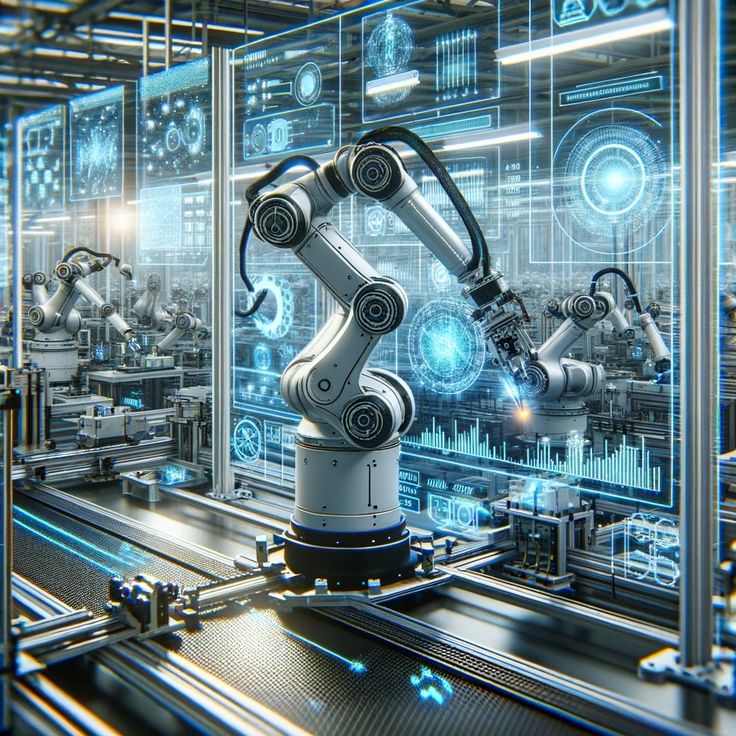
AI-assisted robotic surgery has gained significant attention for its precision and ability to minimize human error. Robotic systems, guided by AI, can perform complex surgeries with greater accuracy and reduced recovery times. AI helps with real-time data analysis during procedures, ensuring surgeons have all necessary information for optimal decision-making.

8. Clinical Trials

AI is making a mark in the management and execution of clinical trials. By analyzing patient data, AI can help identify suitable candidates for trials, improving recruitment and reducing the time it takes to bring new treatments to market. It can also analyze trial data more efficiently, identifying potential issues before they become significant problems.

Conclusion

AI is undeniably revolutionizing healthcare, enhancing diagnostic accuracy, treatment efficiency, and patient care across the board. While challenges remain, such as data privacy concerns and the need for proper regulation, the potential benefits of AI in healthcare are vast. As technology continues to evolve, AI will play an increasingly integral role in shaping the future of medicine, ultimately improving the quality of life for patients worldwide.

By embracing AI, healthcare providers can not only streamline their processes but also provide more personalized, accurate, and timely care to those who need it most.

Top Cybersecurity Companies in India

India has become a significant hub for cybersecurity solutions, hosting companies that specialize in protecting businesses against evolving digital threats. Here are some of the leading cybersecurity companies in the country:

1. Tata Consultancy Services (TCS)

  • Offers end-to-end cybersecurity services, including threat detection, risk management, and compliance solutions.

2. Infosys

  • Known for its advanced cybersecurity practice, Infosys provides services like managed security and digital forensics.

3. Wipro

  • Wipro delivers enterprise security solutions, focusing on cloud security, application security, and incident response.

4. Quick Heal Technologies

  • A renowned brand in antivirus and endpoint protection, Quick Heal offers solutions for both individuals and businesses.
5. Palo Alto Networks India
  • Provides advanced network security solutions, including next-gen firewalls and threat intelligence.
6. Sophos India
  • Specializes in endpoint and network protection with AI-powered threat analysis.

7. K7 Computing

  • Offers antivirus, internet security, and specialized cybersecurity products for small to medium businesses.

8. HCL Technologies

  • Known for its comprehensive cybersecurity services, including identity management and risk assessment.

9. Inspira Enterprise

  • A leading IT solution provider offering cybersecurity services like penetration testing and vulnerability management.

10. Lucideus

  • Provides digital risk quantification platforms and cybersecurity consulting for businesses.

How to Choose the Right Cybersecurity Partner

  • Assess Your Needs: Identify whether you require endpoint security, network security, or a full-scale managed service.
  • Reputation and Experience: Opt for companies with a proven track record and expertise in your industry.
  • Scalability: Ensure the solutions can grow with your business.

By selecting a trusted cybersecurity company, you can safeguard your digital assets and ensure compliance with global standards.

4o

How to Start Android Game Development: A Step-by-Step Guide

Android game development is a rewarding field that combines creativity and technical skills. Here’s a guide to get started:

1. Understand the Basics

  • Learn programming languages like Java or Kotlin, which are used for Android development.
  • Familiarize yourself with Android Studio, the official IDE for Android development.

2. Choose a Game Engine

  • Popular engines like Unity, Unreal Engine, and Godot simplify game development with powerful tools for graphics, physics, and scripting.

3. Learn Game Development Concepts

  • Understand essential concepts like game loops, object rendering, collision detection, and animations.

4. Design Your Game

  • Start with a simple game idea.
  • Use tools like Adobe XD or Figma for prototyping and designing UI/UX elements.
5. Start Small
  • Begin with basic games like puzzles or platformers to build experience and confidence.
6. Test Your Game
  • Regularly test your game on various devices for compatibility and performance optimization.

7. Publish Your Game

  • Create a developer account on the Google Play Store.
  • Follow publishing guidelines to release your game.

8. Join Communities

  • Engage with developer communities like forums, Discord groups, and Reddit to seek help and share ideas.

9. Keep Learning

  • Stay updated with the latest tools, libraries, and trends in game development.

With dedication and practice, you can turn your game ideas into reality. Start small, and don’t hesitate to experiment!

Is There Only One PHP Web Development Framework Worth Learning?

When it comes to PHP web development, there’s no single framework that fits all needs. Several frameworks stand out for their strengths in different areas. Here’s a breakdown:

Popular PHP Frameworks

  1. Laravel
    Known for its elegant syntax, Laravel is ideal for building robust web applications. It offers features like Blade templating, Eloquent ORM, and an active community.
  2. Symfony
    Best for enterprise-level projects, Symfony provides reusable components and flexibility. It powers Laravel’s core.
  3. CodeIgniter
    Lightweight and straightforward, it’s great for beginners or smaller projects.
  4. Yii Framework
    Yii excels in performance and is suitable for high-traffic applications.
  5. CakePHP
    CakePHP simplifies development with convention-over-configuration and built-in tools.

Factors to Consider

  • Project Requirements: Some frameworks are better for rapid development; others are suited for scalability.
  • Learning Curve: Laravel is beginner-friendly, while Symfony demands more expertise.
  • Community Support: A larger community ensures better support and frequent updates.

Conclusion

No single framework is “the best.” Choose based on your project needs, team expertise, and future scalability requirements. For beginners, Laravel is a great start, but exploring multiple frameworks broadens your skills and adaptability.

What’s the Newest Innovation in Drone Engines?

Drones have rapidly evolved from simple remote-controlled toys to sophisticated, high-performance machines used across various industries, including agriculture, logistics, military, and entertainment. One of the key components driving this advancement is the engine or propulsion system. As drone technology improves, so do the engines that power them, leading to more efficient, powerful, and versatile drones. Let’s dive into the newest innovations in drone engines and how they are shaping the future of unmanned aerial vehicles (UAVs).


Electric Engines: The Future of Drone Propulsion

Electric motors have been the backbone of most modern drone engines, thanks to their lightweight, efficient, and relatively simple design. However, with the increasing demand for drones that can carry larger payloads, fly longer distances, and remain in the air for extended periods, improvements to electric engines have become a major focus.

Key Innovations in Electric Drone Engines:

  1. Brushless Motors:
    Brushless motors have replaced traditional brushed motors in many drones due to their higher efficiency and longer lifespan. Recent advancements have made these motors even more powerful and energy-efficient, allowing drones to carry heavier loads without sacrificing battery life.
  2. High-Efficiency Propellers:
    Innovations in propeller design, such as the use of lightweight materials like carbon fiber, have reduced drag and improved thrust efficiency. This, in turn, enhances the performance of electric engines, allowing for longer flight times and greater stability in challenging conditions.
  3. Improved Battery Technology:
    The development of advanced lithium-polymer (LiPo) batteries has enabled drones to stay in the air for longer durations. Innovations in solid-state and graphene batteries are expected to further increase energy density and decrease charging times, making electric-powered drones more reliable for commercial use.

Hybrid Drone Engines: Bridging the Gap Between Electric and Combustion

While electric drones dominate the consumer market, the limitations of battery life have prompted the development of hybrid drone engines that combine electric power with combustion engines. These hybrid systems aim to offer the best of both worlds: the efficiency and low emissions of electric motors, combined with the range and endurance of combustion engines.

Key Hybrid Engine Innovations:

  1. Electric-Combustion Hybrid Systems:
    These systems use an electric motor for short-range, efficient flight and a small internal combustion engine (ICE) for longer flights. This allows drones to stay in the air for hours, making them ideal for long-range surveys, inspections, and delivery services.
  2. Fuel Cells:
    Fuel cell technology, particularly hydrogen fuel cells, has been gaining attention for hybrid drone engines. Hydrogen fuel cells provide higher energy density than traditional batteries, allowing drones to fly for longer periods without the added weight of large batteries.

Turbine Engines: Expanding Capabilities for Larger Drones

As drones are increasingly used for industrial, military, and logistics applications, the need for more powerful engines is becoming more apparent. Turbine engines, commonly found in helicopters and aircraft, are now being adapted for large drones, offering significantly more power and endurance.

Key Turbine Engine Innovations:

  1. Miniaturized Turbine Engines:
    The development of smaller, more efficient turbine engines has opened the door for large UAVs, especially those used in military and commercial applications. These engines can generate enough thrust to carry heavy payloads, such as surveillance equipment, large cargo, or even medical supplies, making them perfect for industries like logistics and search-and-rescue.
  2. Enhanced Fuel Efficiency:
    Miniaturized turbine engines have also benefited from advances in fuel efficiency. New designs focus on optimizing combustion processes and using alternative fuels, such as biofuels, to reduce operational costs and emissions.

Swarming Drones and Engine Synchronization

A particularly exciting development in drone technology is the use of swarming drones. These are multiple drones working together as a coordinated unit. Achieving perfect synchronization between drones in a swarm requires advanced communication systems, but the propulsion engines themselves must also work in harmony to ensure efficiency and stability.

Innovations in Engine Synchronization:

  1. Distributed Propulsion Systems:
    Swarming drones often use a distributed propulsion system, where each drone has multiple engines that can work in concert to ensure even power distribution. This enables swarms to maintain stability while maneuvering in complex environments, such as during military operations or search-and-rescue missions.
  2. AI-Driven Propulsion Control:
    Artificial intelligence is being integrated into drone engine control systems to optimize flight paths and energy usage across a swarm of drones. This allows for more intelligent flight patterns, increased efficiency, and the ability to handle more complex tasks autonomously.

The Road Ahead: Fuel Cells, Solar Power, and Beyond

As drone engines continue to evolve, there are several promising areas for future innovation:

  1. Solar-Powered Drones:
    Solar technology is being explored to provide continuous energy to drones, allowing for longer flights and potentially unlimited endurance in areas with plenty of sunlight.
  2. Bio-Inspired Engines:
    Engineers are also looking to nature for inspiration. Biomimicry could lead to the development of drone engines that mimic the flight mechanics of birds or insects, offering even greater energy efficiency and agility.
  3. Quantum Drones:
    In the distant future, quantum technology may offer the potential for ultra-efficient propulsion systems that revolutionize drone performance.

Conclusion

The newest innovations in drone engines are pushing the boundaries of what’s possible in aerial technology. Whether through advancements in electric motors, the development of hybrid systems, or the miniaturization of turbine engines, drones are becoming more powerful, efficient, and versatile. These innovations are opening new doors for industries ranging from delivery services and agriculture to military operations and beyond.

Which Is Best: Fashion Designing or Interior Designing?

Choosing between fashion designing and interior designing as a career can be challenging, as both fields offer creative opportunities, unique challenges, and rewarding careers. To determine which is best for you, it’s essential to consider your interests, skills, and career goals. Let’s dive into the key aspects of both professions to help you make an informed decision.


Overview of Fashion Designing

Fashion designing focuses on creating clothing, accessories, and footwear that reflect personal style, cultural influences, and current trends. Designers often work in:

  • Apparel Design: Designing everyday clothing, haute couture, or sportswear.
  • Accessory Design: Crafting handbags, jewelry, or shoes.
  • Fashion Illustration: Sketching designs for production or branding.

Key Skills for Fashion Designers:

  • Creativity and an eye for aesthetics.
  • Knowledge of textiles, patterns, and sewing techniques.
  • Awareness of global fashion trends and cultural influences.
  • Strong visualization and sketching abilities.

Career Opportunities:

  • Fashion brands and labels.
  • Freelance design or custom tailoring.
  • Roles in fashion merchandising, styling, or branding.
  • Starting your own fashion line.

Fashion designing is ideal for those passionate about clothing, enjoy working with fabrics, and want to create wearable art.


Overview of Interior Designing

Interior designing involves enhancing the functionality and aesthetics of spaces, including homes, offices, and commercial buildings. Designers work to optimize layouts, choose materials, and create cohesive environments.

Key Skills for Interior Designers:

  • Space planning and architectural knowledge.
  • Proficiency in design software like AutoCAD or SketchUp.
  • Understanding of color theory, furniture styles, and lighting.
  • Strong communication to collaborate with clients and contractors.

Career Opportunities:

  • Residential and commercial interior design firms.
  • Freelance design and consultancy.
  • Set design for films and television.
  • Specialization in niches like sustainable or luxury design.

Interior designing is a great fit for those interested in creating functional yet visually pleasing spaces.


Comparing Fashion Designing and Interior Designing

Aspect Fashion Designing Interior Designing
Focus Apparel, accessories, and personal style. Space functionality, aesthetics, and ambiance.
Creative Scope High, with rapid trend cycles and innovation. High, influenced by trends and client needs.
Tools Sketching tools, sewing machines, textile samples. CAD software, material samples, and blueprints.
Work Environment Studios, workshops, fashion shows, or boutiques. Offices, construction sites, or client locations.
Earning Potential Mid to high, depending on reputation and demand. Mid to high, based on specialization and projects.
Educational Path Fashion design courses or degrees. Interior design courses or degrees.

Which One Is Right for You?

To decide between fashion designing and interior designing, ask yourself:

  1. Where does your passion lie?
    • Are you drawn to fabrics, styles, and personal expression? Opt for fashion designing.
    • Do you love transforming spaces into functional works of art? Interior designing might be your calling.
  2. What skills do you want to develop?
    • If you prefer textiles, pattern-making, and trend analysis, fashion designing suits you.
    • If you enjoy working with layouts, architecture, and design software, interior designing is ideal.
  3. What kind of work environment do you prefer?
    • Fashion designing offers dynamic settings like fashion shows and creative studios.
    • Interior designing involves on-site visits and detailed client interactions.

Conclusion

Both fashion designing and interior designing are excellent career choices for creative individuals. The best option depends on your interests and career aspirations. Fashion designing lets you make bold statements through clothing, while interior designing allows you to shape the spaces people live and work in.

Is Graphic Design Art? Exploring the Intersection of Creativity and Functionality

Graphic design surrounds us in daily life—from the logos on your favorite brands to the layouts of websites and advertisements you encounter. But one question that often arises is: Is graphic design art? The answer lies in understanding the differences and overlaps between these two creative realms.


Defining Art and Graphic Design

Art is traditionally seen as a form of self-expression. Artists create to evoke emotions, provoke thoughts, or communicate personal or cultural stories. Its purpose is often open-ended, leaving interpretation up to the viewer.

Graphic Design, on the other hand, is a form of visual communication. Designers work to solve problems, convey specific messages, and guide audiences toward a goal, whether it’s buying a product, navigating a website, or understanding a concept.


Key Differences Between Art and Graphic Design

  1. Purpose and Intent
    • Art: Focused on self-expression or storytelling, with no boundaries to its purpose.
    • Graphic Design: Centered on communication, typically tied to a commercial or functional goal.
  2. Audience Engagement
    • Art: Encourages interpretation; viewers decide what the work means to them.
    • Graphic Design: Clear and direct; aims to deliver a specific message or solution.
  3. Creative Freedom
    • Art: Boundless creativity, with no client or user constraints.
    • Graphic Design: Creativity within guidelines, such as brand standards, audience needs, and project objectives.
  4. Medium and Tools
    • Art: Often uses traditional tools like paint, canvas, and sculpture, but also explores digital formats.
    • Graphic Design: Primarily digital, leveraging tools like Adobe Illustrator, Photoshop, and Figma.

How Graphic Design is Similar to Art

Despite their differences, graphic design and art share significant common ground:

  • Aesthetic Value: Both prioritize visual appeal and creativity.
  • Expression: Graphic designers often incorporate artistic elements to make their work unique and impactful.
  • Cultural Impact: Both art and design shape and reflect cultural trends and values.

When Graphic Design Becomes Art

In some cases, graphic design transcends its functional roots and becomes a form of art. Examples include:

  • Branding Icons: Logos like the Nike Swoosh or Apple’s logo have become cultural symbols beyond their original purpose.
  • Poster Designs: Movie or music posters are often celebrated as pieces of art.
  • Experimental Design: Designers who push creative boundaries may produce work that feels more like art than traditional design.

Why the Debate Matters

Understanding whether graphic design is art influences how we view the role of designers in society. While art thrives on individual expression, graphic design bridges creativity with utility. Recognizing this balance helps appreciate the skill and thought behind every design we interact with.


Final Thoughts

Graphic design is not art in the traditional sense, but it undoubtedly incorporates artistry. It exists at the intersection of creativity and practicality, solving problems while inspiring audiences. Whether creating a visually striking campaign or crafting a user-friendly app, graphic design demonstrates that functionality and beauty can coexist.

So, is graphic design art? The answer is nuanced—it is art when it transcends its purpose, but at its core, it is a powerful form of communication that borrows heavily from the principles of artistry.

How Do You Hire UI/UX Designers in India?

In today’s digital-first world, having a strong user interface (UI) and user experience (UX) design is essential for creating products that resonate with customers. India, with its vibrant tech ecosystem and growing pool of design talent, is a hub for hiring skilled UI/UX designers. But how do you find and hire the right talent in this competitive market? Here’s a step-by-step guide.


1. Define Your Project Needs

Before starting your search, outline your project’s scope and requirements.

  • Type of Work: Are you building a mobile app, website, or SaaS platform?
  • Skills Required: Do you need expertise in tools like Figma, Sketch, Adobe XD, or a specific focus on UX research or UI prototyping?
  • Duration: Is it a short-term freelance project or a long-term role?

Having clarity ensures you attract candidates with the right skill set.


2. Choose the Right Hiring Platform

India offers a variety of platforms where you can find UI/UX designers, including:

  • Job Portals: Naukri.com, LinkedIn, and AngelList are popular for finding full-time employees.
  • Freelance Platforms: Upwork, Fiverr, and Toptal for project-based designers.
  • Design Communities: Platforms like Behance and Dribbble showcase portfolios, making it easier to evaluate a designer’s style and expertise.
  • Referrals: Reach out to your network or design communities in India for recommendations.

3. Evaluate Portfolios Carefully

A designer’s portfolio is their most important asset. Look for:

  • Diverse Projects: Check if they’ve worked on similar projects to yours.
  • Problem-Solving Skills: Look for examples where they’ve addressed user pain points effectively.
  • Visual Consistency: Their designs should balance creativity with functionality.
  • Case Studies: Detailed explanations of their design process show their approach to UX research, prototyping, and user testing.

4. Assess Their Technical Skills

UI/UX designers need proficiency in both creative tools and technical concepts. During the interview, test their knowledge of:

  • Design Tools: Figma, Sketch, Adobe XD, or similar.
  • UX Principles: Usability, accessibility, and user-centric design.
  • Prototyping: Creating interactive prototypes.
  • Front-End Knowledge: Understanding of HTML, CSS, and JavaScript (optional but beneficial).

5. Look for Soft Skills

UI/UX designers often work collaboratively with developers, product managers, and stakeholders. Look for:

  • Communication: Can they explain their design choices effectively?
  • Empathy: Do they understand and prioritize user needs?
  • Teamwork: Are they open to feedback and collaboration?

6. Conduct a Design Task or Trial

Assigning a small design task or offering a trial project helps evaluate their practical skills. For example:

  • Redesigning a screen of your app.
  • Conducting a basic UX audit.

Ensure the task is realistic and respects their time.


7. Understand the Cost of Hiring in India

India offers competitive pricing for UI/UX designers, but rates can vary widely:

  • Freelancers: ₹1,500–₹5,000 per hour depending on experience.
  • Full-Time Employees: Annual salaries range from ₹5 LPA for entry-level designers to ₹20 LPA+ for senior designers in major cities like Bangalore, Mumbai, or Hyderabad.

8. Leverage Remote Work

India’s talent pool is not confined to metro cities. Thanks to remote work, you can hire skilled designers from smaller cities like Pune, Ahmedabad, or Chandigarh, often at a lower cost without compromising quality.


9. Offer Competitive Perks

To attract top talent in India’s competitive market, offer perks such as:

  • Flexible working hours or remote options.
  • Learning and development opportunities.
  • Health benefits or performance bonuses.

10. Ensure a Smooth Onboarding Process

Once you hire a designer, focus on seamless onboarding:

  • Provide a detailed brief of the project.
  • Set clear expectations and deliverables.
  • Foster open communication and provide regular feedback.

Final Thoughts

Hiring UI/UX designers in India can be a rewarding process if approached strategically. With a rich talent pool and diverse hiring platforms, finding the right fit for your project is achievable. By clearly defining your needs, evaluating portfolios thoroughly, and fostering a collaborative environment, you can build a team that elevates your product’s user experience to the next level.

Ready to hire? Start exploring India’s top design talent today!

What Are Some Amazing Psychology and Mind Tricks?

The human mind is a fascinating powerhouse of perception, memory, and emotion. Understanding how it works allows us to unlock tricks and techniques that can be used in daily life to influence behavior, improve communication, and sharpen our mental faculties. Here’s a look at some incredible psychology and mind tricks that you can try for fun or to enhance your interpersonal skills.


1. The Power of Silence in Negotiations

When negotiating or asking for a favor, silence can be your best ally. After making your point or request, resist the urge to fill the silence. This often makes the other person feel compelled to respond or agree, as humans tend to find silence uncomfortable.

When to Use: In salary discussions, during sales pitches, or when asking for a concession.


2. Mirror Their Behavior (Mirroring)

People tend to like others who are similar to them. By subtly mimicking someone’s posture, gestures, or tone of voice, you can create a sense of connection and trust.

Why It Works: Mirroring activates the brain’s mirror neurons, making the other person feel understood.

When to Use: Building rapport in interviews, social situations, or sales meetings.


3. The Zeigarnik Effect for Motivation

The Zeigarnik Effect states that people are more likely to remember incomplete tasks than completed ones. Use this to your advantage by starting a task, even if it’s small—your brain will push you to finish it.

When to Use: Overcoming procrastination or jumpstarting a project.


4. Use Names for Better Connection

Using someone’s name during a conversation can create a sense of importance and connection. It grabs their attention and makes interactions more personal.

When to Use: Networking events, customer service, or meeting someone new.


5. The Pygmalion Effect

This psychological principle suggests that higher expectations lead to better performance. Treat people as if you expect them to succeed, and they’re more likely to rise to the occasion.

When to Use: Encouraging employees, motivating students, or inspiring your team.


6. The Benjamin Franklin Effect

If you want someone to like you, ask them for a small favor, such as lending a book or explaining something to you. This creates a cognitive dissonance where their brain rationalizes that they helped you because they like you.

When to Use: Building relationships with colleagues or acquaintances.


7. Create False Urgency

When offering a product or trying to persuade someone, emphasize limited availability or time to act. This taps into the scarcity principle, making the opportunity seem more valuable.

When to Use: Marketing, selling, or persuading.


8. Anchor Their Thinking

The anchoring bias refers to the tendency to rely heavily on the first piece of information presented. When negotiating, start with a high number or a strong statement to set a favorable reference point.

When to Use: Negotiations, pricing discussions, or presenting ideas.


9. The Power of “Because”

When making a request, adding the word “because” followed by a reason—even if it’s simple—dramatically increases compliance. For example, “Can I use the copier first because I’m in a hurry?”

Why It Works: People are more likely to agree when they hear a reason, no matter how trivial.

When to Use: Making requests in work or daily life.


10. The Foot-in-the-Door Technique

Start with a small request that’s easy to agree to, then follow up with a larger request. People are more likely to say yes to the bigger request because they’ve already committed to the smaller one.

When to Use: Fundraising, sales, or persuading others.


11. Reframe Negative Thoughts

When feeling nervous or scared, tell yourself you’re excited instead. This tricks the brain into associating the adrenaline rush with positive emotions rather than anxiety.

When to Use: Public speaking, interviews, or high-pressure situations.


12. Leverage Social Proof

People are more likely to follow the behavior of others, especially in uncertain situations. Show evidence of others taking a certain action to influence decisions.

When to Use: Promoting products, encouraging participation, or gaining support.


13. The Placebo Effect

Believing in the efficacy of something can improve its results, even if it’s a placebo. Harness this by using self-affirmations or rituals that boost your confidence.

When to Use: Building self-esteem or overcoming challenges.


14. Spot the Fake Smile

A genuine smile involves not just the mouth but also the eyes, where the muscles create crow’s feet. Learning to spot fake smiles can help you gauge someone’s true feelings.

When to Use: Navigating social or professional interactions.


15. The Spotlight Effect

We often overestimate how much others notice us or our mistakes. Realizing that people are too focused on themselves to scrutinize you can help reduce social anxiety.

When to Use: Overcoming self-consciousness or boosting confidence.


Final Thoughts

Psychology offers a treasure trove of insights into human behavior, helping us navigate relationships, influence others, and improve our lives. While these tricks are powerful, remember to use them ethically and with good intentions. After all, the ultimate goal is to build genuine connections and foster positive outcomes.

Form submitted! Our team will reach out to you soon.
0
    0
    Your Cart
    Your cart is emptyReturn to Course