
Graphic design is one of the most accessible and creative career paths today. With the rise of digital media, businesses constantly need designers for branding, marketing, UI/UX, social media, and more. But a common question among beginners is: “Can I become a graphic designer without a degree?”
The short answer is YES — absolutely.
Many successful designers in the industry today are entirely self-taught. What truly matters is your skills, creativity, and portfolio, not your academic background.
Let’s dive deeper into how you can start a graphic design career even without a formal degree.
1. Skills Matter More Than Degrees in Graphic Design
Graphic design is a skill-based profession, where employers and clients evaluate you based on your portfolio, not your certificates.
What hiring managers look for:
-
Strong visual communication
-
Creativity and originality
-
Understanding of design principles
-
Ability to use design tools
-
A consistent and impactful portfolio
As long as you can deliver quality work, the absence of a degree is not a barrier.
2. Learn Graphic Design Skills Online — Anytime, Anywhere
The internet has made learning design easier than ever. You can learn everything from basics to advanced skills through online platforms.
Popular platforms for learning graphic design:
-
Coursera
-
Udemy
-
Skillshare
-
LinkedIn Learning
-
YouTube (free tutorials)
What you should learn first:
-
Color theory
-
Typography
-
Layout and composition
-
Branding basics
-
Visual hierarchy
-
Understanding user psychology
These fundamentals help you create designs that are not only attractive but also meaningful and functional.
3. Master the Essential Graphic Design Tools
You don’t need a degree, but you DO need to be comfortable with industry-standard tools:
-
Adobe Photoshop
-
Adobe Illustrator
-
Adobe InDesign
-
Figma
-
Canva (great for beginners)
Practice consistently, and you’ll quickly develop confidence and speed.
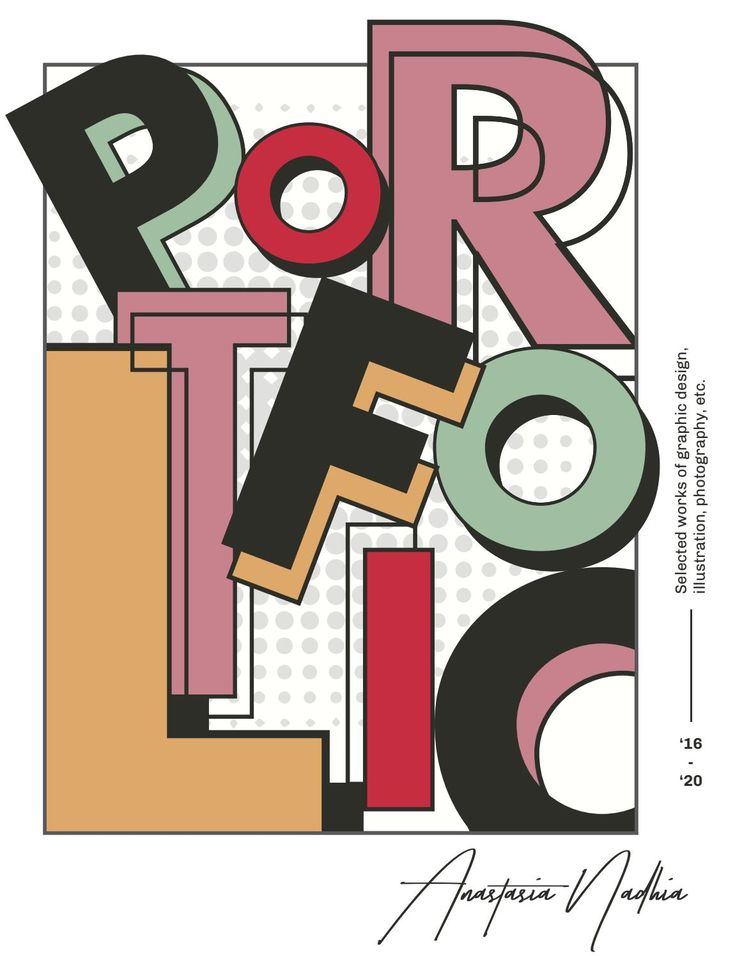
4. Build a Strong Portfolio — Your Real Resume
Your portfolio showcases your skills better than any certificate.
What to include in a beginner’s portfolio:
-
Logo designs
-
Posters and flyers
-
Social media graphics
-
Branding projects
-
UI mockups (optional)
-
Personal creative projects
You can create fictional or volunteer projects to fill your portfolio until you gain real clients.
5. Gain Experience Through Freelancing or Internships
Even without a degree, you can build experience through:
-
Freelancing platforms (Fiverr, Upwork, Freelancer)
-
Local businesses needing low-cost design work
-
Non-profit organizations
-
Social media content creation
-
Internships (some accept beginners with basic skills)
Every small project adds value and improves your credibility.
6. Stay Updated With Trends and Keep Practicing
Graphic design is constantly evolving—new styles, tools, and techniques emerge frequently.
Follow design communities on:
-
Dribbble
-
Behance
-
Pinterest
-
Instagram
Regular practice sharpens your creativity and helps you discover your own style.
7. When Does a Degree Help?
Although not required, a degree can be useful if:
-
You want to work at major design agencies
-
You plan to become a design lecturer
-
You want structured learning and mentorship
But even in these cases, a strong portfolio can outweigh the need for a formal degree.
Conclusion
You can absolutely become a graphic designer without a relevant degree. The graphic design industry values skills, creativity, and portfolio work far more than academic qualifications. With dedication, continuous practice, and the right tools, you can build a successful career in design on your own terms.


