How Can We Prevent the Development of Dangerous Nanotechnology?

Nanotechnology—science at the scale of atoms and molecules—has the potential to revolutionize industries from medicine to manufacturing. However, like any powerful technology, it also poses serious risks if misused or poorly regulated. As we stand at the cusp of a nanotech-driven era, it becomes crucial to address a pressing question: How can we prevent the development of dangerous nanotechnology?

Understanding the Risks

Before we dive into solutions, it’s important to understand what makes nanotechnology potentially dangerous:

  • Environmental Impact: Nanoparticles can be highly reactive and may harm ecosystems when released into air, water, or soil.

  • Health Risks: Inhalation or ingestion of certain nanoparticles could lead to toxicity, inflammation, or unknown long-term effects in humans.

  • Weaponization: In the wrong hands, nanotechnology could be used to create undetectable weapons, including biological agents or surveillance tools.

  • Loss of Control: Autonomous nanosystems, such as self-replicating nanobots, could spiral out of control if not properly designed or regulated.

So, how do we strike a balance between innovation and safety?

1. Establishing Global Regulations

One of the most critical steps is the development of international nanotechnology regulations. Just like nuclear technology, nanotech should be governed by globally accepted rules that:

  • Define safe use and disposal methods.

  • Set manufacturing standards.

  • Ban specific high-risk applications (e.g., nanoweapons).

  • Encourage transparent reporting of research and deployment.

Global collaboration ensures that rogue development is minimized, and there is accountability across borders.

2. Ethical Oversight in Research

Universities, tech companies, and labs must adopt ethical review boards specifically trained in nanotech. These boards would:

  • Evaluate the potential societal impact of proposed experiments.

  • Enforce “do no harm” principles.

  • Reject projects that could lead to weaponization or irreversible damage.

Ethics must guide innovation, not follow it.

3. Promoting Safe-by-Design Approaches

A “safe-by-design” approach integrates safety features right from the conceptual phase. This includes:

  • Limiting self-replication abilities of nanobots.

  • Ensuring nanomaterials degrade harmlessly in the environment.

  • Creating nanostructures that are only functional under controlled conditions.

Designing with foresight minimizes unintended consequences.

4. Public Awareness and Education

A well-informed public acts as a natural check against dangerous tech. By increasing awareness about nanotechnology’s pros and cons:

  • Citizens can push for stronger regulations.

  • Scientists can be held accountable.

  • Future developers can be inspired to innovate responsibly.

Educational institutions and media have a big role in demystifying nanotechnology.

5. Funding Responsible Innovation

Governments and investors should support projects that prioritize public benefit over private profit. This means:

  • Encouraging open-source nanotech research.

  • Funding projects focused on healthcare, renewable energy, and environmental clean-up.

  • Avoiding ventures linked to military or surveillance uses unless strictly regulated.

Incentivizing responsibility reshapes the development landscape.

6. Early Detection and Risk Assessment

Regular monitoring systems should be developed to detect harmful nanoparticles in the environment. This includes:

  • Real-time air and water quality sensors.

  • Standardized testing of nanomaterial toxicity.

  • Independent watchdog organizations that audit nanotech companies and research labs.

Prevention starts with early detection.


Conclusion

Nanotechnology holds the key to incredible advancements—but with great power comes great responsibility. Preventing the development of dangerous nanotechnology isn’t about halting progress. It’s about guiding it wisely, ethically, and with a long-term vision for humanity and the planet.

Is Corporate Law Anything Like How It Is Portrayed in Suits?

If you’ve ever binge-watched Suits, chances are you’ve imagined yourself power-walking in designer suits through a high-rise Manhattan law firm, tossing around legal jargon, and negotiating billion-dollar deals before lunch. But once the credits roll, a lingering question remains: Is corporate law in real life anything like it is portrayed in Suits?

Short answer? Kind of—but mostly no.

Let’s dive into what’s real, what’s glamorized, and what aspiring corporate lawyers should actually expect.


1. The Glamour Factor: Fiction vs. Reality

In Suits, everyone looks flawless, offices resemble luxury hotels, and the drama never stops. Real corporate law? Let’s just say it includes a lot less Armani and a lot more paperwork.

  • Reality: Corporate law is often long hours, meticulous contract drafting, and endless due diligence. While big firms may have sleek offices and well-dressed attorneys, it’s less about style and more about substance.

  • Verdict: Suits seriously turns up the glamour dial.


2. The Legal Drama

The show thrives on courtroom showdowns and verbal takedowns. But corporate lawyers rarely step foot in a courtroom. Their battlefield is the boardroom, and their weapons are spreadsheets, contracts, and negotiation skills.

  • Reality: Corporate law focuses on mergers, acquisitions, regulatory compliance, contracts, financing, and corporate governance. Litigation is a different field altogether.

  • Verdict: Real corporate law has drama—but it’s more strategic and subtle, not so much yelling in court.


3. The Fast-Paced Deals and “Winging It”

Harvey Specter can close multimillion-dollar deals over coffee. Mike Ross, with his photographic memory (and no law degree), regularly improvises legal strategies.

  • Reality: Corporate deals are slow, detailed processes. Lawyers spend weeks or months negotiating terms, reviewing clauses, and getting approvals. And no, you cannot “wing it” without legal credentials (or ethics violations).

  • Verdict: Deals take time. TV speed is fiction.


4. Work Environment and Culture

Yes, law firms can be competitive and high-pressure. But most lawyers aren’t locked in power struggles or fighting off blackmail in their spare time.

  • Reality: Work-life balance can be tough, especially in top-tier law firms. Hierarchies do exist, and junior associates often handle the heavy lifting. But real firms are also about teamwork, mentorship, and professionalism.

  • Verdict: The intensity is real—but minus the personal vendettas and soap-opera twists.


5. The Characters: Harvey, Mike, Donna, and the Rest

These characters are iconic—Harvey the confident closer, Mike the brilliant fraud, Donna the all-knowing assistant. But do they reflect real roles in corporate law?

  • Reality:

    • Partners like Harvey do manage big clients, but not with unlimited autonomy.

    • Associates (like Mike should’ve been) often do the legwork and rarely call the shots.

    • Legal assistants like Donna are vital—but being psychic isn’t a job requirement.

  • Verdict: Based on real roles, but highly dramatized personalities.


6. The Ethics (Or Lack Thereof)

One major issue: Suits constantly bends (and breaks) the rules. Mike’s entire story arc hinges on fraud. The characters frequently blur legal and moral boundaries.

  • Reality: Ethics and legal compliance are taken very seriously in real law practice. Unauthorized practice of law is illegal and can result in disbarment or jail.

  • Verdict: This is the biggest stretch of all.


Final Thoughts: The Verdict on Suits vs. Real Life

Suits is undeniably entertaining—a slick, fast-talking legal fantasy. It captures the spirit of corporate law’s high-stakes, high-pressure environment, but not the daily grind, the deep research, or the importance of ethics and accuracy.

How Is the Master’s in Business Analytics Course?

In today’s data-driven world, businesses are swimming in oceans of information—and they need skilled professionals to make sense of it all. This is where a Master’s in Business Analytics (MSBA) comes into play. But how good is this course really? Is it worth the investment of time and money? Let’s break it down.


What is a Master’s in Business Analytics?

A Master’s in Business Analytics is a postgraduate program designed to equip students with the tools to analyze data and use it to drive business strategy and decision-making. It combines elements of data science, statistics, and business management.

You’ll typically learn:

  • Predictive and descriptive analytics

  • Data visualization and storytelling

  • Machine learning for business

  • Statistical modeling

  • Programming (often Python, R, or SQL)

  • Business strategy and decision-making


Why Is It So Popular?

Business analytics is booming because nearly every industry needs data insights—from finance and retail to healthcare and tech. Companies want to understand customer behavior, optimize operations, and predict future trends.

A master’s degree in this field offers:

  • High employability: Businesses are constantly hiring data-savvy analysts.

  • Diverse career paths: You can become a data analyst, business intelligence analyst, data consultant, or even move into management roles.

  • Attractive salaries: Graduates often land roles with competitive starting packages.


What’s the Course Structure Like?

Most programs are 1–2 years long and blend theory with hands-on practice. You’ll often work on real-world datasets and complete capstone projects or internships.

Core subjects might include:

  • Data Mining

  • Big Data Technologies

  • Business Economics

  • Marketing Analytics

  • Operations Research

  • Decision Models

Some programs also allow specializations like:

  • Supply chain analytics

  • HR analytics

  • Financial analytics


Skills You’ll Gain

By the time you graduate, you’ll be able to:

  • Use tools like Excel, Tableau, Power BI, Python, and R

  • Clean, interpret, and visualize complex data

  • Build predictive models and perform statistical analysis

  • Translate insights into actionable business strategies

Soft skills like communication, problem-solving, and critical thinking are also heavily emphasized.


Who Should Consider This Course?

This degree is ideal for:

  • Business graduates who want to specialize in data

  • Engineers or IT professionals looking to switch to business roles

  • Anyone interested in combining analytics with strategic thinking

Even if you don’t have a strong math or coding background, many programs offer foundation modules to help you catch up.


Career Opportunities After Graduation

Graduates from MSBA programs are in high demand across sectors. Common job titles include:

  • Business Analyst

  • Data Analyst

  • Marketing Analyst

  • Operations Analyst

  • Business Intelligence Manager

  • Data Consultant

You could work in companies like Google, Amazon, Deloitte, IBM, banks, retail chains, or even startups.


Is It Worth It?

If you’re looking for a career that mixes data with real-world business impact, then yes—it’s worth it. The return on investment can be strong, especially if you attend a well-regarded university and gain relevant work experience during your course.

However, it’s not just about getting the degree—you’ll need to stay updated with tools, trends, and continuously sharpen your analytical mindset.


Final Thoughts

A Master’s in Business Analytics is more than just a trending course—it’s a gateway to one of the most in-demand careers today. Whether you’re a fresh graduate or a working professional looking to upskill, this course offers the perfect mix of technical and business knowledge to thrive in the digital economy.

What Will Be the Cause of the Next Stock Market Crash?

History has shown us that stock market crashes are inevitable. Whether triggered by economic missteps, geopolitical conflicts, or speculative bubbles, these downturns have profound impacts on economies, businesses, and individual investors. The pressing question now is: what could cause the next stock market crash?

While it’s impossible to predict the future with certainty, we can examine the patterns of the past and current global indicators to identify potential triggers that might ignite the next financial storm.


1. High Interest Rates and Tight Monetary Policy

The U.S. Federal Reserve and other central banks have aggressively raised interest rates in recent years to combat inflation. While this strategy can cool rising prices, it also increases borrowing costs for companies and consumers. Higher rates often lead to lower corporate profits, reduced consumer spending, and ultimately, slower economic growth.

If central banks miscalculate and keep rates high for too long, they risk tipping the economy into recession—dragging the stock market down with it.


2. Global Debt Crisis

Government and corporate debt levels around the world have reached record highs. According to the IMF, global debt exceeded $300 trillion in 2024. Much of this debt was taken on during the pandemic and in the years following to stimulate economic recovery.

The danger? If a major economy defaults—or even shows signs of being unable to service its debt—it could cause a domino effect in the financial markets. Investor confidence would erode rapidly, triggering panic selling and a broad market downturn.


3. Geopolitical Instability and Wars

Geopolitical tensions are intensifying. Ongoing conflicts such as the Russia-Ukraine war, instability in the Middle East, and growing U.S.-China tensions over Taiwan and trade create a fragile global landscape.

Markets are highly sensitive to uncertainty, especially when it threatens global trade or energy supplies. A major escalation in any of these areas could severely disrupt global supply chains, spike commodity prices, and rattle investor confidence.


4. Overvalued Tech Sector and AI Hype Bubble

Just like the dot-com bubble in the early 2000s, today’s booming tech sector could be a double-edged sword. Stocks of AI and tech companies have soared due to massive investor interest and future growth expectations.

But here’s the catch: some of these companies have yet to show profits or viable business models. If earnings don’t match the hype, investors might begin to sell off en masse, causing a tech-led crash that ripples through the broader market.


5. Corporate Earnings Decline

Stock prices are fundamentally tied to earnings. If corporate earnings begin to disappoint—whether due to inflation, reduced consumer spending, or supply chain disruptions—it could lead to a market correction.

Investors who have priced in continued growth may flee when they see profit margins shrinking or companies cutting their forecasts. A string of weak earnings reports could be the catalyst for a major sell-off.


6. Black Swan Events

Lastly, we can’t rule out a Black Swan event—something rare, unpredictable, and extremely disruptive. The COVID-19 pandemic was one such example. A new pandemic, a massive cyberattack on global financial systems, or even a natural disaster affecting a major economic region could be the next shock that no one sees coming.


Can We Prevent the Crash?

The truth is, while economists, analysts, and governments try to manage risks, markets have a mind of their own. Crashes are a natural part of the financial cycle. However, being aware of warning signs and staying diversified in your investments can reduce the damage.

Staying informed, not chasing hype, and maintaining a long-term perspective are the best defenses any investor can have.


Final Thoughts

Predicting exactly when the next crash will occur is impossible—but the why might be hiding in plain sight. Whether it’s rising interest rates, global conflict, or an overhyped tech sector, several storm clouds are already forming.

What is a Skilled Human Resource?

In today’s competitive business environment, organizations need more than just manpower—they need skilled human resources. But what exactly does that mean? And why is it so crucial for the success of any company?

Let’s break it down.


Understanding Human Resources

At its core, human resources refers to the people who make up the workforce of an organization. It also includes the department responsible for hiring, training, and managing employees. However, not all human resources are created equal. The real value lies in skilled human resources—employees who bring expertise, experience, and professionalism to the table.


What is a Skilled Human Resource?

A skilled human resource is an individual who possesses the knowledge, abilities, and experience needed to perform their job effectively and efficiently. These are professionals who are not only technically sound but also adaptable, problem-solvers, and team players.

Key Characteristics of a Skilled Human Resource:

  • Technical expertise in their field

  • Effective communication and collaboration skills

  • Critical thinking and decision-making ability

  • Adaptability to new technologies and work environments

  • Continuous learning and self-improvement mindset


Types of Skills in Human Resources

Skilled human resources are usually evaluated based on two main types of skills:

1. Hard Skills

These are job-specific abilities that can be measured and taught, such as:

  • Programming

  • Data analysis

  • Accounting

  • Graphic design

  • Machine operation

2. Soft Skills

These are interpersonal skills and personality traits, including:

  • Leadership

  • Communication

  • Time management

  • Conflict resolution

  • Emotional intelligence

Both types are essential for a well-rounded, high-performing workforce.


Why Are Skilled Human Resources Important?

The presence of skilled human resources can make or break an organization. Here’s why:

  • 🚀 Boosts productivity and efficiency

  • 🧠 Encourages innovation and creativity

  • 💼 Improves quality of products and services

  • 🔄 Reduces turnover and training costs

  • 📈 Drives overall business growth and competitiveness

In short, skilled human resources are the backbone of successful companies.


How to Develop a Skilled Workforce

Organizations and individuals alike should invest in skill development through:

  • 🌐 Training and upskilling programs

  • 📚 Professional courses and certifications

  • 👥 Mentoring and coaching

  • 💡 On-the-job learning and feedback

  • 🧪 Exposure to diverse roles and responsibilities


Final Thoughts

A skilled human resource is not just someone with a resume—they are individuals who actively contribute to the success and growth of a company through their knowledge, dedication, and continuous learning. In the ever-evolving job market, nurturing skilled human resources is not just important—it’s essential.

What is the Difference Between Finance and Economics?

Finance and economics are two closely related fields that often overlap, yet they serve different purposes and focus on different aspects of money and decision-making. Whether you’re a student choosing a career path or simply curious about how money flows in society, understanding the difference between finance and economics is key.

Let’s break it down in a simple and clear way.


Understanding Economics

Economics is the study of how societies allocate scarce resources to meet the needs and wants of individuals and groups. It explores human behavior, decision-making, and the factors that influence the production, distribution, and consumption of goods and services.

Two Main Branches of Economics:

  • Microeconomics: Focuses on individual behavior, such as how households and businesses make decisions.

  • Macroeconomics: Looks at the economy as a whole, studying national income, inflation, unemployment, and government policies.

Key Focus: Understanding why people and governments make certain economic choices and how those decisions affect society.


Understanding Finance

Finance, on the other hand, is more specific. It deals with the management of money and investments by individuals, companies, and governments. Finance is action-oriented — it’s about how to use money wisely to achieve financial goals.

Major Areas in Finance:

  • Personal Finance: Managing personal savings, investments, and budgeting.

  • Corporate Finance: How businesses raise capital, manage risk, and plan for growth.

  • Public Finance: Government spending, taxation, and budgeting.

Key Focus: Making informed decisions about the use and growth of money.


Core Differences at a Glance

Aspect Economics Finance
Focus Resource allocation and economic systems Money management and investment
Nature Theoretical and analytical Practical and application-based
Scope Broader (societal-level decisions) Narrower (money-related decisions)
Methods Used Models, theories, statistics Tools like accounting, forecasting
Career Roles Economist, policy analyst, researcher Financial analyst, banker, investor

How They Work Together

Although they differ, economics and finance often work hand in hand. For example, an economist may study how interest rates affect consumer behavior, while a finance expert uses that insight to make investment decisions. Both help shape smart policies and sound financial strategies.


Which One Should You Study?

It depends on your interests and career goals:

  • Choose Economics if you enjoy analyzing trends, understanding how the world works, and working with models and policies.

  • Choose Finance if you’re more interested in investments, business strategies, and practical money management.

What Skills Are Required of a Digital Marketer?

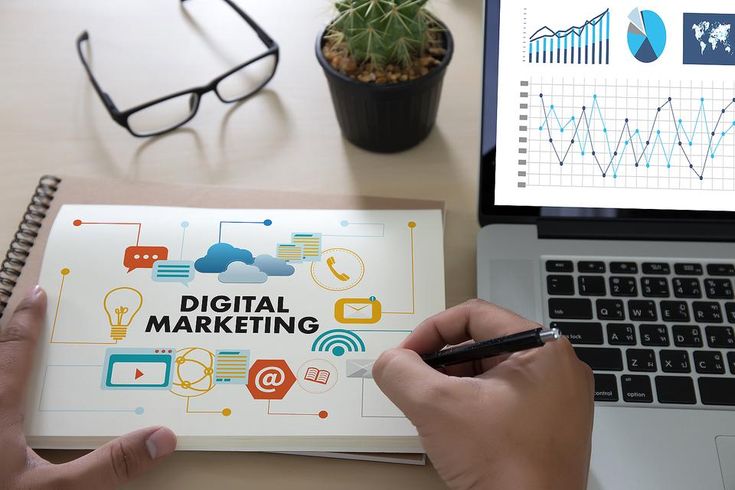
In the fast-paced world of online business, digital marketers are the driving force behind brand visibility, customer engagement, and lead generation. As technology and consumer behavior continue to evolve, the demand for skilled digital marketers has never been higher. But what does it really take to succeed in this field?

Whether you’re an aspiring digital marketer or looking to upgrade your skill set, here’s a deep dive into the essential skills you need to thrive in today’s digital marketing landscape.


1. SEO & SEM Knowledge

Search Engine Optimization (SEO) and Search Engine Marketing (SEM) are crucial for driving organic and paid traffic to websites.

  • SEO involves understanding keyword research, link building, on-page optimization, and Google’s algorithms.

  • SEM includes paid advertising strategies like Google Ads and pay-per-click (PPC) campaigns.

Why it matters: These skills help ensure your content reaches the right audience at the right time.


2. Content Marketing

Content is still king in digital marketing. Great digital marketers know how to create compelling, valuable content that educates, entertains, or solves a problem.

  • Skills involved: Blogging, copywriting, storytelling, content strategy, video production.

Why it matters: Content builds trust, drives traffic, and converts leads into customers.


3. Social Media Management

Social media platforms are essential for brand visibility and engagement.

  • Know how to use platforms like Instagram, Facebook, LinkedIn, TikTok, and X (formerly Twitter).

  • Learn about scheduling tools, analytics, and ad management.

Why it matters: Social media offers real-time interaction with your audience and helps amplify your message.


4. Data Analysis & Analytics

A data-driven marketer is a powerful marketer. Tools like Google Analytics, Facebook Insights, and email performance reports help track campaign success.

  • Skills involved: Understanding metrics, analyzing user behavior, and making data-backed decisions.

Why it matters: Analytics provide insights into what’s working and where to improve.


5. Email Marketing

Despite the rise of social media, email marketing remains one of the highest ROI digital channels.

  • Learn how to craft engaging newsletters, segment email lists, and automate campaigns.

Why it matters: Email is personal, direct, and great for nurturing leads and building customer loyalty.


6. Marketing Automation Tools

Efficiency is key. Tools like HubSpot, Mailchimp, and Marketo automate repetitive tasks and streamline marketing efforts.

  • Know how to set up workflows, lead scoring, and drip campaigns.

Why it matters: Automation improves efficiency and customer experience.


7. Basic Design & UX Principles

While you don’t need to be a graphic designer, understanding design basics and user experience (UX) is a major plus.

  • Tools to learn: Canva, Adobe Creative Suite, Figma.

  • Understand website structure, mobile responsiveness, and visual hierarchy.

Why it matters: Visually appealing content converts better and improves user engagement.


8. Paid Advertising (PPC & Social Ads)

A good digital marketer knows how to run paid campaigns effectively across platforms.

  • Learn about ad copywriting, targeting, bidding strategies, and A/B testing.

Why it matters: Paid ads drive quick results and help reach a broader audience.


9. Communication & Persuasion Skills

Digital marketing isn’t just about tools and tactics — it’s about connecting with people.

  • Excellent writing, speaking, and storytelling skills are vital.

  • Persuasion techniques can drive action and conversions.

Why it matters: Clear, compelling communication builds trust and drives results.


10. Adaptability & Lifelong Learning

Digital marketing trends change rapidly — from algorithm updates to new platforms.

  • Stay updated via courses, blogs, podcasts, and webinars.

  • Be open to experimenting and learning new tools.

How Do I Prepare for Interviews on Algorithms (Mainly DSA and DP) and Java?

Cracking coding interviews at top tech companies isn’t just about knowing how to code — it’s about solving complex problems efficiently, under time pressure, and explaining your thought process clearly. If you’re targeting roles involving algorithms, data structures (DSA), dynamic programming (DP), and Java, this guide will help you prepare strategically and confidently.


🧠 1. Understand the Core Concepts of DSA

Before jumping into problem-solving, ensure your fundamentals are strong.

🔑 Key Topics to Master:

  • Arrays and Strings

  • Linked Lists

  • Stacks and Queues

  • Trees and Graphs

  • Hashing and Hash Tables

  • Heaps and Priority Queues

  • Recursion and Backtracking

  • Sorting and Searching Algorithms

👉 Tip: Don’t just learn how to implement — understand when and why to use each structure.


🧩 2. Focus Deeply on Dynamic Programming (DP)

Dynamic Programming is a crucial part of technical interviews, often seen as the “make or break” section.

🧠 How to Master DP:

  • Start with basic problems like Fibonacci, Knapsack, and Coin Change

  • Understand memoization vs tabulation

  • Break down problems into subproblems

  • Practice identifying overlapping subproblems and optimal substructure

🔥 Popular DP Patterns:

  • Subset Sum

  • Longest Common Subsequence

  • Matrix Chain Multiplication

  • Edit Distance

  • DP on Trees & Graphs


☕ 3. Sharpen Your Java Skills

If Java is your primary programming language for interviews, you should be fluent in both syntax and built-in libraries.

🧾 Java Topics to Revise:

  • Collections Framework (List, Set, Map, Queue)

  • Comparable vs Comparator

  • Generics and Lambdas

  • Multithreading Basics (for advanced interviews)

  • String and StringBuilder manipulations

  • Exception handling and object-oriented principles

Practice Tip: Solve DSA problems using Java on platforms like LeetCode, HackerRank, and Codeforces.


🛠️ 4. Practice, Practice, Practice

Nothing beats consistent hands-on problem-solving.

✅ Best Platforms for DSA and DP Practice:

  • LeetCode (Focus on Top 100 Liked and Tagged DP problems)

  • GeeksforGeeks (Great for theory + practice)

  • Codeforces and AtCoder (For competitive edge)

  • InterviewBit (Curated interview questions)

  • HackerRank (Java + DSA focus)

🕒 Daily Routine Suggestion:

  • 1 easy problem (warm-up)

  • 1 medium DSA problem

  • 1 DP-focused problem

  • 15 minutes Java theory/practice


🗣️ 5. Learn to Communicate Your Thoughts

In interviews, your problem-solving approach is as important as the solution itself.

🎤 Improve by:

  • Explaining problems aloud as you solve them

  • Writing clean, readable code with comments

  • Practicing mock interviews on platforms like Pramp, Interviewing.io, or with friends


📚 6. Use the Right Study Materials

🏆 Recommended Resources:

  • Books:

    • “Cracking the Coding Interview” by Gayle Laakmann McDowell

    • “Elements of Programming Interviews”

    • “Introduction to Algorithms” (CLRS)

  • YouTube Channels:

    • Abdul Bari (for core concepts)

    • Tushar Roy (excellent DP explanations)

    • WilliamFiset (Data structures in Java)


🧪 7. Take Mock Interviews

Real-time simulation helps you reduce anxiety and improve communication.

Where to Practice:

  • Pramp

  • Interviewing.io

  • Exercism + Peer Interview

  • Peers or seniors in the industry


🎯 Final Thoughts

Preparing for interviews focused on DSA, DP, and Java takes time, discipline, and lots of coding. Focus on understanding the “why” behind every algorithm, not just the implementation. With consistent practice and the right resources, you’ll not only be ready — you’ll stand out.


✅ Quick Checklist for Interview Readiness

  • Strong understanding of DSA fundamentals

  • Mastered 10+ key dynamic programming problems

  • Fluent Java coding and familiarity with key libraries

  • 100+ problems solved on platforms like LeetCode

  • Comfortable with whiteboard-style or online coding

  • Practiced mock interviews with feedback

Which Are Other Softwares Like AutoCAD?

When it comes to computer-aided design (CAD), AutoCAD is often the first name that comes to mind. Developed by Autodesk, AutoCAD is widely used in architecture, engineering, interior design, and manufacturing. However, it’s not the only powerful design tool out there.

Whether you’re looking for alternatives due to pricing, specific features, or ease of use, this blog explores some of the best software options similar to AutoCAD that professionals and students alike can consider.


🧰 1. SolidWorks

Best for: Mechanical and industrial design

Key Features:

  • 3D solid modeling and simulation tools

  • Parametric design capabilities

  • Assembly modeling for complex parts

  • Engineering analysis features

Why it’s like AutoCAD:
While AutoCAD excels in 2D and basic 3D modeling, SolidWorks offers robust 3D capabilities especially tailored for engineering and manufacturing industries.


🧰 2. SketchUp

Best for: Architectural and interior design

Key Features:

  • Easy-to-learn 3D modeling

  • Vast 3D warehouse of pre-built models

  • Strong visualization and rendering tools

  • Cloud collaboration and extensions

Why it’s like AutoCAD:
SketchUp is simpler and more intuitive for creating architectural designs and 3D spaces, making it a great alternative for beginners and interior designers.


🧰 3. BricsCAD

Best for: General CAD use with AutoCAD compatibility

Key Features:

  • Fully supports DWG file format

  • 2D drafting and 3D modeling

  • AI-powered tools for productivity

  • Cost-effective compared to AutoCAD

Why it’s like AutoCAD:
BricsCAD closely mimics the AutoCAD interface and commands, making it easy to transition for seasoned AutoCAD users.


🧰 4. FreeCAD

Best for: Open-source 3D modeling and learning

Key Features:

  • Parametric modeling

  • Open-source and customizable

  • Ideal for product design and mechanical engineering

  • Strong community support

Why it’s like AutoCAD:
FreeCAD is a free alternative that supports 3D parametric modeling with a focus on engineering and technical design.


🧰 5. Fusion 360

Best for: Product design, 3D modeling, and simulation

Key Features:

  • Cloud-based design platform

  • Combines CAD, CAM, and CAE tools

  • Real-time collaboration

  • Integrated simulation and analysis

Why it’s like AutoCAD:
Also developed by Autodesk, Fusion 360 is more modern and cloud-friendly, making it perfect for teams and complex product development.


🧰 6. LibreCAD

Best for: 2D drafting

Key Features:

  • Lightweight and open-source

  • Supports DWG and DXF files

  • Community-driven development

  • Cross-platform (Windows, Mac, Linux)

Why it’s like AutoCAD:
For users who need only 2D drafting, LibreCAD is a free and accessible alternative to AutoCAD’s basic drawing features.


🧰 7. TinkerCAD

Best for: Beginners, students, and 3D printing

Key Features:

  • Web-based 3D modeling

  • Simple drag-and-drop interface

  • Great for learning the basics

  • Integration with 3D printers

Why it’s like AutoCAD:
While basic compared to AutoCAD, TinkerCAD is a great introduction to CAD and a stepping stone for more advanced tools.


🧰 8. Rhino (Rhinoceros 3D)

Best for: Industrial, product, and jewelry design

Key Features:

  • NURBS-based modeling for high precision

  • Supports plugins for rendering and animation

  • Excellent for complex surfaces and curves

  • Wide compatibility with other CAD tools

Why it’s like AutoCAD:
Rhino is a top choice for designers needing advanced 3D modeling features with precision and customization.


✨ Conclusion

AutoCAD is undoubtedly a powerful and industry-standard tool, but it’s not the only option out there. Depending on your needs — whether it’s 3D modeling, mechanical design, architectural drafting, or even affordability — there’s a CAD software that fits.

Who Manufactures the Best Hybrid Electric Vehicles?

As the global demand for eco-friendly transportation continues to rise, Hybrid Electric Vehicles (HEVs) have become a smart choice for drivers seeking a balance between performance, fuel efficiency, and environmental responsibility. But with so many options on the market, one question often arises — who manufactures the best hybrid electric vehicles?

Let’s explore the top automakers in the hybrid space and what makes their vehicles stand out.


🚗 Toyota: The Hybrid Pioneer

When it comes to hybrid technology, Toyota remains a trailblazer. The company introduced the world to the first mass-produced hybrid car — the iconic Toyota Prius — in the late 1990s. Since then, Toyota has consistently led the hybrid market with innovative engineering and unmatched reliability.

Top Models:

  • Toyota Prius

  • Toyota RAV4 Hybrid

  • Toyota Camry Hybrid

  • Toyota Corolla Hybrid

Why Toyota?

  • Proven hybrid system with decades of refinement

  • Exceptional fuel economy

  • High resale value

  • Broad range of hybrid models, from sedans to SUVs


🚙 Honda: Efficiency Meets Sportiness

Honda is another strong contender in the hybrid arena. Known for blending performance with efficiency, Honda’s hybrid lineup offers a dynamic driving experience without compromising on mileage.

Top Models:

  • Honda Accord Hybrid

  • Honda CR-V Hybrid

  • Honda Insight

Why Honda?

  • Smooth acceleration and responsive handling

  • Sleek design and advanced safety features

  • Reliable and cost-effective


🚘 Hyundai & Kia: Modern, Tech-Focused Hybrids

The Hyundai Motor Group, which includes both Hyundai and Kia, has made impressive strides in hybrid technology over the past decade. Their vehicles are not only efficient but also packed with advanced technology and stylish designs.

Top Models:

  • Hyundai Sonata Hybrid

  • Hyundai Tucson Hybrid

  • Kia Niro Hybrid

  • Kia Sportage Hybrid

Why Hyundai/Kia?

  • Long warranty coverage

  • Great infotainment systems

  • Value-for-money hybrids with competitive pricing


🛻 Ford: Power and Practicality

For drivers who want power and utility alongside fuel efficiency, Ford offers some compelling hybrid options — especially in the SUV and truck segments. Ford has invested heavily in hybrid technology, delivering vehicles that are tough yet fuel-conscious.

Top Models:

  • Ford Escape Hybrid

  • Ford Maverick Hybrid

  • Ford F-150 PowerBoost Hybrid

Why Ford?

  • Ideal for families and work use

  • Powerful hybrid engines with towing capacity

  • Spacious and practical interiors


🛋 Lexus: Luxury with a Green Touch

Lexus, Toyota’s luxury division, brings hybrid power to the premium segment. If you’re looking for a luxurious ride that’s also eco-friendly, Lexus hybrids are hard to beat.

Top Models:

  • Lexus RX Hybrid

  • Lexus NX Hybrid

  • Lexus ES Hybrid

Why Lexus?

  • Elegant interiors and superior comfort

  • Ultra-quiet hybrid operation

  • Excellent build quality and long-term reliability


🚀 BMW: Performance Plug-In Hybrids

While not a traditional hybrid brand, BMW offers several plug-in hybrid electric vehicles (PHEVs) that combine electric range with powerful engines. These are ideal for those who want performance and green credentials.

Top Models:

  • BMW 330e

  • BMW X5 xDrive45e

Why BMW?

  • Luxurious and sporty driving experience

  • Strong electric-only range for PHEVs

  • Premium materials and tech


🏁 The Verdict: Who’s the Best?

The answer depends on what you value most in a hybrid:

Brand Best For
Toyota Overall reliability and efficiency
Honda Sporty hybrids with top value
Hyundai/Kia Tech-savvy and budget-friendly
Ford Hybrid trucks and utility vehicles
Lexus Luxury and comfort
BMW Premium performance PHEVs

If you’re looking for a trusted, long-lasting hybrid with unbeatable fuel economy, Toyota continues to lead the pack. However, Honda and Hyundai/Kia offer excellent alternatives depending on your preferences.

Form submitted! Our team will reach out to you soon.
0
    0
    Your Cart
    Your cart is emptyReturn to Course