
Choosing the Right IoT & Robotics Course: A Beginner’s Guide

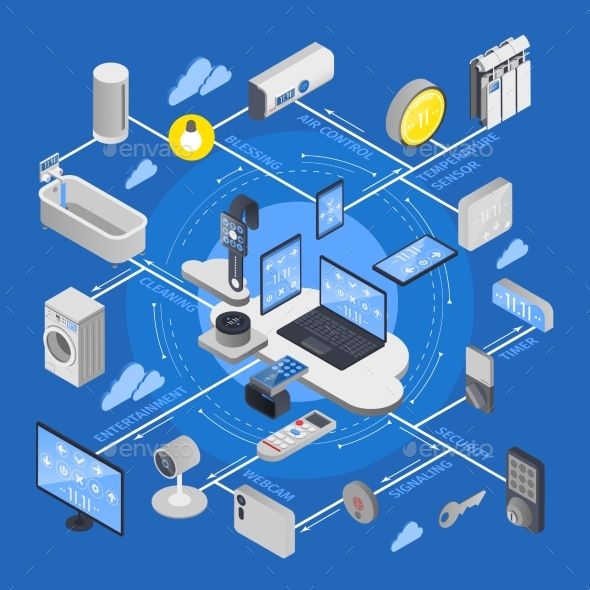
The fields of Internet of Things (IoT) and robotics are rapidly evolving, offering exciting opportunities in industries ranging from healthcare and manufacturing to smart homes and autonomous vehicles. If you’re looking to enter these innovative fields, choosing the right course is crucial for building the necessary skills. This guide will walk you through the essential topics, popular platforms, and tips for selecting the ideal IoT and robotics course for beginners.

1. Define Your Learning Goals

Before diving into an IoT and robotics course, it’s important to know your end goals:

  • Develop Smart Devices (IoT Focus): If you’re interested in creating connected devices or systems, choose a course that covers IoT architectures, protocols, and cloud integration.
  • Building Autonomous Robots (Robotics Focus): For those passionate about designing robots, look for courses that cover sensors, actuators, robotics programming, and control systems.
  • Career Advancement: If you’re already working in a technical field like electronics or software development, focus on courses that deepen your expertise in IoT and robotics applications.

2. Core Topics in a Good IoT & Robotics Course

A well-rounded course should cover key areas for both IoT and robotics:

  • IoT Fundamentals: Understanding IoT devices, protocols (like MQTT and HTTP), and communication technologies (Wi-Fi, Bluetooth, Zigbee).
  • Embedded Systems: Courses should teach the fundamentals of embedded systems, including microcontrollers (e.g., Arduino, Raspberry Pi) and sensors.
  • Programming: For robotics, programming skills are crucial. Look for courses that teach languages like Python, C++, or ROS (Robot Operating System) for robotics control and IoT integration.
  • Networking & Cloud: Understanding how IoT devices communicate over the internet and how data is sent to and from the cloud is essential. Learn about platforms like AWS IoT, Azure, and Google Cloud for managing IoT devices.
  • Robotics Engineering: Robotics courses should focus on kinematics, dynamics, control systems, path planning, and the integration of sensors for autonomous behavior.
  • Hands-On Projects: Real-world projects, such as building an IoT sensor or programming a basic robot, are vital for applying theoretical knowledge.

3. Choose Between Self-Paced and Structured Courses

  • Self-Paced: Ideal if you prefer to learn at your own speed, self-paced courses offer flexibility but require more discipline to stay on track.
  • Instructor-Led: If you prefer guidance and structure, instructor-led courses often include assignments, deadlines, and live interactions, which can keep you motivated.

4. Hands-On Experience and Project Development

Practical experience is essential for both IoT and robotics. Ensure that the course includes hands-on projects where you can apply your knowledge by building devices or robots. Developing a portfolio of these projects is crucial for showcasing your skills to future employers.

5. Certifications and Career Support

Certifications from platforms like Coursera, Udacity, and edX can add credibility to your resume. Look for programs that also offer career support, such as job placement assistance, resume reviews, and networking opportunities.

6. Balancing Cost with Value

While there are free courses available for IoT and robotics, investing in a paid program often provides more in-depth knowledge, expert mentorship, and certification. Consider your budget and the course’s potential value for your career growth.

Conclusion

Choosing the right IoT and robotics course will depend on your interests, background, and career goals. Whether you’re building smart devices, programming autonomous robots, or exploring cloud-connected systems, there’s a course out there to help you get started. Focus on practical skills, hands-on projects, and the fundamentals to build a strong foundation in these exciting fields, and you’ll be well on your way to a successful career in IoT and robotics.

Choosing the Right Machine Learning Course: A Beginner’s Guide

Machine learning (ML) is at the heart of modern technology, powering everything from recommendation engines to self-driving cars. For beginners, finding the right machine learning course can be a stepping stone to a rewarding career in tech. This guide covers essential topics, top platforms, and tips for choosing a machine learning course that aligns with your goals.

1. Define Your Machine Learning Goals

The right course depends on your specific goals:

  • Beginner Seeking ML Fundamentals: If you’re new to machine learning, start with a course that covers basics like algorithms, data processing, and model evaluation.
  • Building Practical Skills for a Job: For those aiming to work as a machine learning engineer or data scientist, focus on in-depth courses that include projects and industry applications.
  • Advancing Knowledge in a Specific Area: If you’re already familiar with ML, look for specialized courses on topics like deep learning, natural language processing, or reinforcement learning.

2. Core Topics in a Good Machine Learning Course

A comprehensive ML course should cover the following foundational topics:

  • Mathematics for Machine Learning: Linear algebra, calculus, and probability are essential for understanding ML algorithms.
  • Programming (Python and Libraries): Python is the standard for machine learning, along with libraries like NumPy, Pandas, Scikit-Learn, TensorFlow, and Keras.
  • Supervised and Unsupervised Learning: Topics such as linear regression, classification, clustering, and support vector machines are foundational concepts in ML.
  • Model Evaluation and Optimization: Courses should teach metrics like accuracy, precision, recall, and techniques like cross-validation and hyperparameter tuning.
  • Neural Networks and Deep Learning: Many ML courses introduce neural networks, especially if they cover deep learning with frameworks like TensorFlow or PyTorch.
  • Hands-On Projects: Projects in image recognition, recommendation systems, or sentiment analysis provide practical experience.

3. Top Platforms for Machine Learning Courses

  • Coursera: Offers top-rated courses like Andrew Ng’s “Machine Learning” from Stanford, as well as specializations from universities like the University of Washington.
  • Udacity: The “Machine Learning Engineer Nanodegree” is project-focused and provides mentorship, ideal for those seeking practical experience.
  • edX: Features programs from MIT, Berkeley, and IBM, with professional certificates in machine learning and AI.
  • DataCamp: A good platform for beginners with interactive courses in Python and machine learning, focusing on practical exercises.
  • Udemy: Offers affordable beginner courses with real-world projects and focuses on popular libraries like Scikit-Learn and TensorFlow.

4. Choose Between Self-Paced and Structured Courses

Self-paced courses give you flexibility and allow you to work at your own speed. This is ideal for those balancing other commitments. Structured courses with deadlines, like Udacity’s Nanodegree, provide a guided experience with regular milestones, which can be beneficial for those who prefer a more organized path.

5. Practical Projects and Portfolio Development

Hands-on experience is critical in ML, so choose a course with real-world projects. Building a portfolio that showcases your skills is valuable when applying for jobs in machine learning. Many courses provide datasets for practice and require you to implement models from scratch, enhancing your understanding and confidence.

6. Certifications and Career Support

Certifications like Coursera’s Machine Learning Specialization, Udacity’s Nanodegree, and DataCamp’s Machine Learning certifications are respected in the industry and can improve job prospects. Look for courses that also offer career services, including resume reviews, mock interviews, and portfolio guidance to prepare for the job market.

7. Balancing Cost with Value

Some beginner-friendly courses are free or low-cost, but investing in a paid course often provides additional resources, mentorship, and an industry-recognized certification that adds significant value to your resume.

Conclusion

Selecting the right machine learning course can pave the way to a successful career in this fast-growing field. Look for courses that cover the fundamentals, offer hands-on projects, and provide career support if needed. With the right guidance and dedication, you’ll develop the skills to work confidently with machine learning models and tackle real-world challenges in AI and tech.

Choosing the Right Data Science Course: A Beginner’s Guide

Data science is one of the most in-demand fields today, with applications across industries like healthcare, finance, technology, and retail. If you’re new to data science and want to learn the basics or advance your career, choosing the right data science course is essential. This guide covers the key aspects to consider when selecting a course, popular platforms, and what to expect as you begin your data science journey.

1. Identify Your Learning Goals

Before choosing a data science course, it’s essential to understand what you aim to achieve:

  • Beginner-Level Knowledge: Look for introductory courses that cover data science basics, including programming, statistics, and data analysis.
  • Transitioning to a Data Science Role: If you’re switching careers, a comprehensive course with a certificate or degree can be beneficial.
  • Upskilling for a Current Job: For professionals looking to incorporate data science into their roles, an intermediate or applied course may be suitable.

2. Core Topics in a Good Data Science Course

A strong data science course should cover fundamental topics, including:

  • Programming (Python or R): Python is widely used in data science, with libraries like Pandas, NumPy, and Scikit-Learn. Some courses also cover R for statistical analysis.
  • Statistics and Probability: An understanding of statistics is crucial in data science, including topics like probability, hypothesis testing, and descriptive statistics.
  • Data Wrangling and Cleaning: Real-world data often requires cleaning and transformation, so look for courses that teach you how to handle messy data.
  • Data Visualization: Courses should include libraries like Matplotlib, Seaborn, or Tableau for visualizing data trends.
  • Machine Learning Basics: Many data science courses introduce machine learning algorithms, including regression, classification, clustering, and neural networks.
  • Hands-On Projects: Practical projects allow you to apply what you’ve learned, which is crucial for building a portfolio.

3. Choosing Between Self-Paced and Instructor-Led Courses

Self-paced courses allow you to learn at your own speed, which is ideal for balancing learning with other commitments. Instructor-led courses provide a structured learning path with deadlines and more guidance, which can help keep you on track if you prefer a more structured environment.

4. Hands-On Practice and Building a Portfolio

Data science is a practical field, so it’s essential to choose a course that includes hands-on projects where you can work with real-world data sets. These projects are invaluable for building a portfolio to showcase your skills to potential employers.

5. Certifications and Job Readiness

Certifications can be beneficial for those starting their careers in data science. Programs like Coursera’s Professional Certificates, Udacity’s Nanodegrees, and DataCamp’s certifications are widely recognized and respected by employers. Some courses also provide career support services, including resume reviews, interview prep, and portfolio guidance.

6. Balancing Cost with Value

There are free courses available for those just starting, but paid courses often offer additional support, mentorship, and certification that can add significant value to your learning experience. Compare options based on your budget and the course’s potential benefits.

Conclusion

Choosing the right data science course is an important step toward mastering the skills needed in this growing field. Focus on courses that cover essential topics, offer practical projects, and align with your career goals. With dedication and the right resources, you’ll be well on your way to becoming a proficient data scientist, ready to tackle real-world data challenges.

Choosing the Right Artificial Intelligence Course: A Beginner’s Guide

Artificial Intelligence (AI) is transforming industries, and the demand for skilled AI professionals is skyrocketing. For beginners looking to step into this field, choosing the right AI course is essential to gaining the knowledge and skills required to thrive. This guide covers the key aspects to consider when selecting an AI course, popular options, and tips for getting started in this exciting field.

1. Define Your AI Learning Goals

Understanding your goals will help you choose a course that aligns with your career path:

  • Build a Career in AI: For those aiming to work as data scientists, AI researchers, or machine learning engineers, an in-depth course or degree is ideal.
  • Specialize in a Particular Field: AI has applications across various domains, from healthcare and finance to robotics and natural language processing. Identifying your field of interest can help you find a course that covers industry-specific applications.
  • Gain AI Skills for a Current Job: If you’re looking to incorporate AI into your current role, a beginner or intermediate course focusing on applied AI may be most beneficial.

2. Key Components of a Good AI Course

A comprehensive AI course should cover the following foundational topics:

  • Mathematics for AI: Understanding linear algebra, calculus, and statistics is essential for developing AI models.
  • Programming Skills: Python is the most common language in AI, along with libraries like NumPy, Pandas, and TensorFlow. Basic coding knowledge is usually required, so ensure the course provides sufficient programming instruction if you’re a beginner.
  • Machine Learning: Machine learning is the backbone of AI, so look for a course that covers supervised and unsupervised learning, algorithms, and model evaluation.
  • Deep Learning: Neural networks and deep learning techniques are crucial for many AI applications. Courses should cover frameworks like TensorFlow, PyTorch, or Keras.
  • Practical Projects: Hands-on projects are critical for applying theoretical knowledge. Look for courses that involve projects, such as image recognition, recommendation systems, or natural language processing tasks.

3. Top Platforms for AI Courses

  • Coursera: Offers a range of AI courses from top universities, including Stanford, MIT, and the University of Toronto. Programs like Andrew Ng’s “Machine Learning” and “AI For Everyone” are popular choices for beginners.
  • Udacity: Known for its Nanodegrees, Udacity offers an “Artificial Intelligence Nanodegree” with real-world projects and mentorship, suitable for beginners and advanced learners.
  • edX: Features AI courses from universities like Harvard and MIT, including the popular “Professional Certificate in AI” program.
  • Udemy: Udemy provides beginner-friendly courses, often at affordable prices, covering AI and machine learning fundamentals in a straightforward, hands-on format.

4. Self-Paced vs. Instructor-Led Programs

Self-paced courses allow flexibility and can be ideal if you’re balancing other commitments. Instructor-led programs, on the other hand, offer structure, deadlines, and often more guidance from experts, which can help you stay on track.

5. Hands-On Experience and Portfolio Development

AI is a practical field, so choose a course that includes projects and hands-on labs where you can work with real-world data. Building a portfolio with completed projects is invaluable for showcasing your skills to potential employers.

6. Certifications and Career Support

Certifications from reputable platforms can enhance your resume, especially if you’re new to the field. Some courses, like Udacity’s Nanodegree or Coursera’s specializations, include job readiness modules with resume support, interview prep, and portfolio guidance.

7. Cost and Value

While some AI courses are free, investing in a paid course often provides additional support, mentorship, and industry-recognized certification. Consider your learning needs and choose an option that balances affordability with value.

Conclusion

Choosing the right AI course is the first step towards a successful career in artificial intelligence. Look for a course that covers fundamental topics, offers hands-on experience, and aligns with your career goals. With the right course and dedication, you can gain the skills needed to make an impact in this transformative field.

Choosing the Right Cybersecurity Course: A Guide for Beginners

As the digital world grows, so does the need for cybersecurity professionals who can protect data, systems, and networks from threats. If you’re interested in entering this field, choosing the right cybersecurity course can set you on the path to success. This guide will help you understand the essentials of a good cybersecurity course and what to look for when making your choice.

1. Define Your Cybersecurity Career Goals

Cybersecurity offers several career paths, each requiring a different set of skills and knowledge:

  • Network Security Specialist: Focuses on protecting network infrastructure.
  • Ethical Hacker (Penetration Tester): Identifies vulnerabilities in systems by performing controlled attacks.
  • Information Security Analyst: Develops and implements security policies.
  • Security Architect: Designs security structures to prevent attacks.

Knowing your career goals can help narrow down your course options to those that align with your aspirations.

2. Core Topics in a Good Cybersecurity Course

A comprehensive cybersecurity course for beginners should include the following essential topics:

  • Fundamentals of Cybersecurity: Learn the basics of network security, cryptography, threat management, and the role of cybersecurity.
  • Network Security and Firewalls: Understanding network protocols, firewalls, and VPNs is crucial for identifying and defending against network-based attacks.
  • Ethical Hacking and Penetration Testing: Courses should cover tools like Nmap, Metasploit, and Wireshark, which are essential for testing vulnerabilities.
  • Risk Management and Compliance: Understanding regulatory frameworks like GDPR, HIPAA, and PCI-DSS is crucial, especially in roles that involve sensitive data.
  • Practical Labs and Projects: Look for courses that include virtual labs or real-world projects that allow you to apply the skills you’re learning.

3. Top Cybersecurity Courses and Platforms

  • CompTIA Security+ Certification: This is a great foundational certification that covers essential cybersecurity concepts. It’s widely recognized and respected in the industry.
  • Certified Ethical Hacker (CEH): The CEH course focuses on penetration testing and ethical hacking, ideal for those interested in a hands-on cybersecurity role.
  • Coursera: Offers specialization courses from universities like Stanford and the University of Maryland, with certificates available upon completion.
  • Udacity’s Cybersecurity Nanodegree: Includes real-world projects and mentorship, which is valuable for building practical skills.
  • Cisco’s CCNA Security: Cisco offers a certification that focuses on network security, ideal for those interested in securing network infrastructures.

4. Self-Paced vs. Structured Programs

Some courses are self-paced, allowing you to progress as your schedule allows. This is ideal for working professionals or students. Structured programs, such as the Cybersecurity Nanodegree on Udacity, provide timelines, deadlines, and more guided support.

5. Hands-On Experience and Labs

Cybersecurity is a hands-on field. Look for courses that offer virtual labs, simulated environments, or case studies to give you practical experience with real-world scenarios. Many courses partner with platforms like Cyber Range or use built-in labs, allowing you to practice in a safe, controlled environment.

6. Certifications and Job Readiness

Certifications like CompTIA Security+, Certified Ethical Hacker (CEH), and Cisco’s CCNA Security can improve your job prospects, as these are respected in the industry. Additionally, some courses offer career support, including portfolio development, mock interviews, and resume reviews to help you prepare for the job market.

7. Cost vs. Value

Cybersecurity courses can range from free tutorials to paid certification programs. While some free courses are excellent for foundational knowledge, investing in a paid course or certification can provide mentorship, industry-recognized credentials, and additional support that free resources may lack.

Conclusion

The right cybersecurity course can provide a strong foundation, practical skills, and a certification that will set you apart in a growing field. Choose a course that covers the essential topics, offers hands-on practice, and aligns with your career goals. With dedication and the right guidance, you’ll be well on your way to becoming a cybersecurity professional who can tackle modern threats with confidence.

Choosing the Right Android Development Course: A Beginner’s Guide

Android development is one of the most rewarding career paths in tech, especially as Android apps dominate the global mobile market. If you’re interested in learning how to develop Android apps, choosing the right course can be essential to mastering the skills you need to succeed. Here’s a guide to help you find the best Android development course for beginners and understand the core components you’ll need to kickstart your journey.

1. Define Your Learning Goals

Understanding what you want to achieve can help you find a course that fits your needs:

  • Build a Career as an Android Developer: Look for a course that offers an in-depth curriculum covering both basic and advanced topics.
  • Create Your Own Apps: For hobbyists or entrepreneurs, a beginner-level course with a project-based approach might be perfect.
  • Gain a Certification: Certifications can add credibility to your skills and improve job prospects.

2. Core Topics in a Good Android Development Course

A solid Android development course should cover essential skills such as:

  • Java or Kotlin Programming: Kotlin is now the preferred language for Android, but Java is also widely used.
  • Android Studio: The primary IDE for Android development, Android Studio includes all the tools needed to build, test, and debug your apps.
  • UI/UX Fundamentals: Learn to design responsive and user-friendly interfaces for various screen sizes.
  • Android APIs and Libraries: Courses should cover key Android libraries and APIs, including navigation, data storage, and third-party integrations.
  • Project-Based Learning: Look for courses that include real-world projects to build a portfolio, such as a to-do list app, weather app, or e-commerce app.

3. Popular Platforms for Learning Android Development

  • Udacity: Offers a “Kotlin for Android Developers” Nanodegree, which is endorsed by Google and includes hands-on projects.
  • Coursera: Partnered with universities like Vanderbilt, Coursera offers Android specialization courses.
  • Google Developers Training: Google’s own courses are available for free, covering both beginner and advanced levels.
  • Udemy: Features a wide range of Android courses at different levels, with options for Java and Kotlin.

4. Self-Paced vs. Structured Learning

Self-paced courses allow you to learn at your own speed, making them flexible for those balancing other commitments. Structured courses with timelines, such as Nanodegrees, can provide more accountability and help you complete your training efficiently.

5. Certification and Career Readiness

Some platforms, like Coursera and Udacity, offer certificates for completing Android development courses. These credentials can be helpful in the job market, especially if you’re starting out as a developer. Additionally, courses with job readiness modules—like portfolio building, mock interviews, and resume support—can give you an edge.

6. Cost vs. Benefits

While there are free resources for learning Android development, investing in a paid course can provide additional support, mentorship, and credentials that can accelerate your learning. Courses on Udemy, for example, are often discounted and provide lifetime access.

Conclusion

Whether you’re aiming for a career in mobile development or just want to create your own Android apps, selecting the right course can make a big difference. Focus on learning the fundamentals, choose a course with hands-on projects, and don’t be afraid to invest in resources that can help you achieve your goals. With the right guidance and dedication, you’ll be on your way to becoming a proficient Android developer.

Choosing the Right Web Development Course: A Beginner’s Guide

In the digital era, web development is one of the most in-demand skills. Whether you’re eyeing a career as a front-end developer, back-end specialist, or full-stack web developer, a structured course can accelerate your learning journey and help you build the technical expertise needed for real-world projects. Here’s what you need to know when choosing the right web development course and the core components to look out for in a good program.

1. Define Your Web Development Path

Web development is vast, covering different areas such as:

  • Front-End Development: This focuses on the visual elements of a website – what users see and interact with. Core skills include HTML, CSS, and JavaScript.
  • Back-End Development: This involves the server, database, and application logic that makes a website function. It includes languages and tools like Python, Node.js, SQL, and databases such as MySQL or MongoDB.
  • Full-Stack Development: Full-stack developers handle both front-end and back-end tasks. These courses cover a wider range of topics and tools.

Knowing what interests you can narrow down your course choices and lead to a more focused learning experience.

2. Key Components of a Good Web Development Course

a. Comprehensive Curriculum
Ensure the course includes all essential web development skills, such as:

  • HTML, CSS, JavaScript, and an introduction to libraries like React or frameworks like Angular for front-end development.
  • Backend programming (Node.js, Python, or PHP) and working with databases.
  • Deployment techniques and version control with Git/GitHub.

b. Hands-On Projects
Choose a course that includes practical projects. Projects help you apply what you’ve learned, allowing you to build a portfolio and gain experience working on real-world applications.

c. Responsive Design and Accessibility
With mobile usage on the rise, learning to design websites that adapt to different screen sizes and accessibility needs is crucial.

d. Networking and Community Support
Look for courses with interactive forums, mentorship, or communities. Many online courses offer forums where you can get help from instructors or network with peers.

3. Top Platforms for Learning Web Development

  • Udemy: Offers beginner to advanced courses, often with lifetime access to materials. Some popular courses include “The Web Developer Bootcamp” and “Modern HTML & CSS.”
  • freeCodeCamp: Provides a free, project-oriented curriculum, covering front-end and back-end development.
  • Coursera: Partnered with universities, Coursera offers certificates and even specialization programs.
  • Codecademy: Interactive courses, ideal for beginners, covering front-end and back-end essentials.

4. Time Commitment and Learning Pace

Choose a course that fits your schedule and learning style. Some courses are self-paced, allowing you to take your time, while others have structured timelines that help you complete your learning in a set period.

5. Certifications and Job Readiness

Look for courses that offer certifications, which can be useful for building credibility when applying for jobs. Job-readiness components like portfolio development, interview preparation, and resume support can also be extremely beneficial.

6. Cost vs. Value

Web development courses range from free to hundreds or thousands of dollars. Some free options, like freeCodeCamp, offer excellent education, while paid courses on platforms like Udemy and Coursera may provide more extensive support and certificates.

Final Thoughts

Choosing the right web development course depends on your career goals, preferred learning style, and the skills you need to develop. With the right resources and dedication, anyone can learn to create and manage web applications that are both functional and visually engaging.

Form submitted! Our team will reach out to you soon.
0
    0
    Your Cart
    Your cart is emptyReturn to Course