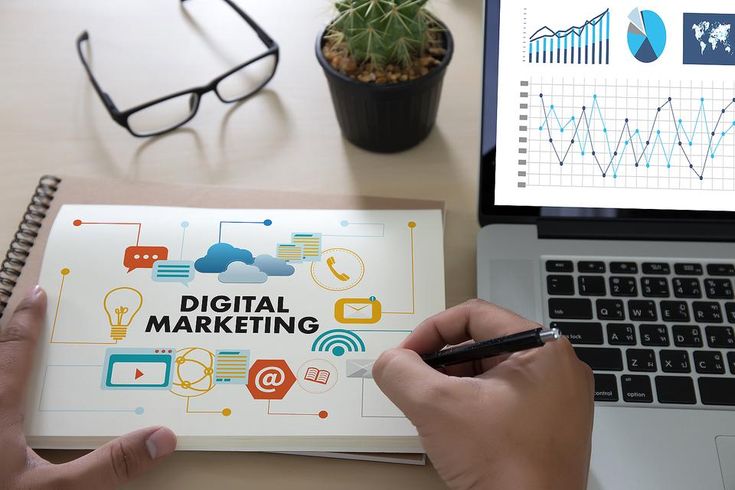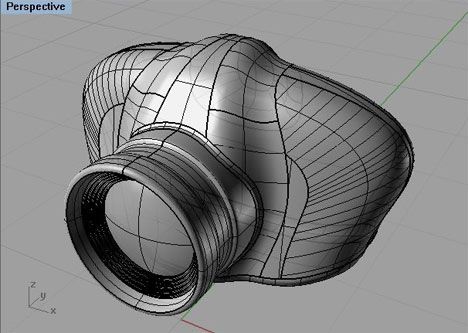
Why Should Small Businesses Use Digital Marketing?

In today’s fast-paced digital world, having a strong online presence isn’t just an option—it’s a necessity. For small businesses, digital marketing has become one of the most powerful and cost-effective ways to reach new customers, build brand awareness, and compete with larger companies. Whether you run a local store, a startup, or a service-based business, digital marketing can open doors to endless growth opportunities.

Here’s a closer look at why small businesses should use digital marketing and how it can transform their success.


1. It’s Cost-Effective Compared to Traditional Marketing

One of the biggest challenges for small businesses is limited budgets. Traditional marketing methods like TV ads, billboards, or print media can be expensive and may not always target the right audience.
Digital marketing, on the other hand, offers affordable and measurable options such as:

  • Social media advertising

  • Search engine optimization (SEO)

  • Email marketing

  • Pay-per-click (PPC) campaigns

With proper targeting and strategy, small businesses can get better returns on investment (ROI) without overspending.


2. It Helps Reach a Wider Audience

Digital marketing breaks down geographical barriers, allowing small businesses to reach customers beyond their local area. Through social media platforms, websites, and search engines, you can connect with potential buyers anywhere in the world.

Even for local businesses, tools like Google My Business help attract nearby customers searching for your services online.


3. You Can Target the Right Audience

Unlike traditional marketing, digital marketing lets you focus on specific customer segments. Whether you want to target based on age, location, interests, or online behavior, platforms like Facebook Ads and Google Ads allow precise audience targeting.

This ensures your marketing budget is spent on people who are more likely to become your customers.


4. It Builds Brand Awareness and Credibility

A strong digital presence builds trust and credibility. When people see your business on social media, Google, and online reviews, they perceive it as more reliable.
Some effective strategies include:

  • Maintaining active social media profiles

  • Collecting positive customer reviews

  • Publishing high-quality blog content

  • Ensuring your website looks professional and user-friendly

These efforts help your business appear more established and trustworthy—even if you’re just starting out.


5. You Can Compete with Larger Businesses

Digital marketing levels the playing field for small businesses. Even without huge budgets, small brands can compete effectively through creativity, targeted campaigns, and personalized communication.
For example, a well-optimized website or viral social media post can help a small business outperform larger competitors in online visibility and engagement.


6. It Provides Measurable Results

Traditional marketing often lacks clear performance data. With digital marketing, you can easily track and measure everything — from website traffic and click-through rates to conversions and sales.
Tools like Google Analytics and Facebook Insights give real-time performance data so you can adjust your strategies for better outcomes.


7. It Improves Customer Engagement

Digital marketing allows businesses to directly communicate with customers through social media, chatbots, and email newsletters. This creates opportunities for feedback, relationship building, and personalized service.
Active engagement leads to customer loyalty and word-of-mouth referrals, both vital for small business growth.


8. It Boosts Sales Through Online Presence

With more people shopping and searching online, having a digital presence directly impacts sales. A combination of SEO, content marketing, and social media advertising can drive visitors to your website or store.
Moreover, online platforms provide customers with convenient access to your products or services anytime, anywhere.


9. It Helps You Stay Competitive and Relevant

In a world where customers rely heavily on the internet to make buying decisions, not being online can put your business at a disadvantage. Digital marketing ensures your small business stays visible, relevant, and adaptable to changing market trends.


Conclusion

Digital marketing is no longer just a trend—it’s a vital strategy for small business growth and survival. From attracting new customers to retaining existing ones, it provides countless ways to strengthen your brand and increase profitability.

What Are the Specialized AutoCAD Drafting Services?

AutoCAD has become an indispensable tool in the fields of engineering, architecture, manufacturing, and design. It allows professionals to create detailed and precise digital drawings that form the foundation of construction, product design, and infrastructure projects. Over the years, AutoCAD services have evolved into various specialized drafting solutions tailored to specific industries and needs.

In this blog, we’ll explore the specialized AutoCAD drafting services that businesses and professionals rely on for accuracy, efficiency, and innovation.


1. Architectural Drafting Services

Architectural drafting is one of the most common and essential AutoCAD services. It involves creating detailed 2D and 3D drawings of buildings, interiors, and landscapes.
Key services include:

  • Floor plans and elevations

  • Sectional views and site plans

  • Construction documentation

  • Interior and exterior detailing

These drawings help architects and builders visualize projects before construction, ensuring better planning and design accuracy.


2. Mechanical Drafting Services

Mechanical AutoCAD drafting focuses on the design and detailing of mechanical components and systems. Engineers and manufacturers use these drawings to ensure precision and functionality in products.
Core services include:

  • Assembly and part drawings

  • Machine and equipment design

  • Fabrication and manufacturing drawings

  • GD&T (Geometric Dimensioning and Tolerancing) documentation

This service is essential for product design, machinery manufacturing, and industrial equipment development.


3. Electrical Drafting Services

Electrical drafting services are used to create detailed diagrams and layouts for electrical systems. AutoCAD Electrical, a specialized version of AutoCAD, is often used for these tasks.
Common services include:

  • Circuit and wiring diagrams

  • Control panel layouts

  • Power distribution drawings

  • Lighting and communication system plans

These drawings ensure safe and efficient electrical installation and maintenance for commercial, residential, and industrial projects.


4. Civil Drafting Services

Civil drafting is vital for infrastructure development projects such as roads, bridges, and drainage systems. Civil engineers use AutoCAD Civil 3D and related tools to produce accurate, data-driven designs.
Key services include:

  • Site layout and grading plans

  • Road and highway design

  • Drainage and sewage layouts

  • Land development and survey drawings

These services enable precise land planning and infrastructure execution.


5. Structural Drafting Services

Structural drafting services provide detailed drawings of load-bearing elements for buildings and other structures. These are crucial for ensuring safety and stability.
Typical services include:

  • Structural steel and reinforcement drawings

  • Foundation and framing plans

  • Column and beam detailing

  • Precast and fabrication shop drawings

These drafts guide structural engineers and construction teams in building durable and safe structures.


6. HVAC and MEP Drafting Services

HVAC (Heating, Ventilation, and Air Conditioning) and MEP (Mechanical, Electrical, and Plumbing) drafting are specialized AutoCAD services that focus on building systems integration.
Major services include:

  • Duct and pipe layout design

  • HVAC load calculations and coordination drawings

  • Plumbing schematics

  • Equipment layout and coordination with other services

Such detailed designs help improve energy efficiency and system performance in modern buildings.


7. 3D Modeling and Rendering Services

While traditional drafting focuses on 2D drawings, 3D modeling and rendering offer realistic visualizations of designs. AutoCAD’s 3D capabilities allow for:

  • Parametric modeling

  • Conceptual and detailed 3D models

  • Photorealistic rendering

  • Walkthrough animations

These services are widely used in architecture, product design, and industrial visualization to communicate ideas clearly and impress clients.


8. CAD Conversion and Digitization Services

Many businesses still rely on old paper-based drawings. CAD conversion services transform these into accurate, editable digital formats.
Common conversions include:

  • PDF to DWG conversion

  • Hand sketches to AutoCAD drawings

  • Raster to vector conversion

This service ensures that legacy drawings are preserved, easily editable, and compatible with modern design workflows.


9. As-Built and Redline Drafting Services

As-built drawings represent the final specifications of a completed project, reflecting any modifications made during construction.
These services include:

  • Site verification and measurement updates

  • Redline markups and corrections

  • Final project documentation

They are essential for maintenance, renovation, and future project planning.


10. Landscape and Urban Design Drafting Services

AutoCAD is also used in landscaping and urban planning projects to create environmentally friendly and aesthetically pleasing spaces.
Typical services include:

  • Landscape layout and planting plans

  • Topographic mapping

  • Urban road and zoning plans

These services support architects and planners in designing sustainable and well-organized outdoor environments.


Conclusion

AutoCAD drafting services have become highly specialized to meet the diverse needs of industries like construction, manufacturing, and infrastructure. From architectural blueprints to electrical schematics and 3D models, each service enhances precision, communication, and project efficiency.

What Are the Fundamental Books to Understand Hybrid Electric Vehicle Technology?

As the world shifts toward sustainable mobility, hybrid electric vehicles (HEVs) are becoming the bridge between traditional internal combustion engines and fully electric vehicles. If you want to dive deep into how these vehicles work — from powertrains to energy management — there are several essential books that can help you grasp the fundamentals of HEV technology. Whether you’re an engineering student, an automotive enthusiast, or a professional looking to upskill, here’s a guide to the best books to understand hybrid electric vehicle technology.


1. “Hybrid Electric Vehicles: Principles and Applications with Practical Perspectives” by Chris Mi, M. Abul Masrur, and David Wenzhong Gao

This is one of the most popular and widely recommended textbooks on HEVs. It provides a detailed understanding of:

  • Powertrain configurations and design

  • Electric motor technologies

  • Battery management systems

  • Control strategies for hybrid powertrains

The book balances theory and practical applications, making it perfect for students and engineers alike. It also includes case studies and MATLAB/Simulink examples for hands-on learning.


2. “Modern Electric, Hybrid Electric, and Fuel Cell Vehicles: Fundamentals, Theory, and Design” by Mehrdad Ehsani, Yimin Gao, and Ali Emadi

Often considered the “bible” of hybrid and electric vehicle engineering, this book covers the fundamental theories and system-level design aspects of modern electric and hybrid vehicles.
Key highlights include:

  • Comprehensive explanations of electric drive systems

  • In-depth analysis of fuel cell systems

  • Modeling, simulation, and optimization of hybrid powertrains

This book is ideal for graduate-level students and professionals involved in automotive R&D.


3. “Electric and Hybrid Vehicles: Technologies, Modeling and Control – A Mechatronic Approach” by Amir Khajepour, M. Saber Fallah, and Avesta Goodarzi

This book focuses on the mechatronic perspective of hybrid vehicles — integrating mechanical, electrical, and control systems. It covers:

  • Vehicle dynamics

  • Energy management systems

  • Control algorithms for electric and hybrid systems

It’s an excellent choice for those who want to understand how mechanical and control systems interact within a hybrid vehicle.


4. “Fundamentals of Electric Drives” by G. K. Dubey

Although not exclusively focused on hybrid vehicles, this book is invaluable for understanding the core of electric propulsion — the electric drive.
Topics include:

  • DC and AC motor drives

  • Control of motor speed and torque

  • Power electronics fundamentals

Anyone interested in the engineering mechanics of electric motors used in HEVs should start here before moving to advanced vehicle design books.


5. “Automotive Powertrain Science and Technology” by Fredrik Westin and Lars Eriksson

This book explains powertrain design, modeling, and optimization, including hybrid systems. It offers insights into:

  • Internal combustion engine performance

  • Hybridization strategies

  • Energy flow management

It’s especially useful for understanding how traditional automotive engineering merges with modern hybrid technologies.


6. “Advanced Hybrid Powertrains for Automotive Applications” by John M. Miller

This book delves into advanced topics in hybrid powertrain systems, including:

  • Electric traction system architecture

  • Hybrid transmission design

  • Energy storage integration

It’s perfect for engineers who already understand the basics and want to explore cutting-edge hybrid systems.


7. “Battery Management Systems for Large Lithium-Ion Battery Packs” by Davide Andrea

Since batteries are the heart of every HEV, this book focuses on battery management systems (BMS) — the critical component ensuring safety, efficiency, and longevity of lithium-ion batteries.
It covers:

  • Battery chemistry basics

  • Charging and discharging control

  • Thermal management systems

For anyone focusing on energy storage in hybrid or electric vehicles, this is a must-read.


Conclusion

Understanding hybrid electric vehicle technology requires mastering multiple disciplines — mechanical, electrical, and control engineering. The books listed above provide a step-by-step roadmap from fundamentals to advanced concepts, helping you gain both theoretical knowledge and practical insights.

Is the Bank DSA Business Profitable?

In recent years, the Direct Selling Agent (DSA) business has gained immense popularity in the banking and finance sector. Many individuals and entrepreneurs are exploring this opportunity as a side hustle or even a full-time venture. But the real question is — is the bank DSA business actually profitable?

Let’s dive into how the DSA model works, its profit potential, and what factors determine success in this business.


What Is a Bank DSA?

A Bank DSA (Direct Selling Agent) is an individual or organization that works as a bridge between banks and potential customers. Their main role is to source loan applicants for financial products such as:

  • Personal loans

  • Home loans

  • Business loans

  • Credit cards

  • Car loans

In return, DSAs earn a commission from the bank or NBFC (Non-Banking Financial Company) for every successful loan disbursal or product sale.


How Does a DSA Earn Money?

The earning model for a DSA is performance-based. The more leads you generate and convert into actual loan disbursements, the higher your income.
For instance:

  • A home loan might earn you a 0.5%–1% commission on the loan amount.

  • A personal loan could bring 1%–2% commission.

  • Credit cards and business loans might have higher incentive rates.

So, if you help a client get a ₹20 lakh home loan and your commission is 1%, you make ₹20,000 from that single deal. Multiply that by several successful leads, and the profits start to add up quickly.


Why the Bank DSA Business Is Profitable

Here are some key reasons why many people find success in this field:

1. Low Investment, High Returns

You don’t need a large investment to start as a DSA. All you need is registration with a bank or NBFC, a basic understanding of financial products, and good networking skills. This low-entry barrier makes it a lucrative option for newcomers.

2. Growing Loan Demand

India’s expanding economy has increased the demand for loans — from housing and education to personal and business loans. As people’s financial needs grow, DSAs play a vital role in connecting them to the right financial institutions.

3. Passive and Scalable Income

Once you build a solid client base and establish relationships with multiple banks, your income can grow consistently. You can also hire sub-agents to expand your reach and earn passive income through their efforts.

4. Flexibility and Independence

Unlike a regular job, being a DSA gives you flexibility in time and work approach. You can operate independently, work from anywhere, and scale your business at your own pace.

5. Networking Opportunities

As a DSA, you interact with customers, financial institutions, and other agents. This builds strong professional connections, opening doors to additional business opportunities in finance and real estate sectors.


Challenges in the DSA Business

While the DSA business is profitable, it does come with challenges that affect your earnings:

  • High Competition: Many individuals are entering this field, so building trust and offering better service is crucial.

  • Regulatory Compliance: You must follow KYC, data privacy, and banking regulations strictly to avoid penalties.

  • Irregular Income: Your earnings depend on sales performance; slow months can lead to fluctuating income.

  • Customer Trust Issues: Since you represent banks, maintaining professionalism and credibility is vital to succeed long-term.


Tips to Succeed as a Bank DSA

To make your DSA business profitable and sustainable:

  • Partner with multiple banks and NBFCs to offer a variety of products.

  • Build strong relationships with clients through honest and transparent dealings.

  • Use digital marketing to generate leads online.

  • Stay updated on new financial products and policies.

  • Focus on customer satisfaction — happy clients lead to repeat business and referrals.


Conclusion

Yes, the bank DSA business is profitable, especially for those who are persistent, customer-focused, and willing to build strong networks. With minimal investment and growing demand for loans, it can provide excellent income opportunities. However, success doesn’t happen overnight — consistent effort, good communication, and market knowledge are key to thriving in this field.

What Are the Disadvantages of Embedded Systems?

Embedded systems are the backbone of modern technology — from smartphones and washing machines to medical devices and industrial robots. They are designed to perform dedicated functions efficiently and reliably. However, while embedded systems offer numerous advantages such as speed, compactness, and low power consumption, they also come with certain drawbacks. Understanding these disadvantages is crucial for engineers, businesses, and students exploring this field.

Let’s take a closer look at the major disadvantages of embedded systems.


1. Limited Flexibility

Embedded systems are built for specific tasks, which means they cannot be easily modified or upgraded once deployed. For example, a washing machine’s control system cannot be reprogrammed to handle new types of washing cycles without changing the hardware or firmware.
This lack of flexibility makes embedded systems less adaptable to evolving user needs or technological changes.


2. Difficult to Upgrade or Repair

Since embedded systems are often built into larger machines, upgrading or repairing them can be challenging. If a small component fails, the entire system may need replacement.
Moreover, manufacturers may stop providing software updates or spare parts after a few years, leaving devices outdated or non-functional.


3. High Development Costs

Designing and developing an embedded system requires specialized hardware, software, and expertise.
The process involves microcontroller programming, hardware design, and testing — all of which demand skilled engineers and advanced tools.
For small businesses or startups, these costs can be significant, especially if the system needs to meet strict reliability or safety standards.


4. Limited Memory and Processing Power

Unlike general-purpose computers, embedded systems have limited memory and processing capabilities. They are designed to perform a narrow set of functions efficiently, not handle multiple complex tasks.
This constraint can make it difficult to add new features, run intensive algorithms, or process large amounts of data.


5. Security Risks

Many embedded systems lack robust security features due to hardware limitations or cost constraints.
As a result, they can be vulnerable to hacking, malware, or unauthorized access — particularly in IoT (Internet of Things) devices that connect to networks.
A security breach in an embedded system can lead to serious consequences, from data theft to safety hazards.


6. Hard to Debug and Test

Debugging embedded systems is often more difficult than debugging standard software.
Because the hardware and software are tightly integrated, identifying and fixing errors requires special tools and in-depth technical knowledge.
Testing can also be time-consuming, especially when real-time performance and reliability are critical.


7. Shorter Product Lifespan

As technology advances rapidly, embedded systems can quickly become obsolete.
Once newer processors or communication standards appear, older systems may no longer be compatible or efficient.
This short lifecycle forces manufacturers to redesign and replace systems frequently, which can increase costs.


8. Dependency on the Manufacturer

Many embedded systems depend on proprietary hardware or software from specific vendors.
If the manufacturer discontinues support or goes out of business, users may face difficulties in obtaining updates, spare parts, or maintenance services.


Conclusion

While embedded systems are essential for modern life and offer exceptional performance for dedicated tasks, they do have clear limitations. Their rigidity, high development cost, limited upgrade options, and security challenges make them less ideal for applications that require flexibility and long-term scalability.

How Is Cloud Computing Profitable?

In today’s digital era, cloud computing has transformed from a technological innovation into a major driver of profitability for businesses worldwide. Whether it’s a startup or a multinational corporation, organizations are leveraging the cloud to cut costs, boost productivity, and achieve scalability like never before. But how exactly does cloud computing turn into profit? Let’s explore.


1. Reduced Infrastructure Costs

One of the most immediate financial benefits of cloud computing is the drastic reduction in infrastructure expenses. Traditionally, businesses had to invest heavily in physical servers, storage devices, and IT maintenance. With cloud computing, all these resources are provided by cloud service providers (like AWS, Google Cloud, or Microsoft Azure), which means you pay only for what you use.
This pay-as-you-go model eliminates the need for costly hardware purchases and maintenance, leading to significant savings.


2. Scalability Without Extra Investment

Cloud platforms allow businesses to scale their operations up or down based on demand. For example, during high-traffic seasons, companies can easily increase their computing resources, and when demand drops, they can scale back.
This flexibility prevents overspending and ensures that resources are always aligned with actual business needs — making operations both efficient and profitable.


3. Increased Productivity and Collaboration

Cloud computing improves collaboration and efficiency. Employees can access files and applications from anywhere in the world, enabling seamless teamwork.
With tools like Google Workspace, Microsoft 365, and Slack running on the cloud, teams can work in real-time without delays or the need for complex IT setups.
Faster collaboration means quicker project delivery and improved business outcomes, ultimately boosting profitability.


4. Reduced Downtime and Better Performance

Cloud service providers guarantee high uptime and reliability. Businesses using cloud-based systems experience fewer outages, ensuring continuous operation.
With features like data backup, disaster recovery, and automatic updates, companies can maintain smooth workflows and reduce losses from downtime — directly translating to financial gain.


5. Improved Data Management and Insights

Data is a valuable asset for any business. Cloud platforms offer powerful analytics and AI-driven tools that help organizations make smarter, data-backed decisions.
By analyzing data stored in the cloud, companies can identify customer trends, optimize processes, and develop new products — all of which contribute to long-term profitability.


6. Lower Energy and Maintenance Costs

Running on-premises data centers consumes vast amounts of electricity and requires regular maintenance. Cloud computing minimizes these costs since the provider handles all the infrastructure and energy efficiency optimizations.
This not only reduces expenses but also helps businesses move toward sustainable, eco-friendly operations — which can attract more customers and investors.


7. Competitive Advantage

Cloud technology gives small and medium-sized enterprises (SMEs) access to tools and infrastructure previously affordable only to large corporations.
By leveling the playing field, cloud computing allows even smaller companies to innovate rapidly, reach global markets, and compete effectively — driving growth and profit.


Conclusion

Cloud computing isn’t just a technological upgrade — it’s a strategic investment that enhances efficiency, reduces costs, and opens new avenues for innovation. By cutting infrastructure expenses, enabling scalability, and fostering smarter data-driven decisions, it turns IT operations into a profit center rather than a cost burden.

Are Robotics Engineers in High Demand?

In today’s fast-paced technological world, robots are no longer science fiction — they’re a part of everyday life. From automated manufacturing lines to healthcare assistants and delivery drones, robotics is shaping industries across the globe. But what about the people who design, build, and program these machines? Are robotics engineers in high demand? Let’s dive in.


The Rising Need for Robotics Engineers

Robotics engineers are professionals who combine mechanical engineering, electrical engineering, computer science, and artificial intelligence to create machines that can perform tasks autonomously or semi-autonomously.

Their demand is growing rapidly due to:

  1. Automation in Manufacturing
    Factories increasingly rely on robots for tasks like assembly, welding, and packaging. Robotics engineers are needed to design, maintain, and improve these systems.

  2. Healthcare Innovations
    From surgical robots to rehabilitation devices, robotics is transforming healthcare. Engineers skilled in robotics and AI are in demand to develop safe and efficient medical robots.

  3. Logistics and Delivery
    Companies like Amazon and FedEx are exploring drones and autonomous delivery vehicles. Robotics engineers are key to building reliable, scalable systems for logistics.

  4. AI and Machine Learning Integration
    As robots become “smarter,” engineers with AI and robotics expertise are essential to integrate vision systems, object recognition, and decision-making algorithms.


Global Job Market Trends

  • High Demand Across Industries: Robotics engineers are sought after not just in tech companies, but also in defense, agriculture, automotive, and space exploration.

  • Geographic Hotspots: Countries like the US, Germany, Japan, South Korea, and India are major hubs for robotics innovation, offering abundant career opportunities.

  • Career Growth: According to global reports, the robotics industry is expected to grow significantly, with millions of new jobs created in automation and AI-driven fields over the next decade.


Skills That Make Robotics Engineers Valuable

Employers look for professionals who can bring together multiple disciplines. Key skills include:

  • Proficiency in mechanical design and CAD tools.

  • Knowledge of electrical systems and microcontrollers.

  • Expertise in programming languages like Python, C++, and ROS.

  • Experience with AI, computer vision, and machine learning.

  • Strong problem-solving and teamwork skills.


The Future of Robotics Engineering Careers

With industries racing to automate processes and integrate intelligent machines, the role of robotics engineers will only expand. Whether it’s self-driving cars, smart agriculture, or humanoid robots, the demand for skilled professionals is set to remain high for years to come.


Final Thoughts

Yes, robotics engineers are in high demand — and the trend is only growing. As automation and AI reshape industries, robotics engineers will stand at the forefront, designing the intelligent machines that define the future.

What Type of Engineer Makes the Drone?

Drones have quickly evolved from being military tools to everyday gadgets used in photography, agriculture, logistics, and even disaster relief. But have you ever wondered what type of engineer is behind the design and development of drones? Building a drone requires expertise from multiple engineering disciplines, each contributing to different aspects of its creation.


1. Aerospace Engineers

Aerospace engineers play a central role in drone development. They focus on:

  • Aerodynamics: Designing the drone’s structure to ensure it can fly smoothly and efficiently.

  • Flight Systems: Working on navigation, stability, and flight mechanics.

  • Material Selection: Choosing lightweight yet durable materials for the drone’s body.


2. Mechanical Engineers

Mechanical engineers handle the mechanical design and moving parts of the drone. Their work includes:

  • Designing the propellers, motors, and gear systems.

  • Ensuring proper heat dissipation so the drone doesn’t overheat.

  • Working on durability to handle stress, vibrations, and crashes.


3. Electrical and Electronics Engineers

Every drone relies on electrical systems to function. These engineers are responsible for:

  • Designing power systems, including batteries and energy efficiency.

  • Creating control circuits that power motors and sensors.

  • Developing communication systems between the drone and its controller.


4. Computer and Software Engineers

Today’s drones are “smart,” thanks to their software. Computer engineers handle:

  • Autonomous Navigation: Programming drones to avoid obstacles and follow flight paths.

  • AI Integration: Enabling drones to recognize objects, track movements, and process real-time data.

  • Control Apps: Designing mobile and desktop software for pilots to control drones.


 Drone Engineering 

Since drones are essentially flying robots, robotics engineers contribute to:

  • Integrating sensors like GPS, cameras, and LiDAR.

  • Enhancing motion control for precise flying.

  • Developing algorithms for autonomous or semi-autonomous flight.


6. Systems Engineers

Systems engineers ensure that all the drone’s components — mechanical, electrical, and software — work seamlessly together. They coordinate different teams and oversee the full product lifecycle, from design to testing.


Final Thoughts

So, what type of engineer makes the drone? The answer is not just one, but a collaboration of aerospace, mechanical, electrical, computer, robotics, and systems engineers. Each brings specialized knowledge to create drones that are not only capable of flying but also smart, efficient, and reliable.

Why Is Augmented Reality Often Used Interchangeably with Virtual Reality?

In the fast-evolving world of technology, two terms often spark curiosity and confusion alike: Augmented Reality (AR) and Virtual Reality (VR). While both create immersive digital experiences, they are sometimes used interchangeably — and for good reason. But are they really the same? Let’s break it down.


Understanding AR and VR

  • Augmented Reality (AR) adds digital elements to the real-world environment. Think of Snapchat filters, Pokémon Go, or IKEA’s app that lets you place virtual furniture in your living room. You can still see your surroundings, but they’re “augmented” with virtual content.

  • Virtual Reality (VR), on the other hand, replaces your environment entirely. With VR headsets like Oculus Quest or PlayStation VR, you’re transported into a simulated world, where everything you see and interact with is computer-generated.


Why People Confuse AR and VR

  1. Shared Goal: Immersive Experiences
    Both AR and VR aim to blur the line between the physical and digital worlds. They engage the senses, offer interactivity, and create experiences that feel real. This overlap in purpose often causes people to use the terms interchangeably.

  2. Common Applications
    Industries like gaming, education, healthcare, and retail use both AR and VR to solve similar problems — from training simulations to product visualization. To the average user, whether it’s AR or VR might not matter as much as the immersive experience itself.

  3. Marketing and Media Buzz
    Tech companies often market AR and VR under the same umbrella of “immersive technologies” or “extended reality (XR).” This creates a perception that AR and VR are just different flavors of the same technology.

  4. Converging Technology
    With the rise of Mixed Reality (MR) and XR, the line between AR and VR continues to blur. Devices are now being developed to handle both experiences, making the distinction even less clear to everyday users.


Key Differences That Matter

Despite the confusion, AR and VR serve different purposes:

  • AR enhances reality, while VR replaces it.

  • AR requires minimal hardware (just a smartphone), whereas VR often requires specialized headsets.

  • AR is more common in day-to-day applications like shopping and navigation, while VR is dominant in entertainment, training, and simulations.


Final Thoughts

It’s understandable why people often use AR and VR interchangeably — both technologies reshape how we experience the world and digital content. However, knowing their differences is key to understanding their unique strengths. AR brings the digital into your real environment, while VR transports you into an entirely new one.

As technology advances, AR, VR, and even MR may merge into seamless experiences, making the debate less about “which is which” and more about how these immersive tools can enhance our lives.

What Qualities Should a Fashion Designer Develop?

Fashion design is more than just sketching clothes or picking fabrics—it’s about creativity, innovation, and bringing ideas to life in a way that influences how people express themselves. To succeed in this competitive and fast-changing industry, a fashion designer needs more than talent; they must develop key qualities that set them apart.

So, what qualities should a fashion designer cultivate to thrive in this career? Let’s explore.


1. Creativity and Imagination

At its core, fashion design is a creative art. Designers must be able to think outside the box and imagine unique concepts that resonate with people. Creativity allows you to set trends rather than follow them.

Why it matters:

  • Helps you innovate and design standout collections.

  • Keeps your work fresh and relevant.

  • Inspires confidence in your vision as a designer.


2. Strong Sense of Aesthetics

Fashion is about balance, proportion, and style. Having an eye for color, fabric textures, patterns, and silhouettes is crucial to creating visually appealing designs.

Why it matters:

  • Ensures your creations are both beautiful and wearable.

  • Helps you maintain brand identity.

  • Builds trust with clients who rely on your taste.


3. Attention to Detail

From stitching and fabric choice to the smallest embellishments, details can make or break a design. Successful fashion designers are perfectionists when it comes to precision.

Why it matters:

  • Ensures high-quality finished garments.

  • Sets your designs apart from competitors.

  • Reduces errors in production.


4. Technical Skills

A great fashion designer not only envisions ideas but also understands how to bring them to life. Knowledge of sewing, draping, pattern-making, and computer-aided design (CAD) is essential.

Why it matters:

  • Helps you translate sketches into actual garments.

  • Improves communication with tailors and manufacturers.

  • Makes your work more practical and efficient.


5. Trend Awareness and Market Understanding

Fashion is dynamic—what’s popular today may not be tomorrow. A designer must keep up with trends while also understanding customer needs and preferences.

Why it matters:

  • Keeps your work relevant and in demand.

  • Allows you to anticipate shifts in fashion.

  • Helps you balance creativity with marketability.


6. Good Communication and Collaboration

Fashion design often involves working with stylists, photographers, marketers, and production teams. Strong communication ensures your ideas are understood and executed correctly.

Why it matters:

  • Builds strong relationships in the industry.

  • Ensures smooth teamwork during projects.

  • Helps in presenting and selling your designs.


7. Perseverance and Adaptability

The fashion world is competitive, fast-paced, and full of challenges. Designers must handle criticism, rejections, and last-minute changes with resilience.

Why it matters:

  • Keeps you motivated despite setbacks.

  • Helps you adapt to new trends and technologies.

  • Builds a long-term career in fashion.


8. Business Sense

Fashion design is not just an art—it’s also a business. Understanding branding, marketing, and budgeting can help you grow beyond design into a successful fashion entrepreneur.

Why it matters:

  • Helps you run your own label.

  • Ensures your designs are profitable.

  • Strengthens your decision-making in the industry.


Final Thoughts

A successful fashion designer blends creativity with discipline, vision with practicality, and art with business. By developing qualities like imagination, attention to detail, technical skills, and perseverance, you can stand out in the fashion industry and build a lasting career.

Form submitted! Our team will reach out to you soon.
0
    0
    Your Cart
    Your cart is emptyReturn to Course