
Which Is More Useful for a Mechanical Engineer, IoT or Robotics?

In the ever-evolving world of engineering, mechanical engineers are no longer confined to gears, shafts, and machines alone. The rise of digital technologies like the Internet of Things (IoT) and Robotics has opened new frontiers where mechanical engineering meets electronics, software, and data science. But when it comes to career growth and real-world application, many mechanical engineers wonder—Which is more useful: IoT or Robotics?

Let’s break it down.


1. Understanding IoT and Robotics

Internet of Things (IoT):
IoT refers to a network of physical devices connected through the internet, capable of collecting and exchanging data. In mechanical engineering, IoT is widely used for predictive maintenance, smart manufacturing, and real-time monitoring of machines.

Robotics:
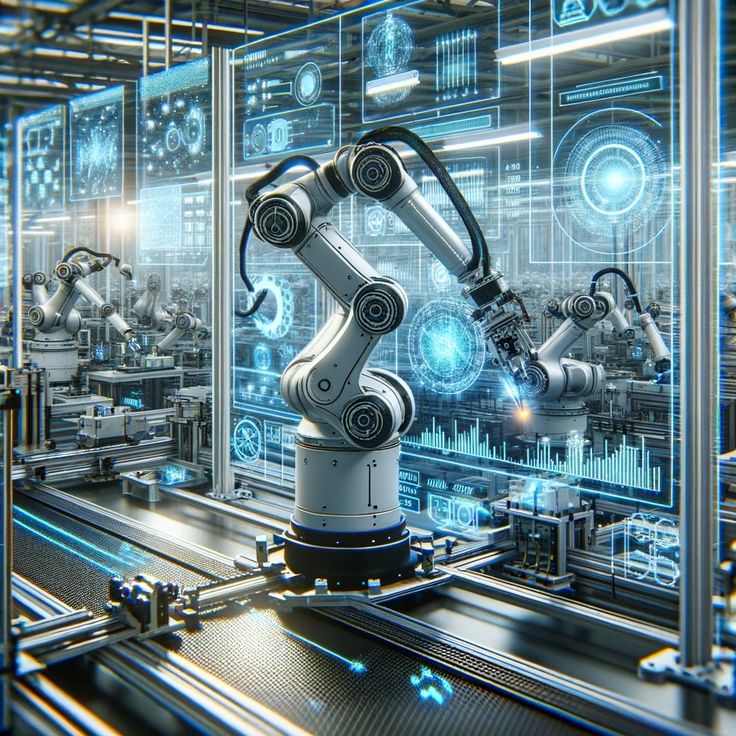
Robotics involves the design, construction, and operation of robots. For mechanical engineers, this includes working on mechanical design, motion systems, and integrating robotics into manufacturing, automation, and industrial processes.


2. IoT in Mechanical Engineering

Mechanical engineers working with IoT can:

  • Implement smart sensors for real-time equipment monitoring.

  • Use predictive maintenance systems to reduce downtime.

  • Enable Industry 4.0 solutions for smart factories.

  • Collect operational data for performance optimization.

Example:
A mechanical engineer in the automotive sector could use IoT sensors to monitor engine performance and detect faults before they cause breakdowns.


3. Robotics in Mechanical Engineering

Mechanical engineers in robotics focus on:

  • Designing robotic arms and automation systems.

  • Improving manufacturing efficiency with industrial robots.

  • Working on mechanical components of humanoid or autonomous robots.

  • Integrating mechatronics for advanced systems.

Example:
In a production line, a mechanical engineer might design robotic grippers to handle fragile components with precision.


4. Key Differences for Mechanical Engineers

Aspect IoT Robotics
Focus Area Data collection & communication Physical automation & movement
Skill Overlap Sensors, networking, data analytics Mechanics, design, control systems
Applications Predictive maintenance, remote monitoring Assembly, welding, material handling
Learning Curve Requires basic electronics & programming Requires strong mechanical & mechatronic skills

5. Which One is More Useful?

The answer depends on career goals:

  • If you want to work in data-driven engineering, predictive maintenance, and smart systems, IoT will be more useful.

  • If you’re passionate about automation, designing machines, and hands-on mechanical systems, robotics will be a better choice.

In the era of Industry 4.0, the most in-demand mechanical engineers are those who can combine IoT and robotics—for example, designing robots that can collect and analyze IoT data for smarter operation.


Conclusion

Both IoT and robotics are valuable for mechanical engineers, but their usefulness depends on your specialization. If your interest lies in data and connectivity, choose IoT. If you prefer machines and automation, go for robotics. The best option? Learn both, and position yourself at the intersection of these technologies to stay future-proof in your career.

How Do I Practice Machine Learning Problems with Python?

Python has become the go-to language for machine learning because of its simplicity, readability, and powerful libraries. If you want to improve your machine learning skills, consistent hands-on practice is the key. But where should you start, and how should you practice effectively? Let’s break it down step by step.


1. Master the Basics of Python and Data Handling

Before diving into machine learning, make sure you’re comfortable with Python basics like:

  • Variables, loops, and functions

  • Lists, dictionaries, and tuples

  • File handling

  • Libraries like NumPy and Pandas for data manipulation

💡 Tip: Practice by loading CSV files and performing basic data cleaning tasks such as handling missing values and removing duplicates.


2. Learn and Use Popular ML Libraries

Python’s ecosystem offers several powerful machine learning libraries:

  • Scikit-learn: Best for beginners, offering a wide range of supervised and unsupervised algorithms.

  • TensorFlow / PyTorch: Ideal for deep learning projects.

  • Matplotlib & Seaborn: For data visualization.

💡 Tip: Start with Scikit-learn to understand model building, training, and evaluation before moving on to deep learning frameworks.


3. Work on Small, Structured Datasets First

Begin with datasets that are easy to understand and well-documented, such as:

  • Iris Dataset – Classification of flower species

  • Titanic Dataset – Predicting survival of passengers

  • Boston Housing Dataset – Predicting house prices

💡 Where to find them: Scikit-learn’s datasets module, Kaggle, and UCI Machine Learning Repository.


4. Practice the ML Workflow

Every machine learning project follows a general workflow:

  1. Understand the problem

  2. Load and explore the data

  3. Clean and preprocess data (handle missing values, encode categories, scale features)

  4. Split into training and testing sets

  5. Train the model

  6. Evaluate performance (accuracy, precision, recall, etc.)

  7. Tune hyperparameters for better results

💡 Example: Use Scikit-learn’s train_test_split and GridSearchCV for model optimization.


5. Take on Real-World Projects

Once you’re comfortable with basics, move to real-world problems:

  • Predicting stock prices

  • Sentiment analysis on Twitter data

  • Detecting spam emails

  • Image classification using deep learning

💡 Tip: Participate in Kaggle competitions — they offer real datasets and a community to learn from.


6. Learn by Reproducing Others’ Work

Read tutorials, GitHub projects, or research papers and try to reproduce the results on your own machine. This helps you understand how experienced ML practitioners approach problems.


7. Keep Practicing Consistently

Machine learning skills improve with consistent practice. Set aside regular time for:

  • Trying new algorithms

  • Experimenting with feature engineering

  • Testing different evaluation metrics


Conclusion

Practicing machine learning problems with Python is a mix of mastering the tools, working on diverse datasets, and following the complete ML workflow. By starting small, using the right libraries, and steadily tackling real-world projects, you can build a strong foundation and become confident in applying machine learning to solve practical problems.

Machine Learning or Data Science, Which Has a Better Future?

The rise of Artificial Intelligence has sparked a lot of interest in two closely related fields — Machine Learning (ML) and Data Science (DS). Both are in high demand, offer lucrative salaries, and play critical roles in shaping the future of technology. But if you’re wondering which one has a better future, the answer depends on their scope, applications, and evolving trends.

Understanding the Difference

Before comparing their future potential, it’s important to know what each field actually involves.

  • Data Science is about extracting meaningful insights from raw data. It combines statistics, programming, and domain knowledge to analyze and interpret data for decision-making.

  • Machine Learning is a subset of AI and Data Science that focuses on building algorithms that can learn from data and make predictions without being explicitly programmed.

Simply put: Data Science answers questions, while Machine Learning creates predictive models.


The Scope of Data Science

Data Science is used across almost every industry.

  • Business Decision Making: Helps companies identify trends and improve strategies.

  • Healthcare: Analyzes patient data to suggest treatments and prevent diseases.

  • Marketing: Personalizes campaigns for better customer engagement.

  • Finance: Detects fraud and manages risk.

With the explosion of big data from IoT, social media, and business operations, data scientists will continue to be in demand. However, the field is becoming more automated, and tools like AutoML and advanced analytics platforms might reduce some manual tasks.


The Scope of Machine Learning

Machine Learning is at the heart of many cutting-edge technologies.

  • Self-Driving Cars: Learn from millions of driving scenarios to navigate roads.

  • Speech & Image Recognition: Powers assistants like Siri and Google Lens.

  • Recommendation Systems: Suggests products on Amazon and shows you relevant content on Netflix.

  • Predictive Maintenance: Reduces downtime in industries by anticipating failures.

Machine Learning is not just a skill; it’s a core technology for AI-driven automation and innovation. As industries integrate more intelligent systems, ML experts will see expanding opportunities.


Which Has a Better Future?

  • Data Science will always be relevant because data-driven decision-making is the foundation of modern business. However, much of the future demand will be for professionals who can also implement machine learning techniques to make data analysis more actionable.

  • Machine Learning is rapidly growing as automation, AI, and predictive modeling become mainstream. In many cases, companies prefer candidates who combine data science fundamentals with machine learning expertise.

If you’re looking for specialization in innovation and AI-driven systems, Machine Learning has the edge. If you want a broad field with opportunities in every industry, Data Science is still incredibly strong.


Final Verdict

Both fields are intertwined, and the smartest career move is to learn the fundamentals of Data Science while mastering Machine Learning. This combination ensures you’re prepared for the next wave of AI-powered industries and future job markets.

Can Anyone Say Various Applications of Artificial Intelligence?

Artificial Intelligence (AI) is no longer just a concept from science fiction — it’s a powerful reality shaping the modern world. From voice assistants like Alexa to advanced medical diagnostics, AI has found its way into almost every sector. But what exactly are its applications, and how do they impact our daily lives and industries? Let’s explore the various ways AI is being used today.

1. Healthcare and Medicine

AI is transforming healthcare by enabling faster, more accurate diagnoses and personalized treatments.

  • Medical Imaging: AI tools help detect diseases like cancer at earlier stages through advanced image analysis.

  • Drug Discovery: AI speeds up the process of finding new drugs by predicting effective chemical combinations.

  • Virtual Health Assistants: Chatbots and apps provide round-the-clock medical advice and appointment scheduling.

2. Finance and Banking

Banks and financial institutions use AI for better security, efficiency, and customer experience.

  • Fraud Detection: AI algorithms monitor transactions to spot unusual patterns.

  • Algorithmic Trading: AI can predict market trends and execute trades in milliseconds.

  • Personal Finance Management: Apps like Mint use AI to help people manage their budgets effectively.

3. Education

AI is making learning more personalized and accessible.

  • Adaptive Learning Platforms: Systems adjust the pace and content based on a student’s needs.

  • Automated Grading: Saves time for teachers and provides quick feedback to students.

  • Language Learning: AI-based apps like Duolingo make language acquisition engaging and efficient.

4. Transportation

AI is paving the way for smarter and safer travel.

  • Self-Driving Cars: Companies like Tesla are developing AI-powered autonomous vehicles.

  • Traffic Management: AI systems optimize traffic flow in busy cities.

  • Predictive Maintenance: AI predicts vehicle failures before they occur.

5. Retail and E-Commerce

Retailers use AI to improve the shopping experience.

  • Product Recommendations: AI suggests items based on browsing and buying behavior.

  • Inventory Management: Predicts demand to prevent stock shortages or overstock.

  • Customer Support: AI chatbots assist customers 24/7.

6. Entertainment and Media

AI enhances how we consume and create content.

  • Content Recommendations: Netflix and YouTube use AI to suggest shows and videos.

  • Gaming: AI creates adaptive and challenging game experiences.

  • Content Creation: AI tools can write scripts, compose music, or even generate artwork.

7. Manufacturing

In industries, AI improves efficiency and quality.

  • Automation: AI-powered robots handle repetitive tasks with precision.

  • Quality Control: Detects defects in products faster than human inspectors.

  • Supply Chain Optimization: Predicts demand and manages logistics effectively.

8. Cybersecurity

AI strengthens defense against online threats.

  • Threat Detection: Identifies suspicious activities in real-time.

  • Incident Response: Automates immediate countermeasures against attacks.

  • User Authentication: Enhances security with biometric verification.


Conclusion

Artificial Intelligence is everywhere — from our pockets to global industries — making our lives smarter, faster, and more efficient. As technology evolves, AI’s applications will only expand, opening doors to new possibilities and transforming the way we live and work.

How Much Do People Working in Cybersecurity Earn

Cybersecurity has become one of the fastest-growing career fields in the world, driven by the increasing need to protect data, systems, and networks from cyber threats. As demand rises, so do salaries — but earnings can vary widely depending on experience, role, location, and industry. Let’s break down how much professionals in cybersecurity typically make.


1. Entry-Level Cybersecurity Salaries

Fresh graduates or career changers entering cybersecurity can expect competitive pay compared to other tech fields.

  • Global average: Around $50,000 to $75,000 per year.

  • India: ₹4–8 LPA for positions like Security Analyst or Junior Penetration Tester.
    At this stage, certifications such as CompTIA Security+ or Certified Ethical Hacker (CEH) can boost starting salaries.


2. Mid-Level Cybersecurity Salaries

With 3–5 years of experience, professionals often move into more specialized or leadership-oriented roles.

  • Global average: $80,000 to $120,000 per year.

  • India: ₹10–20 LPA for roles like Security Engineer, Incident Responder, or SOC Team Lead.
    Advanced certifications like CISSP or CISM often lead to better compensation.


3. Senior and Specialized Roles

Senior cybersecurity professionals and niche experts can command some of the highest salaries in tech.

  • Global average: $130,000 to $200,000+ per year.

  • India: ₹25–50+ LPA for roles such as Chief Information Security Officer (CISO), Cloud Security Architect, or Threat Intelligence Lead.
    Specialists in AI-driven security or cloud infrastructure security are particularly in demand.


4. Factors Influencing Salaries

Several factors affect how much a cybersecurity professional earns:

  • Location: Salaries are higher in tech hubs like the US, UK, Singapore, or Bangalore.

  • Industry: Finance, healthcare, and defense often pay more than startups or non-profits.

  • Skills & Certifications: Hands-on penetration testing, cloud security, and compliance expertise can significantly increase earning potential.


5. Freelance and Consulting Earnings

Cybersecurity consultants and freelancers can earn $50–$300+ per hour depending on expertise and project scope. While income may fluctuate, top consultants can surpass the salaries of full-time positions.


Final Thoughts

Cybersecurity offers not only job stability but also high earning potential at every career stage. While pay depends on skill set, experience, and location, the trend is clear — as cyber threats grow, so will the salaries of those skilled enough to stop them. For those willing to keep learning and adapting, cybersecurity can be both financially and professionally rewarding.

How Does Android Development Compare to iOS Development?

When it comes to mobile app development, the two dominant platforms are Android and iOS. While both aim to deliver smooth and engaging mobile experiences, the development process for each comes with its own tools, challenges, and advantages. Whether you’re a beginner choosing your first platform or a business deciding where to invest, understanding the differences can help you make the right call.


1. Programming Languages

  • Android: Primarily uses Java and Kotlin. Kotlin, in particular, has become the preferred language due to its concise syntax and modern features.

  • iOS: Relies on Swift and, in older projects, Objective-C. Swift is fast, intuitive, and designed specifically for Apple platforms.

Key takeaway: Android offers more cross-platform compatibility via Java, while iOS focuses on Swift for tighter integration and performance.


2. Development Environment

  • Android: Uses Android Studio, a powerful IDE with extensive debugging, emulation, and customization capabilities.

  • iOS: Uses Xcode, Apple’s official IDE, known for its smooth integration with macOS and iOS simulators.

Key takeaway: Android Studio is more flexible and works on multiple operating systems, while Xcode is limited to macOS.


3. Market Reach

  • Android: Dominates the global market share, especially in Asia, Africa, and Latin America. It’s the go-to choice for reaching a broad and diverse audience.

  • iOS: Has a strong presence in North America, Europe, and high-income markets, often attracting users who spend more on apps.

Key takeaway: Android is better for mass reach; iOS often offers higher revenue potential per user.


4. Design Guidelines

  • Android: Follows Google’s Material Design principles, emphasizing bold colors, flat elements, and intuitive navigation.

  • iOS: Uses Human Interface Guidelines, focusing on minimalism, clarity, and depth effects.

Key takeaway: Android design tends to be more customizable, while iOS design leans toward consistent elegance.


5. App Store Policies
  • Android: Google Play Store has a faster review process, often just hours. However, quality control can be less strict.

  • iOS: Apple App Store has a stricter, more time-consuming review process, which can take days but often results in higher app quality.

Key takeaway: Android offers speed, iOS offers quality control.


6. Development Costs

  • Android: Developer account costs $25 (one-time fee). Apps must be tested on various devices due to fragmentation.

  • iOS: Developer account costs $99/year. Testing is easier due to a smaller variety of devices.

Key takeaway: Android is cheaper to start but can require more testing resources.


Final Thoughts

Both Android and iOS development have unique strengths. If you want a wider reach and flexibility, Android might be your best bet. If you’re targeting high-spending markets with a polished user experience, iOS could be the way to go. In many cases, businesses opt for cross-platform development to get the best of both worlds.

Why Are Some Programmers Not Interested in Front-End Web Development?

Front-end web development is often seen as the “face” of the internet — the part users actually see and interact with. It involves HTML, CSS, JavaScript, and frameworks like React, Angular, or Vue. While many programmers find front-end work exciting and creative, others actively avoid it. But why? Let’s explore the common reasons.


1. Preference for Logic Over Design

Some programmers thrive on solving complex algorithms, optimizing database queries, or architecting large-scale backend systems. For them, front-end work feels less about “hard logic” and more about “pixel perfection,” which can be frustrating. Adjusting margins or debugging CSS can seem trivial compared to writing a new API or designing an AI model.


2. Constantly Changing Tools and Frameworks

Front-end technologies evolve at lightning speed. A framework that’s popular today might be outdated in two years. For some developers, the rapid cycle of learning new tools just to keep up feels exhausting, especially if they prefer the relative stability of backend languages like Java, C#, or Python.


3. Dealing With Browser Inconsistencies

One of the less glamorous parts of front-end development is making sure a site works flawlessly across different browsers and devices. Writing code that works perfectly in Chrome, but breaks in Internet Explorer or Safari, can be a patience-testing experience.


4. Focus on Performance and Scalability

Many backend and system-level programmers are passionate about high-performance computing, cloud architecture, or low-level optimization. To them, front-end work can seem less impactful in terms of raw performance or system architecture, even though user experience is equally important.


5. Design Skills Don’t Always Come Naturally

Front-end development often involves a strong sense of design, color theory, and user interface principles. Programmers who lack an eye for design might feel insecure or uninterested in a field where aesthetics matter as much as functionality.


6. Perceived Lower Complexity

While modern front-end development can be technically complex, some developers still view it as “less challenging” than backend or system programming. This perception — often outdated — can lead them to avoid it entirely.


7. Passion Alignment

At the end of the day, it often comes down to personal passion. Some people simply enjoy working with servers, APIs, or data pipelines more than designing interactive user interfaces. Programming is a vast field, and not every domain excites every developer.


Final Thoughts

Front-end web development is a unique blend of technical problem-solving and creative design. While it’s not for everyone, it remains an essential skill in the digital world. The diversity of programming means there’s room for people who love crafting pixel-perfect UIs — and for those who’d rather work behind the scenes making everything function smoothly.

Are Robotics Engineers in High Demand?

As automation, artificial intelligence, and Industry 4.0 continue to reshape the modern world, robotics engineering has emerged as one of the most sought-after and rapidly growing careers. From autonomous vehicles to smart factories, robotics engineers are at the forefront of innovation, and the demand for their skills has never been higher.

But is this just a passing trend—or is the demand for robotics engineers truly as significant as it seems?

Let’s explore.


What Do Robotics Engineers Do?

A robotics engineer is a professional who designs, builds, tests, and maintains robots and robotic systems. Their work spans across several disciplines including mechanical engineering, electrical engineering, computer science, and AI.

Typical tasks include:

  • Designing robotic systems and components

  • Developing software to control robots

  • Integrating sensors and feedback systems

  • Conducting simulations and real-world tests

  • Ensuring safety and efficiency in robotic operations

With such a multidisciplinary role, robotics engineers can work across a wide array of industries.


Why the Demand Is Rising

1. Growth of Automation Across Industries

Robots are no longer limited to manufacturing. Today, they’re being used in:

  • Healthcare – for surgical robots, rehabilitation, and patient care

  • Agriculture – for automated harvesting and crop monitoring

  • Logistics – for warehouse automation and delivery drones

  • Defense – for surveillance, bomb disposal, and combat assistance

  • Retail and hospitality – for customer service and inventory management

As businesses adopt automation to boost efficiency and reduce costs, they need experts who can build and manage robotic systems.


2. Industry 4.0 and Smart Manufacturing

The fourth industrial revolution is all about smart factories where machines communicate, learn, and make decisions. Robotics engineers are essential in implementing these advanced systems using:

  • IoT (Internet of Things)

  • AI and Machine Learning

  • Cloud computing

  • Real-time data analytics

With India’s “Make in India” initiative and global moves toward intelligent automation, smart manufacturing is set to drive huge demand for robotics talent.


3. Increased Investments in Robotics Startups

India and the world have seen a surge in robotics startups focusing on healthcare, defense, ed-tech, and automation. Companies like GreyOrange, ASIMOV Robotics, and Genrobotics are revolutionizing their fields, and they’re actively recruiting robotics engineers with strong innovation potential.

Globally, tech giants like Google, Amazon, Tesla, and Boston Dynamics continue to invest heavily in robotics R&D.


4. Shortage of Skilled Talent

Despite the rising demand, there’s a global talent gap in robotics. Many industries are struggling to find professionals with the right combination of hardware, software, and AI skills. This shortage has made skilled robotics engineers highly valuable and well-compensated.


Career Prospects and Salaries

In India and abroad, robotics engineers can find roles like:

  • Robotics Software Developer

  • Automation Engineer

  • Controls Engineer

  • Machine Learning/AI Specialist in Robotics

  • Mechatronics Engineer

Entry-level robotics engineers in India can expect salaries starting from ₹4–6 LPA, while experienced professionals and specialists can earn ₹10–25 LPA or more, especially in sectors like defense, R&D, or multinational tech firms.

In countries like the US, Canada, Germany, and Japan, robotics engineers enjoy even higher demand and pay scales.


The Future of Robotics Engineering

According to various reports, the global robotics market is expected to reach over $200 billion by 2030. As automation continues to disrupt traditional job markets, engineers who create and manage robots will remain indispensable.

Moreover, with advancements in AI, 5G, and quantum computing, the next generation of robots will be even more intelligent, adaptable, and widely used—further cementing the importance of skilled robotics engineers.


Final Thoughts

So, are robotics engineers in high demand? Absolutely. The rise of smart technologies, automation, and AI across industries has made robotics engineering a future-proof, high-growth career path.

What Are the Responsibilities of a Drone Engineer in India?

Drones are rapidly becoming a part of India’s technological advancement—from agriculture and defense to logistics and cinematography. Behind every drone in the sky is a skilled drone engineer who designs, builds, tests, and maintains these flying machines. As India’s drone industry accelerates, the role of a drone engineer is evolving into a vital and in-demand profession.

So, what exactly does a drone engineer do in India? Let’s break down their core responsibilities, industries they serve, and the skills they need.


1. Designing and Developing Drones

At the heart of drone engineering lies design and development. A drone engineer is responsible for:

  • Creating drone prototypes using CAD software.

  • Selecting appropriate materials for weight and durability.

  • Designing flight control systems, GPS modules, and sensors.

  • Ensuring aerodynamic efficiency and performance.

Engineers often work in teams with software developers, electronics specialists, and mechanical designers to build drones suited for specific applications—like surveillance, delivery, or agricultural spraying.


2. Assembling and Testing Components

Once a design is finalized, engineers assemble various parts such as:

  • Propellers and motors

  • Battery and power systems

  • Cameras and imaging tools

  • Sensors (e.g., LIDAR, ultrasonic, thermal)

They then conduct rigorous field testing to ensure flight stability, obstacle avoidance, and data accuracy. Engineers may run simulations before live trials, especially in defense or industrial settings.


3. Programming and Software Integration

Modern drones rely heavily on embedded systems and AI. Drone engineers must integrate software that controls:

  • Flight paths and GPS navigation

  • Real-time data transmission

  • Obstacle detection and avoidance

  • Autonomous takeoff, landing, and decision-making

In India, where drone applications vary across terrains and use cases, custom software development becomes critical.


4. Maintenance and Troubleshooting

After deployment, drone engineers are often responsible for regular maintenance, repairs, and system upgrades. This includes:

  • Monitoring battery health and performance

  • Updating firmware and software

  • Troubleshooting technical glitches

  • Ensuring compliance with DGCA (Directorate General of Civil Aviation) norms

Whether used in agriculture fields of Punjab or mining sites in Odisha, drones must operate reliably in diverse Indian conditions.


5. Data Collection and Analysis

Many drone projects involve data gathering—like aerial mapping, surveillance, or crop health monitoring. Engineers help:

  • Calibrate cameras and sensors for accurate imaging

  • Process and analyze aerial data

  • Optimize image resolution and mapping accuracy

  • Work with GIS specialists or data scientists for deeper insights

This is especially important in agriculture, infrastructure planning, and disaster management.


6. Regulatory Compliance and Safety

Drone engineers in India must understand and comply with DGCA regulations, including:

  • No-permission-no-takeoff (NPNT) compliance

  • Geo-fencing requirements

  • Altitude restrictions

  • UAV classification and registration

Engineers may also be tasked with applying for permissions, ensuring flight safety protocols, and maintaining detailed logs.


7. Collaborating Across Industries

India’s drone sector spans multiple domains, so engineers often collaborate with professionals in:

  • Agriculture – for crop spraying and health monitoring

  • Defense – for surveillance, border monitoring, and tactical drones

  • Logistics – for last-mile delivery and warehouse management

  • Disaster response – for search-and-rescue and damage assessment

  • Surveying – for infrastructure, mining, and urban planning

A drone engineer must understand industry-specific challenges and offer tailored solutions.


Final Thoughts

Drone engineers in India play a multifaceted role that blends mechanical design, electronics, programming, data analysis, and regulatory knowledge. As the government pushes for greater drone adoption under initiatives like Drone Shakti and Make in India, the opportunities in this field are expanding rapidly.

How Is Virtual Reality Augmenting Reality?

In recent years, the boundaries between the physical and digital worlds have been dissolving—thanks to technologies like Virtual Reality (VR) and Augmented Reality (AR). While AR overlays digital content onto our real world, VR immerses users into fully simulated environments. But what happens when these technologies blend and evolve together? Enter the concept of VR augmenting reality—a fascinating intersection that’s reshaping how we interact with the world.

Understanding the Basics: VR vs. AR

Before diving into how VR augments reality, let’s briefly distinguish between the two:

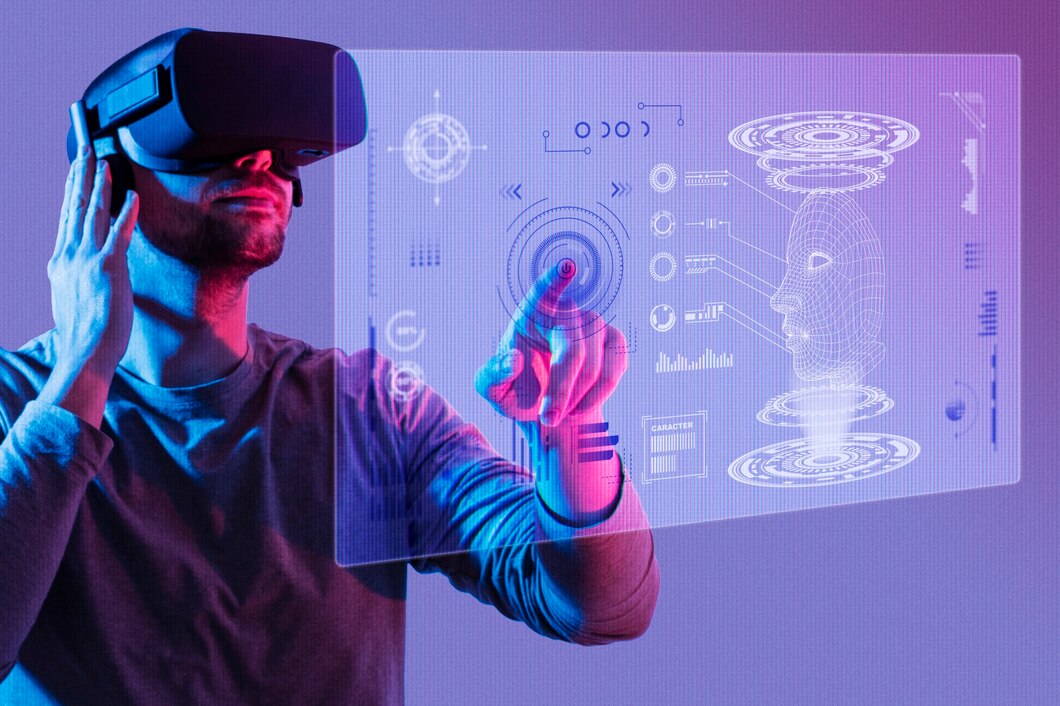
  • Virtual Reality (VR): A fully immersive experience where users are transported into a computer-generated world using headsets like Meta Quest or HTC Vive. Everything you see, hear, and sometimes touch is part of the digital environment.

  • Augmented Reality (AR): Enhances the real world by overlaying digital content—think Snapchat filters or navigation arrows in Google Maps viewed through your phone camera.

Now, let’s explore how VR can actually enhance or augment our understanding of real-world environments—beyond simple entertainment.


1. Training in Simulated Realities

One of the most powerful ways VR augments reality is through simulation-based training. From surgeons practicing complex operations to pilots honing emergency procedures, VR offers a realistic and safe environment to train for real-life challenges.

  • Medical field: VR allows doctors to explore human anatomy and simulate surgeries.

  • Aviation & military: Pilots and soldiers train in life-like virtual environments that mirror real-world conditions.

This type of VR application doesn’t replace reality—it enhances our preparedness for it.


2. Virtual Prototyping and Architecture

In fields like architecture, interior design, and engineering, VR allows professionals to build and explore 3D models before any physical construction begins. Clients can walk through virtual buildings, test lighting, and suggest design changes in real time.

This augments real-world design decisions by offering a more immersive and interactive preview than traditional blueprints or CAD models.


3. Enhancing Education Through Immersive Learning

Imagine learning about the solar system by traveling through it in VR. Educational VR apps are transforming classrooms into interactive learning spaces where students can:

  • Walk through historical events.

  • Explore the human body from the inside.

  • Conduct science experiments in virtual labs.

By offering a deeper, more sensory form of learning, VR enhances our perception and retention of real-world knowledge.


4. Virtual Collaboration and Remote Workspaces

In the age of remote work, VR is redefining how teams connect. Platforms like Meta Horizon Workrooms or Spatial create virtual offices where people can meet, brainstorm, and collaborate as if they were in the same room.

This doesn’t just mimic reality—it augments how we interact professionally, breaking down geographic and logistic barriers.


5. Therapy and Mental Health Treatment

VR is being used in psychotherapy to help patients confront phobias, anxiety, or PTSD. Through controlled exposure in a virtual setting, patients can safely engage with their fears and practice coping techniques.

Here, VR augments emotional and psychological realities, offering new forms of healing and self-awareness.


6. Tourism and Cultural Preservation

Want to walk through the streets of ancient Rome or climb Mount Everest without leaving your room? VR tourism experiences allow users to visit historical or remote locations with lifelike realism.

In this way, VR augments cultural understanding, providing access to places that may be physically inaccessible or even extinct.


The Future: Mixed Reality and Beyond

As technology evolves, the lines between VR and AR continue to blur. This convergence—often referred to as Mixed Reality (MR)—could lead to experiences where the real and virtual seamlessly coexist.

  • Think of surgeons seeing real-time data overlaid on a patient while interacting with virtual models.

  • Or artists sculpting in a digital space that merges with the physical world.

This hybrid world has the potential to revolutionize everything from design and entertainment to education and daily life.


Final Thoughts

Virtual Reality is no longer confined to gaming or fantasy—it’s actively augmenting our perception of reality, transforming how we learn, work, heal, and connect. As these technologies become more affordable and accessible, their impact on our real-world experiences will only deepen.

Form submitted! Our team will reach out to you soon.
0
    0
    Your Cart
    Your cart is emptyReturn to Course