
Do Companies Really Need a Human Resources Department?

As businesses grow, the question often arises: Do we really need a Human Resources (HR) department? Some startups operate without a formal HR team for years, while others invest early in building a strong HR function. So, is HR truly essential, or is it just a corporate formality? Let’s break it down.


What Does an HR Department Do?

The Human Resources department is responsible for managing a company’s most valuable asset—its people. Here are some of its key functions:

  • Recruitment and onboarding

  • Employee relations and engagement

  • Performance management

  • Compliance with labor laws

  • Payroll and benefits administration

  • Training and development

  • Workplace culture and ethics

While these may sound administrative, they directly influence the company’s productivity, retention, and growth.


Reasons Why Companies Do Need an HR Department

1. Managing Growth and Talent Acquisition

As companies scale, hiring becomes more complex. HR ensures:

  • The right talent is recruited

  • Job descriptions align with business goals

  • New hires are onboarded efficiently

Without a dedicated HR team, hiring can become chaotic, leading to mismatches and high turnover.


2. Ensuring Legal Compliance

Labor laws are constantly evolving. HR professionals stay updated with regulations regarding:

  • Minimum wage

  • Anti-discrimination laws

  • Workplace safety

  • Employee classification

Non-compliance can lead to lawsuits, fines, or reputational damage—something a growing business can’t afford.


3. Improving Employee Engagement and Retention

Happy employees are productive employees. HR helps create programs for:

  • Recognition and rewards

  • Career development

  • Conflict resolution

  • Work-life balance

A good HR department boosts morale and reduces attrition.


4. Shaping Company Culture

Culture isn’t built overnight, and it can’t survive on its own. HR plays a vital role in:

  • Defining company values

  • Promoting inclusive work environments

  • Hosting team-building activities

  • Supporting mental health and wellness

A strong, consistent culture improves collaboration and brand reputation.


5. Handling Sensitive Issues Professionally

From harassment complaints to salary negotiations, HR serves as a neutral, professional intermediary. Without HR, these issues often fall to untrained managers, which can escalate conflicts or cause bias.


What Happens When There’s No HR Department?

Some companies operate without a formal HR team, especially in the early stages. But this can lead to:

  • Disorganized hiring and onboarding

  • Legal risks from HR missteps

  • Low employee satisfaction

  • Inconsistent policies and practices

  • Overburdened managers handling HR tasks inefficiently

Eventually, lack of structure catches up and can hinder company performance.


Is Outsourcing HR a Viable Option?

For small businesses or startups, outsourcing HR functions to third-party firms or using HR software can be a cost-effective alternative. Tasks like payroll, benefits, and compliance can be automated or externally managed.

However, outsourced HR lacks the personal touch and deep understanding of company culture that an internal HR team brings.


Final Verdict: Yes, HR Is Essential

While some functions can be delayed or outsourced temporarily, a dedicated Human Resources department becomes essential as the company grows. It’s not just about hiring or managing paperwork—it’s about building a thriving workforce and future-proofing the business.

How Is Artificial Intelligence Used in Finance?

Artificial Intelligence (AI) is rapidly transforming the financial industry, making processes smarter, faster, and more efficient. From predicting market trends to detecting fraud, AI has become an indispensable tool in the modern finance world. But how exactly is AI being used in finance today? Let’s explore the key applications and benefits of AI in the financial sector.


1. Fraud Detection and Prevention

One of the most critical uses of AI in finance is enhancing security through fraud detection. AI-powered systems can monitor thousands of transactions in real-time and spot unusual patterns that could indicate fraudulent activity.

How it works:

  • Machine learning models are trained on historical fraud data.

  • The system learns to identify red flags such as duplicate transactions, irregular spending patterns, or fake identities.

  • Alerts are automatically triggered when suspicious activity is detected.

Result: Faster response times and improved accuracy in fraud prevention.


2. Algorithmic Trading

AI is revolutionizing trading through algorithmic or automated trading, where financial decisions are made by AI-driven systems based on pre-set rules and real-time data.

Benefits:

  • Executes trades at optimal prices

  • Reduces emotional decision-making

  • Processes large volumes of data instantly

  • Enhances prediction accuracy with machine learning

Many hedge funds and investment firms rely on AI to gain a competitive edge in the market.


3. Credit Scoring and Risk Management

Traditional credit scoring models rely on limited financial history, but AI can analyze a broader range of data—including digital footprints and transaction behavior—to assess creditworthiness.

Uses:

  • Personalized credit limits

  • Better evaluation for individuals with limited credit history

  • Dynamic risk assessment based on real-time behavior

AI also helps banks in risk modeling, ensuring more accurate forecasts of loan defaults, market volatility, and economic scenarios.


4. Customer Service with Chatbots

AI-powered chatbots are now handling millions of customer service interactions in the banking and finance sector.

Advantages:

  • 24/7 support

  • Instant responses to common queries

  • Multilingual capabilities

  • Cost-effective

These bots use natural language processing (NLP) to understand and respond to human queries, offering a seamless user experience.


5. Personalized Financial Planning

AI can analyze a user’s income, spending habits, goals, and investments to create customized financial advice.

Examples:

  • Robo-advisors suggesting tailored investment plans

  • Budgeting apps using AI to guide savings and expenses

  • Personalized loan offers based on AI predictions

This makes financial planning more accessible, especially for individuals who can’t afford traditional financial advisors.


6. Regulatory Compliance and Reporting (RegTech)

AI helps financial institutions comply with regulations through automation of tasks such as data collection, transaction monitoring, and report generation.

Applications:

  • Identifying money laundering patterns

  • Automating KYC (Know Your Customer) checks

  • Tracking compliance risks in real-time

This use of AI in Regulatory Technology (RegTech) improves efficiency while reducing human error.


7. Market Forecasting and Sentiment Analysis

AI models can process large datasets—including news articles, social media trends, and financial reports—to predict market movements.

How it’s used:

  • Natural language processing (NLP) tools assess investor sentiment.

  • Predictive analytics models generate insights from historical and real-time data.

  • Traders and investors use these insights to guide decisions.

This allows firms to stay ahead of the curve with data-driven strategies.


Final Thoughts

AI in finance is not just a futuristic concept—it’s a present-day reality that’s improving everything from fraud detection to customer service and investment management. As AI continues to evolve, it promises to reshape the financial landscape even further, making it more efficient, secure, and personalized.

What Are the Main Aspects of Digital Marketing?

In today’s hyper-connected world, businesses can no longer rely solely on traditional marketing methods to reach their customers. Digital marketing has become a powerful tool to engage, influence, and convert audiences online. But what exactly does digital marketing encompass? Let’s break down the main aspects of digital marketing that every business and aspiring marketer should understand.

1. Search Engine Optimization (SEO)

SEO is the process of optimizing your website so it ranks higher in search engine results pages (SERPs), particularly on Google. The higher you rank, the more visibility and traffic you gain.

Key elements of SEO include:

  • Keyword research

  • On-page optimization (title tags, meta descriptions, content)

  • Technical SEO (site speed, mobile responsiveness)

  • Backlink building

  • User experience (UX) improvements

2. Content Marketing

Content is the heart of digital marketing. It involves creating and distributing valuable, relevant, and consistent content to attract and retain a clearly defined audience.

Types of content include:

  • Blog posts

  • Videos

  • Infographics

  • E-books

  • Case studies

  • Podcasts

Good content builds trust, improves SEO, and supports other marketing strategies like email and social media marketing.

3. Social Media Marketing

Social media platforms like Facebook, Instagram, LinkedIn, and Twitter are essential channels for digital marketing. They allow brands to connect with their audience, promote content, and even run ads to drive conversions.

Key practices in social media marketing:

  • Creating engaging posts

  • Running targeted ad campaigns

  • Interacting with followers

  • Influencer collaborations

  • Using analytics to refine strategy

4. Email Marketing

Despite being one of the oldest digital marketing techniques, email marketing remains highly effective. It involves sending personalized messages to your audience to nurture leads, promote offers, and build customer loyalty.

Best practices for email marketing:

  • Segment your email list

  • Craft compelling subject lines

  • Provide valuable content

  • Include strong CTAs (Calls to Action)

  • Analyze open and click-through rates

5. Pay-Per-Click Advertising (PPC)

PPC is a model where advertisers pay a fee each time someone clicks on their ad. Platforms like Google Ads and social media channels offer PPC options that can generate instant traffic.

Common PPC formats:

  • Search ads

  • Display ads

  • Shopping ads

  • Social media ads

  • Retargeting campaigns

6. Affiliate Marketing

Affiliate marketing is a performance-based strategy where businesses reward affiliates for driving traffic or sales through their promotional efforts. It’s a win-win: brands get more exposure, and affiliates earn commissions.

Examples:

  • Bloggers promoting products with tracking links

  • Influencers sharing affiliate discount codes

  • Review websites recommending services

7. Influencer Marketing

Influencers have built trust with their audiences, making them effective promoters. Brands collaborate with influencers to promote their products or services authentically to niche audiences.

Success in influencer marketing depends on:

  • Choosing the right influencer

  • Creating authentic content

  • Measuring engagement and ROI

8. Mobile Marketing

With most users accessing content via smartphones, mobile marketing is crucial. This includes SMS campaigns, mobile-friendly websites, app-based marketing, and push notifications.

Focus areas:

  • Mobile app marketing

  • Location-based services

  • Responsive design

  • Voice search optimization

9. Analytics and Data Tracking

Every digital marketing strategy must be backed by data. Analytics tools like Google Analytics help track user behavior, campaign performance, and ROI.

Key metrics to monitor:

  • Website traffic

  • Conversion rate

  • Bounce rate

  • Customer acquisition cost (CAC)

  • Return on ad spend (ROAS)


Final Thoughts

Digital marketing is a vast and evolving field that blends creativity with technology. Understanding its main aspects — from SEO and content marketing to social media and analytics — is essential for any business aiming to grow online. Mastering these pillars not only helps in building brand awareness but also drives measurable results in today’s digital-first world.

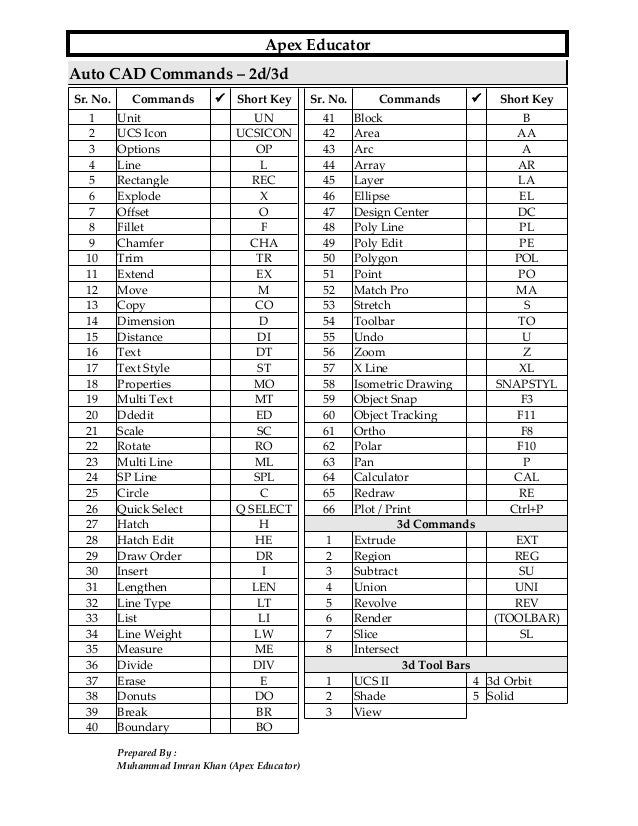
Which Are Other Softwares Like AutoCAD?

AutoCAD is one of the most widely used computer-aided design (CAD) software tools in the world. Known for its precision, versatility, and compatibility across industries like architecture, engineering, and product design, it has set a high standard in digital drafting. However, it’s not the only option available.

Whether you’re looking for a more affordable alternative, specific features, or just exploring your options, there are several CAD tools that serve as strong alternatives to AutoCAD. Here’s a look at some of the most popular ones.


1. SolidWorks

Best for: 3D mechanical modeling and product design.

SolidWorks is a powerful 3D CAD software primarily used in mechanical engineering and product design. While AutoCAD focuses on both 2D and 3D design, SolidWorks specializes in parametric modeling, assemblies, and simulations.

Key features:

  • Advanced 3D modeling tools.

  • Simulation and analysis capabilities.

  • Engineering-driven design interface.


2. SketchUp

Best for: Architectural and interior design.

SketchUp is known for its user-friendly interface and is especially popular among architects, interior designers, and hobbyists. It’s ideal for quickly visualizing concepts in 3D.

Key features:

  • Easy to learn and use.

  • Large library of pre-built models.

  • Integration with VR and AR tools.


3. Revit

Best for: Building Information Modeling (BIM).

Developed by Autodesk (like AutoCAD), Revit is tailored for BIM and is widely used in the architecture, engineering, and construction (AEC) industries. It allows collaboration among architects, engineers, and contractors in a shared model environment.

Key features:

  • Intelligent 3D model-based design.

  • Automated building documentation.

  • Strong collaboration tools.


4. BricsCAD

Best for: Cost-effective AutoCAD alternative.

BricsCAD offers a similar interface and command structure to AutoCAD, making it easy to transition for experienced users. It supports both 2D drafting and 3D modeling.

Key features:

  • Native DWG file support.

  • Familiar user interface.

  • AI-assisted features like Blockify.


5. LibreCAD

Best for: Open-source 2D drafting.

LibreCAD is a free and open-source CAD application suitable for simple 2D drafting. It’s a great choice for students, educators, and small businesses looking for a budget-friendly option.

Key features:

  • Lightweight and fast.

  • Customizable UI.

  • Supports DXF files.


6. Fusion 360

Best for: Product development and industrial design.

Another tool by Autodesk, Fusion 360 is an integrated cloud-based CAD/CAM/CAE platform. It’s used widely in mechanical and industrial design and supports collaboration in real-time.

Key features:

  • Parametric and freeform modeling.

  • Simulation and manufacturing tools.

  • Cloud collaboration.


7. TinkerCAD

Best for: Beginners and education.

TinkerCAD is a simple, web-based CAD tool perfect for beginners, hobbyists, and students. It’s commonly used for 3D printing projects and basic modeling tasks.

Key features:

  • User-friendly drag-and-drop interface.

  • Ideal for kids and STEM learning.

  • Free to use.


Final Thoughts

AutoCAD may be the industry leader, but many alternatives cater to specific needs—whether it’s 3D mechanical design, architectural modeling, open-source development, or cost-effective drafting. The best software for you depends on your goals, budget, and skill level.

Before choosing, ask yourself:

  • Do I need 2D drafting or 3D modeling?

  • Is collaboration important?

  • What’s my budget?

  • Do I need specialized tools (e.g., BIM, CAM, simulation)?

Whatever your requirements, the CAD world is full of powerful tools beyond AutoCAD—and exploring them can open new possibilities in your design journey.

What Is the Technology Powering Hybrid Electric Vehicles?

With the growing demand for cleaner, fuel-efficient transportation, Hybrid Electric Vehicles (HEVs) have gained popularity across the globe. These vehicles blend traditional internal combustion engines (ICE) with electric propulsion systems to deliver improved fuel efficiency, lower emissions, and a smoother driving experience. But what exactly powers these modern marvels of engineering?

Let’s take a closer look at the core technologies behind hybrid electric vehicles and how they work together.


1. Dual Power Sources: The Engine and the Electric Motor

At the heart of every hybrid vehicle lies a combination of two power sources:

  • Internal Combustion Engine (ICE): Typically powered by gasoline or diesel, the ICE provides energy for long-distance travel and high-speed driving.

  • Electric Motor: Powered by a rechargeable battery pack, the electric motor assists during acceleration, low-speed driving, and when idling.

How it works: Depending on the type of hybrid system, the vehicle can use either the engine, the electric motor, or both at the same time.


2. Battery Pack and Energy Storage

The electric motor in a hybrid vehicle relies on a high-voltage battery pack, usually made from lithium-ion or nickel-metal hydride (NiMH) technology.

  • These batteries are recharged automatically using regenerative braking and the ICE.

  • No need to plug in most hybrids (unlike plug-in hybrids or pure EVs).

Battery management systems (BMS) monitor performance and prevent overheating or overcharging.


3. Regenerative Braking System

One of the most innovative features in HEVs is regenerative braking. When the driver applies the brakes:

  • The kinetic energy that would normally be lost as heat is captured and converted into electrical energy.

  • This energy is stored in the battery pack, improving overall efficiency.

This smart recycling of energy helps hybrids extend their battery life and reduce fuel use.


4. Power Split Devices and Transmission Systems

Modern hybrids use electronic continuously variable transmissions (e-CVT) or power-split devices to smoothly manage power delivery between the engine and motor.

These systems:

  • Optimize engine efficiency.

  • Seamlessly switch between power sources.

  • Improve driving performance and fuel economy.


5. Control Systems and Embedded Software

To coordinate all these components, HEVs rely heavily on advanced control systems and embedded software. These systems:

  • Monitor driving conditions, battery status, and throttle input.

  • Decide when to switch power sources.

  • Optimize performance and reduce emissions.

Artificial intelligence and machine learning are increasingly being used to improve decision-making in hybrid systems.


Types of Hybrid Systems

There are three main types of hybrid systems, each using different levels of technology:

Type Description
Mild Hybrid Electric motor assists engine; cannot drive on electricity alone.
Full Hybrid Can drive on engine, motor, or both.
Plug-in Hybrid (PHEV) Can be charged via power outlet; larger battery and more electric range.

Final Thoughts

Hybrid electric vehicles represent a brilliant fusion of mechanical and electrical engineering. By combining combustion engines, electric motors, regenerative braking, advanced batteries, and intelligent control systems, hybrids offer an eco-friendly and efficient alternative to traditional vehicles.

Which Is the Best DSA (Data Structure and Algorithm)?

In the world of computer science and programming, Data Structures and Algorithms (DSA) are the building blocks for writing efficient code. Whether you’re preparing for coding interviews, optimizing real-world applications, or simply leveling up your programming skills, understanding DSA is essential. But one common question that often arises is: Which is the best DSA?

The answer, surprisingly, is not a single data structure or algorithm—it depends entirely on the problem you are trying to solve. However, there are certain DSAs that stand out due to their versatility, efficiency, and widespread use. Let’s break it down.


1. Arrays and Strings: The Foundation

Arrays and strings are the most fundamental data structures. They are simple, yet powerful, and are used in nearly every application—whether it’s for storing large datasets, manipulating text, or optimizing space.

Why they matter:

  • Direct memory access.

  • Easy to traverse and manipulate.

  • Basis for many other data structures.


2. Hash Tables: Fast Access

Also known as hash maps or dictionaries, hash tables are incredibly efficient for lookup, insertion, and deletion operations—typically in O(1) time.

Common uses:

  • Caching.

  • Frequency counting.

  • Implementing sets and maps.

Best for: When quick access to data via a key is needed.


3. Trees: Organizing Data Hierarchically

Trees, especially Binary Search Trees (BSTs) and Heaps, help maintain ordered data and are crucial in scenarios like:

  • Implementing databases.

  • Managing hierarchical data (like folders).

  • Optimizing priority queues (using heaps).

Special mention: Trie—used in auto-complete and spell-check systems.


4. Graphs: Modeling Relationships

Graphs are powerful for modeling relationships in social networks, maps, recommendation systems, etc. Algorithms like Dijkstra’s, DFS/BFS, and Kruskal’s make graphs invaluable in problem-solving.

Best for: Any problem involving networks, paths, or connections.


5. Dynamic Programming: Breaking Problems Down

Dynamic programming (DP) is not a data structure, but an algorithmic technique used to solve complex problems by breaking them down into simpler subproblems.

Where it shines:

  • Optimization problems.

  • Fibonacci, knapsack, and longest common subsequence.

  • Reducing time complexity via memoization.


So, Which Is the Best DSA?

There is no single “best” DSA—it depends on the context:

Problem Type Recommended DSA / Algorithm
Fast lookup/search Hash Table, Binary Search
Hierarchical data Tree, Trie
Shortest path/network Graphs + BFS/DFS, Dijkstra’s
Sorted data access Heap, BST
Repeating subproblems Dynamic Programming

Final Thoughts

The best DSA is the one that fits your problem’s constraints and objectives. Understanding when and why to use a particular structure or algorithm is more important than memorizing them. So instead of searching for the “best DSA,” focus on mastering core concepts and practicing real-world problems. That’s the true key to becoming an efficient programmer.

Do We Use Java in Embedded System Programming?

When we talk about embedded systems, languages like C and C++ often dominate the conversation. These low-level languages offer precise control over hardware, making them the go-to choice for system-level programming. But where does Java fit into the world of embedded systems? Can this high-level, object-oriented language be used effectively in such resource-constrained environments?

Let’s dive into the role of Java in embedded system programming.


What Are Embedded Systems?

An embedded system is a computer system with a dedicated function within a larger mechanical or electrical system. Examples include microcontrollers in washing machines, automotive ECUs, smart thermostats, and industrial control systems.

These systems are typically:

  • Resource-constrained (limited CPU, RAM, and storage)

  • Real-time (needing quick and predictable responses)

  • Purpose-specific (designed for a single or limited function)


Why Java in Embedded Systems?

Java may not be the first choice for embedded systems, but it is used, especially in certain applications where its features are beneficial. Here’s why:

1. Portability

Java’s “write once, run anywhere” philosophy is appealing. Java code runs on a Java Virtual Machine (JVM), making it easier to deploy the same code across multiple devices.

2. Object-Oriented Design

Java promotes cleaner code with reusability and modularity, which is beneficial for large or complex embedded projects.

3. Rich Libraries and Frameworks

Java offers extensive libraries for networking, security, GUI development, and multithreading—useful in smart devices and IoT applications.

4. Memory Management

Automatic garbage collection simplifies memory handling, reducing the chances of memory leaks (although it might increase latency, which can be an issue for real-time systems).


Common Use Cases of Java in Embedded Systems

  • IoT Devices: Java ME (Micro Edition) is used in sensors, gateways, and smart devices.

  • Smartcards and Set-Top Boxes: Java Card and Java TV are tailored for these embedded platforms.

  • Automotive Applications: Some in-vehicle infotainment systems and telematics use Java.

  • Industrial Automation: Java-based platforms manage control systems with user interfaces and network capabilities.


Java Platforms for Embedded Systems

  1. Java ME (Micro Edition)
    Designed for small devices with constrained resources. It’s a lightweight version of Java SE and is widely used in mobile and embedded devices.

  2. Java SE Embedded
    A subset of standard Java designed for embedded devices that can handle more resources (like ARM-based development boards).

  3. Java Card
    Used in smartcards and SIM cards where minimal memory footprint is critical.


Challenges of Using Java in Embedded Systems
  • Performance Limitations: Java isn’t as fast or efficient as C/C++ in real-time applications that need deterministic behavior.

  • Garbage Collection Overhead: Unpredictable delays caused by garbage collection can be problematic in time-sensitive tasks.

  • Resource Consumption: Java applications may consume more RAM and processing power compared to native C/C++ programs.


Final Thoughts

Yes, Java is used in embedded system programming, but its application is specific to certain domains—especially those that benefit from cross-platform compatibility, network connectivity, and a higher-level programming model.

If you’re working on hard real-time systems or need maximum performance and control, C or C++ will still be your best bet. However, for IoT applications, smart devices, or embedded GUIs, Java offers a productive and flexible environment.

Is Cloud Computing the Future?

In the age of digital transformation, few technologies have had as profound an impact as cloud computing. From powering everyday apps to enabling global collaboration and driving innovation, cloud computing has reshaped how businesses and individuals use technology. But with new trends emerging, is cloud computing still the future? Let’s explore.


What Is Cloud Computing?

Cloud computing is the delivery of computing services—such as storage, servers, databases, networking, software, and analytics—over the internet (“the cloud”) instead of using local servers or personal devices. It offers flexibility, scalability, and cost-efficiency, making it ideal for organizations of all sizes.


Why Cloud Computing Is Gaining Ground

  1. Cost-Effectiveness
    Companies save money by using only the resources they need, with no need for expensive on-site hardware or maintenance.

  2. Scalability and Flexibility
    Cloud systems allow businesses to easily scale operations up or down based on demand.

  3. Remote Accessibility
    With the rise of remote work, cloud computing provides the ability to access data and systems from anywhere in the world.

  4. Security and Backup
    Leading cloud providers invest heavily in data security, backups, and disaster recovery systems that most companies can’t match in-house.

  5. Innovation and AI Integration
    Cloud platforms like AWS, Google Cloud, and Azure now offer powerful AI, machine learning, and data analytics tools—driving digital transformation across industries.


Trends That Point to a Cloud-Driven Future

  • Edge Computing: While cloud remains central, edge computing—processing data near the source—is expanding its role, often working in tandem with the cloud.

  • Multi-Cloud Strategies: Businesses are increasingly using services from multiple cloud providers to reduce risk and increase flexibility.

  • Serverless Computing: Developers can now run code without managing servers, increasing efficiency and speed of deployment.

  • AI and Big Data: The demand for computing power and storage needed to analyze big data and train AI models is pushing more companies to adopt the cloud.


Industries Relying on the Cloud

  • Healthcare: For telemedicine, electronic health records, and research.

  • Finance: For secure transactions, fraud detection, and customer analytics.

  • Education: To support remote learning platforms and collaboration tools.

  • Entertainment: Streaming services like Netflix and Spotify run entirely on cloud infrastructure.


Challenges to Consider

  • Data Privacy & Compliance: Storing data on third-party servers raises regulatory and privacy concerns.

  • Downtime Risks: Though rare, outages on major cloud platforms can disrupt global services.

  • Vendor Lock-In: Switching between cloud providers can be complex and costly.


Final Verdict: Is Cloud Computing the Future?

Absolutely. Cloud computing isn’t just a trend—it’s the foundation of the digital economy. As technologies like AI, IoT, 5G, and blockchain mature, cloud computing will become even more essential. The cloud empowers businesses to be more agile, innovative, and competitive.

Which Is More Useful for a Mechanical Engineer: IoT or Robotics?

In today’s rapidly evolving technological world, mechanical engineers are expanding their skill sets beyond traditional boundaries. Two of the most exciting and high-impact fields now intersecting with mechanical engineering are the Internet of Things (IoT) and Robotics. Both offer incredible career opportunities and the potential to work on cutting-edge innovations. But if you’re a mechanical engineer looking to specialize, which one should you choose?

Let’s break it down.


Understanding IoT and Robotics

IoT (Internet of Things) refers to a network of interconnected devices that collect and share data. In the context of mechanical engineering, IoT involves embedding sensors and connectivity into machines, systems, and infrastructure to monitor performance, predict failures, and improve efficiency.

Robotics, on the other hand, focuses on the design, construction, and operation of robots. These systems often integrate mechanical design, electronics, control systems, and programming to perform tasks autonomously or semi-autonomously.


How IoT Benefits Mechanical Engineers

  1. Predictive Maintenance: Mechanical engineers use IoT sensors to monitor equipment health in real time, reducing downtime and preventing unexpected failures.

  2. Smart Manufacturing: In Industry 4.0, IoT enables engineers to build intelligent production systems that can self-optimize and adjust to changing demands.

  3. Energy Efficiency: IoT data can help optimize energy usage in HVAC systems, engines, and industrial machinery.

  4. Data-Driven Design: Access to usage data enables engineers to make better design choices based on real-world feedback.


How Robotics Benefits Mechanical Engineers

  1. Automation Design: Mechanical engineers are crucial in designing the frames, joints, and actuators of robots used in factories, warehouses, and healthcare.

  2. Mechatronics Integration: Robotics offers a hands-on approach to combining mechanical systems with electronics and software.

  3. Precision & Efficiency: Robots can perform repetitive tasks with high accuracy, which is vital in manufacturing and quality control.

  4. Innovation Opportunities: Robotics opens the door to emerging fields like autonomous vehicles, drones, and surgical robots.


Which One Is More Useful?

It really depends on your career goals:

Criteria IoT Robotics
Focus Data, connectivity, sensors Mechanics, motion control, automation
Best for Smart systems, infrastructure, predictive analytics Automation, machine design, autonomous systems
Skill overlap Sensors, data analytics, embedded systems CAD, kinematics, control systems
Career paths Smart factories, HVAC, energy, infrastructure Industrial robotics, drones, automotive, healthcare

Final Thoughts

For mechanical engineers, both IoT and robotics offer exciting pathways. If you’re more interested in data, connectivity, and system optimization, IoT might be your calling. But if your passion lies in designing machines that move and perform tasks, robotics will likely be more fulfilling.

What’s the Difference Between Machine Learning, AI, and NLP?

In today’s tech-driven world, terms like Artificial Intelligence (AI), Machine Learning (ML), and Natural Language Processing (NLP) are used frequently — often interchangeably. But they’re not the same thing. So what’s the difference between them? Let’s break it down in simple terms.


1. Artificial Intelligence (AI): The Big Umbrella

AI is the broadest of the three. It refers to the ability of machines to perform tasks that typically require human intelligence — such as reasoning, decision-making, visual perception, and language understanding.

Examples of AI:

  • A self-driving car making decisions on the road

  • An AI-powered assistant like Siri or Alexa

  • A robot that recognizes objects and navigates through obstacles

AI includes everything from rule-based systems to complex neural networks. Machine learning and NLP both fall under the AI umbrella.


2. Machine Learning (ML): The Brain That Learns

Machine Learning is a subset of AI that enables machines to learn from data without being explicitly programmed. Instead of being told exactly what to do, ML models find patterns in data and improve their performance over time.

Examples of ML:

  • Netflix recommending shows based on your watch history

  • Email filters learning to identify spam

  • A bank system detecting fraudulent transactions

ML powers many AI applications — but it’s just one approach among many.


3. Natural Language Processing (NLP): The Language Expert

Natural Language Processing (NLP) is a subfield of AI that focuses on enabling machines to understand, interpret, and respond to human language — both spoken and written.

Examples of NLP:

  • Chatbots that understand customer queries

  • Google Translate converting text between languages

  • Sentiment analysis detecting emotion in tweets or reviews

NLP often uses machine learning techniques to process large amounts of language data, but it also involves rules, grammar, linguistics, and more.


The Relationship at a Glance:

java
Artificial Intelligence (AI)
├── Machine Learning (ML)
│ └── Deep Learning
└── Natural Language Processing (NLP)
└── May also use ML & Deep Learning

Final Thoughts

To sum it up:

  • AI is the big picture — making machines smart.

  • ML is one way to achieve AI — by learning from data.

  • NLP is about teaching machines to understand and use language.

Form submitted! Our team will reach out to you soon.
0
    0
    Your Cart
    Your cart is emptyReturn to Course