
What Are the Different Layers of Cloud Computing?

Cloud computing has revolutionized how businesses and individuals use technology. Instead of relying solely on local servers or personal devices, cloud computing allows users to access data and applications over the internet. But what makes this possible? The answer lies in its layered structure. Understanding the different layers of cloud computing helps us grasp how data flows and services operate in the cloud environment.

The Three Main Layers of Cloud Computing

Cloud computing is typically divided into three primary layers or service models, each offering a different level of abstraction and control:


1. Infrastructure as a Service (IaaS)

What it is:
IaaS is the foundational layer of cloud computing. It provides virtualized physical resources such as servers, storage, and networking.

Key Features:

  • Full control over the operating system and deployed applications

  • Scalability and flexibility

  • Pay-as-you-go model

Examples:
Amazon Web Services (AWS) EC2, Microsoft Azure, Google Compute Engine

Who uses it?
System administrators, DevOps engineers, and backend developers who need to manage infrastructure directly.


2. Platform as a Service (PaaS)

What it is:
PaaS sits on top of IaaS. It provides a platform allowing developers to build, test, and deploy applications without managing the underlying infrastructure.

Key Features:

  • Includes development tools, operating systems, and databases

  • Automates software updates and system maintenance

  • Reduces coding time and speeds up development

Examples:
Google App Engine, Heroku, Microsoft Azure App Services

Who uses it?
Application developers and software teams looking to focus on writing code rather than managing servers.


3. Software as a Service (SaaS)

What it is:
SaaS is the topmost layer and provides ready-to-use software applications over the internet. Users access the software via web browsers without installing anything locally.

Key Features:

  • Hosted and managed by the service provider

  • Accessible from anywhere with an internet connection

  • Subscription-based or freemium models

Examples:
Google Workspace (Docs, Sheets), Microsoft 365, Dropbox, Salesforce

Who uses it?
End-users such as businesses, students, and consumers who need productivity tools, CRM software, or collaboration platforms.


Bonus Layer: Functions as a Service (FaaS) / Serverless

While not part of the traditional three-layer model, FaaS is increasingly gaining attention. It allows developers to run small units of code (functions) in response to events without managing servers.

Examples:
AWS Lambda, Google Cloud Functions, Azure Functions


Summary Table
Layer Abbreviation User Focus Examples
IaaS Infrastructure as a Service Infrastructure management AWS EC2, Google Compute Engine
PaaS Platform as a Service Application development Heroku, Google App Engine
SaaS Software as a Service End-user applications Google Workspace, Dropbox
FaaS Functions as a Service Event-driven code execution AWS Lambda, Azure Functions

Final Thoughts

Each layer of cloud computing serves a different purpose and audience. Whether you’re an infrastructure expert, a developer, or a casual user, there’s a layer tailored to your needs. As cloud technology continues to grow, understanding these layers is essential for making informed choices about tools, services, and architecture.
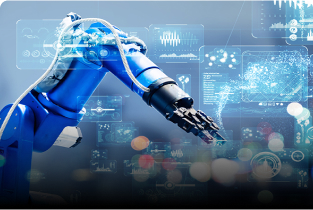

Can a CSE Student Do Projects in IoT and Robotics?

In today’s rapidly evolving tech landscape, the boundaries between computer science, electronics, and mechanical engineering are becoming increasingly blurred. As a result, students pursuing Computer Science Engineering (CSE) often wonder if they can venture into domains like the Internet of Things (IoT) and robotics. The short answer is: Absolutely, yes!

Why CSE Students Are a Great Fit for IoT and Robotics

Both IoT and robotics are multidisciplinary fields. While they do involve hardware and electronics, a large portion of their functionality is powered by software—the very domain where CSE students shine. Here’s how CSE skills translate into these areas:

  • Programming and Software Development: Robotics and IoT devices rely heavily on embedded software. Languages like C, C++, Python, and even JavaScript (for IoT dashboards) are essential—and most CSE students are already familiar with them.

  • Data Processing and Cloud Computing: IoT generates massive amounts of data. CSE students can work on building cloud platforms, analytics tools, or real-time data monitoring systems.

  • Machine Learning and AI: Advanced robotics systems often use AI for perception, navigation, and decision-making—skills that are well within the grasp of computer science students.

  • Networking and Security: IoT involves connected devices, making networking protocols and cybersecurity crucial areas where CSE students can contribute.


Popular IoT and Robotics Projects for CSE Students

Here are a few project ideas to get started:

1. Smart Home Automation System

Use Raspberry Pi or Arduino to control home appliances via a mobile app. Integrate sensors and cloud communication for automation and data tracking.

2. Obstacle-Avoiding Robot

Program a small robotic car using ultrasonic sensors to detect and avoid obstacles. This introduces you to both hardware interaction and algorithmic logic.

3. Health Monitoring System

Build a wearable IoT device that tracks vitals like heart rate and body temperature and sends alerts or stores data on the cloud for remote access.

4. Voice-Controlled Robot

Combine speech recognition APIs with Arduino to control robots using voice commands—an exciting blend of software and hardware.

5. IoT-Based Weather Station

Collect environmental data (temperature, humidity, etc.) using sensors and send the data to a cloud server where it can be visualized.


Tools and Platforms to Explore

  • Hardware: Arduino, Raspberry Pi, ESP8266, NodeMCU

  • Software: Arduino IDE, Python, Embedded C, MQTT, Blynk, Node-RED

  • Cloud Services: Firebase, AWS IoT Core, ThingSpeak, Google Cloud


Final Thoughts

The beauty of being a CSE student today is the flexibility to branch out into emerging fields like IoT and robotics. With strong programming and problem-solving skills, you’re already halfway there. All it takes is curiosity, hands-on experimentation, and a willingness to learn beyond the classroom.

Which Are the Best Machine Learning Tools?

Machine learning (ML) has become a cornerstone of modern technology, driving everything from recommendation systems and chatbots to self-driving cars and fraud detection. But behind the scenes, data scientists and engineers rely heavily on a range of powerful tools and frameworks to develop, test, and deploy machine learning models efficiently.

If you’re starting out in ML or looking to upgrade your tech stack, here’s a rundown of the best machine learning tools in 2025 that are widely used and respected in the field.


1. TensorFlow

Developed by: Google
Best for: Deep learning, neural networks, large-scale applications

Why it stands out:
TensorFlow is one of the most popular and comprehensive open-source ML libraries. It allows developers to build and train complex models for tasks like image recognition, natural language processing (NLP), and more. Its flexibility and scalability make it suitable for both research and production.

Bonus: TensorFlow Lite is available for mobile and embedded devices.


2. PyTorch

Developed by: Facebook (Meta)
Best for: Research and experimentation

Why it stands out:
Loved by academics and researchers, PyTorch offers dynamic computation graphs and an intuitive interface. It’s particularly favored in the deep learning community for its ease of debugging and rapid prototyping. With growing community support and enterprise use, it’s now production-ready too.


3. Scikit-learn

Developed by: Community-driven (built on NumPy, SciPy, and matplotlib)
Best for: Traditional machine learning algorithms

Why it stands out:
If you’re working on classical ML algorithms like linear regression, decision trees, or clustering, Scikit-learn is a must-have. It’s simple, efficient, and works seamlessly with Python’s scientific libraries. Ideal for small to medium-sized projects and educational purposes.


4. Keras

Developed by: François Chollet, integrated into TensorFlow
Best for: Beginners in deep learning

Why it stands out:
Keras is a high-level API that runs on top of TensorFlow, making deep learning more accessible. It’s perfect for beginners who want to quickly build neural networks without diving too deep into the complexities of back-end architecture.


5. XGBoost

Developed by: Tianqi Chen and contributors
Best for: Gradient boosting and structured/tabular data

Why it stands out:
XGBoost (Extreme Gradient Boosting) is a go-to tool in ML competitions like Kaggle. It’s optimized for speed and performance and delivers state-of-the-art results on structured datasets. Great for predictive modeling, especially in finance, healthcare, and marketing.


6. LightGBM

Developed by: Microsoft
Best for: High-speed training on large datasets

Why it stands out:
LightGBM is another gradient boosting framework that’s faster and more efficient than many of its peers. It supports parallel learning and handles large datasets with ease. Often used as an alternative to XGBoost when speed is crucial.


7. RapidMiner

Best for: No-code/low-code machine learning

Why it stands out:
RapidMiner offers a visual workflow-based interface, making ML accessible to non-programmers. It’s widely used in business analytics, marketing, and operations for tasks like customer churn prediction and demand forecasting.


8. IBM Watson Studio

Best for: Enterprise-grade machine learning and AI services

Why it stands out:
Watson Studio offers a collaborative environment for data scientists and business analysts to prepare data, build models, and deploy AI solutions. It integrates with other IBM products and cloud services, offering end-to-end model management.


9. Google Cloud AI Platform

Best for: Scalable cloud-based ML solutions

Why it stands out:
Google’s AI Platform provides a complete suite for building, training, and deploying ML models on the cloud. It supports TensorFlow, Scikit-learn, and XGBoost, and is ideal for businesses that want to scale machine learning operations without managing infrastructure.


10. Amazon SageMaker

Best for: ML model development and deployment on AWS

Why it stands out:
SageMaker simplifies the process of building, training, tuning, and deploying ML models at scale. It’s a fully managed service that’s ideal for companies using Amazon Web Services (AWS) infrastructure.


Conclusion

Choosing the right machine learning tool depends on your use case, level of expertise, and deployment needs. For beginners, tools like Scikit-learn, Keras, and RapidMiner offer great starting points. For advanced users and production environments, TensorFlow, PyTorch, and cloud-based platforms like SageMaker or Google AI Platform offer robust and scalable solutions.

Is Data Science Really a Rising Career?

In recent years, data science has rapidly emerged as one of the most in-demand and talked-about career fields across the globe. Whether it’s job boards flooded with data science openings or headlines about companies harnessing the power of big data, one question seems to linger: Is data science really a rising career, or is it just a passing trend?

Let’s dive into why data science is more than just hype—and why it’s continuing to grow.


1. The Data Explosion

We are living in the age of information. Every day, we generate over 328 million terabytes of data—from online purchases and social media activity to healthcare records and financial transactions. Businesses, governments, and organizations are all striving to make sense of this massive amount of data to gain insights and stay competitive.

This explosion in data has directly fueled the demand for data scientists—professionals who can clean, analyze, interpret, and visualize data to help decision-makers make smart, evidence-based choices.


2. High Demand Across Industries

Data science is no longer limited to tech companies. Today, almost every sector is leveraging data to improve services and products:

  • Healthcare: Predictive modeling for patient diagnosis and drug discovery

  • Finance: Fraud detection, credit scoring, algorithmic trading

  • Retail: Customer behavior analysis, inventory forecasting

  • Marketing: Targeted advertising, sentiment analysis

  • Sports: Performance analytics, game strategy

According to the U.S. Bureau of Labor Statistics, data science roles are projected to grow 35% from 2022 to 2032, much faster than the average for all occupations.


3. Lucrative Salaries and Career Growth

One of the key indicators of a rising career is not just the number of jobs, but also the quality of those jobs. Data science roles often come with competitive salaries and strong career progression.

  • Entry-level data scientists can earn anywhere between ₹6 to ₹10 lakhs per annum in India or $90,000 to $120,000 in the U.S.

  • Mid-level professionals with 3–5 years of experience can expect significantly more.

  • Specialists in areas like machine learning, deep learning, or big data often command premium salaries.


4. A Versatile Skill Set

Data science blends various skills—mathematics, statistics, programming, business understanding, and communication. This unique combination makes data scientists valuable across a wide range of roles like:

  • Data Analyst

  • Machine Learning Engineer

  • Data Engineer

  • Business Intelligence Analyst

  • AI Researcher

Plus, professionals from other domains like engineering, economics, or psychology can transition into data science with the right training.


5. Not Without Challenges

While the future is bright, it’s important to acknowledge the challenges:

  • Skill Gap: There’s high demand, but companies also seek well-rounded professionals who can do more than just code—they need people who understand business problems.

  • Evolving Tools: The landscape of data science tools is rapidly changing, so continuous learning is key.

  • Misconceptions: Some roles advertised as “data science” may not involve real data science work, leading to confusion in the job market.


Conclusion: A Career with Lasting Impact

Yes, data science is definitely a rising career—and not just in terms of hype, but in real-world application, career growth, and cross-industry demand. As data continues to power innovation, the role of data scientists will only become more central.

: What Types of Artificial Intelligence Are There?

Artificial Intelligence (AI) is transforming the world across industries—from healthcare and finance to entertainment and education. But despite its widespread presence, many people don’t realize that AI isn’t a one-size-fits-all technology. In fact, there are various types of AI, each with different capabilities and levels of sophistication.

In this blog, we’ll explore the different types of artificial intelligence, categorizing them based on their functionalities and capabilities.


1. Types of AI Based on Capabilities

AI can be categorized into three main types based on how capable they are in replicating human intelligence:

1.1 Narrow AI (Weak AI)

Narrow AI is designed and trained to perform a specific task. Most of the AI applications we see today fall into this category. These systems operate under a limited set of constraints and are not capable of performing tasks beyond their programming.

Examples:

  • Siri and Alexa (voice assistants)

  • Recommendation algorithms (Netflix, Amazon)

  • Image recognition systems

  • Spam email filters

1.2 General AI (Strong AI)

General AI refers to systems that possess the ability to understand, learn, and apply intelligence across a wide range of tasks—just like a human being. These systems can theoretically reason, plan, solve problems, think abstractly, and adapt to new situations.

Status: Still hypothetical. Researchers and scientists are working toward achieving this level of AI, but it’s not yet a reality.

1.3 Super AI

Super AI is a step beyond general AI. It refers to a future AI that surpasses human intelligence in every field—science, art, emotion, social skills, and decision-making.

Status: Purely theoretical and the subject of much debate and concern regarding ethics and control.


2. Types of AI Based on Functionalities

Another way to categorize AI is by its functionality, or how it processes information and interacts with the world.

2.1 Reactive Machines

These AI systems can only react to specific inputs with pre-programmed outputs. They don’t have memory or the ability to use past experiences to influence future decisions.

Example: IBM’s Deep Blue, the chess-playing computer that defeated Garry Kasparov.

2.2 Limited Memory

This AI can use past experiences to inform present decisions. Most current AI applications fall into this category, especially those that require learning from data over time.

Examples:

  • Self-driving cars (analyzing speed, distance, lane position, etc.)

  • Chatbots trained on user interaction history

2.3 Theory of Mind

This AI, still in development, would be capable of understanding human emotions, beliefs, and social cues. It would need to grasp the concept of others’ thoughts—an essential trait of truly intelligent beings.

Status: Experimental stage.

2.4 Self-aware AI

This is the most advanced form of AI—machines that are conscious and aware of their own existence, emotions, and thoughts. It remains a concept more aligned with science fiction than current reality.


Conclusion

Artificial Intelligence is a diverse and evolving field with various forms and functionalities. From the narrow AI that powers your smartphone assistant to the ambitious vision of superintelligent machines, AI holds immense potential and poses important philosophical, ethical, and technical challenges.

As we move forward, understanding these different types of AI is crucial—not just for scientists and developers, but for everyone living in a world increasingly shaped by intelligent machines.

How Is Data Science Used in Cybersecurity?

In today’s hyperconnected world, cyber threats are more sophisticated than ever. As businesses and governments store sensitive data online, securing that information has become a top priority. Enter data science—a powerful ally in the fight against cybercrime.

But how exactly is data science used in cybersecurity? Let’s dive into the key ways this dynamic duo is reshaping digital defense.


1. Threat Detection Through Pattern Recognition

One of the biggest advantages of data science in cybersecurity is its ability to detect anomalies. Cyberattacks often involve unusual patterns—such as strange login times, unexpected file access, or abnormal network behavior. By using machine learning algorithms, data scientists can train systems to recognize these patterns and flag potential threats in real time.


2. Predictive Analytics for Proactive Defense

Data science enables cybersecurity teams to move from reactive to proactive defense. By analyzing historical attack data, predictive models can identify vulnerabilities and estimate the likelihood of future threats. This helps organizations patch weaknesses before they’re exploited.

For example, predictive models might reveal that certain types of malware are more likely to attack during specific times or target certain systems—helping teams prepare in advance.


3. Automated Incident Response

Responding to cyber threats quickly is crucial. Data science facilitates automation by creating algorithms that analyze alerts and decide which ones are real threats. This reduces false positives and speeds up response times, allowing security teams to focus on high-priority incidents.

AI-driven tools can also suggest the best course of action, such as isolating a system or blocking an IP address.


4. Behavioral Analytics and Insider Threat Detection

Not all threats come from the outside. Sometimes, employees or internal users are responsible for breaches—either intentionally or unintentionally.

Data science can analyze user behavior to detect unusual activities, such as:

  • Accessing files not related to a user’s role

  • Large data transfers

  • Logging in from unusual locations

These behaviors might indicate an insider threat, and early detection can prevent serious damage.


5. Enhancing Spam and Phishing Detection

Phishing emails remain a major cybersecurity threat. Data science helps filter them out by analyzing:

  • Email content

  • Sender behavior

  • URL patterns

  • Metadata

Natural language processing (NLP), a branch of data science, allows email filters to understand and detect suspicious language—making spam and phishing detection smarter and more accurate.


6. Malware Classification and Analysis

Malware comes in many forms—viruses, worms, ransomware, and more. Data science models can classify malware based on code signatures, behavior, and origin. This not only speeds up identification but also helps in developing countermeasures.

For instance, clustering algorithms can group similar malware strains, aiding in understanding how a particular threat is evolving.


7. Real-Time Security Monitoring

With data science, massive volumes of network data can be analyzed in real time. Security Information and Event Management (SIEM) systems often rely on data science techniques to:

  • Aggregate log data

  • Detect intrusions

  • Provide real-time alerts

This helps in reducing the time between breach detection and response.


Final Thoughts

Cybersecurity is no longer just about firewalls and antivirus software. It’s about intelligent systems that can learn, adapt, and predict—and that’s where data science shines. From detecting threats to preventing attacks, data science has become an essential part of the cybersecurity toolkit.

Is It Still Worth Learning Android Development?

In a world constantly shifting toward cross-platform solutions and emerging technologies, many aspiring developers wonder if learning Android development is still a worthwhile investment. With alternatives like Flutter, React Native, and even web-based apps gaining popularity, is there still value in mastering native Android development?

The short answer: Yes, it’s absolutely worth it—but with some important context. Let’s explore why.


1. Android Dominates the Global Mobile Market

As of 2025, Android holds more than 70% of the global mobile OS market share. Billions of users across the world rely on Android devices every day. From smartphones to tablets, TVs, wearables, and even cars, Android is everywhere. This massive ecosystem creates constant demand for skilled Android developers.


2. Opportunities in Emerging Markets

Android’s dominance is especially strong in emerging economies like India, Brazil, Indonesia, and much of Africa. Companies looking to reach users in these markets focus on Android-first strategies. If you’re aiming to work in or serve these regions, Android development is a must-have skill.


3. The Power of Kotlin and Modern Tools

Google now officially supports Kotlin as the preferred language for Android development. Kotlin is modern, concise, and developer-friendly, making it easier to write clean, maintainable code. Combined with powerful tools like Android Studio, Jetpack Compose (for UI), and Firebase, the development experience is better than ever.


4. Job Opportunities and Freelancing Potential

Companies of all sizes—from startups to tech giants—still hire Android developers. Whether you’re aiming for full-time employment or freelancing, Android skills can open many doors. Additionally, with the rise of remote work, Android developers can work globally without relocating.


5. The Google Play Store is Developer-Friendly

Unlike Apple’s App Store, the Google Play Store has fewer restrictions, lower fees, and faster approval times. This makes it ideal for indie developers and startups to launch their apps quickly. If you dream of creating and monetizing your own app, Android gives you a great platform to start.


6. Cross-Platform Isn’t a Silver Bullet

While cross-platform frameworks are great, they often come with trade-offs in performance, access to device features, and platform-specific design. Native Android development allows for fine control, better performance, and more customization, especially for complex or resource-heavy apps.


7. Android Extends Beyond Phones

Android isn’t just for smartphones anymore. It’s used in:

  • Android TV

  • Android Auto

  • Wear OS (smartwatches)

  • IoT devices

This opens up a world of specialized development opportunities beyond typical apps.


So, Is It Still Worth Learning?

Absolutely—if it aligns with your goals. Android development remains relevant, versatile, and rewarding. Whether you want to build career-ready skills, develop your own apps, or explore connected devices, Android provides a solid foundation.

However, it’s important to keep learning and stay updated. Explore Kotlin, Jetpack Compose, and understand how Android fits into the broader ecosystem of mobile and cross-platform development.


Final Thoughts

Learning Android development in 2025 is not only worthwhile—it’s strategic. With billions of users, strong job demand, and modern development tools, Android continues to be a thriving space for developers.

What Makes Web Development So Difficult to Learn?

Web development is one of the most in-demand skills in today’s tech-driven world. From creating personal blogs to building complex web applications, it offers endless possibilities. But while many people are drawn to its creative and technical aspects, they quickly find that learning web development can be more difficult than expected. So, what exactly makes it so challenging to master?

1. The Overwhelming Number of Technologies

One of the biggest hurdles for beginners is the sheer number of technologies involved. A web developer needs to understand:

  • Frontend: HTML, CSS, JavaScript, responsive design, accessibility, browser compatibility.

  • Backend: Databases, server-side languages (like PHP, Python, Node.js), APIs.

  • DevOps: Deployment, version control, hosting, CI/CD pipelines.

  • Frameworks: React, Angular, Vue, Django, Laravel, and more.

Trying to make sense of all these can feel like learning multiple disciplines at once.

2. Constantly Evolving Landscape

Technology evolves rapidly, and web development is no exception. Frameworks and best practices change frequently. What was popular last year might be outdated today. Developers need to continuously learn and adapt, which can be exhausting for beginners trying to keep up.

3. Too Many Learning Resources, Yet Too Little Guidance

There’s an abundance of tutorials, YouTube videos, and online courses. But this “too much” information often creates confusion. Without a clear path or curriculum, learners often jump between topics, leading to frustration and burnout. The lack of structured guidance is a major barrier.

4. Debugging and Problem Solving Skills Take Time

Writing code is one thing; debugging it is another. New developers often struggle with understanding error messages, finding bugs, or using browser developer tools effectively. It’s not just about writing code—it’s about solving problems—and that skill only comes with practice.

5. Frontend Development Isn’t Just Design

Many assume frontend development is all about making things look good. But writing effective frontend code involves performance optimization, handling user inputs, managing state, and ensuring cross-browser compatibility. These intricacies can be difficult to grasp at first.

6. Backend Logic Requires Abstract Thinking

On the backend, things get even more abstract. You’re dealing with databases, security, routing, APIs, authentication, and more. This logic-heavy side of development requires critical thinking, which doesn’t come naturally to everyone.

7. No Immediate Visual Feedback

Unlike design tools where you see changes instantly, development often involves compiling, refreshing, or running servers. The delayed feedback loop can discourage learners who expect quick results.

8. Imposter Syndrome and Comparison

Beginners often compare themselves to senior developers or influencers online. Seeing polished portfolios or complex projects can lead to imposter syndrome, causing learners to doubt their progress and feel like they’re not good enough.


Final Thoughts

Web development is a rewarding but challenging field. It’s not just about writing code—it’s about understanding a broad ecosystem, solving real-world problems, and continually learning new things. The key to overcoming these challenges is consistency, patience, and structured practice.

Are Robotics Engineers in High Demand?

As technology continues to shape the future, robotics engineering is emerging as one of the most exciting and rapidly expanding fields. From self-driving cars and surgical robots to warehouse automation and space exploration, robotics engineers are at the forefront of innovation. But the question many aspiring engineers ask is: Are robotics engineers really in high demand? The answer is a resounding yes — and here’s why.


1. The Rise of Automation and AI

Industries worldwide are adopting automation and artificial intelligence (AI) to increase productivity and reduce human error. Robots are now used to:

  • Assemble vehicles in manufacturing plants

  • Pick and pack items in warehouses

  • Assist in complex medical procedures

  • Perform hazardous tasks in mining and defense

To make all of this possible, companies need skilled robotics engineers who can design, build, program, and maintain intelligent machines.


2. Growing Industries Fueling Demand

Robotics engineers are not limited to one sector. Their expertise is needed across many rapidly growing industries:

  • Healthcare: Surgical robots, rehabilitation devices, and hospital logistics

  • Manufacturing: Smart factories and industrial robots

  • Agriculture: Precision farming and automated harvesting

  • Logistics: Automated guided vehicles (AGVs) and delivery drones

  • Defense and Aerospace: Autonomous systems and surveillance

  • Consumer Electronics: Smart home gadgets and personal robots

As these industries expand and evolve, so does the need for robotics talent.


3. Increasing Investment in Robotics

Governments and private sectors are investing heavily in robotics R&D. Major companies like Amazon, Tesla, Google, and Boston Dynamics are hiring robotics engineers to drive innovation. Startups are also entering the space, creating a competitive and opportunity-rich environment for engineers.

In addition, the global robotics market is expected to reach over $200 billion by 2030, according to various industry reports — a strong indicator of long-term job growth.


4. Robotics in Education and Research

Universities and research institutions are expanding robotics programs to meet future workforce needs. With new labs, interdisciplinary courses, and international collaborations, academia is also a major employer of robotics engineers. This is especially true for those focused on AI integration, machine learning, and human-robot interaction.


5. Skills Shortage = High Demand

While the demand for robotics engineers is growing, there is still a shortage of professionals with the right skills — particularly those who can combine mechanical engineering, electronics, software development, and AI.

This shortage makes skilled robotics engineers highly sought-after and often results in:

  • Higher salaries

  • Greater job security

  • Opportunities for innovation and leadership


6. Global Opportunities

The demand for robotics engineers is not limited to one country. Nations like the United States, Germany, Japan, South Korea, India, and China are all actively developing their robotics ecosystems. This gives engineers the chance to work on cutting-edge projects across the globe.


Conclusion

Yes, robotics engineers are in high demand — and this demand is only expected to grow in the coming years. With industries racing to automate and adopt smart systems, robotics offers a future-proof career path filled with innovation, creativity, and global impact. If you’re passionate about engineering and solving real-world problems with technology, now is the perfect time to step into the world of robotics

What qualifications are needed to become a drone engineer?

Drones are revolutionizing industries — from agriculture and construction to defense and filmmaking. Behind their innovation stands a new breed of specialists: drone engineers. These professionals design, develop, and improve unmanned aerial vehicles (UAVs), combining skills from electronics, software, aeronautics, and robotics. If you’re fascinated by drones and dream of building or programming them, this guide will walk you through the qualifications needed to become a drone engineer.


1. Educational Qualifications

To start a career as a drone engineer, a strong academic background in engineering or technology is essential.

a. Bachelor’s Degree

A Bachelor’s degree in one of the following fields is typically required:

  • Aerospace Engineering

  • Mechanical Engineering

  • Electrical or Electronics Engineering

  • Robotics Engineering

  • Computer Science or Computer Engineering

  • Mechatronics

These programs provide foundational knowledge in aerodynamics, embedded systems, electronics, and programming — all essential for drone development.

b. Master’s Degree (Optional but Advantageous)

A Master’s degree in UAV systems, aerospace, or robotics can give candidates a competitive edge, especially for roles in research and development, defense, or academia.


2. Technical Skills and Certifications

Besides formal education, drone engineers must acquire specific technical skills and certifications:

a. Programming Languages

Familiarity with languages like:

  • C/C++

  • Python

  • MATLAB

  • ROS (Robot Operating System)

These are crucial for drone software development, flight control systems, and AI integration.

b. Hardware and Embedded Systems Knowledge

Understanding sensors, microcontrollers (like Arduino or Raspberry Pi), PCB design, and communication systems (GPS, RF) is vital.

c. CAD and Simulation Tools

Proficiency in tools like:

  • SolidWorks or AutoCAD (for mechanical design)

  • ANSYS or MATLAB Simulink (for simulations)

d. Drone-Specific Certifications

  • Remote Pilot License (as per local regulations): In countries like the U.S. or India, a commercial drone pilot license is required for professional UAV operations.

  • Certified UAV Engineer: Offered by several institutions or private academies.

  • Training from institutes like DJI Academy, or drone-specific training programs recognized by aviation authorities.


3. Soft Skills and Industry Knowledge

Drone engineers must also possess:

  • Problem-solving and analytical thinking

  • Team collaboration

  • Project management skills

  • Familiarity with aviation laws and airspace regulations

Understanding industry-specific applications (e.g., surveying, delivery, surveillance, agriculture) helps tailor engineering efforts to real-world needs.


4. Gaining Practical Experience

Experience often makes the difference in this field:

  • Internships with drone startups or aerospace firms

  • Projects and competitions (e.g., drone design contests, hackathons)

  • DIY drone building for hands-on learning

  • Research papers or capstone projects in UAV technology


5. Optional Courses and Online Learning Platforms

You can enhance your qualifications through online platforms offering drone and UAV-focused courses:

  • Coursera – “Introduction to Engineering: UAVs”

  • edX – “Drone Programming and Flight Control”

  • Udemy – “Build Your Own Quadcopter Drone”

  • IIT/NPTEL – Courses on Aerospace or Mechatronics Engineering


Conclusion

Becoming a drone engineer requires a blend of academic knowledge, technical expertise, hands-on experience, and relevant certifications. As drones become more integral to modern life, opportunities for skilled drone engineers are soaring.

Form submitted! Our team will reach out to you soon.
0
    0
    Your Cart
    Your cart is emptyReturn to Course