Does Digital Marketing Have a Great Future Ahead?

In a world where technology shapes our daily lives and consumer habits evolve at lightning speed, digital marketing has emerged as one of the most powerful tools for businesses to connect with their audience. But with trends changing so rapidly, many wonder — does digital marketing have a great future ahead? The answer is a resounding yes, and here’s why.

1. The Shift from Traditional to Digital

Gone are the days when TV commercials and newspaper ads dominated marketing budgets. Today, consumers spend the majority of their time online — scrolling through social media, searching for products, or watching videos. This behavioral shift has created a massive opportunity for digital marketing to thrive, offering businesses targeted, measurable, and cost-effective ways to reach customers.

2. Data-Driven Decisions

One of digital marketing’s biggest strengths is its ability to track and measure performance in real time. With analytics tools, marketers can see exactly what’s working and what’s not, making campaigns more efficient and results-driven. This adaptability ensures that digital marketing will remain relevant in the future as businesses continue to demand clear ROI from their marketing efforts.

3. Personalization and AI Integration

Consumers expect personalized experiences now more than ever. Thanks to artificial intelligence and machine learning, marketers can deliver tailored messages, product recommendations, and ads that resonate with specific audience segments. As AI technology continues to advance, personalization will become even more precise, boosting engagement and conversion rates.

4. The Rise of Social Commerce

Social media platforms are no longer just for sharing photos or updates — they’ve become shopping hubs. Features like Instagram Shops, Facebook Marketplace, and TikTok Shop are transforming how people discover and buy products. This trend is expected to grow, further cementing digital marketing’s role in the future of e-commerce.

5. Cost-Effectiveness for Businesses

Compared to traditional advertising, digital marketing often requires less budget to achieve significant results, especially for startups and small businesses. Whether through SEO, content marketing, or influencer collaborations, brands can compete with bigger players without breaking the bank.

6. Global Reach with Local Impact

Digital marketing allows brands to reach global audiences while still tailoring content for local markets. This dual advantage ensures that businesses can scale without losing their personal touch — something that traditional marketing struggles to achieve.

7. Future Trends to Watch

The future of digital marketing will likely include:

  • Voice search optimization as smart speakers become household staples.

  • Augmented Reality (AR) ads for interactive shopping experiences.

  • Video-first strategies on platforms like YouTube Shorts and TikTok.

  • Privacy-focused marketing due to stricter data regulations.

Final Thoughts

The digital marketing landscape is dynamic, innovative, and full of opportunities. With continuous advancements in technology, shifts in consumer behavior, and new platforms emerging, the future of digital marketing looks brighter than ever. Businesses that adapt, embrace creativity, and stay ahead of trends will not only survive but thrive in this exciting digital era.

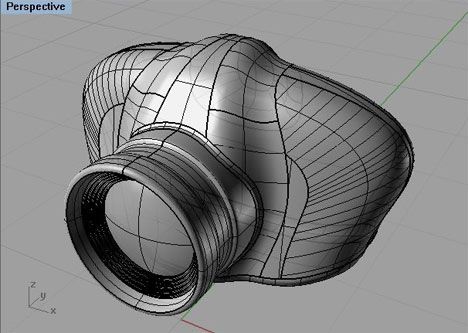
What is AutoCAD with Full Information?

AutoCAD is one of the most widely used software applications in the fields of engineering, architecture, and design. Developed by Autodesk, it allows users to create precise 2D drawings and 3D models, making it an essential tool for professionals who need to visualize, design, and document their work. Whether you are drafting a floor plan, designing a mechanical part, or creating a detailed 3D structure, AutoCAD is built to handle it all.

A Brief History of AutoCAD

AutoCAD was first released in 1982 as one of the earliest computer-aided design (CAD) programs for personal computers. Before CAD, technical drawings were made manually on large drafting tables, a process that was time-consuming and prone to errors. AutoCAD revolutionized the industry by making the drafting process faster, more accurate, and easier to edit. Over the years, it has evolved into a powerful, feature-rich platform with industry-specific toolsets.

Key Features of AutoCAD

  1. 2D Drafting and Drawing – Create detailed technical drawings, layouts, and schematics with high precision.

  2. 3D Modeling and Visualization – Build realistic 3D models for better visualization and presentation.

  3. Annotation Tools – Add dimensions, text, and labels to drawings for clarity and communication.

  4. Customizable Interface – Tailor menus, toolbars, and shortcuts to fit your workflow.

  5. File Compatibility – Supports multiple file formats, including DWG, DXF, and PDF.

  6. Cloud Integration – Save and access files on the cloud for easy collaboration.

  7. Industry-Specific Toolsets – Specialized features for architecture, mechanical design, electrical design, and more.

Applications of AutoCAD

AutoCAD is used across various industries:

  • Architecture – Drafting floor plans, elevations, and construction details.

  • Mechanical Engineering – Designing mechanical parts, assemblies, and manufacturing components.

  • Civil Engineering – Creating site plans, road layouts, and infrastructure designs.

  • Electrical Engineering – Drafting wiring diagrams and circuit layouts.

  • Interior Design – Planning furniture layouts, lighting arrangements, and 3D room visuals.

Advantages of Using AutoCAD

  • Precision – Create highly accurate designs down to the smallest measurement.

  • Efficiency – Speeds up the design process with reusable components and automated tools.
  • Easy Modifications – Edit designs quickly without starting from scratch.

  • Collaboration – Share and review designs with clients and colleagues easily.

  • Visualization – Helps present concepts to clients in an understandable format.

Skills Needed to Use AutoCAD

To work effectively with AutoCAD, you should have:

  • Basic computer literacy

  • Understanding of design principles in your field (architecture, engineering, etc.)

  • Knowledge of 2D drafting and 3D modeling concepts

  • Familiarity with industry standards and units of measurement

Learning AutoCAD

AutoCAD is taught in engineering, architecture, and design courses worldwide. You can learn it through:

  • Online Courses – Platforms like Udemy, Coursera, and Autodesk’s own learning hub.

  • Workshops and Training Institutes – Offer hands-on guidance from industry experts.

  • Self-Practice – Using trial versions or student licenses to build real-world projects.

Final Thoughts

AutoCAD is more than just a drafting tool — it’s an industry standard for design and documentation. Its versatility, precision, and wide range of features make it essential for professionals in multiple fields. Whether you’re a beginner or a seasoned designer, mastering AutoCAD can significantly enhance your career opportunities.

How Important is Knowledge of DSA for Front-End Developers?

Front-end development is often associated with visually appealing designs, smooth user interfaces, and responsive layouts. But behind the colors, animations, and layouts, lies another crucial layer of web development — the logic and performance that drive the user experience. This is where Data Structures and Algorithms (DSA) come into play.

While DSA is usually linked with back-end engineering or competitive programming, it still holds value for front-end developers. The question is — how important is it really?

What is DSA in Simple Terms?

Data Structures are ways of organizing and storing data so it can be used efficiently. Examples include arrays, objects, stacks, queues, linked lists, and trees.
Algorithms are step-by-step procedures or formulas to solve a problem or perform a task — like sorting a list, searching for an item, or optimizing page rendering.

Why DSA Matters for Front-End Developers

  1. Efficient User Interactions
    Complex UI elements — such as dynamic tables, autocomplete search bars, and infinite scroll — often rely on efficient data handling. Understanding DSA helps you design smooth, lag-free interactions.

  2. Better Problem-Solving Skills
    Front-end development isn’t just about “making things pretty.” Sometimes, you need to figure out how to manage and update data efficiently — for example, updating only the changed elements on a page rather than re-rendering everything.

  3. Working with Large Data Sets
    If you’re building dashboards, analytics tools, or data-heavy applications, DSA knowledge allows you to handle filtering, sorting, and pagination without performance bottlenecks.

  4. Optimizing Performance
    When your site loads faster and uses fewer resources, users stay longer. Understanding algorithms can help you write more optimized JavaScript code and avoid costly performance mistakes.

  5. Collaboration with Back-End Teams
    Many front-end projects require interaction with complex APIs or real-time data streams. Having a grasp of DSA helps you understand the data flow and communicate more effectively with back-end engineers.

Do All Front-End Developers Need Advanced DSA Knowledge?

Not necessarily. If your role is purely focused on static pages and simple interactions, deep DSA knowledge might not be a daily requirement. However, for modern front-end roles involving frameworks like React, Angular, or Vue — especially in large-scale projects — having at least an intermediate understanding of DSA is a strong advantage.

How to Learn DSA for Front-End Work

  • Focus on JavaScript Implementations – Practice arrays, objects, maps, and sets in JS.

  • Understand Common Algorithms – Learn sorting, searching, and traversal methods.

  • Apply DSA to Real UI Problems – For example, use binary search in an autocomplete feature or debounce algorithms in event handling.

  • Practice on Coding Platforms – Sites like LeetCode, HackerRank, and CodeSignal offer DSA problems in JavaScript.

Final Thoughts

While you can start as a front-end developer without deep DSA knowledge, it becomes increasingly important as you tackle more complex, data-driven applications. Understanding DSA makes your code more efficient, your problem-solving sharper, and your career prospects brighter. In short — it’s not mandatory for every front-end role, but it’s definitely a career accelerator.

Do Hybrid Electric Vehicles Need Patents to Manufacture?

Hybrid electric vehicles (HEVs) have emerged as a key bridge between conventional gasoline-powered cars and fully electric vehicles. Their ability to reduce fuel consumption and emissions while maintaining range and performance has made them a popular choice for both manufacturers and consumers. However, for companies interested in manufacturing HEVs, one important question arises: Do hybrid electric vehicles require patents to manufacture?

Understanding Patents in the Automotive Industry

Patents are legal protections granted to inventors for their unique innovations, giving them exclusive rights to produce, use, and sell their inventions for a set period—usually 20 years. In the automotive industry, patents cover a wide range of components and technologies, such as:

  • Battery management systems

  • Electric motor designs

  • Regenerative braking systems

  • Hybrid powertrain configurations

  • Charging infrastructure

Since HEVs integrate both electric and internal combustion technologies, they often use multiple patented components or methods.

Do You Always Need Patents to Manufacture HEVs?

Strictly speaking, you do not need to own patents yourself to manufacture hybrid electric vehicles. However, you must avoid infringing on patents owned by other companies. This means:

  • If the technology you plan to use is already patented by another manufacturer, you must seek a license or develop an alternative, non-infringing design.

  • If you develop your own original technology, you can apply for patents to protect it, but it is not a mandatory requirement unless you want exclusivity.

Key Areas Where Patents Matter in HEVs

  1. Battery Technology – Companies like Toyota, Panasonic, and LG Energy Solution hold numerous patents on lithium-ion, nickel-metal hydride, and solid-state battery designs.

  2. Powertrain Systems – The integration of internal combustion engines with electric motors involves patented designs for efficiency and control.

  3. Energy Recovery Systems – Regenerative braking and energy recapture methods are often patented innovations.

  4. Control Software – The algorithms that manage energy flow between the engine, motor, and battery can also be protected under patents.

How Manufacturers Navigate Patents

  • Licensing Agreements – Pay royalties to use patented technology.

  • Joint Ventures – Partner with companies that already hold patents to share technology.

  • Reverse Engineering and Innovation – Develop alternative solutions that avoid infringement.

  • Patent Expiration – Use older technologies whose patents have expired, making them public domain.

Why Patenting Your Own HEV Technology is Beneficial

While not mandatory, owning patents offers:

  • Competitive Advantage – Prevents competitors from copying your innovations.

  • Revenue Opportunities – Licensing your patents can create an additional income stream.

  • Market Positioning – Being recognized as a technology leader builds brand trust.

Final Thoughts

Manufacturing hybrid electric vehicles does not automatically require patents, but it does require careful patent awareness. You must ensure that your designs and components do not infringe on existing patents. At the same time, developing and patenting your own unique innovations can protect your business and give you a competitive edge. In the fast-evolving HEV industry, a smart patent strategy is often just as important as engineering expertise.

What Are the Requirements to Work with Embedded Systems?

Embedded systems are everywhere—from smart home devices and medical equipment to automobiles and industrial machinery. They are specialized computing systems that perform dedicated functions within larger devices. If you’re aiming for a career in embedded systems, you’ll need a combination of technical knowledge, practical skills, and the right mindset.

Let’s explore the key requirements to work successfully with embedded systems.


1. Educational Background

While it’s possible to enter the field through self-study, most professionals have a background in:

  • Electronics and Communication Engineering (ECE)

  • Computer Science or Information Technology

  • Electrical Engineering

  • Mechanical Engineering (for mechatronics applications)

A bachelor’s degree in any of these fields provides a strong foundation in the core principles of hardware and software.


2. Knowledge of Programming Languages

Embedded systems often require low-level programming for efficiency and performance. Key languages include:

  • C – The most widely used language for embedded systems.

  • C++ – Useful for object-oriented designs.

  • Python – Increasingly used for testing and scripting.

  • Assembly Language – For hardware-level control.


3. Understanding of Microcontrollers and Microprocessors

You must know how to work with:

  • Microcontrollers (e.g., Arduino, PIC, STM32)

  • Microprocessors (e.g., ARM, x86)
    Understanding how these devices function, process inputs, and control outputs is crucial for building embedded solutions.


4. Electronics and Hardware Knowledge

Since embedded systems combine hardware and software, you need:

  • Basics of digital electronics (logic gates, registers, memory).

  • Familiarity with circuit design and PCB layout.

  • Knowledge of sensors, actuators, and communication interfaces (UART, SPI, I2C, CAN).


5. Operating Systems Knowledge

Some embedded systems use bare-metal programming (no OS), while others use Real-Time Operating Systems (RTOS).
Popular examples:

  • FreeRTOS

  • VxWorks

  • Embedded Linux

Understanding how to develop and deploy software on these platforms is a key skill.


6. Debugging and Testing Skills

Working with embedded systems often involves:

  • Using debuggers and logic analyzers.

  • Testing code on development boards.

  • Diagnosing hardware/software integration issues.


7. Soft Skills and Problem-Solving Ability

Beyond technical expertise, you need:

  • Attention to detail – Embedded systems are often used in safety-critical applications.

  • Teamwork – Working with hardware, firmware, and software teams.

  • Adaptability – Technology in this field evolves rapidly.


8. Additional Certifications (Optional but Valuable)

Certifications can boost your profile:

  • ARM Accredited Engineer

  • Certified LabVIEW Developer

  • IoT & Embedded Systems Certifications from platforms like Coursera, Udemy, or NI.


Conclusion

To work with embedded systems, you need a solid foundation in electronics, programming, and hardware design, coupled with strong problem-solving skills. With the right mix of education, hands-on practice, and continuous learning, you can build a rewarding career in this exciting and fast-growing field.

What Is Cloud Computing with an Example?

In today’s digital era, businesses, developers, and even everyday users rely heavily on technology to store, process, and manage data. One of the most transformative innovations making this possible is cloud computing. But what exactly is cloud computing, and how does it work? Let’s break it down with a simple example.


1. Understanding Cloud Computing

Cloud computing is the delivery of computing services—such as storage, processing power, databases, networking, and software—over the internet (“the cloud”) instead of using local servers or personal devices.

Instead of buying expensive hardware or software, you can access these resources on demand, paying only for what you use.

Key benefits of cloud computing:

  • Cost-effective – No need to buy or maintain physical servers.

  • Scalable – Easily increase or decrease resources based on needs.

  • Accessible – Work from anywhere with an internet connection.

  • Reliable – Cloud providers offer high uptime and data backup.


2. Types of Cloud Computing

Cloud computing services generally fall into three main categories:

  1. Infrastructure as a Service (IaaS): Provides virtualized computing resources (e.g., Amazon Web Services EC2).

  2. Platform as a Service (PaaS): Offers a platform for developers to build applications without managing servers (e.g., Google App Engine).

  3. Software as a Service (SaaS): Delivers software applications over the internet (e.g., Google Drive, Microsoft 365).


3. Example of Cloud Computing

Imagine you are a photographer who takes thousands of high-resolution images for clients. Storing them on your laptop quickly fills up the storage.

Instead of buying multiple hard drives, you use Google Drive (a SaaS cloud service).

  • You upload all your images to Google Drive.

  • You can access them anytime, anywhere, from any device.

  • You can easily share them with clients using a link.

  • Your files are backed up, so you won’t lose them if your laptop gets damaged.

Here, Google’s servers (the cloud) store and manage your data while you simply access them online—that’s cloud computing in action.


4. Real-World Applications of Cloud Computing

  • Netflix streaming movies to millions of users.

  • Dropbox storing and syncing files across devices.

  • Zoom hosting online meetings.

  • AWS providing infrastructure for startups and enterprises.


Conclusion

Cloud computing is revolutionizing how individuals and businesses manage data and resources. By offering flexibility, scalability, and cost-efficiency, it eliminates the need for heavy investments in hardware. Whether you’re streaming a movie, backing up photos, or running a large-scale enterprise application, chances are—you’re already using cloud computing.

Which Is More Useful for a Mechanical Engineer, IoT or Robotics?

In the ever-evolving world of engineering, mechanical engineers are no longer confined to gears, shafts, and machines alone. The rise of digital technologies like the Internet of Things (IoT) and Robotics has opened new frontiers where mechanical engineering meets electronics, software, and data science. But when it comes to career growth and real-world application, many mechanical engineers wonder—Which is more useful: IoT or Robotics?

Let’s break it down.


1. Understanding IoT and Robotics

Internet of Things (IoT):
IoT refers to a network of physical devices connected through the internet, capable of collecting and exchanging data. In mechanical engineering, IoT is widely used for predictive maintenance, smart manufacturing, and real-time monitoring of machines.

Robotics:
Robotics involves the design, construction, and operation of robots. For mechanical engineers, this includes working on mechanical design, motion systems, and integrating robotics into manufacturing, automation, and industrial processes.


2. IoT in Mechanical Engineering

Mechanical engineers working with IoT can:

  • Implement smart sensors for real-time equipment monitoring.

  • Use predictive maintenance systems to reduce downtime.

  • Enable Industry 4.0 solutions for smart factories.

  • Collect operational data for performance optimization.

Example:
A mechanical engineer in the automotive sector could use IoT sensors to monitor engine performance and detect faults before they cause breakdowns.


3. Robotics in Mechanical Engineering

Mechanical engineers in robotics focus on:

  • Designing robotic arms and automation systems.

  • Improving manufacturing efficiency with industrial robots.

  • Working on mechanical components of humanoid or autonomous robots.

  • Integrating mechatronics for advanced systems.

Example:
In a production line, a mechanical engineer might design robotic grippers to handle fragile components with precision.


4. Key Differences for Mechanical Engineers

Aspect IoT Robotics
Focus Area Data collection & communication Physical automation & movement
Skill Overlap Sensors, networking, data analytics Mechanics, design, control systems
Applications Predictive maintenance, remote monitoring Assembly, welding, material handling
Learning Curve Requires basic electronics & programming Requires strong mechanical & mechatronic skills

5. Which One is More Useful?

The answer depends on career goals:

  • If you want to work in data-driven engineering, predictive maintenance, and smart systems, IoT will be more useful.

  • If you’re passionate about automation, designing machines, and hands-on mechanical systems, robotics will be a better choice.

In the era of Industry 4.0, the most in-demand mechanical engineers are those who can combine IoT and robotics—for example, designing robots that can collect and analyze IoT data for smarter operation.


Conclusion

Both IoT and robotics are valuable for mechanical engineers, but their usefulness depends on your specialization. If your interest lies in data and connectivity, choose IoT. If you prefer machines and automation, go for robotics. The best option? Learn both, and position yourself at the intersection of these technologies to stay future-proof in your career.

How Do I Practice Machine Learning Problems with Python?

Python has become the go-to language for machine learning because of its simplicity, readability, and powerful libraries. If you want to improve your machine learning skills, consistent hands-on practice is the key. But where should you start, and how should you practice effectively? Let’s break it down step by step.


1. Master the Basics of Python and Data Handling

Before diving into machine learning, make sure you’re comfortable with Python basics like:

  • Variables, loops, and functions

  • Lists, dictionaries, and tuples

  • File handling

  • Libraries like NumPy and Pandas for data manipulation

💡 Tip: Practice by loading CSV files and performing basic data cleaning tasks such as handling missing values and removing duplicates.


2. Learn and Use Popular ML Libraries

Python’s ecosystem offers several powerful machine learning libraries:

  • Scikit-learn: Best for beginners, offering a wide range of supervised and unsupervised algorithms.

  • TensorFlow / PyTorch: Ideal for deep learning projects.

  • Matplotlib & Seaborn: For data visualization.

💡 Tip: Start with Scikit-learn to understand model building, training, and evaluation before moving on to deep learning frameworks.


3. Work on Small, Structured Datasets First

Begin with datasets that are easy to understand and well-documented, such as:

  • Iris Dataset – Classification of flower species

  • Titanic Dataset – Predicting survival of passengers

  • Boston Housing Dataset – Predicting house prices

💡 Where to find them: Scikit-learn’s datasets module, Kaggle, and UCI Machine Learning Repository.


4. Practice the ML Workflow

Every machine learning project follows a general workflow:

  1. Understand the problem

  2. Load and explore the data

  3. Clean and preprocess data (handle missing values, encode categories, scale features)

  4. Split into training and testing sets

  5. Train the model

  6. Evaluate performance (accuracy, precision, recall, etc.)

  7. Tune hyperparameters for better results

💡 Example: Use Scikit-learn’s train_test_split and GridSearchCV for model optimization.


5. Take on Real-World Projects

Once you’re comfortable with basics, move to real-world problems:

  • Predicting stock prices

  • Sentiment analysis on Twitter data

  • Detecting spam emails

  • Image classification using deep learning

💡 Tip: Participate in Kaggle competitions — they offer real datasets and a community to learn from.


6. Learn by Reproducing Others’ Work

Read tutorials, GitHub projects, or research papers and try to reproduce the results on your own machine. This helps you understand how experienced ML practitioners approach problems.


7. Keep Practicing Consistently

Machine learning skills improve with consistent practice. Set aside regular time for:

  • Trying new algorithms

  • Experimenting with feature engineering

  • Testing different evaluation metrics


Conclusion

Practicing machine learning problems with Python is a mix of mastering the tools, working on diverse datasets, and following the complete ML workflow. By starting small, using the right libraries, and steadily tackling real-world projects, you can build a strong foundation and become confident in applying machine learning to solve practical problems.

Machine Learning or Data Science, Which Has a Better Future?

The rise of Artificial Intelligence has sparked a lot of interest in two closely related fields — Machine Learning (ML) and Data Science (DS). Both are in high demand, offer lucrative salaries, and play critical roles in shaping the future of technology. But if you’re wondering which one has a better future, the answer depends on their scope, applications, and evolving trends.

Understanding the Difference

Before comparing their future potential, it’s important to know what each field actually involves.

  • Data Science is about extracting meaningful insights from raw data. It combines statistics, programming, and domain knowledge to analyze and interpret data for decision-making.

  • Machine Learning is a subset of AI and Data Science that focuses on building algorithms that can learn from data and make predictions without being explicitly programmed.

Simply put: Data Science answers questions, while Machine Learning creates predictive models.


The Scope of Data Science

Data Science is used across almost every industry.

  • Business Decision Making: Helps companies identify trends and improve strategies.

  • Healthcare: Analyzes patient data to suggest treatments and prevent diseases.

  • Marketing: Personalizes campaigns for better customer engagement.

  • Finance: Detects fraud and manages risk.

With the explosion of big data from IoT, social media, and business operations, data scientists will continue to be in demand. However, the field is becoming more automated, and tools like AutoML and advanced analytics platforms might reduce some manual tasks.


The Scope of Machine Learning

Machine Learning is at the heart of many cutting-edge technologies.

  • Self-Driving Cars: Learn from millions of driving scenarios to navigate roads.

  • Speech & Image Recognition: Powers assistants like Siri and Google Lens.

  • Recommendation Systems: Suggests products on Amazon and shows you relevant content on Netflix.

  • Predictive Maintenance: Reduces downtime in industries by anticipating failures.

Machine Learning is not just a skill; it’s a core technology for AI-driven automation and innovation. As industries integrate more intelligent systems, ML experts will see expanding opportunities.


Which Has a Better Future?

  • Data Science will always be relevant because data-driven decision-making is the foundation of modern business. However, much of the future demand will be for professionals who can also implement machine learning techniques to make data analysis more actionable.

  • Machine Learning is rapidly growing as automation, AI, and predictive modeling become mainstream. In many cases, companies prefer candidates who combine data science fundamentals with machine learning expertise.

If you’re looking for specialization in innovation and AI-driven systems, Machine Learning has the edge. If you want a broad field with opportunities in every industry, Data Science is still incredibly strong.


Final Verdict

Both fields are intertwined, and the smartest career move is to learn the fundamentals of Data Science while mastering Machine Learning. This combination ensures you’re prepared for the next wave of AI-powered industries and future job markets.

Can Anyone Say Various Applications of Artificial Intelligence?

Artificial Intelligence (AI) is no longer just a concept from science fiction — it’s a powerful reality shaping the modern world. From voice assistants like Alexa to advanced medical diagnostics, AI has found its way into almost every sector. But what exactly are its applications, and how do they impact our daily lives and industries? Let’s explore the various ways AI is being used today.

1. Healthcare and Medicine

AI is transforming healthcare by enabling faster, more accurate diagnoses and personalized treatments.

  • Medical Imaging: AI tools help detect diseases like cancer at earlier stages through advanced image analysis.

  • Drug Discovery: AI speeds up the process of finding new drugs by predicting effective chemical combinations.

  • Virtual Health Assistants: Chatbots and apps provide round-the-clock medical advice and appointment scheduling.

2. Finance and Banking

Banks and financial institutions use AI for better security, efficiency, and customer experience.

  • Fraud Detection: AI algorithms monitor transactions to spot unusual patterns.

  • Algorithmic Trading: AI can predict market trends and execute trades in milliseconds.

  • Personal Finance Management: Apps like Mint use AI to help people manage their budgets effectively.

3. Education

AI is making learning more personalized and accessible.

  • Adaptive Learning Platforms: Systems adjust the pace and content based on a student’s needs.

  • Automated Grading: Saves time for teachers and provides quick feedback to students.

  • Language Learning: AI-based apps like Duolingo make language acquisition engaging and efficient.

4. Transportation

AI is paving the way for smarter and safer travel.

  • Self-Driving Cars: Companies like Tesla are developing AI-powered autonomous vehicles.

  • Traffic Management: AI systems optimize traffic flow in busy cities.

  • Predictive Maintenance: AI predicts vehicle failures before they occur.

5. Retail and E-Commerce

Retailers use AI to improve the shopping experience.

  • Product Recommendations: AI suggests items based on browsing and buying behavior.

  • Inventory Management: Predicts demand to prevent stock shortages or overstock.

  • Customer Support: AI chatbots assist customers 24/7.

6. Entertainment and Media

AI enhances how we consume and create content.

  • Content Recommendations: Netflix and YouTube use AI to suggest shows and videos.

  • Gaming: AI creates adaptive and challenging game experiences.

  • Content Creation: AI tools can write scripts, compose music, or even generate artwork.

7. Manufacturing

In industries, AI improves efficiency and quality.

  • Automation: AI-powered robots handle repetitive tasks with precision.

  • Quality Control: Detects defects in products faster than human inspectors.

  • Supply Chain Optimization: Predicts demand and manages logistics effectively.

8. Cybersecurity

AI strengthens defense against online threats.

  • Threat Detection: Identifies suspicious activities in real-time.

  • Incident Response: Automates immediate countermeasures against attacks.

  • User Authentication: Enhances security with biometric verification.


Conclusion

Artificial Intelligence is everywhere — from our pockets to global industries — making our lives smarter, faster, and more efficient. As technology evolves, AI’s applications will only expand, opening doors to new possibilities and transforming the way we live and work.

Form submitted! Our team will reach out to you soon.
0
    0
    Your Cart
    Your cart is emptyReturn to Course