
In today’s digital-first world, cloud computing has become the backbone of modern technology. From startups to global enterprises, organizations rely heavily on cloud platforms to store data, deploy applications, and scale their businesses. This raises an important question for students and professionals alike: does learning cloud computing really help in building a successful career? The short answer is yes—and here’s why.
What Is Cloud Computing?
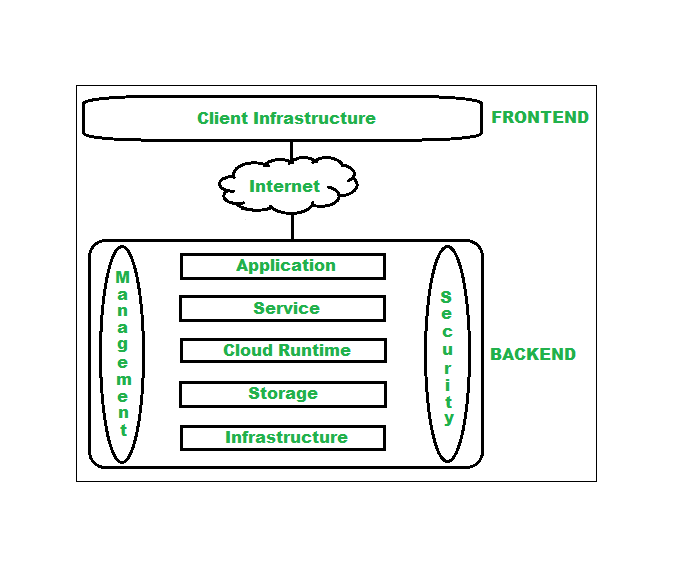
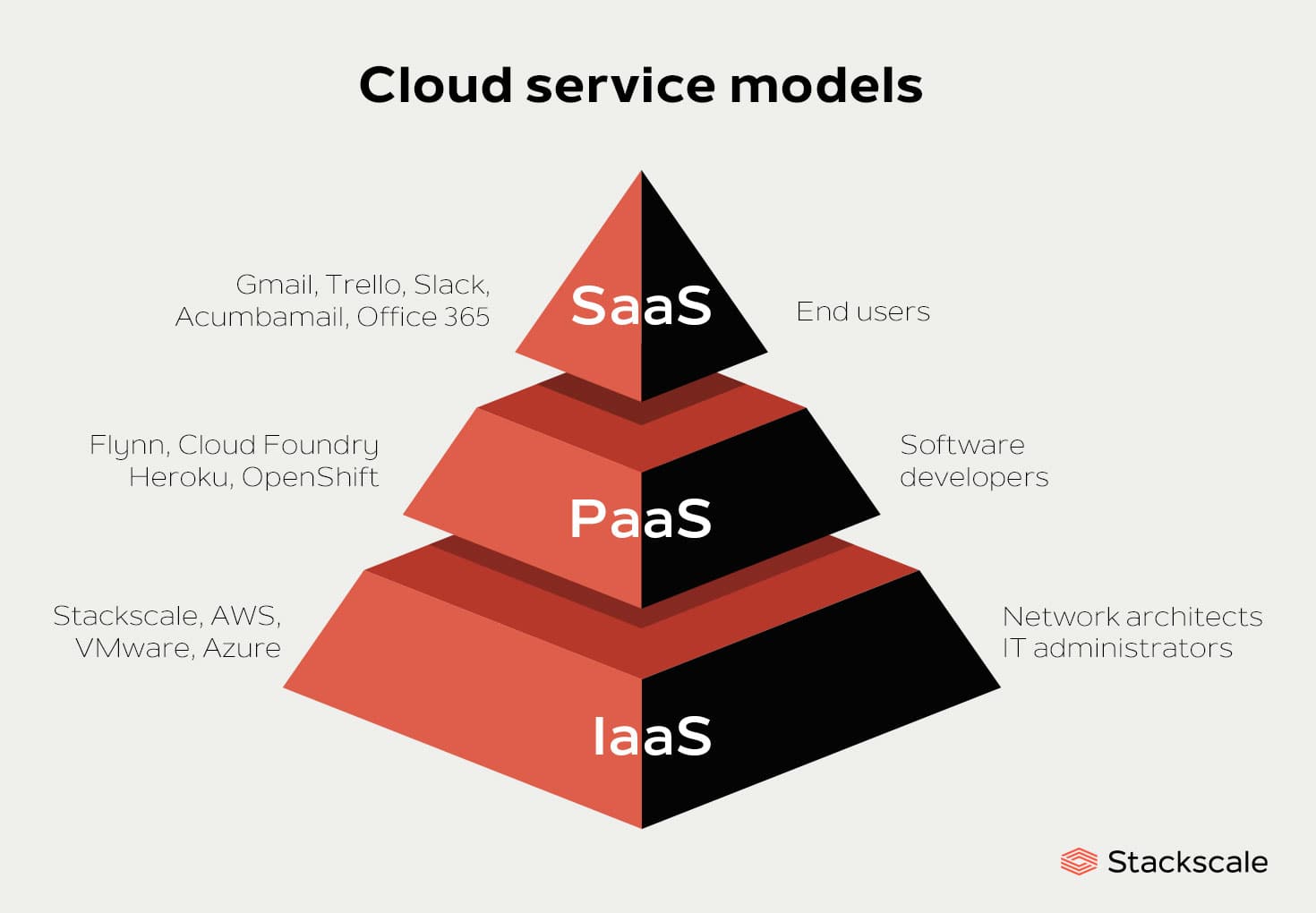
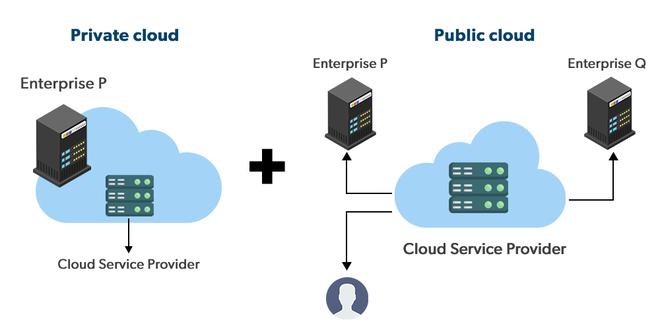
Cloud computing refers to delivering computing services such as servers, storage, databases, networking, software, and analytics over the internet (“the cloud”). Instead of owning and maintaining physical hardware, businesses rent these resources on demand from cloud providers like AWS, Microsoft Azure, and Google Cloud Platform (GCP).
Why Cloud Computing Skills Are in High Demand
One of the biggest reasons learning cloud computing helps your career is market demand. Companies are rapidly migrating from traditional on-premise systems to cloud-based infrastructure because it is cost-effective, flexible, and scalable. As a result, employers are actively looking for professionals who understand cloud technologies.
Cloud skills are required in:
-
IT services and consulting companies
-
Product-based tech firms
-
Startups and SaaS companies
-
Banking, healthcare, and e-commerce industries
This widespread adoption ensures long-term career stability.
Career Opportunities in Cloud Computing
Learning cloud computing opens the door to multiple career paths, depending on your interests and background:
-
Cloud Engineer – Designs, deploys, and manages cloud infrastructure
-
Cloud Architect – Plans cloud strategies and system architecture
-
DevOps Engineer – Integrates cloud with CI/CD pipelines and automation
-
Site Reliability Engineer (SRE) – Ensures system reliability and scalability
-
Cloud Security Engineer – Focuses on securing cloud environments
These roles are not limited to one industry, which makes cloud computing a versatile career choice.
Salary and Career Growth Benefits
Cloud computing professionals often earn higher-than-average salaries because of the specialized skill set involved. As organizations continue their digital transformation journeys, experienced cloud professionals move quickly into senior, lead, or architect-level positions.
Certifications from major cloud providers such as AWS, Azure, and GCP further boost credibility and earning potential.
Cloud Computing Complements Other Skills
Another major advantage is that cloud computing blends well with other in-demand skills:
-
Web Development – Hosting and scaling web applications
-
Data Science & AI – Running data pipelines and ML models on the cloud
-
Cybersecurity – Securing cloud infrastructure and applications
-
DevOps – Automating deployments and monitoring systems
If you already have experience in development or IT, cloud computing can significantly accelerate your career growth.
Is Cloud Computing Good for Beginners?
Yes. Cloud computing is beginner-friendly, especially with the availability of:
-
Free-tier cloud accounts
-
Online labs and hands-on projects
-
Entry-level certifications
Even non-programmers can start with cloud fundamentals and gradually move toward specialized roles.
Future Scope of Cloud Computing
Cloud computing is not a passing trend. Technologies like AI, IoT, big data, and remote work systems heavily depend on cloud infrastructure. As these technologies evolve, the demand for cloud professionals will only increase.
Final Thoughts
So, does learning cloud computing help your career? Absolutely. It offers strong job demand, high salaries, diverse career paths, and long-term growth opportunities. Whether you are a student, a working professional, or someone planning a career switch, cloud computing is a skill worth investing in.


