
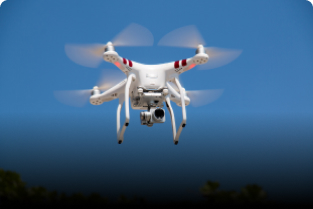
Drone engineering has rapidly evolved from simple remote-controlled devices to intelligent flying machines capable of performing complex tasks across industries. In 2026, drones are more advanced, autonomous, and widely used than ever before. Whether it’s delivering packages, monitoring crops, or aiding in disaster management, drone technology is transforming the future of flight.
If you’re curious about how drones work and why drone engineering is one of the fastest-growing tech fields, this guide will give you everything you need to know.
What Is Drone Engineering?
Drone engineering involves designing, building, and maintaining unmanned aerial vehicles (UAVs). It combines multiple disciplines, including:
- Aerodynamics
- Mechanical engineering
- Software development
- Electronics and robotics
- Artificial intelligence (AI)
The goal is to create drones that can fly efficiently, navigate autonomously, capture data, and perform specialized tasks.
How Do Drones Work? Key Components
A modern drone is built using advanced systems that work together seamlessly. Here are the key components:
1. Frame and Structure
Provides the foundation and determines stability, weight, and durability.
2. Propellers & Motors
Generate lift and directional control. Brushless motors offer higher efficiency.
3. Flight Controller
Acts as the drone’s brain—processing signals, stabilizing flight, and controlling movement.
4. Sensors
Drones use several sensors such as:
- Gyroscope
- Accelerometer
- GPS
- LiDAR
- Obstacle detection sensors
These help the drone understand its environment.
5. Battery & Power Systems
Most drones run on lithium-polymer (LiPo) batteries for long and powerful flights.
6. Camera Systems
High-definition cameras enable mapping, photography, surveillance, and analysis.
7. Software & AI Algorithms
AI helps drones navigate autonomously, avoid obstacles, and complete tasks without human intervention.
Types of Drones in 2026
1. Multirotor Drones
Most common for photography, inspections, and small operations.
2. Fixed-Wing Drones
Ideal for long-distance travel and surveying large areas.
3. Hybrid / VTOL Drones
Combine vertical takeoff with the long-range ability of fixed-wing aircraft.
4. Nano and Micro Drones
Used for research, indoor inspections, and specialty missions.
5. Industrial / Heavy-Lift Drones
Designed to carry large payloads for logistics and construction.
Applications of Drone Engineering in 2026
Drone engineering is revolutionizing multiple sectors:
1. Agriculture
Drones monitor crop health, spray fertilizers, and collect soil data. Precision farming saves time and increases yield.
2. Delivery & Logistics
Companies are using drones for same-day deliveries in cities and remote areas.
3. Construction & Infrastructure
Engineers use drones for site inspection, mapping, surveying, and structural analysis.
4. Defense & Security
Surveillance drones help monitor borders, track threats, and support military operations.
5. Healthcare
Drones deliver medical supplies, blood samples, and emergency equipment in record time.
6. Disaster Management
Used to locate survivors, map affected zones, and deliver relief materials.
7. Environmental Monitoring
Drones track wildlife, detect forest fires, and monitor pollution levels.
Latest Drone Engineering Trends in 2026
1. AI-Powered Autonomous Drones
Smart drones can make decisions, detect obstacles, and navigate complex environments.
2. Longer Battery Life & Solar Drones
Advancements in battery tech are increasing flight times dramatically.
3. Swarm Robotics
Multiple drones working together like a swarm improve efficiency in defense, agriculture, and research.
4. 5G and Real-Time Data Transfer
High-speed connectivity enables smoother flying and faster data streaming.
5. Hydrogen Fuel Cell Drones
Offering longer flight durations and cleaner energy.
6. Improved Safety & Regulations
Countries are implementing stricter but clearer drone rules, making commercial use easier.
Skills Needed to Start a Career in Drone Engineering
If you want to build a career in drone engineering, start with these essential skills:
- Understanding of mechanical and electrical engineering
- Proficiency in programming (Python, C++, embedded systems)
- Knowledge of aerodynamics
- Hands-on experience with sensors and microcontrollers
- Familiarity with UAV regulations
- Ability in 3D modeling and CAD software
- Experience with AI, computer vision, or robotics
Even beginners can start learning through online courses and drone kits.
Why Drone Engineering Is the Future
The demand for drone engineers is rising due to the growth of automation, smart cities, and AI integration. Drones are no longer luxury gadgets—they’re essential tools in global industries.
As drone technology becomes more advanced, the need for skilled professionals who can design, build, and manage UAV systems will only continue to grow.
Conclusion
Drone engineering is at the frontier of modern innovation. From delivering medicines to surveying land and saving lives during disasters, drones are shaping the future of flight and technology.


