
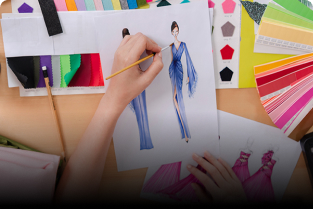
Fashion Design Enters a Transformative Era
Fashion designing in 2026 looks completely different from what it was just a few years ago. With rapid advancements in AI, sustainability, digital fashion, and smart textiles, the industry is shifting toward innovation, eco-consciousness, and hyper-personalized style. Fashion is no longer just about fabrics and sketches—it is about merging creativity with technology, data, and global culture.
Whether you’re a fashion student, designer, or trend enthusiast, understanding what the fashion world looks like in 2026 helps you stay ahead of the curve.
Top Fashion Design Trends That Define 2026
1. AI-Assisted Fashion Creation
Artificial intelligence has become a powerful co-designer.
AI tools now help designers:
- generate design ideas
- create color palettes
- forecast fashion trends
- customize outfits for specific audiences
In 2026, AI does the groundwork, but human creativity still leads the final design vision.
2. Rise of Digital Fashion & Virtual Clothing
Digital clothing is no longer just for gaming—it’s a massive industry.
In 2026, designers create:
- Virtual outfits for social media
- AR try-on garments
- Clothing for the metaverse
- Digital fashion shows
This allows fashion creators to experiment without material waste and reach global audiences.
3. Sustainable & Eco-Conscious Fashion
Eco-friendly design isn’t a trend anymore—it’s a requirement.
Brands in 2026 prioritize:
- recycled fabrics
- plant-based materials
- zero-waste patterns
- biodegradable textiles
- slow fashion principles
Consumers expect both style and sustainability.
4. Smart Textiles & Wearable Technology
Fashion and technology merge seamlessly.
Smart garments can now:
- monitor health
- regulate temperature
- adjust fit automatically
- connect with smartphones
Designers must understand both fashion aesthetics and basic tech functionality.
5. Hyper-Personalized Fashion
Thanks to data and AI, fashion in 2026 is more personalized than ever.
Clothing is customized based on:
- body shape
- personal style
- lifestyle habits
- past choices
Brands use predictive analytics to offer unique pieces tailored to each customer.
Essential Skills Fashion Designers Need in 2026
1. Digital Designing Proficiency
Modern designers must be skilled in:
- 3D fashion design software
- digital pattern-making tools
- AI sketch assistants
- CLO3D, Browzwear, and Adobe tools
Digital-first design speeds up the creative process dramatically.
2. Strong Understanding of Fabrics & Sustainable Materials
Knowing how materials behave—physically and ethically—is more important than ever.
Designers must study:
- organic fibers
- recycled textiles
- climate-conscious dyes
- performance fabrics
This shapes responsible fashion innovation.
3. Creativity with Technology
Technology is now part of the creative toolkit.
Designers who combine imagination with digital tools stand out in 2026.
4. Trend Forecasting & Cultural Awareness
Fashion is deeply influenced by:
- global culture
- social movements
- entertainment
- technology
- sustainability
Designers must stay updated with global trends while maintaining their unique design identity.
5. Business & Branding Knowledge
Fashion in 2026 is not just design—it’s entrepreneurship.
Designers must know:
- brand building
- social media marketing
- consumer psychology
- e-commerce strategies
This helps them thrive in a competitive industry.
Career Opportunities in Fashion Designing in 2026
Fashion designing offers more creative job paths than ever.
High-demand careers include:
- Sustainable fashion designer
- Digital fashion designer
- Textile technologist
- Fashion illustrator
- Apparel product developer
- Costume designer
- Fashion merchandiser
- Trend forecaster
Digital and eco-friendly roles are growing the fastest.
How Fashion Students Can Prepare for 2026
To succeed in the new fashion ecosystem:
- Learn digital design tools
- Understand sustainable practices
- Study garment construction deeply
- Stay updated on fashion tech
- Build a versatile portfolio
- Experiment with new-age fabrics
- Strengthen creativity through research and innovation
Consistency and curiosity are the keys to becoming a future-ready designer.


