
Genetic engineering is one of the most revolutionary scientific advancements of our time. From treating inherited diseases to developing disease-resistant crops, this field is reshaping how we understand and interact with life itself. But its biggest impact is happening in medicine, where it is opening doors to treatments that were once thought impossible.
In this blog, you’ll learn what genetic engineering is, how it works, and why it’s becoming a game-changer for the future of healthcare.
What Is Genetic Engineering?
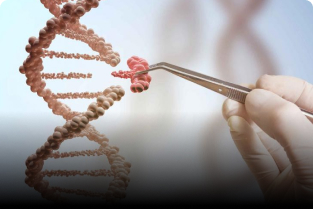
Genetic engineering is the process of modifying or manipulating an organism’s DNA to achieve desired changes. Scientists can add, remove, or alter genes to:
- Correct genetic defects
- Improve biological functions
- Introduce new traits
- Prevent or treat diseases
One of the most famous tools used today is CRISPR-Cas9, which acts like molecular scissors, allowing precise editing of DNA.
How Genetic Engineering Works
Genetic engineering involves several key steps:
1. Identifying the Target Gene
Scientists first determine which gene needs to be edited—whether it’s one causing disease or one needed to add a new trait.
2. Using Gene-Editing Tools
Techniques like CRISPR, TALENs, and zinc finger nucleases help precisely cut or modify DNA sequences.
3. Delivering the Modified Gene
This is often done using viral vectors, nanoparticles, or other delivery systems that carry the edited gene into the patient’s cells.
4. Monitoring Results
Scientists check whether the gene is functioning as expected and ensure there are no harmful side effects.
Applications of Genetic Engineering in Medicine
Genetic engineering is already transforming multiple fields of medicine, including:
1. Gene Therapy
Gene therapy treats diseases by correcting faulty genes. It is used for conditions like:
- Hemophilia
- Spinal muscular atrophy
- Certain types of inherited blindness
2. Personalized Medicine
Doctors can tailor treatments based on a patient’s genetic makeup, improving accuracy and reducing side effects.
3. Cancer Treatment
Genetically engineered immune cells, known as CAR-T cells, help the body identify and kill cancer cells more effectively.
4. Vaccines and Drug Development
Modern vaccines, including mRNA vaccines, are created using genetic engineering techniques to improve effectiveness and speed.
5. Regenerative Medicine
Scientists are exploring ways to grow tissues and even entire organs using genetically modified cells.
Benefits of Genetic Engineering in Healthcare
Genetic engineering provides several major benefits:
- Treats previously incurable diseases
- Reduces the risk of inherited disorders
- Enables precision medicine
- Improves drug effectiveness
- Promotes early detection and prevention
These advancements promise longer, healthier lives with far fewer medical complications.
Ethical Considerations
While promising, genetic engineering also raises important ethical questions:
- Should we edit genes in unborn babies?
- Who decides what traits are acceptable?
- Could genetic editing lead to inequality?
Responsible guidelines and global policies are essential to ensure the safe use of this powerful technology.
The Future of Genetic Engineering in Medicine
The future is incredibly exciting. We may soon see:
- Cures for many genetic diseases
- Lab-grown organs for transplant
- Advanced cancer treatments
- Personalized medicines for every individual
- Longer life expectancy and improved quality of life


