
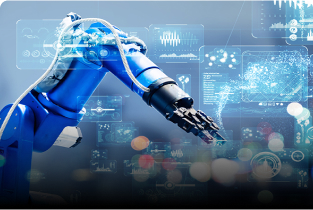
The worlds of embedded systems, the Internet of Things (IoT), and robotics may seem like separate technology fields, but they are deeply interconnected. In fact, modern smart devices and intelligent robots exist today because these three domains work together seamlessly.
Whether it’s a home automation system, a drone, a self-driving car, or a factory robot—each relies on a combination of embedded hardware, connectivity, and intelligent control.
This blog explains how these fields connect, why their integration matters, and how they shape the future of automation and smart technology.
1. Understanding the Three Components
a) Embedded Systems
An embedded system is a small, specialized computer built inside a device to perform specific tasks.
Examples:
-
Washing machines
-
Smartwatches
-
Drones
-
Medical devices
Embedded systems act as the brain of electronic devices.
b) Internet of Things (IoT)
IoT refers to a network of devices connected to the internet, capable of sharing data with each other.
Examples:
-
Smart homes
-
Wearable devices
-
Smart agriculture systems
-
Connected cars
IoT enables remote monitoring, data exchange, and automation.
c) Robotics


Robotics involves machines that can perform tasks automatically through sensors, actuators, and control systems.
Examples:
-
Industrial robots
-
Humanoid robots
-
Delivery drones
-
Autonomous vehicles
Robotics requires real-time decision-making and precise control.
2. How Embedded Systems, IoT, and Robotics Work Together
2.1 Embedded Systems as the Foundation
Robots and IoT devices rely on microcontrollers, processors, and sensors—all part of embedded systems.
Without embedded systems:
-
Robots wouldn’t move
-
IoT devices wouldn’t collect data
-
Automation wouldn’t exist
Embedded systems provide:
-
Sensor data processing
-
Real-time control
-
Power management
-
Device-to-device communication
2.2 IoT Extends the Capabilities of Robotics and Embedded Systems
IoT allows embedded devices and robots to:
-
Communicate through Wi-Fi, Bluetooth, Zigbee, 5G
-
Share data with cloud platforms
-
Be controlled remotely through apps
-
Receive updates and AI-based insights
Examples:
-
A robot vacuum controlled via smartphone
-
A drone sending live GPS location to the cloud
-
Smart factories using IoT-enabled robots for automatic monitoring
IoT transforms standalone devices into connected intelligent ecosystems.
2.3 Robotics Combines Embedded Systems + IoT for Intelligent Automation
Modern robots use:
-
Embedded controllers to manage sensors and motors
-
IoT connectivity to access real-time data and remote commands
Applications:
-
Warehouses using IoT-based robot fleets
-
Healthcare robots collecting patient data
-
Agricultural robots using weather or soil data from IoT devices
Robotics becomes far more powerful when integrated with IoT networks and embedded computing.
3. Real-World Examples of Their Interconnection
Example 1: Smart Home Robot Assistants
-
Embedded systems control movement and sensors
-
IoT connects the robot to home devices
-
Robotics enables interaction and automation
Example 2: Autonomous Vehicles (Self-Driving Cars)
-
Embedded systems control braking, acceleration, sensors
-
IoT provides GPS, traffic updates, cloud data
-
Robotics enables decision-making and navigation
Example 3: Industrial Automation (Industry 4.0)
Robots perform tasks
-
IoT monitors machines and sends insights
-
Embedded systems run the controllers
This allows factories to operate with high efficiency and low error rates.
4. Benefits of Integrating Embedded Systems, IoT, and Robotics
✔ Enhanced automation
✔ Real-time monitoring and control
✔ Smarter decision-making with cloud data
✔ Predictive maintenance
✔ Energy-efficient systems
✔ More personalized user experiences
This integration is the backbone of next-generation solutions across industries.
5. Future of This Interconnected Ecosystem
As AI continues to grow, embedded systems, IoT, and robotics will merge even more tightly to create:
-
Smart cities
-
Fully automated factories
-
Home robots capable of emotional interaction
-
Intelligent healthcare systems
-
Autonomous transportation networks
This trio will drive the next wave of digital transformation.
Conclusion
Embedded systems, IoT, and robotics are not isolated technologies—they are deeply interconnected and depend on one another.
-
Embedded systems provide the computing foundation.
-
IoT connects devices to the digital world.
-
Robotics brings automation and intelligence to life.


