

Machine learning is at the core of many modern technologies—from recommendation systems and voice assistants to fraud detection and self-driving cars. With demand for skilled professionals rising rapidly, many aspiring technologists ask: how can one become a good machine learning engineer? The journey requires a mix of strong fundamentals, practical experience, and continuous learning.
Build a Strong Foundation in Mathematics and Statistics
Machine learning models are built on mathematical principles. To truly understand how algorithms work, you need clarity in:
-
Linear algebra (vectors, matrices, eigenvalues)
-
Probability and statistics (distributions, hypothesis testing, Bayes’ theorem)
-
Calculus (gradients, partial derivatives, optimization)
You don’t need to be a mathematician, but a solid conceptual understanding will help you debug models and improve performance.
Learn Programming with a Focus on Python
Python is the most widely used language in machine learning. It is beginner-friendly and supported by powerful libraries that simplify complex tasks.
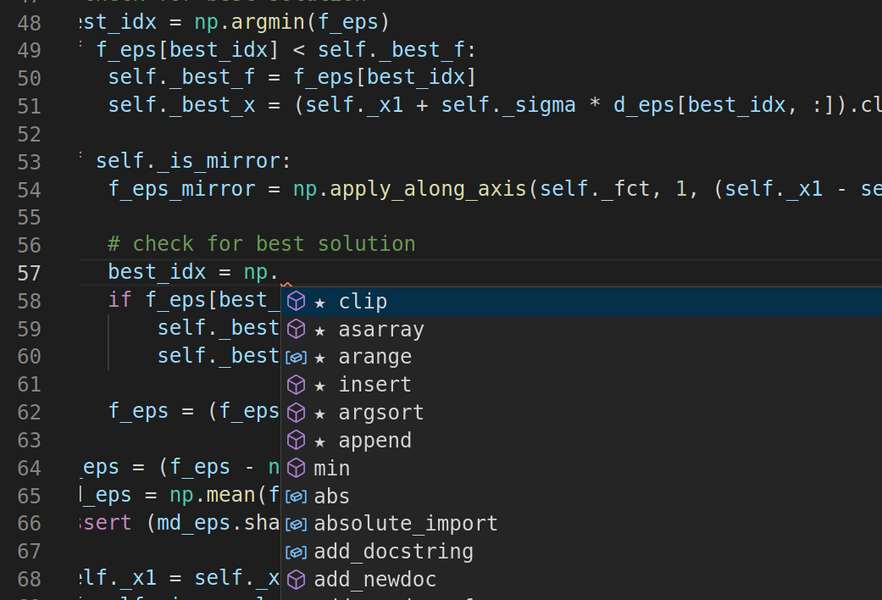
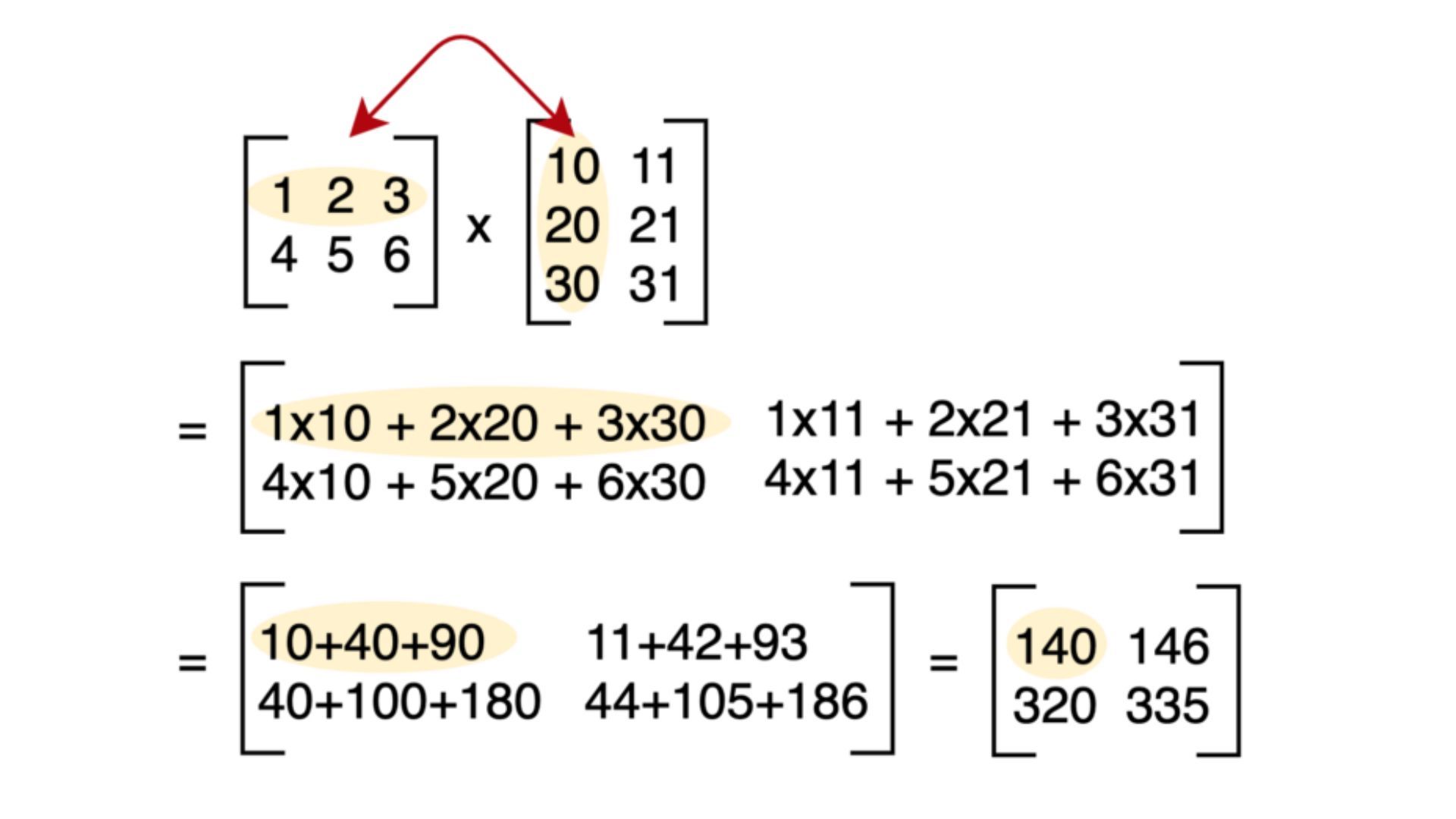
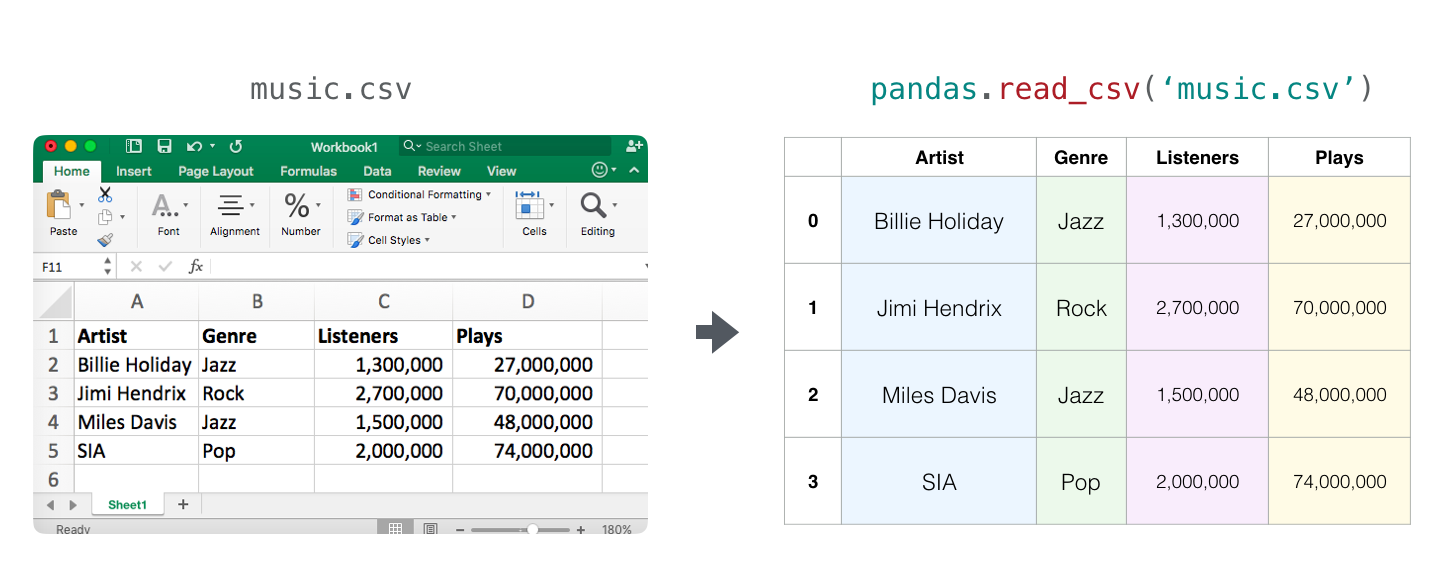
Key libraries to master include:
-
NumPy & Pandas for data manipulation
-
Matplotlib & Seaborn for data visualization
-
Scikit-learn for classical machine learning algorithms
-
TensorFlow & PyTorch for deep learning
Understand Core Machine Learning Algorithms
A good machine learning engineer understands not just how to use algorithms, but why they work. Focus on learning:
-
Supervised learning (linear regression, logistic regression, SVMs)
-
Unsupervised learning (k-means, hierarchical clustering, PCA)
-
Ensemble methods (random forest, gradient boosting)
-
Model evaluation techniques (cross-validation, precision, recall, ROC-AUC)
Understanding bias-variance tradeoff and overfitting is essential.
Work with Real-World Data
Real-world data is messy. To become good at machine learning, you must practice:
-
Data cleaning and preprocessing
-
Handling missing values and outliers
-
Feature engineering and selection
-
Scaling and normalization
Hands-on projects help you develop intuition that theory alone cannot provide.
Gain Experience Through Projects
Projects are the backbone of a machine learning engineer’s portfolio. Start with small projects and gradually move to complex ones, such as:
-
Predicting house prices
-
Customer churn prediction
-
Recommendation systems
-
Image or text classification
Publishing your projects on GitHub and explaining your approach in blogs or case studies can significantly boost your credibility.
Learn About Model Deployment and MLOps
Being a good machine learning engineer goes beyond building models. You should also understand how to deploy and maintain them in production:
-
Model deployment using APIs
-
Version control for models and data
-
Monitoring model performance
-
Basics of cloud platforms and MLOps tools
This skill set differentiates engineers from purely academic practitioners.
Stay Updated and Keep Learning
Machine learning is a fast-evolving field. Good engineers regularly:
-
Read research papers and technical blogs
-
Follow industry leaders and communities
-
Experiment with new frameworks and techniques
Continuous learning ensures your skills remain relevant.
Develop Problem-Solving and Communication Skills
A machine learning engineer must translate business problems into technical solutions. This requires:
-
Clear problem definition
-
Effective communication with non-technical teams
-
Ability to explain model decisions and results
Strong communication skills make you far more valuable in real-world projects.
Final Thoughts
Becoming a good machine learning engineer is a gradual process that combines theory, practice, and curiosity. By mastering fundamentals, working on real projects, learning deployment skills, and staying updated with new advancements, you can build a successful and rewarding career in machine learning.


