
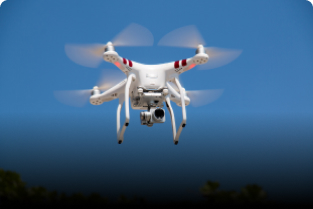
Drones have become essential tools for photography, agriculture, delivery, surveillance, and even entertainment. At the heart of every drone is a powerful and efficient engine—often called a motor—that keeps it stable, fast, and maneuverable in the air. But how do these drone engines actually work? And if one fails, how much does it cost to replace?
Let’s break it down in a simple and beginner-friendly way.
How Do Drone Engines Work?
Most drones today use electric brushless DC motors. These motors are lightweight, highly efficient, and capable of producing high RPM (rotations per minute), which is essential for stable flight and quick movements.
1. Brushless Motor Mechanism
Brushless motors work using:
-
Stator (stationary part with copper coils)
-
Rotor (spinning part with magnets)
When electricity flows through the coils, it creates a rotating magnetic field. This field causes the rotor to spin, generating the thrust that lifts the drone.
Why brushless motors are preferred:
-
No physical brushes → less friction
-
Higher efficiency
-
Longer lifespan
-
Quieter and smoother operation
2. How Drone Propellers Create Lift
While motors generate rotation, the propellers convert this rotation into lift.
The key roles of propellers:
-
Lift: Helps the drone rise into the air
-
Thrust: Helps the drone move forward/backward
-
Yaw control: Opposite spinning propellers stabilize rotation
A quadcopter typically uses four motors arranged at equal distances to distribute force evenly.
3. Speed Controllers and Flight Control
The motor isn’t working alone. It is controlled by:
-
ESC (Electronic Speed Controller): Adjusts motor speed
-
Flight Controller: Brain of the drone that stabilizes flight using sensor data
When you move the joystick on a drone controller:
-
The flight controller interprets the input
-
Sends commands to ESCs
-
ESCs control how fast each motor should spin
This precise coordination allows drones to hover, turn, and move smoothly.
Types of Drone Engines
1. Electric Brushless Motors (Most Common)
Used in consumer drones like DJI, Parrot, and most hobby drones.
2. Brushed Motors
Used in very small or cheap toy drones. They are less efficient and wear out faster.
3. Gas/Petrol Engines
Used in large industrial or long-endurance drones.
Pros: Long flight time
Cons: Heavier, noisier, more maintenance
4. Hybrid Engines
Combine gasoline and electric power. Used in high-end professional applications.
How Much Does It Cost to Replace a Drone Engine?
The cost varies depending on:
-
Drone size
-
Type of motor
-
Brand
-
Purpose (hobby vs professional)
Here’s a realistic breakdown:
1. Replacement Cost for Toy Drones
-
₹300 – ₹1,000 per motor
-
Brushed motors, very cheap, often sold in packs.
2. Replacement Cost for Hobby/DIY Drones
-
₹800 – ₹3,000 per motor
Brushless hobby motors used for racing and DIY builds.
Popular brands: EMAX, Sunnysky, Racerstar.
3. Replacement Cost for Professional Drones (DJI, Autel, etc.)
-
₹3,000 – ₹15,000 per motor
These motors are high-precision, durable, and optimized for photography drones.
Examples: -
DJI Mini or Air series: ₹3,000–₹7,000
-
DJI Mavic series: ₹6,000–₹12,000
-
DJI Inspire series: ₹10,000–₹20,000+
4. Replacement Cost for Industrial-Grade Drone Engines
-
₹20,000 – ₹1,00,000+ per motor
Used in: -
Agricultural spraying drones
-
Mapping and surveying drones
-
Heavy-lift drones
These motors are high-torque and built for long endurance.
Factors That Affect Drone Engine Cost
1. Motor Size (KV Rating)
Higher RPM motors for racing drones cost more.
2. Build Quality
High-end motors use better magnets, bearings, and heat-resistant materials.
3. Brand
Known brands like DJI, T-Motor, and KDE Direct cost significantly more.
4. Additional Parts Needed
Sometimes you also need to replace:
-
Propellers
-
ESCs
-
Motor mounts
-
Wiring
This increases the total repair cost.
When Should You Replace a Drone Motor?
You may need a new motor if you notice:
-
Unusual noise or vibration
-
Motor becoming hot quickly
-
Drone drifting even when calibrated
-
Physical damage after a crash
-
Reduced flight time
Replacing a failing motor early prevents crashes and protects your battery and ESCs.
Final Thoughts
Drone engines are sophisticated but elegantly simple machines. They convert electrical power into high-speed rotation that lifts and controls your drone. While motors in toy drones are inexpensive, professional and industrial drone motors can be costly due to their precision and durability.


