
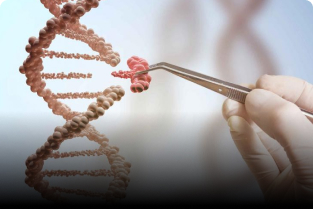
Biomedical engineering is one of the most dynamic and interdisciplinary fields of the 21st century. Sitting at the intersection of engineering, medicine, and biology, it focuses on creating technologies that improve healthcare and enhance human well-being. From advanced prosthetics to artificial organs, wearable devices, and medical imaging, biomedical engineering has already transformed how we diagnose, treat, and manage diseases. But what does the future hold for this fascinating field and the engineers driving it?
Growing Demand for Biomedical Engineers
The healthcare industry is rapidly expanding, and with it, the need for innovative technologies is also increasing. Biomedical engineers are expected to play a vital role in designing next-generation medical equipment, robotics for surgeries, and devices that improve patient care. With aging populations and the rising prevalence of chronic illnesses, demand for biomedical expertise will only accelerate.
Integration of AI and Data Science
Artificial intelligence (AI) and data science are becoming central to healthcare innovation. Future biomedical engineers will not only design devices but also develop AI-powered diagnostic tools, predictive healthcare models, and smart monitoring systems. Engineers with knowledge of machine learning and data analytics will be in high demand, as hospitals and companies seek ways to deliver personalized medicine.
Regenerative Medicine and Tissue Engineering
One of the most promising frontiers in biomedical engineering is regenerative medicine. The possibility of engineering tissues and organs using stem cells and bioprinting technologies could reduce the global shortage of organ donors. Biomedical engineers will play a leading role in refining these processes, making artificial organs more efficient, affordable, and accessible.
Wearable and Implantable Devices
The rise of wearable technology for health tracking—like smartwatches and glucose monitors—marks just the beginning. Future devices will become more advanced, smaller, and more accurate, capable of continuously monitoring vital signs, predicting diseases, and even delivering therapies in real time. Biomedical engineers will be central to developing these life-enhancing devices.
Robotics and Nanotechnology
Surgical robotics and nanotechnology are reshaping how treatments are delivered. Miniature robots capable of performing precise surgeries and nanodevices that deliver drugs directly to affected cells are no longer science fiction. Biomedical engineers with expertise in nanomaterials, robotics, and bio-instrumentation will lead these groundbreaking innovations.
Career Opportunities and Global Impact
The future for biomedical engineers is not limited to hospitals and research labs. Opportunities are expanding in biotech firms, pharmaceutical companies, medical device manufacturing, and even space exploration, where engineers work on health technologies for astronauts. As healthcare systems worldwide evolve, biomedical engineers will find their skills crucial to addressing global health challenges.
Skills for the Future Biomedical Engineer
To thrive in the coming decades, biomedical engineers will need more than traditional engineering knowledge. Skills in:
-
AI and data science for health analytics
-
3D printing and biomanufacturing for prosthetics and tissues
-
Cybersecurity in healthcare to protect patient data
-
Ethics and regulatory knowledge to ensure safe technologies
These interdisciplinary skills will define the engineers of the future.
Conclusion
The future of biomedical engineering is bright, filled with opportunities to revolutionize healthcare and improve lives. Biomedical engineers will stand at the forefront of innovation, blending technology with medicine to solve some of humanity’s most pressing health challenges. As AI, nanotechnology, and regenerative medicine evolve, this field will only become more essential. For aspiring engineers, biomedical engineering is not just a career—it’s a chance to shape the future of healthcare.


