
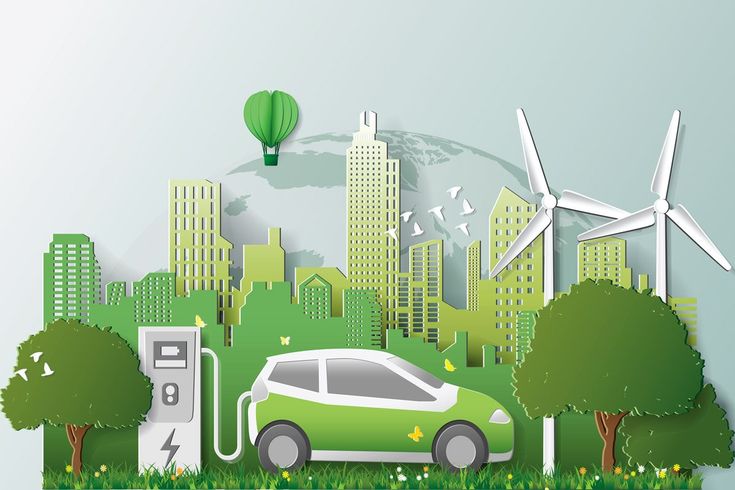
The world of transportation is changing faster than ever, and 2026 marks a turning point in the global shift toward sustainable mobility. With governments pushing for clean energy and consumers demanding smart, efficient, and eco-friendly vehicles, Hybrid and Electric Vehicles (EVs) are dominating the automobile industry like never before.
Today, hybrids and EVs aren’t just futuristic concepts—they are mainstream, affordable, and loaded with cutting-edge innovation. From AI-powered driving systems to ultra-fast charging, 2026 is redefining what modern transportation looks like.
Why Hybrid & Electric Vehicles Are Booming in 2026
1. Big Push for Clean Energy
Governments worldwide are offering tax benefits, subsidies, and easy financing options for EV buyers. Strict emission norms and pollution concerns have made people switch from fuel-based cars to greener alternatives.
2. Cost Savings on Fuel
With rising fuel prices, drivers in 2026 prefer EVs because:
- Charging costs are far cheaper than petrol/diesel
- Hybrids deliver excellent mileage
- Maintenance costs are lower
Over several years, EV owners save significantly more money than fuel-vehicle owners.
3. Better Technology Than Ever
Thanks to advancements like:
- Higher battery range
- AI-based energy management
- Lightweight materials
- Smarter regenerative braking
- Faster charging
Hybrid & Electric Vehicles are now more powerful, reliable, and convenient than earlier.
Top Innovations in Hybrid & Electric Vehicles in 2026
1. Ultra-Fast Charging (5–10 Minutes)
New charging technology in 2026 supports:
- Lightning-fast charging
- Long-distance travel
- Minimal battery degradation
This has removed the biggest fear—running out of charge on the road.
2. AI-Powered Driving Systems
Modern EVs now include:
- Advanced driver assistance
- Predictive maintenance alerts
- Battery-health monitoring
- Auto-driving in safe zones
AI makes driving safer and smarter.
3. Solid-State Batteries
2026 is the year solid-state batteries became mainstream.
Benefits include:
- Longer range (700–900 km)
- Faster charging
- Higher safety
- Better durability
This is one of the biggest game changers in EV evolution.
4. Solar-Assisted Charging
Some hybrid and electric models now come with solar roofs that:
- Extend range by 10–15 km daily
- Reduce dependency on charging stations
This is especially useful in sunny countries.
5. Wireless Charging Roads
Pilot projects in 2026 allow EVs to charge while driving, eliminating range anxiety forever.
Hybrid Vehicles in 2026: Why They Still Matter
Even though fully electric vehicles are becoming dominant, hybrid vehicles remain a strong choice, especially for:
- Long-distance travelers
- Rural and suburban users
- People with limited access to charging stations
Hybrids offer a perfect balance between fuel efficiency and electric energy, making them a reliable option in 2026.
Challenges That Still Exist in 2026
Even with tremendous growth, some challenges remain:
- Limited fast-charging infrastructure in rural areas
- High initial purchase cost
- Battery recycling concerns
- Need for skilled technicians
However, ongoing government policies and global investments are quickly addressing these gaps.
Market Growth of Hybrid & Electric Vehicles in 2026
The global EV market has skyrocketed in 2026. Trends include:
- More affordable electric cars under $20,000
- EV scooters and bikes dominating city commutes
- Major car manufacturers switching entirely to electric production
- Surge in charging stations in metros and highways
Analysts predict that EV adoption will cross 50% of new vehicle sales by the end of the decade.
Why You Should Consider a Hybrid or Electric Vehicle in 2026
Here are the top reasons to make the switch this year:
- Save significantly on fuel
- Reduce pollution
- Experience smoother and quieter driving
- Get government incentives
- Benefit from cutting-edge technology
- Lower maintenance and repair costs
- Contribute to a greener future
In short, EVs and hybrids are not just good choices—they are the smartest choices.
Conclusion
Hybrid and Electric Vehicles in 2026 are more advanced, cost-effective, and accessible than ever before. With rapid innovation, supportive policies, and growing environmental awareness, the future of transportation is undeniably electric.


