
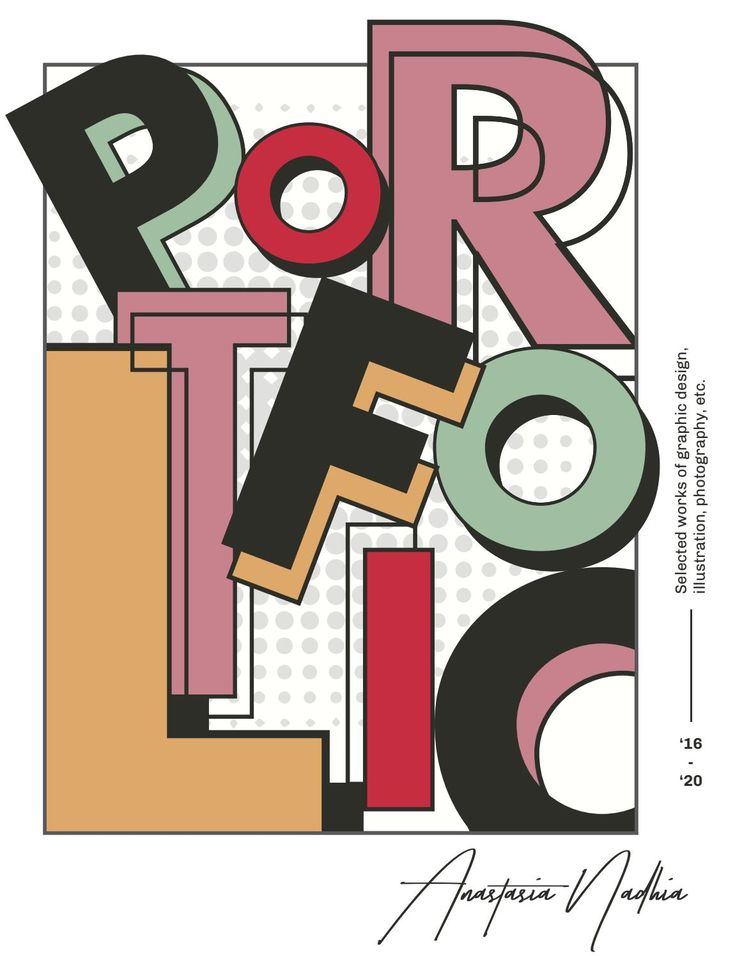
Every few years, a debate resurfaces: Is graphic design becoming a dead profession?
With the rise of AI design tools, templates, and automated creative platforms, many people assume that graphic designers are losing relevance. But the reality is far more complex—and far more optimistic.
Graphic design is not dead. It is evolving, expanding, and becoming more important than ever in a digital-first world. Let’s break down why.
1. AI Didn’t Kill Graphic Design — It Changed It
Tools like Canva, Midjourney, and AI-powered editors have made design more accessible, but they haven’t replaced designers.
Here’s why:
-
AI can produce visuals, but it cannot think strategically.
-
It lacks understanding of branding, message tone, and target audience psychology.
-
AI-generated designs often need refinement by a professional human eye.
Graphic designers who embrace AI are becoming faster and more efficient, not obsolete.
2. Branding Still Needs Human Creativity
Companies don’t just need a logo—they need a brand identity.
Brand identity requires:
-
Emotional storytelling
-
Consistency
-
Strategy
-
Understanding of market trends
-
Original concepts
These are human strengths that algorithm-based tools cannot fully replicate.
Businesses continue to invest heavily in designers to ensure their brand connects with real people.
3. Demand for Digital Content Is Exploding
Graphic design is more relevant because businesses today are producing massive amounts of digital content, such as:
-
Social media posts
-
Web graphics
-
UI dashboards
-
Infographics
-
Advertisements
-
Packaging
-
Motion graphics
Every brand depends on strong visual communication. As the digital world expands, the need for design grows with it.
4. Graphic Designers Now Work Across More Fields
Graphic design has expanded far beyond posters and logos. Designers now play roles in:
-
UI/UX design
-
Product design
-
Web design
-
Animation and motion graphics
-
AR/VR design
-
Game asset design
-
Content marketing
-
Digital branding
This diversification has created new job opportunities, not fewer.
5. Companies Still Want Custom, High-Quality Designs
Templates are great for personal use or small businesses, but companies that want to stand out avoid them.
Why? Because:
-
Templates look generic
-
They limit creativity
-
Competitors may use the same visuals
-
They don’t align with complex brand guidelines
Professional designers offer uniqueness, something templates cannot achieve.
6. Designers Solve Problems — Not Just Create Images
Graphic design goes beyond visuals. It involves:
-
Understanding user behavior
-
Communicating the right message
-
Building visual hierarchy
-
Improving user experience
-
Increasing conversions
-
Enhancing readability
These are problem-solving skills that require human insight and business understanding.
7. The Profession Is Evolving, Not Ending
What’s happening today is similar to what photography experienced when smartphones arrived.
More people began taking pictures—but professional photography didn’t die. It evolved.
Graphic design is undergoing the same transformation.
Designers who learn:
-
Motion graphics
-
UI/UX
-
Branding
-
AI tools
-
Web design
…are finding more opportunities than ever.
Conclusion
Graphic design is absolutely not a dead profession.
It is a growing, technologically enriched, and creatively demanding field that continues to be essential for business success.


