
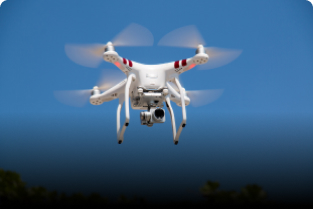
Choosing the right propeller for a drone engine is crucial for achieving optimal performance, stability, and efficiency. When dealing with a 7 horsepower (HP) engine, you’re already working with a high-power setup typically used for large drones, heavy-lift applications, or specialized industrial UAVs. But the question remains: What size and type of propeller should you use for a 7 HP engine?
Let’s break it down.
Understanding the Power Behind a 7 HP Drone Engine
A 7 HP engine translates to roughly 5,200 watts of mechanical power. This is significantly more powerful than typical hobby-grade drone motors, which usually range between 100W and 1,000W. Engines in the 7 HP category are often used for:
-
Agricultural drones
-
Delivery drones
-
Surveillance or mapping drones with heavy payloads
-
VTOL (Vertical Takeoff and Landing) aircraft
-
Experimental UAV prototypes
Because of the high output, the propeller must be capable of handling large torque, high thrust, and sustained load without deformation or failure.
Key Factors for Choosing the Right Propeller
1. Propeller Size (Diameter)
For engines around 7 HP, the recommended propeller size typically falls between:
👉 24 inches to 36 inches
Larger propellers generate more thrust at lower RPM, which helps with stability and lifting heavier loads.
2. Pitch
Propeller pitch determines how far the drone moves forward per propeller revolution. For high-power engines:
👉 Pitch between 8 inches and 12 inches
is generally used, depending on thrust and speed requirements.
-
Lower pitch = more thrust, better for lifting heavy payloads
-
Higher pitch = more speed, better for fixed-wing UAV applications
3. Material
For a 7 HP engine, materials must withstand high stress and rotational force.
Top options include:
-
Carbon fiber (strongest, lightweight, best performance)
-
Reinforced composite (cost-effective, durable)
-
Wood propellers (stable but heavier and less efficient)
Carbon fiber is typically the best choice for high-performance drones.
4. Number of Blades
More blades = more thrust but more drag.
Common choices:
-
2-blade propellers: Best for efficiency and speed
-
3-blade propellers: Better thrust and stability for heavy lift
-
4-blade propellers: Rare for 7 HP setups unless for specialized designs
For most 7 HP engines, 2-blade or 3-blade carbon fiber props are ideal.
Recommended Propeller Range for a 7 HP Engine
Here’s a general guideline:
| Drone Use Case | Recommended Propeller Size | Pitch | Material |
|---|---|---|---|
| Heavy-lift drone | 32–36 inches | 8–10 inches | Carbon fiber |
| Agricultural drone | 28–34 inches | 8–12 inches | Carbon fiber/composite |
| High-speed UAV | 24–30 inches | 10–12 inches | Carbon fiber |
| VTOL application | 28–34 inches | 8–10 inches | Carbon fiber |
These ranges may vary depending on the exact motor RPM, torque curve, and drone design.
Why Proper Propeller Matching Matters
Using the wrong propeller can cause:
-
Engine overload
-
Excessive vibration
-
Poor lift performance
-
Reduced flight time
-
Structural failure from improper torque handling
A matched propeller ensures:
-
Maximum thrust
-
Balanced load on the engine
-
Better stability
-
Higher efficiency and longer flight duration
Final Thoughts
A 7 HP drone engine is powerful enough for professional and industrial applications, and choosing the right propeller is essential for safety and performance. In most cases, a 28–36 inch carbon fiber propeller with 8–12 inches of pitch is the ideal range. However, the exact specifications should be fine-tuned based on your drone’s total weight, design, and expected use.


