
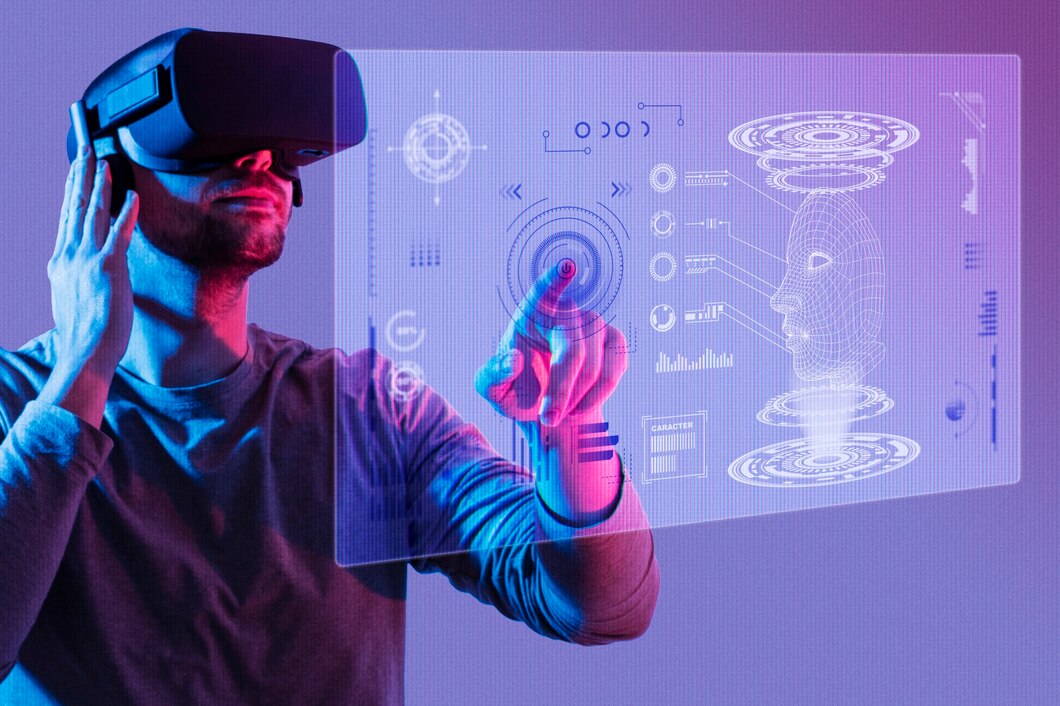
As digital experiences evolve, two technologies continue to dominate the conversation—Virtual Reality (VR) and Augmented Reality (AR). Whether you’re building a career in tech, exploring UI/UX design, or looking to expand your skills in emerging technologies, choosing between VR and AR can feel confusing. Both fields are growing rapidly, but each offers unique opportunities, applications, and learning paths. So, which one should you focus on? Let’s break it down.
Understanding the Core Difference
Virtual Reality (VR)
VR replaces the real world entirely with a simulated environment. Using headsets like Meta Quest, HTC Vive, or PlayStation VR, users are fully immersed in a digital space.
Augmented Reality (AR)
AR overlays digital elements onto the real world. Think of apps like Pokémon Go, Snapchat filters, or smart glasses—digital content blends seamlessly with your surroundings.
Which Technology Has a Bigger Future?
The Future of Virtual Reality
VR continues to grow in:
-
Gaming and entertainment
-
Training simulations (military, medical, aviation)
-
Immersive learning
-
Virtual tourism
-
Therapy & rehabilitation
However, VR adoption is mildly limited by:
-
The cost of hardware
-
The need for powerful systems
-
Full immersion sometimes being inconvenient
VR is expanding steadily, but its use is strongest in specialized and entertainment-focused sectors.
The Future of Augmented Reality
AR is expected to become far more mainstream because it integrates with everyday life.
AR is already revolutionizing:
-
Retail (virtual try-ons)
-
Education
-
Healthcare (surgical guidance)
-
Interior design (IKEA Place app)
-
Navigation & mapping
-
Manufacturing and maintenance
With upcoming AR glasses from Apple, Meta, and Google, AR may soon be as common as smartphones.
AR has broader future potential because it doesn’t require users to disconnect from the real world.
Learning Curve: VR vs AR
VR Skills Needed
-
3D modeling & animation
-
Unity or Unreal Engine
-
Knowledge of VR devices
-
Interaction design for immersive environments
-
Strong grasp of spatial computing
AR Skills Needed
-
AR development frameworks (ARCore, ARKit, Vuforia)
-
Basic 3D design
-
UI/UX for mixed reality interfaces
-
Understanding camera tracking & real-world mapping
VR is more technical and immersive; AR is often more accessible for beginners, especially if you’re coming from UI/UX or app development.
Career Opportunities: Which One Pays Better?
VR Career Roles
-
VR Developer
-
VR Game Designer
-
Immersive Experience Designer
-
VR Animator / 3D Artist
-
Simulation Engineer
AR Career Roles
-
AR App Developer
-
AR Content Designer
-
Mixed Reality UX Designer
-
AR Specialist for retail, healthcare, manufacturing
-
AR Product Designer
AR roles may become more in demand as industries adopt AR for everyday workflows.
So… Which One Should You Focus On?
Here’s a simple guide:
Choose VR if you want to:
-
Build immersive games
-
Create virtual worlds
-
Work in entertainment or simulation
-
Explore highly creative 3D environments
Choose AR if you want to:
-
Design practical, real-world applications
-
Work in retail, education, healthcare, manufacturing, or tech products
-
Combine UI/UX skills with futuristic interfaces
-
Work in industries with fast adoption and mass-market appeal
The Best Strategy: Learn Both, But Prioritize Based on Your Goals
If your career interest lies in UI/UX, web development, or digital product design, AR will align more naturally with your skills and the industry’s future trends.
If you’re passionate about 3D experiences, gaming, or simulation, VR is your perfect space.
Final Verdict
Both VR and AR will shape the future—but AR is likely to impact more industries and everyday users, making it a better long-term focus for most learners. VR, though powerful, shines best in niche and immersive applications.


