
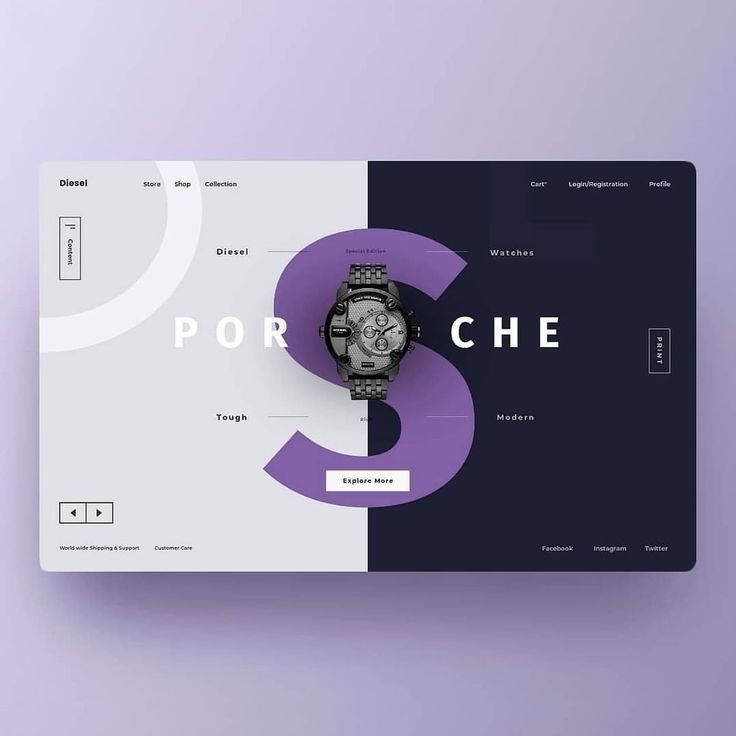
Web development continues to evolve at lightning speed. Every year brings fresh tools, patterns, and expectations — not just from developers, but from users and businesses worldwide. Whether you’re a seasoned coder, a beginner, or someone curious about how the web is being shaped today, here’s your guide to the biggest web development trends in 2026.
🔥 1. AI-Powered Web Experiences
Artificial Intelligence isn’t just buzz — it’s reshaping websites from the ground up.
-
AI chatbots & assistants are becoming standard (not just for support but for personalized site navigation).
-
Content generation and optimization using AI helps sites stay relevant and SEO-friendly.
-
Predictive user behavior and smart recommendations improve conversions and engagement.
In short: Smart sites that learn and adapt are the future.
⚡ 2. Jamstack + Headless Architectures
Traditional backend-centric sites are giving ground to newer modular solutions.
-
Jamstack (JavaScript, APIs, Markup) allows fast, scalable sites with pre-rendered content.
-
Headless CMS platforms separate the content layer from presentation — perfect for multi-platform delivery.
This trend boosts performance, security, and developer productivity.
📱 3. Progressive Web Apps (PWAs) Still Rising
PWAs blur the line between websites and mobile apps.
-
They work offline, load instantly, and can be “installed” on devices like apps.
-
Brands are using them to reach users without the friction of app store installs.
For many businesses, PWAs are now the primary online presence.
🚀 4. WebAssembly (Wasm) for High-Performance Apps
JavaScript isn’t going anywhere — but WebAssembly is expanding the web’s capabilities.
-
Compute-intensive tasks (gaming, video editing, complex data apps) run faster than ever.
-
Developers can bring languages like Rust, C++, and Go to the browser.
The web is no longer limited to simple interactions — it’s becoming a full application platform.
🧠 5. Personalization & Hyper-Targeted Experiences
Users don’t want generic experiences anymore.
Through data insights and behavior tracking:
-
Landing pages can change dynamically.
-
Interfaces adapt based on user preference.
-
Recommendations feel intelligent and helpful.
Personalization boosts retention — and sites are investing heavily here.
🌐 6. Voice & Conversational Interfaces
Voice isn’t just for assistants like Alexa or Siri anymore.
-
Websites with voice search and speech-controlled navigation are growing.
-
Especially impactful in accessibility — making sites more inclusive.
As voice tech improves, combined with NLP (Natural Language Processing), this trend will only accelerate.
👁️ 7. Immersive UX with 3D and Motion
Interactive, motion-rich interfaces are now mainstream.
-
Smooth micro-animations enhance usability and delight.
-
3D elements, WebGL visuals, and even light VR/AR features create engaging experiences.
The trick isn’t just graphics — it’s using them in meaningful, non-distracting ways.
🔒 8. Security First (DevSecOps & Privacy)
With more data breaches and stricter laws:
-
Websites must secure by design, not as an afterthought.
-
Encryption, secure APIs, auditing, and automation are essential.
Privacy regulations (like GDPR and evolving frameworks worldwide) push developers to do it right or pay the price.
⚙️ 9. Low-Code & No-Code Solutions for Speed
Not every web solution needs hours of custom code.
-
Low-code platforms help teams prototype and deploy fast.
-
No-code empowers non-technical users to build and update pages.
This trend is democratizing development, but traditional coding skills are still crucial for complex systems.
🧩 10. API-Driven Everything
APIs are the glue connecting:
-
Frontend interfaces
-
Third-party services (analytics, authentication, payments)
-
Microservices and backend functions
An API-first mentality offers flexibility, modularity, and faster iteration cycles.
🌍 11. Green Web Development
Users and brands care about sustainability.
-
Optimized code and faster load times reduce energy usage.
-
Minimalist designs with efficient hosting — better for users and the planet.
Environmental consciousness is becoming part of web development best practices.
What This Means for Future Web Developers
If you’re building websites or planning a career in web development, these trends matter:
✨ Stay adaptable. Technologies evolve, but foundational skills adapt with them.
📚 Keep learning. AI, WASM, headless systems — these aren’t fads.
🔗 Focus on experience. Speed, accessibility, personalization — that’s what users love.
Conclusion
Web development in 2026 is a mix of intelligence, performance, personalization, and inclusivity. The web isn’t slowing down — it’s getting smarter, faster, and more powerful.


