
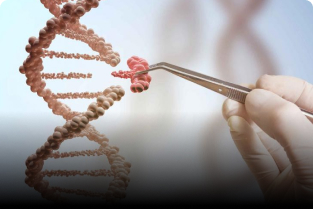
Emerging technologies such as genetic engineering and nanotechnology are transforming medicine, agriculture, manufacturing, and environmental science. From gene editing that can eliminate inherited diseases to nanoscale materials that improve drug delivery, these innovations promise enormous benefits.
However, with such power comes serious ethical concerns. Questions around safety, fairness, consent, and long-term consequences are increasingly important as these technologies move from research labs into everyday life.
🧬 Ethical Concerns in Genetic Engineering
Genetic engineering involves directly altering the DNA of living organisms. While it offers life-saving possibilities, it also raises complex moral and ethical issues.
1️⃣ Human Germline Modification
Editing genes in embryos can pass changes to future generations. This raises concerns about:
-
“Designer babies” based on preferred traits
-
Unintended genetic consequences
-
Ethical boundaries of altering human evolution
Many argue that such irreversible changes require extreme caution or strict regulation.
2️⃣ Informed Consent and Autonomy
In genetic testing and gene therapy:
-
Patients may not fully understand long-term risks
-
Future generations cannot consent to inherited changes
-
Misuse of genetic data can threaten privacy
Ensuring informed consent is a major ethical challenge.
3️⃣ Equity and Social Inequality
Advanced genetic treatments are often expensive. This could lead to:
-
Health benefits available only to the wealthy
-
Widening social and genetic inequality
-
Discrimination based on genetic traits
Ethical use demands fair access and protection against genetic discrimination.
4️⃣ Environmental and Biodiversity Risks
Genetically modified organisms (GMOs) can affect ecosystems by:
-
Disrupting natural species balance
-
Creating resistant pests or weeds
-
Reducing biodiversity
Long-term environmental impacts are still uncertain.
🔬 Ethical Concerns in Nanotechnology
Nanotechnology manipulates matter at an atomic or molecular scale. Its small size creates unique ethical and safety challenges.
1️⃣ Health and Safety Risks
Nanoparticles can enter the human body through inhalation or skin contact. Ethical concerns include:
-
Unknown long-term health effects
-
Lack of comprehensive safety testing
-
Occupational risks for workers
Current regulations often lag behind technological development.
2️⃣ Environmental Impact
Nanomaterials released into air, water, or soil may:
-
Accumulate in ecosystems
-
Harm microorganisms and wildlife
-
Be difficult to monitor or remove
Their invisibility makes environmental oversight challenging.
3️⃣ Privacy and Surveillance
Nano-enabled sensors can be extremely small and powerful, raising concerns about:
-
Mass surveillance
-
Loss of personal privacy
-
Misuse by governments or corporations
Balancing innovation with civil liberties is a critical ethical issue.
4️⃣ Dual-Use and Weaponization
Nanotechnology can be used for both beneficial and harmful purposes, such as:
-
Medical diagnostics vs. advanced weapon systems
-
Industrial innovation vs. military misuse
Preventing misuse while encouraging research is ethically complex.
🌍 Shared Ethical Challenges Across Both Technologies
Both genetic engineering and nanotechnology raise broader concerns:
-
Regulation gaps due to rapid technological growth
-
Lack of global ethical standards
-
Public awareness and transparency issues
-
Responsibility for unintended consequences
Ethical governance must evolve alongside innovation.
🧠 The Role of Ethics, Law, and Society
Addressing these concerns requires:
-
Strong ethical frameworks
-
Clear laws and international cooperation
-
Responsible research and innovation
-
Public engagement and education
Scientists, policymakers, businesses, and society must work together to ensure these technologies benefit humanity without causing harm.
✨ Final Thoughts
Genetic engineering and nanotechnology have the potential to revolutionize the future — from curing diseases to solving environmental challenges. Yet, without ethical oversight, they may also create new risks and inequalities.


