
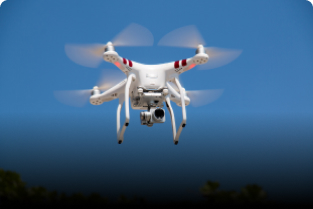
Drones and unmanned aerial vehicles (UAVs) rely heavily on the correct combination of engine power and propeller size. The propeller plays a crucial role in converting engine power into thrust, which allows the drone to lift off, hover, and move efficiently. When dealing with a 7 horsepower (HP) drone engine, selecting the right propeller becomes essential for optimal performance, efficiency, and stability.
Understanding Engine Power and Propeller Selection
The power output of an engine, measured in horsepower, determines how much thrust it can generate. However, the propeller is responsible for translating that power into airflow that lifts the drone.
A 7 HP engine is relatively powerful and is typically used in large drones, agricultural UAVs, or experimental unmanned aircraft rather than small consumer drones. Because of this higher power output, the propeller must be large enough and properly designed to handle the engine’s torque and thrust requirements.
Several factors influence propeller selection, including:
-
Propeller diameter
-
Propeller pitch
-
Number of blades
-
Material of the propeller
-
Aircraft weight and design
Typical Propeller Size for a 7 HP Engine
For a drone engine with around 7 HP, propellers generally fall within the following range:
-
Diameter: 22 to 30 inches
-
Pitch: 8 to 12 inches
A commonly used configuration for engines of this size is a 24×10 or 26×10 propeller.
-
24×10 propeller: 24-inch diameter with 10-inch pitch, providing balanced thrust and speed.
-
26×10 propeller: Slightly larger diameter, producing more thrust and suitable for heavier UAVs.
The larger the diameter, the more air the propeller moves, which improves lifting capability. The pitch determines how far the propeller moves forward with each rotation.
Two-Blade vs Three-Blade Propellers
The number of blades also affects performance.
Two-blade propellers
-
Most efficient
-
Produce less drag
-
Commonly used in UAVs and small aircraft
Three-blade propellers
-
Provide smoother thrust
-
Better for heavier drones
-
Useful when more lift is required
Most drones powered by a 7 HP engine typically use two-blade propellers, as they offer better efficiency and lower power loss.
Material of the Propeller
Propellers for engines of this size are usually made from durable materials such as:
-
Carbon fiber – lightweight and strong
-
Composite materials – good durability and balance
-
Wood – sometimes used in experimental aircraft
-
Reinforced plastic – used in some UAV applications
Carbon fiber propellers are often preferred because they are strong enough to handle higher power while remaining lightweight.
Other Important Considerations
Choosing the right propeller for a 7 HP engine also depends on additional factors such as:
Drone weight: Heavier drones need larger propellers to produce enough lift.
Engine RPM: Propellers must match the engine’s revolutions per minute for efficient thrust.
Flight purpose: Agricultural drones, surveillance drones, and cargo drones may require different propeller setups.
Because drone designs vary widely, engineers often perform propeller testing and aerodynamic calculations before finalizing the propeller size.
Conclusion
A drone engine with 7 horsepower typically uses propellers in the range of 22 to 30 inches in diameter, with common configurations like 24×10 or 26×10. The exact propeller choice depends on factors such as drone weight, engine RPM, and flight purpose.


