
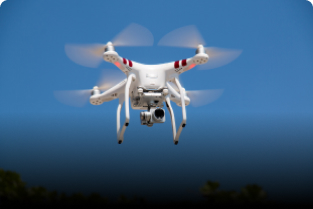
The idea of a space drone engine sounds like something straight out of science fiction, but it’s a term that has slowly emerged as space exploration evolves. While no single inventor can be credited with creating a “space drone engine” in the same way we refer to the inventor of the airplane engine or the rocket engine, the concept draws from several technological breakthroughs developed by leading space agencies and innovators over decades.
In this blog, we’ll explore what a space drone engine actually means, the pioneers behind its core technologies, and how different organizations contributed to its development.
What Is a Space Drone Engine?
Before understanding who invented it, it’s important to define the term. A space drone engine typically refers to the propulsion system used in unmanned spacecraft, satellites, or robotic vehicles designed to operate autonomously in space.
These systems are used in:
-
Satellite maneuvering
-
Deep-space probes
-
Planetary drones like NASA’s Ingenuity helicopter on Mars
-
Autonomous servicing robots in orbit
A “space drone engine” can be powered by chemical propulsion, ion propulsion, solar-electric propulsion, or even new experimental technologies.
The Idea Can’t Be Attributed to One Inventor
The modern space drone engine did not emerge from a single person’s invention. Instead, it evolved through the work of multiple scientists, engineers, and space organizations.
Here are the major contributors:
1. NASA – Pioneering Autonomous Spacecraft Propulsion
NASA has played a major role in advancing propulsion technologies for unmanned spacecraft.
Key milestone: Ion Propulsion
-
First demonstrated in the Deep Space 1 mission (1998).
-
Led by engineers like Dr. John Brophy, a key figure in developing ion engines.
-
Enabled robotic spacecraft to travel farther using minimal fuel.
Mars Ingenuity Helicopter
-
The first drone to fly on another planet.
-
Its propulsion and rotor system were developed by NASA JPL engineers such as Håvard Fjær Grip and the Ingenuity team.
-
While not a “space engine” in the traditional sense, it is the closest real drone engine used beyond Earth.
2. European Space Agency (ESA)
ESA contributed heavily to electric propulsion, including Hall-effect thrusters used on satellites.
SMART-1 Mission (2003)
-
Used a solar-electric propulsion system developed by ESA engineers.
-
This became a foundation for modern satellite drone-like maneuvering systems.
3. Russian Scientists – The Early Electric Propulsion Pioneers
Russia was among the earliest adopters of electric propulsion.
Hall-Effect Thruster Development
-
Originally developed in the 1960s by Soviet engineers.
-
Provided the basis for many modern propulsion systems used in satellite drones today.
4. SpaceX – New-Age Autonomous Propulsion
While SpaceX did not invent a “space drone engine,” it has revolutionized:
-
Autonomous spacecraft navigation
-
Efficient thruster systems for Dragon capsules
-
Reusable rockets with drone-like landing capabilities
SpaceX’s Draco and SuperDraco engines power many unmanned operations in space.
So, Who Invented the Space Drone Engine?
There is no single inventor.
The “space drone engine” is a collective innovation, shaped by:
✔ NASA (Ion propulsion, Mars drone technology)
✔ ESA (Solar-electric propulsion)
✔ Russian scientists (Hall-effect thrusters)
✔ Modern companies like SpaceX (autonomous propulsion systems)
Each contributed crucial technologies that power today’s unmanned spacecraft and drone-like machines operating in orbit and beyond.
The Future of Space Drone Engines
The next generation of propulsion systems may include:
-
Nuclear-electric propulsion
-
Plasma engines
-
Solar-sail propulsion
-
AI-controlled maneuvering thrusters
-
Engines for lunar and Martian drones
As space exploration becomes more robotic and data-driven, space drone engines will become even more sophisticated, helping humanity explore deeper into the universe.


