
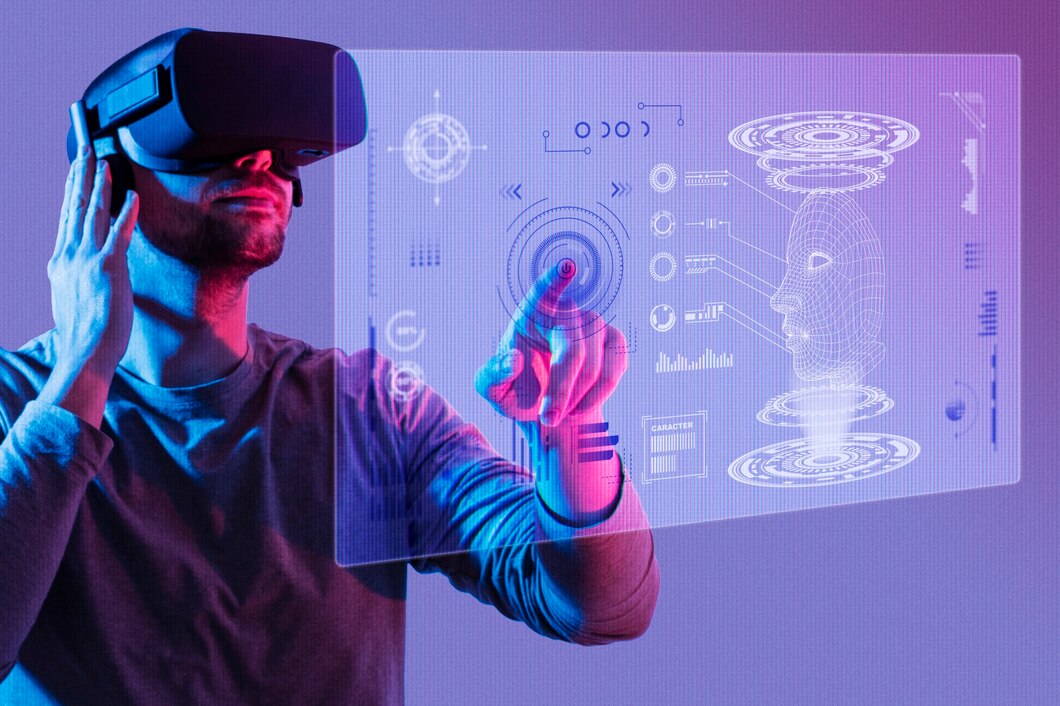
The rapid rise of augmented reality (AR) and virtual reality (VR) has sparked a big question in the tech world: Will these immersive technologies eventually replace smartphones and desktops as our primary computing devices? While AR and VR are gaining momentum, the answer isn’t as straightforward as some enthusiasts claim. Let’s explore the possibilities, challenges, and future trajectory of these technologies.
The Potential of AR and VR
-
Immersive Experiences: AR overlays digital elements onto the real world, while VR transports users into entirely virtual environments. These capabilities could make interactions far more engaging than tapping on a touchscreen.
-
Hands-Free Interaction: AR glasses or VR headsets promise a more natural way to work, learn, or communicate—without being glued to a small display.
-
Expanding Use Cases: From virtual meetings to gaming, healthcare, and design, AR/VR is already transforming industries in ways traditional devices can’t match.
Why Smartphones and Desktops Still Dominate
-
Portability and Convenience: Smartphones fit in your pocket and are quick to use, while desktops provide powerful hardware and multitasking capabilities that AR/VR headsets can’t yet match.
-
User Habits and Ecosystems: People are deeply invested in their existing devices, apps, and workflows. Shifting away from that ecosystem requires compelling reasons and seamless transitions.
-
Technical Limitations: AR/VR devices still face hurdles like battery life, display resolution, weight, and affordability. Widespread adoption will require major improvements.
The Hybrid Future: Coexistence Over Replacement
It’s more likely that AR and VR will complement rather than fully replace smartphones or desktops. For instance, AR glasses might act as a companion to a smartphone, providing heads-up notifications or navigation. VR could become a specialized tool for gaming, simulations, or remote collaboration, while desktops remain the go-to for heavy-duty productivity tasks.
Signs of Progress
Tech giants like Apple, Meta, and Microsoft are investing heavily in AR/VR ecosystems. Devices such as Apple’s Vision Pro and Meta Quest headsets indicate a push toward making these technologies mainstream. As AR/VR hardware becomes sleeker, cheaper, and more capable, their role in daily life will grow.
Final Thoughts
While AR and VR have the potential to redefine how we interact with technology, smartphones and desktops are too ingrained to disappear overnight. Instead of a complete takeover, expect a future where AR, VR, smartphones, and desktops all work together, each serving specific purposes. The transition will be evolutionary, not revolutionary.


