
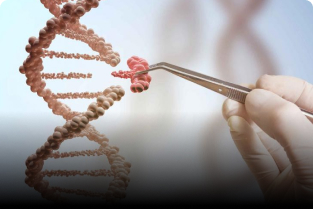
Cancer survival rates have improved significantly in the past few decades, thanks to advances in early detection, targeted therapies, and public awareness. But could we realistically see 99% survival rates in Western countries in the near future? Emerging fields such as precision medicine, genetic engineering, and nanotechnology offer groundbreaking possibilities that make this goal seem less like science fiction and more like a future within reach.
1. Precision Medicine: Tailoring Treatment to Individuals
Traditional cancer treatments—like chemotherapy and radiation—often affect healthy cells alongside cancerous ones, causing harsh side effects. Precision medicine changes this approach by analyzing a patient’s genetic makeup, lifestyle, and environment to design personalized therapies.
-
Genomic profiling helps doctors predict which treatments will be most effective for specific tumor mutations.
-
Immunotherapies such as CAR-T cell therapy are already achieving remarkable remission rates in certain blood cancers.
-
As genetic sequencing becomes faster and cheaper, precision medicine is becoming a standard tool rather than a niche option.
These advancements could improve survival rates dramatically, particularly for cancers that have been notoriously difficult to treat.
2. Genetic Engineering: Attacking Cancer at Its Source
CRISPR-Cas9 and other gene-editing technologies have opened doors to correcting genetic mutations that drive cancer growth.
-
Scientists are exploring methods to “turn off” oncogenes (genes that promote cancer) or repair damaged tumor suppressor genes.
-
Genetic engineering may also enhance the immune system’s ability to recognize and destroy cancer cells.
In Western countries where clinical trials and biotech investment are robust, genetic engineering could transform cancer from a deadly disease into a chronic, manageable condition.
3. Nanotechnology: Smarter Drug Delivery and Early Detection
Nanotechnology allows scientists to design nanoparticles that deliver drugs directly to tumor sites, reducing harm to healthy tissues.
-
Researchers are developing nanosensors capable of detecting cancer at its earliest stages—sometimes even before tumors are visible on scans.
-
Nano-based therapies can cross biological barriers, ensuring cancer-fighting agents reach hard-to-treat areas like the brain.
This level of precision could not only improve survival rates but also minimize side effects, making treatments more tolerable.
4. The Roadblocks to 99% Survival Rates
While the technology is promising, several challenges remain:
-
Tumor complexity: Some cancers mutate rapidly, making them resistant to targeted therapies.
-
Access and cost: Cutting-edge treatments may remain expensive or unavailable to all patients initially.
-
Ethical and regulatory hurdles: Genetic engineering, in particular, raises concerns about unintended consequences and long-term safety.
-
Prevention and lifestyle factors: Smoking, obesity, and late-stage detection will continue to influence outcomes.
Even with major advancements, addressing these obstacles is essential for reaching such high survival rates.
5. A Realistic Timeline
Experts believe that while 99% survival may not be imminent within the next decade, significant leaps could occur by 2040–2050 if current trends continue. Many Western countries already report five-year survival rates above 70% for certain cancers, and incremental improvements in detection, therapy, and patient care could push these numbers closer to 90% or beyond over time.
Conclusion
The convergence of precision medicine, genetic engineering, and nanotechnology is revolutionizing cancer treatment in Western countries. While a 99% survival rate may remain an ambitious goal for now, the trajectory is promising. Continued investment in research, equitable access to advanced therapies, and public health initiatives could make cancer a far less deadly disease within our lifetime.


