
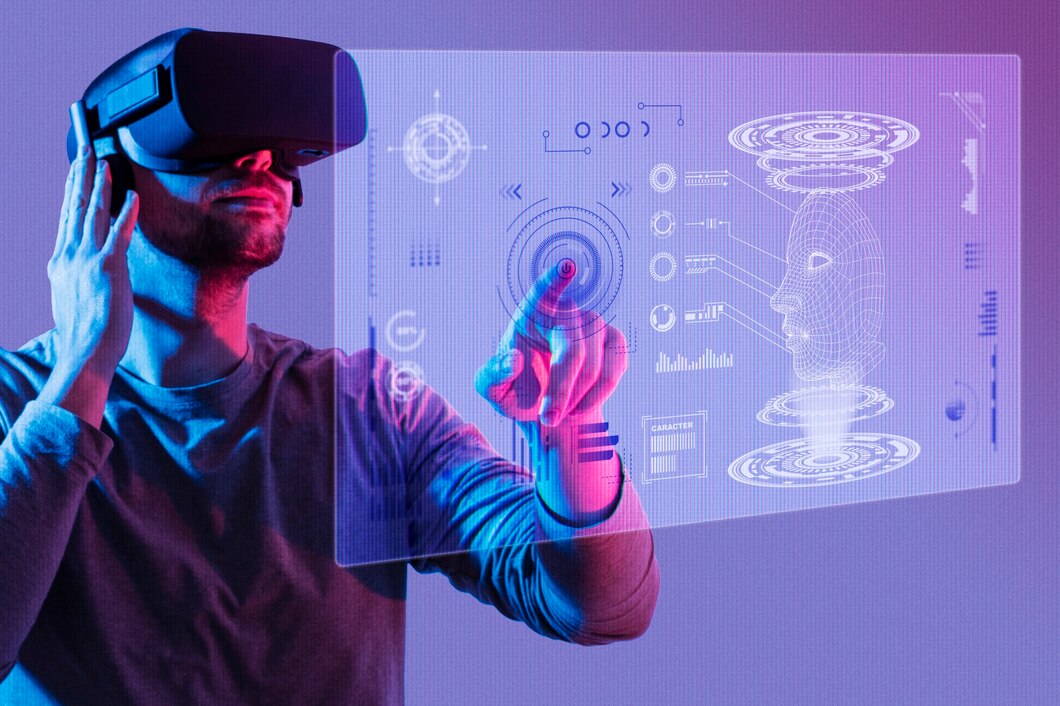
Augmented Reality (AR) and Virtual Reality (VR) are no longer futuristic concepts limited to science fiction. These immersive technologies have rapidly evolved over the past decade, transforming the way people interact with digital content and the physical world. From gaming and entertainment to healthcare, education, and business, AR and VR are creating innovative experiences that enhance productivity, engagement, and learning.
As technology continues to advance, AR and VR are becoming more accessible and affordable, paving the way for widespread adoption. However, despite their immense potential, these technologies also face several challenges that must be addressed to unlock their full capabilities.
Understanding AR and VR
Although often mentioned together, AR and VR serve different purposes:
- Augmented Reality (AR) overlays digital elements such as images, animations, or information onto the real world through smartphones, tablets, or smart glasses.
- Virtual Reality (VR) creates a fully immersive digital environment where users can interact with virtual objects using specialized headsets and controllers.
Both technologies aim to enhance user experiences, but they do so in distinct ways that cater to different applications and industries.
Opportunities Created by AR and VR
1. Revolutionizing Education and Training
AR and VR are transforming education by creating interactive and engaging learning environments. Students can explore historical sites, conduct virtual science experiments, and visualize complex concepts in ways traditional methods cannot offer.
In professional training, VR simulations allow employees to practice real-world scenarios safely, reducing risks and costs. Industries such as aviation, healthcare, and manufacturing are already using immersive training programs to improve skills and performance.
2. Transforming Healthcare
Healthcare professionals are leveraging AR and VR for medical training, surgical planning, and patient treatment. Surgeons can use AR overlays during procedures, while VR is helping patients manage pain, anxiety, and rehabilitation through immersive therapeutic experiences.
Medical students also benefit from realistic virtual simulations that enhance learning without the need for physical resources.
3. Enhancing Gaming and Entertainment
The gaming industry has been one of the biggest drivers of AR and VR adoption. VR gaming provides highly immersive experiences, while AR games blend digital content with real-world environments.
Beyond gaming, entertainment sectors are using immersive technologies for virtual concerts, interactive storytelling, and enhanced sports viewing experiences.
4. Improving Business Operations
Businesses are using AR and VR to streamline operations and improve customer experiences. Retailers allow customers to virtually try on clothing, accessories, and furniture before making purchases.
Companies are also adopting virtual collaboration tools that enable remote teams to meet and work together in immersive digital environments, improving communication and productivity.
5. Advancing Real Estate and Architecture
AR and VR help architects, designers, and real estate professionals visualize projects before construction begins. Clients can take virtual property tours and explore building designs in realistic 3D environments, reducing misunderstandings and improving decision-making.
Challenges Facing AR and VR
High Development Costs
Creating high-quality AR and VR applications requires specialized hardware, software, and expertise. These costs can be a barrier for smaller businesses and startups looking to adopt the technology.
Hardware Limitations
Although devices have improved significantly, VR headsets and AR glasses can still be expensive, bulky, and uncomfortable for prolonged use. Battery life and processing power remain ongoing concerns.
User Adoption and Accessibility
Many consumers are still unfamiliar with AR and VR technologies. Widespread adoption depends on making devices more affordable, user-friendly, and accessible to a broader audience.
Privacy and Security Concerns
AR and VR systems collect significant amounts of user data, including location information, movement patterns, and behavioral insights. Protecting this data and ensuring user privacy are critical challenges for developers and organizations.
Motion Sickness and Health Issues
Some users experience discomfort, eye strain, or motion sickness when using VR devices for extended periods. Developers continue working on solutions to improve user comfort and minimize these effects.
Future Trends in AR and VR
Smarter Wearable Devices
Future AR glasses and VR headsets are expected to become lighter, more powerful, and more comfortable. Advances in hardware design will make immersive experiences more practical for everyday use.
Integration with Artificial Intelligence
The combination of AR, VR, and Artificial Intelligence (AI) will create more personalized and intelligent experiences. AI-powered virtual environments will adapt to user behavior, preferences, and needs in real time.
Expansion of the Metaverse
The concept of the metaverse is driving investment in immersive technologies. Virtual worlds where people can work, socialize, shop, and learn are expected to become increasingly sophisticated and interconnected.
Growth in Enterprise Applications
Businesses will continue adopting AR and VR solutions for training, collaboration, product design, maintenance, and customer engagement. Enterprise use cases are likely to become one of the fastest-growing segments of the market.
Enhanced Mixed Reality Experiences
Mixed Reality (MR), which combines elements of both AR and VR, is expected to gain popularity. MR applications will enable users to interact seamlessly with both physical and digital environments.
Conclusion
The rise of Augmented Reality and Virtual Reality marks a significant shift in how people interact with technology. These immersive technologies are opening new opportunities across education, healthcare, entertainment, business, and many other industries. While challenges such as cost, accessibility, and privacy remain, ongoing innovations continue to drive adoption and improve user experiences.


