
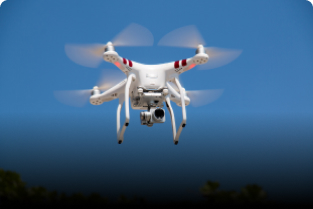
Drone technology has advanced rapidly over the past decade, transforming from a niche hobby into a powerful tool used across numerous industries. From capturing breathtaking aerial photography to supporting agricultural monitoring, emergency response, and infrastructure inspections, drones are becoming an essential part of modern life. At the heart of this technological revolution lies drone engineering—the multidisciplinary field responsible for designing, developing, and optimizing these intelligent flying machines.
In the digital age, drone engineering combines mechanical design, electronics, artificial intelligence, software development, and communication systems to create smarter, safer, and more autonomous drones. As technology continues to evolve, drone engineers are pushing the boundaries of what unmanned aerial vehicles (UAVs) can achieve.
What Is Drone Engineering?
Drone engineering involves the design, construction, testing, and maintenance of unmanned aerial vehicles. Engineers work on multiple components, including:
- Airframe design
- Propulsion systems
- Flight controllers
- Sensors and cameras
- Navigation systems
- Communication technologies
- Artificial intelligence algorithms
The goal is to create drones that are efficient, reliable, and capable of performing complex tasks with minimal human intervention.
Key Technologies Driving Modern Drone Engineering
Artificial Intelligence and Machine Learning
Artificial Intelligence (AI) has significantly enhanced drone capabilities. AI-powered drones can analyze data, recognize objects, avoid obstacles, and make real-time decisions during flight.
Machine learning algorithms allow drones to improve performance over time by learning from collected data and environmental conditions.
Advanced Sensors
Modern drones use sophisticated sensors such as:
- GPS modules
- LiDAR systems
- Infrared cameras
- Ultrasonic sensors
- Thermal imaging devices
These sensors enable precise navigation, environmental monitoring, and data collection for various applications.
Computer Vision
Computer vision technology allows drones to interpret visual information from cameras. This capability supports tasks such as:
- Object detection
- Facial recognition
- Infrastructure inspection
- Autonomous navigation
- Traffic monitoring
By processing visual data in real time, drones can operate more intelligently and safely.
High-Speed Connectivity
The adoption of 5G networks and advanced wireless communication systems is improving drone performance. Faster connectivity enables real-time video streaming, remote operations, and cloud-based data processing.
Applications of Drone Engineering
Agriculture
Drones help farmers monitor crop health, assess irrigation needs, detect diseases, and optimize pesticide usage. Precision agriculture improves productivity while reducing costs and environmental impact.
Construction and Infrastructure
Construction companies use drones for site surveys, progress monitoring, and structural inspections. Engineers can collect accurate data quickly without exposing workers to dangerous conditions.
Logistics and Delivery
Drone delivery services are becoming increasingly popular. Companies are exploring ways to transport packages, medical supplies, and essential goods more efficiently, especially in remote areas.
Public Safety and Emergency Response
Emergency responders use drones for search-and-rescue missions, disaster assessment, wildfire monitoring, and crowd management. Their ability to access difficult or hazardous locations makes them valuable tools during emergencies.
Environmental Monitoring
Scientists and environmental agencies use drones to monitor wildlife, track climate changes, assess forest health, and collect environmental data in challenging terrains.
Challenges in Drone Engineering
Battery Limitations
One of the biggest challenges facing drone engineers is battery life. Most drones have limited flight times, restricting their operational range and capabilities.
Regulatory Compliance
As drone usage grows, governments continue developing regulations regarding airspace management, safety standards, and privacy protection. Engineers must ensure drones comply with these evolving rules.
Cybersecurity Risks
Connected drones can be vulnerable to hacking, signal interference, and unauthorized access. Building secure communication systems is a critical priority for drone engineers.
Weather Conditions
Strong winds, rain, and extreme temperatures can affect drone performance. Engineers are constantly working to improve durability and flight stability under challenging conditions.
Future Trends in Drone Engineering
Autonomous Drone Swarms
Drone swarms consist of multiple drones working together to perform tasks collaboratively. These systems have applications in agriculture, defense, logistics, and disaster management.
AI-Powered Autonomy
Future drones will rely more heavily on AI, enabling them to complete missions with little or no human supervision. Autonomous navigation and intelligent decision-making will become standard features.
Urban Air Mobility
Drone engineering is contributing to the development of flying taxis and advanced air mobility systems. These innovations could revolutionize urban transportation and reduce traffic congestion.
Improved Energy Solutions
Researchers are exploring new battery technologies, hydrogen fuel cells, and solar-powered systems to increase drone flight duration and efficiency.
Enhanced Human-Drone Collaboration
Future drones will work more closely with humans, supporting industries through intelligent assistance, automated inspections, and real-time decision support.
Career Opportunities in Drone Engineering
The growing adoption of drone technology is creating exciting career opportunities for engineers and technology professionals. Popular roles include:
- Drone Design Engineer
- UAV Systems Engineer
- Robotics Engineer
- Flight Control Engineer
- AI and Machine Learning Specialist
- Embedded Systems Engineer
- Drone Software Developer
- Aerospace Engineer
Professionals with expertise in programming, electronics, robotics, and data analysis are particularly well-positioned to succeed in this field.
Conclusion
Drone engineering is playing a vital role in shaping the future of technology in the digital age. By integrating artificial intelligence, advanced sensors, communication systems, and autonomous capabilities, engineers are building smarter flying machines that can solve real-world challenges across industries.


