
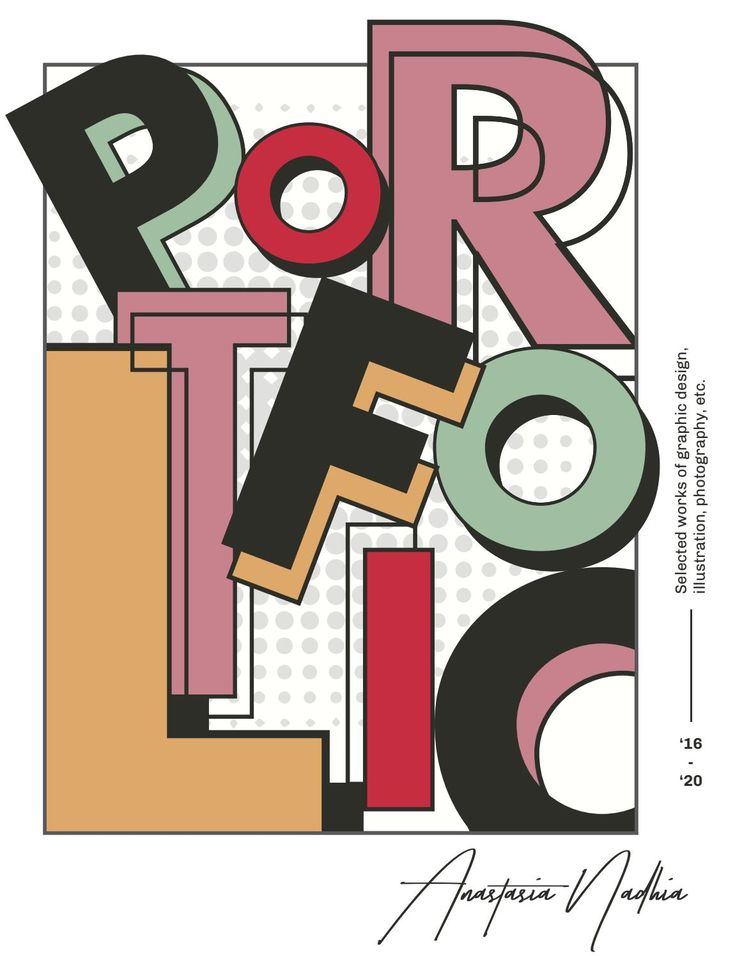
Graphic design has become one of the fastest-growing and most sought-after creative professions in today’s digital world. Every business, from startups to multinational corporations, relies on visually appealing content to communicate with customers, build brand recognition, and stand out in competitive markets. As technology continues to evolve, the demand for skilled graphic designers is increasing across industries, making it an attractive career choice for creative individuals.
Whether you are passionate about branding, digital illustration, social media graphics, web design, or advertising, graphic design offers diverse career opportunities with excellent growth potential.
What Is Graphic Design?
Graphic design is the art and practice of combining images, typography, colors, and layouts to communicate ideas visually. Designers create compelling visuals that inform, inspire, and engage audiences across print and digital platforms.
Graphic designers work on a variety of projects, including:
- Brand logos and identity design
- Marketing materials
- Website and mobile app graphics
- Social media content
- Product packaging
- Infographics
- Advertisements
- Magazines and brochures
- Motion graphics
- Presentation designs
Every successful brand depends on strong visual communication, making graphic designers an essential part of modern businesses.
Why Graphic Design Is in High Demand
1. Digital Marketing Relies on Visual Content
Businesses use digital marketing to reach customers through websites, social media, email campaigns, and online advertisements. High-quality visuals improve engagement, increase brand awareness, and attract potential customers.
Graphic designers create:
- Social media posts
- Digital advertisements
- Website banners
- Email marketing graphics
- Landing page visuals
Without professional design, digital marketing campaigns often fail to capture audience attention.
2. Every Business Needs Branding
Brand identity is more than just a logo. Companies need consistent visual elements that reflect their values and create memorable customer experiences.
Graphic designers help businesses develop:
- Logos
- Brand colors
- Typography
- Business cards
- Packaging
- Marketing materials
- Brand guidelines
Strong branding builds trust and helps businesses stand out from competitors.
3. Growth of E-commerce
Online shopping continues to expand worldwide. E-commerce businesses need visually attractive product images, promotional banners, social media campaigns, and user-friendly websites.
Graphic designers contribute to:
- Product catalogs
- Online advertisements
- Promotional graphics
- Website design
- User interface visuals
As online businesses grow, so does the demand for skilled designers.
4. Social Media Expansion
Social media platforms have become essential marketing channels. Businesses require fresh, engaging content to maintain an active online presence.
Graphic designers create:
- Instagram posts
- Facebook ads
- LinkedIn graphics
- YouTube thumbnails
- Pinterest pins
- Stories and reels graphics
Creative visual content helps brands increase engagement and reach wider audiences.
5. Increasing Demand for UI and UX Design
Mobile applications and websites require intuitive and visually appealing interfaces. Graphic designers with UI (User Interface) and UX (User Experience) skills are highly valued by technology companies.
UI designers focus on:
- App layouts
- Website interfaces
- Buttons
- Icons
- Navigation systems
This specialization offers excellent career opportunities and competitive salaries.
Essential Skills Every Graphic Designer Should Develop
Successful graphic designers combine creativity with technical expertise.
Important skills include:
Creativity
Creative thinking helps designers develop original concepts that effectively communicate messages.
Typography
Understanding fonts, spacing, hierarchy, and readability is essential for creating professional designs.
Color Theory
Designers use color psychology to influence emotions, improve branding, and enhance user experience.
Layout Design
Strong composition ensures visual balance and guides viewers through the content.
Adobe Creative Suite
Industry-standard software includes:
- Adobe Photoshop
- Adobe Illustrator
- Adobe InDesign
Learning these tools significantly improves career opportunities.
UI/UX Fundamentals
Knowledge of user-centered design enhances employability in digital product development.
Communication Skills
Designers collaborate with clients, marketers, developers, and project managers. Effective communication ensures successful project outcomes.
Time Management
Meeting deadlines while maintaining quality is essential in fast-paced creative environments.
Industries Hiring Graphic Designers
Graphic designers are needed in almost every industry, including:
- Advertising agencies
- Marketing companies
- Technology firms
- Publishing houses
- Media organizations
- Fashion brands
- Educational institutions
- Healthcare companies
- Entertainment industry
- Gaming studios
- E-commerce businesses
- Startups
- Government organizations
- Freelancing platforms
This diversity allows professionals to choose industries aligned with their interests.
Career Opportunities in Graphic Design
Graphic design offers multiple career paths.
Popular job roles include:
- Graphic Designer
- Brand Designer
- Visual Designer
- UI Designer
- UX Designer
- Motion Graphic Designer
- Packaging Designer
- Illustrator
- Creative Designer
- Art Director
- Marketing Designer
- Social Media Designer
- Presentation Designer
- Infographic Designer
With experience, designers can progress into leadership roles such as Creative Director or Design Manager.
Freelancing Opportunities
Graphic design is one of the most freelancer-friendly careers. Many professionals work independently, serving clients worldwide.
Freelance designers can offer services such as:
- Logo design
- Brand identity creation
- Social media graphics
- Website graphics
- Print design
- Presentation design
- Packaging design
Freelancing provides flexibility, global exposure, and opportunities to build a personal brand.
Salary Potential
Graphic designer salaries vary depending on experience, location, specialization, and industry.
Professionals specializing in:
- UI/UX Design
- Motion Graphics
- Brand Identity
- Product Design
- Digital Illustration
often earn higher salaries due to increasing demand and specialized expertise.
Building a strong portfolio, gaining certifications, and continuously improving skills can significantly enhance earning potential.
How to Start a Career in Graphic Design
If you are interested in becoming a graphic designer, follow these steps:
- Learn the fundamentals of graphic design.
- Master industry-standard design software.
- Understand typography, color theory, and layout principles.
- Build a professional portfolio showcasing diverse projects.
- Practice by designing real-world projects.
- Learn branding, UI/UX, and digital marketing concepts.
- Stay updated with the latest design trends.
- Network with professionals and join design communities.
- Apply for internships or freelance projects.
- Continue learning through courses, workshops, and certifications.
Consistency and practice are the keys to long-term success.
Future of Graphic Design
Emerging technologies continue to reshape the design industry. Artificial intelligence, augmented reality, virtual reality, motion graphics, and interactive media are creating exciting opportunities for designers.
While AI-powered tools can automate repetitive tasks, creativity, strategic thinking, storytelling, and problem-solving remain uniquely human skills. Graphic designers who embrace new technologies and continuously adapt will remain highly valuable in the evolving creative landscape.
Conclusion
Graphic design has evolved into one of the most in-demand creative careers because every industry relies on effective visual communication. From branding and digital marketing to web design and mobile applications, skilled designers play a vital role in helping businesses connect with their audiences.


