
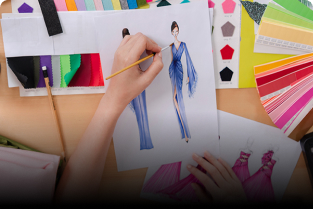
Fashion designing is one of the most dynamic and creative career fields, offering endless opportunities for individuals passionate about style, innovation, and self-expression. From designing clothing and accessories to creating sustainable fashion solutions, fashion designers play a crucial role in shaping global trends and influencing consumer choices.
The fashion industry continues to evolve with advancements in technology, changing consumer preferences, and increasing demand for sustainable practices. As a result, skilled fashion designers are needed across various sectors, including apparel, luxury brands, retail, entertainment, and e-commerce.
Whether you dream of launching your own fashion label or working with renowned brands, fashion designing offers diverse career paths and excellent opportunities for professional growth.
What Is Fashion Designing?
Fashion designing is the art of creating clothing, footwear, accessories, and lifestyle products that combine creativity, functionality, and market trends. It involves researching fashion trends, sketching designs, selecting fabrics, developing prototypes, and overseeing the production process.
Fashion designers aim to create products that are visually appealing, comfortable, and aligned with consumer preferences.
Their responsibilities often include:
- Researching fashion trends
- Creating design sketches
- Choosing fabrics and materials
- Developing patterns and prototypes
- Coordinating with manufacturers
- Presenting collections
- Monitoring quality standards
- Collaborating with marketing and merchandising teams
Why Choose a Career in Fashion Designing?
Fashion designing is much more than creating stylish outfits. It provides opportunities to combine artistic talent with business knowledge, technology, and innovation.
Some key reasons to pursue this career include:
- High demand for creative professionals
- Diverse career options
- Opportunities to work internationally
- Freelancing and entrepreneurship possibilities
- Continuous learning and innovation
- Ability to influence fashion trends
- Creative job satisfaction
As global fashion markets continue to expand, skilled designers remain in demand across multiple industries.
Top Career Opportunities in Fashion Designing
Fashion designing offers a wide range of specialized career options.
1. Fashion Designer
Fashion designers create original clothing collections for various markets, including casual wear, formal wear, sportswear, luxury fashion, and children’s clothing.
Responsibilities include:
- Designing apparel
- Creating seasonal collections
- Researching market trends
- Working with production teams
2. Textile Designer
Textile designers develop fabric patterns, prints, textures, and surface designs used in clothing, upholstery, and home décor.
They work with:
- Cotton
- Silk
- Wool
- Synthetic fabrics
- Sustainable materials
3. Fashion Illustrator
Fashion illustrators create artistic sketches that communicate design concepts before production begins.
Their drawings help designers visualize garment construction, colors, and styling.
4. Fashion Stylist
Fashion stylists select clothing and accessories for:
- Celebrities
- Fashion shows
- Advertisements
- Editorial shoots
- Television
- Films
Stylists help create visually appealing looks that align with brand or client objectives.
5. Costume Designer
Costume designers create outfits for:
- Movies
- Television shows
- Theatre productions
- Dance performances
Their designs reflect characters, historical periods, and storytelling elements.
6. Fashion Merchandiser
Fashion merchandisers analyze market trends and consumer demand to determine which products should be manufactured and sold.
They bridge the gap between design and business.
7. Apparel Production Manager
Production managers oversee garment manufacturing, ensuring quality, efficiency, and timely delivery.
They coordinate with suppliers, factories, and design teams throughout the production process.
8. Fashion Buyer
Fashion buyers select products that retail stores will sell based on consumer trends and market demand.
Strong analytical and negotiation skills are essential for this role.
9. Fashion Entrepreneur
Many designers launch their own fashion brands, boutiques, or online stores.
Entrepreneurs have complete creative freedom while building their businesses and personal brands.
10. Sustainable Fashion Designer
Sustainability has become a major focus in the fashion industry.
These professionals create environmentally friendly clothing using:
- Organic fabrics
- Recycled materials
- Ethical manufacturing processes
Demand for sustainable fashion specialists continues to grow worldwide.
Essential Skills for Fashion Designers
Success in fashion designing requires a combination of creative, technical, and business skills.
Creativity
Original ideas and innovative thinking are at the heart of every successful fashion collection.
Sketching and Illustration
Designers should be able to communicate concepts through accurate hand drawings or digital illustrations.
Knowledge of Fabrics
Understanding textile properties helps designers choose suitable materials for different garments.
Pattern Making
Pattern-making skills ensure that designs can be transformed into wearable clothing.
Sewing and Garment Construction
Basic sewing knowledge allows designers to understand how garments are assembled.
Fashion Trend Analysis
Keeping up with industry trends helps designers create collections that meet market demands.
Computer-Aided Design (CAD)
Modern designers frequently use software such as:
- Adobe Illustrator
- Adobe Photoshop
- CLO 3D
- Browzwear
- CorelDRAW
Digital design skills improve productivity and accuracy.
Communication Skills
Designers regularly collaborate with manufacturers, buyers, clients, photographers, and marketing professionals.
Business Knowledge
Understanding branding, marketing, pricing, and retail strategies helps designers succeed in commercial fashion.
Industries Hiring Fashion Designers
Fashion professionals are employed across various industries, including:
- Fashion brands
- Apparel manufacturing companies
- Textile industries
- Luxury fashion houses
- Retail companies
- E-commerce businesses
- Film and television
- Advertising agencies
- Fashion magazines
- Export houses
- Sportswear companies
- Boutique businesses
These industries offer opportunities for both fresh graduates and experienced professionals.
Salary and Growth Potential
Fashion designing offers competitive salaries that vary based on experience, specialization, employer, and location.
Professionals working in luxury fashion, international brands, costume design, and fashion technology often earn higher incomes.
Freelancers and entrepreneurs have unlimited earning potential depending on their reputation, client base, and business growth.
With experience, professionals can advance into roles such as:
- Senior Fashion Designer
- Creative Director
- Design Head
- Fashion Consultant
- Brand Manager
- Product Development Manager
Future of Fashion Designing
Technology is transforming the fashion industry faster than ever before.
Emerging trends include:
- Artificial Intelligence in fashion forecasting
- 3D garment design
- Virtual fashion shows
- Smart textiles
- Digital fashion
- Sustainable manufacturing
- Personalized clothing
- Virtual fitting rooms
Fashion designers who embrace innovation while maintaining strong creative skills will enjoy greater career opportunities in the coming years.
How to Start a Career in Fashion Designing
If you want to become a fashion designer, consider the following steps:
- Learn the fundamentals of fashion design and garment construction.
- Study color theory, textiles, and pattern making.
- Develop sketching and digital design skills.
- Master fashion design software and 3D design tools.
- Build a professional portfolio showcasing your best work.
- Gain practical experience through internships or freelance projects.
- Stay updated with global fashion trends and industry developments.
- Participate in fashion shows, competitions, and networking events.
- Learn the basics of branding, marketing, and merchandising.
- Continue improving your skills through certifications and workshops.
A strong portfolio, creativity, and industry knowledge are key to building a successful career.
Conclusion
Fashion designing is an exciting and rewarding career that blends creativity, innovation, and business. With opportunities in apparel design, textile development, fashion styling, merchandising, costume design, and entrepreneurship, the industry offers diverse career paths for aspiring professionals.


