
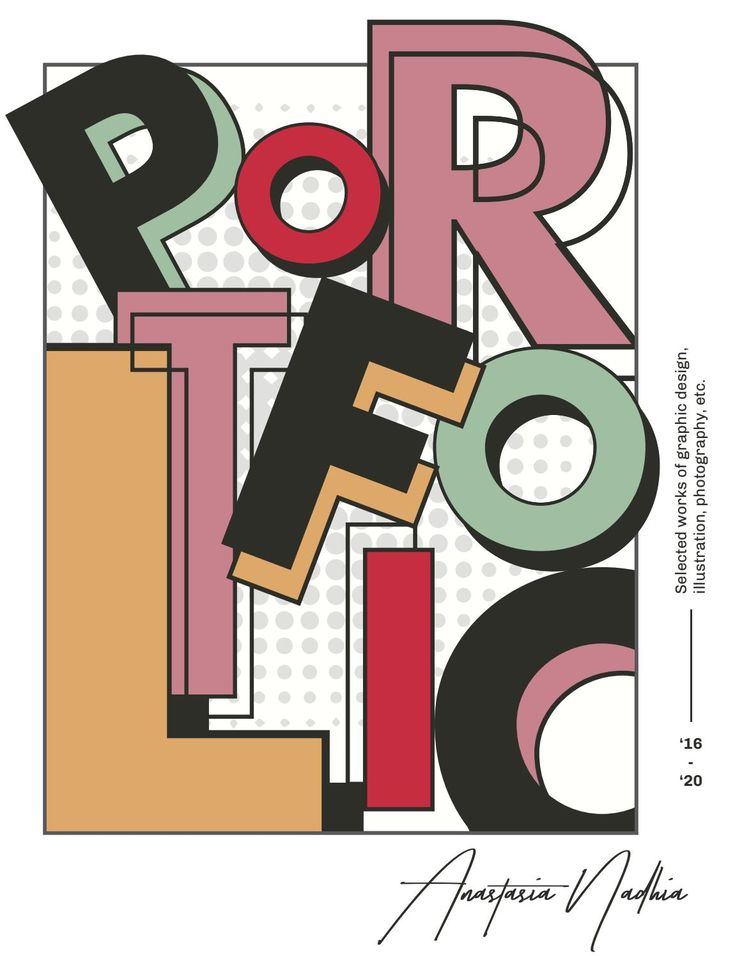
Graphic design has become an essential part of modern communication, helping businesses, brands, and individuals convey their messages through creative visuals. From logos and social media posts to websites, advertisements, and product packaging, graphic design plays a significant role in shaping how people perceive and interact with brands.
In today’s digital age, the demand for visually appealing and meaningful content continues to grow. Businesses rely on graphic designers to build brand identities, attract customers, and communicate ideas effectively. As a result, graphic design offers exciting opportunities for creative individuals who want to turn their artistic interests into a rewarding career.
Whether you are a student, beginner, freelancer, or professional looking to improve your creative abilities, understanding graphic design skills, emerging trends, and career opportunities can help you make informed decisions about your future.
What Is Graphic Design?
Graphic design is the art of combining images, typography, colors, illustrations, and layouts to communicate information visually. It involves creating designs that are not only attractive but also meaningful, clear, and appropriate for a particular audience.
Graphic designers work across different industries, including advertising, marketing, education, entertainment, e-commerce, technology, and publishing. They create visual materials that help organizations promote products, explain services, and establish recognizable brand identities.
Common examples of graphic design include:
- Logo and brand identity design: Creating logos, color palettes, and visual guidelines for businesses.
- Social media design: Developing engaging posts, banners, stories, and advertisements.
- Website and digital design: Designing visual elements for websites and digital platforms.
- Print design: Creating brochures, posters, magazines, flyers, and business cards.
- Packaging design: Developing product packaging that attracts customers and communicates essential information.
- Advertising design: Producing promotional graphics for digital and traditional marketing campaigns.
Essential Skills Every Graphic Designer Should Develop
Becoming a successful graphic designer requires a combination of creativity, technical knowledge, communication, and problem-solving abilities. Developing these skills can help beginners create effective designs and prepare for professional opportunities.
1. Creativity and Visual Thinking
Creativity allows graphic designers to transform ideas into original visual concepts. Designers must understand how to communicate messages through imagery, composition, and visual storytelling.
Practicing sketching, exploring different design styles, studying advertisements, and experimenting with layouts can help improve creative thinking.
2. Understanding Color Theory
Colors influence emotions, communicate meaning, and contribute to brand recognition. Graphic designers need to understand color combinations, contrast, harmony, and accessibility to create visually balanced designs.
For example, a healthcare brand might use calming colors to communicate trust, while a children’s product brand may use bright colors to create an energetic appearance.
3. Typography and Layout Design
Typography involves selecting and arranging fonts to make information readable and visually appealing. Designers should understand font pairing, spacing, hierarchy, alignment, and readability.
A well-organized layout guides viewers through the content and helps them identify the most important information quickly.
4. Proficiency in Graphic Design Software
Professional designers use digital tools to create, edit, and refine visual materials. Learning the right software can improve productivity and expand creative possibilities.
Popular tools include:
- Adobe Photoshop: Useful for image editing, photo manipulation, and digital artwork.
- Adobe Illustrator: Suitable for vector graphics, logos, icons, and illustrations.
- Adobe InDesign: Designed for page layouts, brochures, magazines, and other publication materials.
- Canva: A beginner-friendly platform for creating social media graphics, presentations, and marketing materials.
- Figma: Useful for collaborative interface design and digital product workflows.
Beginners should choose tools based on their career goals rather than trying to master every application at once.
5. Communication and Problem-Solving
Graphic design is not simply about making attractive visuals. Designers must understand a client’s objectives, target audience, brand guidelines, and project requirements.
Strong communication skills help designers explain their ideas, receive feedback, and collaborate with marketing teams, developers, clients, and other creative professionals.
6. Attention to Detail
Small design decisions can significantly affect the final result. Consistent spacing, proper alignment, readable text, accurate colors, and high-quality exports all contribute to professional work.
Developing attention to detail helps designers deliver polished and reliable designs.
Latest Graphic Design Trends in the Digital Age
Graphic design trends evolve alongside technology, consumer preferences, and digital communication. Understanding current design directions can help professionals stay competitive while developing their own creative styles.
1. Artificial Intelligence in Graphic Design
Artificial intelligence is changing how designers brainstorm ideas, generate visual concepts, edit images, and explore different creative directions. AI-powered tools can speed up repetitive tasks and support experimentation.
However, designers still need strong visual judgment, originality, and an understanding of design principles to produce effective results. AI works best as a creative assistant rather than a replacement for thoughtful design decisions.
2. Minimalist and Clean Design
Minimalism focuses on simplicity, clear typography, balanced spacing, and essential visual elements. This approach helps brands communicate messages without overwhelming their audiences.
Clean design is especially useful for websites, mobile applications, business presentations, and modern brand identities.
3. Bold Typography and Expressive Fonts
Typography is increasingly used as a central visual element rather than simply a way to display information. Large headlines, expressive letterforms, and creative font combinations can make designs more distinctive.
Designers must balance visual impact with readability, especially when creating content for mobile devices.
4. Motion Graphics and Animated Visuals
Motion graphics combine graphic design with animation to create engaging digital content. Animated logos, short promotional videos, moving typography, and social media animations help brands capture attention.
Learning basic animation can give graphic designers additional opportunities in digital marketing, advertising, and video production.
5. Sustainable and Purpose-Driven Design
Many brands want their visual communication to reflect environmental awareness, accessibility, and social responsibility. Designers may use thoughtful packaging, inclusive imagery, readable layouts, and visual systems that support these goals.
Purpose-driven design focuses on communicating a meaningful message while considering the audience and the wider impact of design choices.
6. Three-Dimensional Graphics and Immersive Visuals
Three-dimensional illustrations, realistic product visuals, and immersive digital experiences provide new ways to present ideas. These techniques can be useful for product advertising, entertainment, branding, and digital campaigns.
Designers interested in this area can explore 3D modeling, rendering, and animation tools to expand their creative capabilities.
Career Opportunities in Graphic Design
Graphic design offers a wide range of career paths for people with different creative interests and technical strengths. The right specialization depends on your skills, portfolio, preferred work environment, and long-term goals.
1. Graphic Designer
Graphic designers create visual content for businesses, advertising agencies, publishing companies, and digital platforms. Their responsibilities may include designing brochures, posters, advertisements, presentations, and promotional materials.
2. Brand Identity Designer
Brand identity designers help businesses establish a consistent visual identity. They develop logos, typography systems, color palettes, brand guidelines, and supporting visual assets.
This career path is suitable for designers interested in branding, visual strategy, and creative direction.
3. UI/UX Designer
UI/UX designers focus on the appearance and usability of digital products such as websites, mobile applications, and software platforms. UI design emphasizes visual interfaces, while UX design focuses on the overall user experience.
Graphic designers can transition into this field by learning interface design, wireframing, prototyping, accessibility, and user research.
4. Social Media Designer
Social media designers create visual content for platforms used by businesses, creators, and marketing agencies. Their work may include promotional posts, campaign graphics, advertisements, stories, and branded templates.
This role is particularly relevant to digital marketing and online brand communication.
5. Motion Graphics Designer
Motion graphics designers create animated visuals for advertisements, explainer videos, presentations, films, and digital campaigns. They combine design principles with animation techniques to communicate ideas dynamically.
6. Packaging Designer
Packaging designers develop the visual appearance of product packaging. Their work combines branding, typography, illustration, product information, and practical production requirements.
This specialization can offer opportunities in retail, food and beverage, cosmetics, consumer goods, and e-commerce.
7. Freelance Graphic Designer
Freelancing allows designers to work independently with clients from different industries. Freelancers may specialize in logo design, brand identity, social media graphics, marketing materials, or digital illustrations.
Building a strong portfolio, communicating professionally, meeting deadlines, and developing client relationships are important for long-term success.
How to Start a Career in Graphic Design
Starting a graphic design career does not always require a formal degree. Although a relevant qualification can be useful, practical skills, a strong portfolio, and the ability to solve design problems are also important.
Here is a step-by-step approach for beginners.
Step 1: Learn the fundamentals. Understand typography, color theory, composition, visual hierarchy, alignment, and spacing before focusing heavily on software.
Step 2: Choose your design tools. Start with a beginner-friendly platform or learn professional tools such as Adobe Photoshop and Illustrator, depending on your goals.
Step 3: Practice with real-world projects. Create sample logos, posters, social media campaigns, brochures, and packaging concepts. Practice helps you apply design principles and identify areas for improvement.
Step 4: Build a professional portfolio. Select your strongest projects and explain the objective, target audience, design decisions, and final outcome. A focused portfolio is more valuable than a large collection of unrelated designs.
Step 5: Learn from feedback. Share your work with mentors, designers, and relevant creative communities. Constructive feedback can help you improve your technical skills and creative judgment.
Step 6: Apply for opportunities. Explore internships, entry-level jobs, freelance platforms, and local business projects. Each project can help you gain experience and strengthen your portfolio.
Step 7: Continue learning. Keep exploring new tools, techniques, accessibility standards, and industry developments to maintain relevant skills.
Is Graphic Design a Good Career Choice?
Graphic design can be a good career choice for individuals who enjoy creativity, visual communication, and solving problems. It offers opportunities across industries and allows professionals to work in agencies, in-house design teams, or independent freelance businesses.
However, success requires more than artistic talent. Designers must understand client needs, respond to feedback, manage deadlines, and continually improve their work. Competition can also be challenging, particularly for beginners without a strong portfolio or clear specialization.
Before choosing this career, consider your interests, willingness to practice, preferred working style, and the type of design work you want to pursue.
The Future of Graphic Design
The future of graphic design will continue to be shaped by digital platforms, AI-assisted workflows, motion graphics, interactive experiences, and changing audience expectations. Businesses will need designers who can create visually engaging content while maintaining brand consistency and communicating information clearly.
As design tools become more accessible, professionals can differentiate themselves through creative thinking, strategic problem-solving, strong visual fundamentals, and an understanding of their audiences.
Designers who combine technical proficiency with originality and adaptability will be better positioned to explore new opportunities in the evolving creative industry.
Conclusion
Graphic design is a dynamic field that combines creativity, technology, and communication. From creating brand identities and marketing materials to designing digital interfaces and animated visuals, graphic designers contribute to how businesses share ideas and connect with audiences.
By learning essential design principles, practicing with industry-relevant tools, following emerging trends, and building a compelling portfolio, aspiring designers can prepare for a variety of career opportunities.
Whether you want to work for a company, specialize in branding, enter UI/UX design, or become a freelancer, consistent practice and a commitment to learning can help you build a strong foundation for a successful graphic design career.
Frequently Asked Questions (FAQs)
1. What qualifications are required to become a graphic designer?
A degree or diploma in graphic design can be helpful, but it is not always mandatory. Practical skills, software knowledge, and a strong portfolio can also help candidates qualify for many roles.
2. Which software is best for beginners in graphic design?
Canva is a useful starting point for beginners. Adobe Photoshop and Illustrator are popular options for developing more advanced image-editing, illustration, and branding skills.
3. How long does it take to learn graphic design?
The time required depends on your learning schedule, prior experience, and goals. You can learn basic principles in a few weeks or months, while developing professional-level skills generally requires sustained practice and project experience.
4. Can I work as a freelance graphic designer?
Yes. Freelancers can provide services such as logo design, social media graphics, branding, packaging, and marketing materials. A professional portfolio and effective client communication can help attract projects.
5. Is graphic design still relevant with the growth of AI?
Yes. AI can support design workflows, but human creativity, brand understanding, visual judgment, communication, and problem-solving remain important. Learning to use AI responsibly can complement traditional design skills.


