
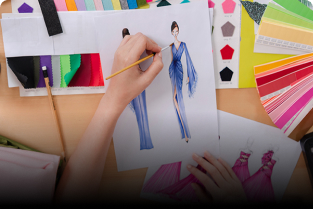
Fashion designing is an exciting field that combines creativity, artistic expression, technical knowledge, and innovation. From everyday clothing and luxury outfits to footwear, accessories, and sustainable apparel, fashion designing influences how people express their personalities and lifestyles.
The fashion industry continues to evolve with changing consumer preferences, digital technologies, and global design trends. Today, fashion designers are responsible not only for creating attractive garments but also for understanding fabrics, studying market demands, developing collections, and bringing creative concepts to life.
For students, aspiring designers, and creative professionals, fashion designing offers numerous opportunities to build a rewarding career. By developing the right skills, understanding emerging trends, and exploring different career paths, you can prepare yourself for success in this competitive industry.
What Is Fashion Designing?
Fashion designing is the process of conceptualizing, creating, and developing clothing, accessories, and other fashion products. It combines artistic ideas with practical techniques to produce designs that meet aesthetic, functional, and commercial requirements.
Fashion designers consider factors such as fabric selection, colors, patterns, silhouettes, comfort, cultural influences, and customer preferences when developing their creations.
Fashion designing includes several specializations:
- Clothing design: Creating casual wear, formal wear, sportswear, ethnic clothing, and luxury apparel.
- Textile design: Developing fabric patterns, prints, textures, and color combinations.
- Fashion illustration: Creating sketches and visual representations of clothing concepts.
- Accessory design: Designing handbags, footwear, jewelry, belts, and other fashion accessories.
- Costume design: Creating outfits for films, television, theatre, and other performances.
- Sustainable fashion: Designing clothing with greater consideration for materials, waste reduction, and environmental impact.
Each specialization provides different opportunities for creative expression and professional development.
Essential Skills Every Fashion Designer Should Develop
Becoming a successful fashion designer requires a combination of creative talent, technical expertise, and business awareness. Developing these skills can help you turn your ideas into practical designs.
1. Creativity and Innovation
Creativity is the foundation of fashion designing. Designers must develop original ideas, experiment with silhouettes, explore different styles, and create collections that appeal to their intended audiences.
Studying fashion history, observing cultural influences, visiting exhibitions, and experimenting with different materials can help you develop a distinctive design perspective.
2. Fashion Illustration and Sketching
Fashion illustration allows designers to communicate their ideas visually before producing garments. Sketching helps them explore proportions, shapes, garment details, and styling concepts.
Beginners can start with basic pencil sketches and gradually learn digital illustration. The primary goal is to communicate design ideas clearly and accurately.
3. Knowledge of Fabrics and Textiles
Understanding fabrics is essential for selecting suitable materials for different garments. Designers should learn about cotton, silk, linen, wool, denim, synthetic fabrics, and blended textiles.
They also need to understand fabric weight, texture, durability, flexibility, draping, and comfort. This knowledge helps them choose materials that complement the design and meet practical requirements.
4. Pattern Making and Garment Construction
Pattern making involves creating templates used to cut fabric into specific shapes. Garment construction focuses on assembling these pieces through sewing, fitting, and finishing techniques.
Knowledge of measurements, stitching, seams, darts, and alterations enables designers to transform sketches into wearable clothing.
5. Color Theory and Styling
Colors influence the mood, appearance, and identity of fashion collections. Designers must understand color harmony, contrast, seasonal palettes, and how different shades work together.
Styling is equally important because it involves coordinating garments, footwear, accessories, and other elements to create a complete look.
6. Digital Design and Fashion Software
Technology plays an increasingly important role in fashion design and product development. Designers use digital tools to create illustrations, technical drawings, patterns, and visual presentations.
Popular tools include Adobe Illustrator, Adobe Photoshop, and specialized computer-aided design software. Learning relevant digital tools can improve efficiency and expand career opportunities.
7. Communication and Business Skills
Fashion designers often collaborate with textile manufacturers, suppliers, stylists, merchandisers, marketing teams, and clients.
Communication, teamwork, time management, budgeting, and negotiation skills help designers manage projects effectively and bring their ideas to market.
Latest Fashion Designing Trends
Fashion trends change with consumer preferences, cultural influences, technological developments, and lifestyle changes. Understanding these trends can help aspiring designers develop relevant and innovative collections.
1. Sustainable and Eco-Friendly Fashion
Sustainability is an important consideration for many fashion brands and consumers. Designers are exploring recycled fabrics, organic materials, durable garments, responsible sourcing, and production techniques that reduce waste.
Repairing, reusing, reselling, and recycling clothing are also important elements of circular fashion.
Aspiring designers can explore sustainable textiles and zero-waste pattern-making techniques to understand how environmental considerations can influence fashion development.
2. Minimalist and Timeless Designs
Minimalist fashion emphasizes simple silhouettes, clean lines, versatile clothing, and balanced color palettes. This approach focuses on quality, functionality, and garments that can be styled for different occasions.
Designers working in this area often prioritize fabric quality, precise tailoring, and versatility rather than excessive decoration.
3. Digital Fashion and 3D Garment Design
Digital technology is changing how designers visualize and develop clothing. Three-dimensional design tools allow professionals to experiment with garment shapes, textures, colors, and fit before creating physical samples.
These technologies can support collaboration, speed up product development, and reduce unnecessary sample production. Digital fashion also creates opportunities in virtual environments, gaming, and online experiences.
4. Personalized and Custom-Made Clothing
Many consumers value clothing that reflects their individual preferences, body measurements, and lifestyles. Made-to-order garments and customized designs allow fashion businesses to provide more personalized experiences.
This approach can also help designers explore specialized markets, including occasion wear, bespoke tailoring, and personalized accessories.
5. Traditional Craftsmanship and Cultural Inspiration
Traditional embroidery, regional textiles, handloom fabrics, and heritage craftsmanship continue to inspire contemporary fashion collections.
Designers can combine traditional techniques with modern silhouettes to create distinctive products. Understanding cultural context and respecting the communities and artisans behind these traditions are important parts of responsible design.
6. Technology and Artificial Intelligence in Fashion
Artificial intelligence can assist fashion professionals with trend research, idea generation, visual experimentation, and certain repetitive tasks. Digital platforms also help brands understand consumer preferences and showcase collections.
However, technology works best when combined with human creativity, technical expertise, and a clear understanding of customer needs.
Educational Pathways in Fashion Designing
Choosing an appropriate educational pathway can help you develop the skills and practical experience needed for a fashion career.
Some popular options include:
- Diploma in Fashion Designing: Introduces students to fashion illustration, garment construction, textiles, and basic design principles.
- Bachelor’s degree in Fashion Design: Provides broader training in design development, pattern making, textiles, fashion history, and industry projects.
- Certificate courses: Offer focused training in sewing, styling, illustration, textile design, or digital fashion tools.
- Specialized programs: Cover areas such as fashion merchandising, costume design, accessory design, and sustainable fashion.
When selecting a course, review its curriculum, practical workshops, faculty experience, portfolio development, internship opportunities, and fees.
Admission requirements vary by institution, so check the eligibility criteria before applying.
Career Opportunities in the Fashion Industry
Fashion designing offers career opportunities in creative design, production, retail, styling, and entrepreneurship.
1. Fashion Designer
Fashion designers create clothing collections for apparel companies, fashion brands, boutiques, and independent labels. Their work includes researching trends, sketching designs, selecting fabrics, and collaborating with production teams.
2. Fashion Illustrator
Fashion illustrators produce drawings and digital visuals that communicate clothing concepts. They may work with designers, fashion publications, advertising agencies, or independent clients.
3. Textile Designer
Textile designers develop fabric prints, patterns, textures, and color combinations. Their work supports industries such as apparel, home furnishings, and textile manufacturing.
4. Fashion Stylist
Fashion stylists coordinate clothing, footwear, and accessories for photo shoots, advertising campaigns, celebrities, fashion publications, and special events.
This career is suitable for individuals who enjoy visual storytelling and creating complete fashion looks.
5. Fashion Merchandiser
Fashion merchandisers connect fashion products with market demand. They may assist with product planning, pricing, buying, inventory, sales strategies, and coordination between design and retail teams.
6. Costume Designer
Costume designers create clothing for films, television, theatre, and other performances. They research characters, historical periods, and storylines to develop suitable costumes.
7. Fashion CAD Designer
Fashion CAD designers use digital tools to create technical garment drawings, fabric prints, specifications, and design concepts. Digital design skills can be valuable in modern apparel development.
8. Fashion Entrepreneur
Fashion entrepreneurs establish clothing brands, boutiques, online stores, or custom-design businesses. Along with creative ability, they need knowledge of sourcing, pricing, production, branding, and marketing.
How to Start a Career in Fashion Designing
Starting a fashion designing career requires consistent practice, practical experience, and a willingness to learn.
Step 1: Learn the fundamentals. Understand color theory, fabrics, silhouettes, fashion history, garment construction, and basic design principles.
Step 2: Practice fashion sketching. Draw different clothing styles, explore proportions, and develop original design concepts.
Step 3: Develop technical skills. Learn sewing, pattern making, fitting, fabric selection, and finishing techniques.
Step 4: Explore digital tools. Learn illustration and design software relevant to your chosen specialization.
Step 5: Create a portfolio. Include your best sketches, mood boards, fabric research, technical drawings, and completed projects. Explain the inspiration and decisions behind your work.
Step 6: Gain practical experience. Look for internships, assistant designer roles, workshops, and opportunities to collaborate with fashion brands or local designers.
Step 7: Build professional connections. Participate in fashion events, connect with industry professionals, and share your work through appropriate portfolio platforms.
Step 8: Continue learning. Follow industry developments, experiment with new techniques, and refine your personal design style.
Is Fashion Designing a Good Career Choice?
Fashion designing can be a rewarding career for people who enjoy creativity, clothing, textiles, and visual expression. It offers opportunities in fashion houses, apparel companies, retail businesses, costume production, and independent ventures.
However, the industry can be competitive. Designers must balance creativity with budgets, deadlines, customer expectations, and production requirements.
Before choosing this field, consider your interests, preferred specialization, willingness to develop technical skills, and long-term goals. A strong portfolio and practical experience can help you demonstrate your abilities to employers and clients.
The Future of Fashion Designing
The future of fashion designing will be influenced by sustainability, digital tools, changing consumer expectations, and advances in manufacturing technology.
Designers may increasingly use 3D visualization, computer-aided design, and AI-assisted workflows to explore concepts and improve product development. At the same time, traditional craftsmanship, thoughtful material selection, and a strong understanding of customer needs will remain valuable.
Professionals who combine creative thinking with technical knowledge, market awareness, and adaptability will be better prepared to explore opportunities in the evolving fashion industry.
Conclusion
Fashion designing is a dynamic profession that combines creativity, technical expertise, cultural awareness, and business understanding. From creating original clothing collections to developing textiles, styling outfits, and launching fashion brands, the industry offers diverse career opportunities.
By learning essential skills, exploring emerging trends, choosing suitable educational programs, and building a strong portfolio, aspiring designers can establish a solid foundation for their careers.
Whether you want to become a fashion designer, stylist, textile specialist, or entrepreneur, consistent practice and a commitment to learning can help turn your passion for fashion into a professional opportunity.
Frequently Asked Questions (FAQs)
1. What qualifications are required for fashion designing?
A diploma, certificate, or degree in fashion designing can provide useful training. Requirements vary by institution and employer, and practical experience and portfolio quality can also be important.
2. Which skills are important for a fashion designer?
Creativity, fashion illustration, fabric knowledge, pattern making, garment construction, color theory, digital design, communication, and time management are valuable skills.
3. Can I learn fashion designing without a degree?
Yes. You can develop fashion design skills through online courses, workshops, independent practice, and hands-on projects. Formal education can offer additional structure, mentorship, and industry exposure.
4. What are the career options after fashion designing?
Career options include fashion designer, textile designer, fashion illustrator, stylist, fashion merchandiser, costume designer, fashion CAD designer, and fashion entrepreneur.
5. How important is a portfolio in fashion designing?
A portfolio demonstrates your creativity, technical knowledge, and design process. It helps employers, clients, and educational institutions evaluate your abilities and understand your individual style.
6. How is technology changing the fashion industry?
Digital illustration, 3D garment visualization, computer-aided design, and AI-assisted tools are helping designers explore concepts and improve some aspects of product development. Human creativity and design judgment remain essential.


