
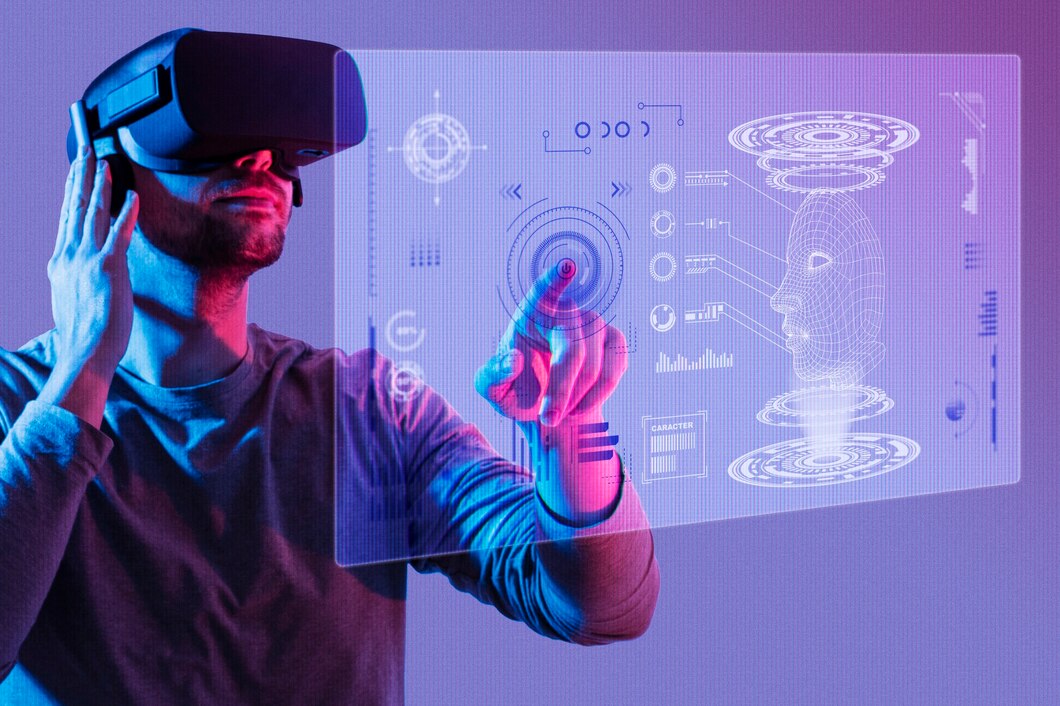
In today’s digital world, businesses are constantly searching for innovative ways to attract customers, improve engagement, and deliver memorable shopping experiences. Augmented Reality (AR) and Virtual Reality (VR) have emerged as powerful technologies that help companies transform how customers interact with products, services, and brands. By combining digital elements with the real world or creating fully immersive virtual environments, these technologies make customer experiences more interactive, personalized, and engaging.
From virtually trying on clothes to exploring properties through 3D tours, AR and VR are changing customer expectations across industries. Businesses that adopt these technologies can help customers make informed decisions, build stronger relationships, and improve satisfaction throughout the buying journey.
In this blog, we will explore how augmented reality and virtual reality enhance customer experiences, their benefits, real-world applications, and their future potential.
What Are Augmented Reality and Virtual Reality?
Before exploring their impact on customer experiences, it is important to understand the difference between these two technologies.
Augmented Reality (AR) adds digital elements, such as images, animations, text, or 3D objects, to the user’s view of the real world. Customers can experience AR through smartphones, tablets, smart glasses, and other compatible devices.
For example, a customer shopping for furniture can use an AR application to see how a sofa would look in their living room before purchasing it.
Virtual Reality (VR) creates a computer-generated environment that users can explore through compatible VR headsets and controllers. Unlike AR, which enhances the real world with digital content, VR can immerse users in an entirely virtual setting.
For instance, a travel company can offer virtual tours that allow customers to explore hotels, destinations, and attractions before booking a trip.
Both technologies provide businesses with new ways to demonstrate products, communicate value, and create engaging customer interactions.
1. Making Online Shopping More Interactive
One of the biggest challenges in online shopping is that customers cannot physically examine products before purchasing them. Traditional product images and descriptions may not provide enough information to help shoppers understand a product’s size, appearance, or suitability.
AR helps solve this problem by allowing customers to interact with virtual product models.
For example, customers can use AR applications to:
- Preview furniture in their homes.
- See how decorative items fit into their interiors.
- Try virtual clothing and accessories.
- Preview makeup shades and cosmetic products.
- Examine certain products through interactive 3D views.
These features make online shopping more engaging and help customers visualize products in their own environments.
When customers can better understand how a product may look or fit, they may feel more confident about their purchasing decisions. However, the actual results depend on the accuracy of the AR experience and the quality of the product information.
2. Providing Personalized Customer Experiences
Modern customers increasingly value experiences that reflect their individual needs, preferences, and interests. AR and VR can help businesses provide more personalized interactions.
AR applications can allow users to experiment with different product colors, designs, sizes, and styles. For example, a customer selecting eyeglasses can preview different frames using a virtual try-on feature.
Similarly, fashion retailers can offer digital fitting experiences that help shoppers explore different styles without physically changing outfits.
VR can support personalization by allowing customers to explore virtual showrooms, customized product demonstrations, and interactive brand environments.
These experiences can make customers feel more involved in the selection process. When personalization is relevant and easy to use, it can improve engagement and help customers discover products that better match their preferences.
3. Improving Customer Engagement
Customer engagement is essential for building brand awareness and maintaining long-term relationships. AR and VR offer interactive experiences that encourage customers to participate rather than simply observe.
For example, a brand can create an AR campaign in which customers scan a product package to reveal an animation, demonstration, or interactive activity.
A travel company might provide a VR experience that allows potential visitors to explore a destination before making a reservation. A gaming brand could create an immersive virtual event where users interact with digital environments and other participants.
These experiences give customers opportunities to explore, learn, and interact with brands in memorable ways.
However, engagement depends on the quality of the experience. Businesses should ensure that AR and VR features provide genuine value instead of adding unnecessary complexity to the customer journey.
4. Helping Customers Make Better Purchasing Decisions
Customers often hesitate to purchase products when they are uncertain about their features, appearance, or suitability. AR and VR can reduce some of this uncertainty by providing realistic visualizations and demonstrations.
For example, an AR application can help customers understand how a piece of furniture might fit into a room. A VR experience can demonstrate the layout of a property or allow potential buyers to explore a vehicle’s interior.
These technologies help customers gather useful information before committing to a purchase.
They are particularly valuable for products and services that are difficult to demonstrate through conventional photographs or text descriptions.
Although immersive visualization can improve understanding, businesses should also provide accurate specifications, transparent pricing, and clear product limitations. Virtual experiences should complement reliable information rather than replace it.
5. Transforming the Real Estate and Travel Industries
The real estate and travel industries rely heavily on visualization because customers often want to understand a place before visiting or purchasing it.
AR and VR make these experiences more accessible and convenient.
Virtual Property Tours
Real estate agencies can use VR to create immersive property tours. Potential buyers and tenants can explore rooms, examine layouts, and understand the overall appearance of a property without visiting it in person.
This can be especially useful for customers relocating to another city or country.
Interactive Interior Design
AR applications can help customers visualize furniture, lighting, and decorative elements within a room. This allows them to experiment with different arrangements before purchasing products or beginning renovation projects.
Virtual Travel Experiences
Hotels, resorts, and tourism companies can use VR to showcase destinations, accommodations, and attractions. Customers can explore selected locations virtually and gain a better understanding of what a trip might offer.
These applications help customers research options more conveniently and can support more informed booking decisions.
6. Strengthening Customer Experiences in Retail
Retail businesses are increasingly exploring immersive technologies to connect physical and digital shopping experiences.
AR can help customers access product information, preview items, and interact with digital content while shopping in a physical store.
For example, shoppers might use a smartphone to view additional product details, compare design options, or see a demonstration of how an item works.
VR can support virtual showrooms where customers explore collections, interact with digital displays, or discover products in a themed environment.
These technologies can also help retailers create consistent experiences across websites, mobile applications, and physical stores.
When implemented effectively, immersive retail experiences can make shopping more informative, convenient, and enjoyable.
7. Enhancing Customer Support and Product Training
AR and VR can improve customer support by helping users understand products and solve problems more effectively.
AR-based instructions can display digital guidance over real-world objects. For example, a customer assembling furniture might use an AR application to view instructions that show where individual components should be placed.
Businesses can also use AR to provide visual guidance for equipment setup, maintenance, and basic troubleshooting.
VR can create simulated training environments where customers learn how to operate products or practice specific tasks. This approach can be useful for complex equipment, technical products, and specialized services.
Interactive instructions may reduce confusion and make information easier to understand, particularly when traditional manuals are difficult to follow.
However, businesses should continue to provide accessible alternatives for customers whose devices do not support these technologies or who prefer conventional assistance.
8. Building Stronger Emotional Connections With Customers
Successful customer experiences involve more than completing a transaction. Customers also remember how a brand makes them feel.
AR and VR allow businesses to create immersive storytelling experiences that help customers connect with products and brand values.
For example, a fashion brand might use VR to take customers behind the scenes of a collection, showing the inspiration, craftsmanship, and creative process behind its products.
An environmental organization could create a virtual experience that illustrates the effects of environmental changes and encourages people to learn more about conservation.
Similarly, an automotive brand might offer a virtual driving experience that demonstrates vehicle features in a simulated environment.
These experiences can make brand messages more vivid and encourage customers to spend more time exploring the company’s products and values.
Authenticity is important, however. Immersive storytelling works best when it communicates meaningful information rather than relying only on visual effects.
9. Reducing Product Returns and Customer Dissatisfaction
Product returns can create additional costs for businesses and inconvenience for customers. Returns sometimes occur because products do not match customer expectations or are unsuitable for their intended use.
AR and VR may help address some of these challenges by improving product visualization before purchase.
For example, virtual furniture placement can help customers assess whether an item suits their room, while virtual try-on tools can provide a better impression of certain clothing styles or accessories.
VR demonstrations can also help customers understand the functions of more complex products.
When these experiences accurately represent products, customers may be able to make more informed decisions and avoid some mismatched purchases.
However, AR and VR do not guarantee fewer returns. Their effectiveness depends on factors such as product categories, visualization accuracy, usability, and customer expectations.
10. Supporting Omnichannel Customer Experiences
Customers often move between websites, mobile applications, social media, and physical stores before making a purchase. Businesses need to create a consistent experience across these channels.
AR and VR can connect different stages of the customer journey.
For example, a customer might discover a product through a social media advertisement, use AR to preview it at home, visit a store to examine it physically, and complete the purchase through an online platform.
A retailer might also use a virtual showroom to introduce a collection before customers visit a physical location.
By connecting digital exploration with real-world purchasing opportunities, businesses can make the customer journey more flexible and convenient.
The most effective approach is to ensure that immersive features work alongside existing shopping channels rather than forcing customers to use a particular technology.
Benefits of AR and VR for Businesses and Customers
Adopting augmented reality and virtual reality can offer several potential advantages.
For customers:
- More interactive product exploration.
- Better visualization before purchasing.
- Convenient access to virtual demonstrations and tours.
- Greater opportunities for personalization.
- Improved understanding of product features.
- More engaging and memorable brand experiences.
For businesses:
- New opportunities to demonstrate products.
- Greater potential for customer engagement.
- More informative digital marketing campaigns.
- Opportunities to differentiate a brand from competitors.
- Improved product education and customer support.
- Better insights into how users interact with digital experiences, when appropriate analytics and privacy safeguards are used.
The results depend on the business model, customer needs, implementation quality, and the suitability of the technology for a particular use case.
Challenges of Implementing AR and VR
Although these technologies offer exciting opportunities, businesses should consider several challenges before investing in them.
High Development Costs
Creating high-quality 3D models, interactive applications, and immersive environments can require specialized skills, software, and equipment. Businesses should evaluate costs against expected customer benefits.
Device Compatibility
Not all customers have access to VR headsets or devices that support advanced AR features. Businesses should consider smartphone compatibility and provide alternative ways to access essential information.
User Comfort and Accessibility
Some VR users may experience discomfort or motion sickness. Interfaces should be designed carefully, with accessible controls, comfortable navigation, and alternatives for users who cannot use immersive equipment.
Privacy and Data Security
Some AR and VR applications may collect sensitive information, such as camera feeds, spatial data, or interaction patterns. Businesses must handle this information responsibly, explain their data practices, and apply appropriate security measures.
Maintaining Realistic Experiences
Poor-quality visuals, inaccurate product models, and complicated interfaces can frustrate customers. Businesses should test their experiences with real users and ensure that digital representations align with actual products.
Addressing these challenges can help organizations create useful, inclusive, and trustworthy immersive experiences.
The Future of AR and VR in Customer Experience
The future of customer experience will likely involve more sophisticated combinations of immersive technologies, artificial intelligence, and digital commerce.
AI-powered AR applications may offer more responsive product recommendations, while advances in 3D visualization could make virtual product demonstrations more realistic.
Retailers may continue experimenting with virtual showrooms, and real estate companies may improve remote property tours. Training and customer support applications may also become more interactive as hardware and software develop.
Spatial computing and mixed reality may further connect digital content with physical environments, giving customers new ways to interact with products and services.
Nevertheless, adoption will depend on affordability, device availability, usability, and clear benefits. Businesses that focus on solving genuine customer problems will be better positioned to use these technologies effectively.
Conclusion
Augmented Reality and Virtual Reality are changing how businesses communicate with customers, demonstrate products, and create memorable experiences. From interactive online shopping and virtual property tours to personalized product previews and immersive brand storytelling, these technologies offer new ways to make customer interactions more informative and engaging.
AR enhances the real world with digital information, while VR allows users to explore computer-generated environments. Both can help customers understand products, evaluate options, and interact with brands in new ways.
However, successful implementation requires careful planning, accurate visualizations, accessible design, and responsible data practices. Businesses should select applications that address real customer needs and complement their existing services.


