
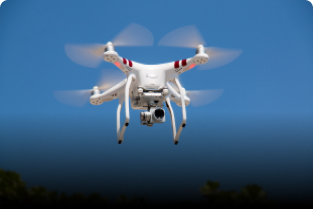
Drone engineering has rapidly evolved from a niche technology to a mainstream innovation powering industries like agriculture, filmmaking, logistics, defense, and environmental monitoring. Drones are no longer just hobbyist gadgets; they are complex machines designed with precision engineering, smart electronics, and advanced flight algorithms.
In this blog, we’ll take you through the journey of a drone—from its initial design to its first successful flight.
1. The Backbone of Every Drone: Core Design Principles
At the heart of drone engineering is a blend of aerodynamics, robotics, electronics, and software. Before any drone takes off, its design must balance:
- Weight and payload capacity
- Battery life and power consumption
- Flight stability and speed
- Purpose-specific features (camera, sensors, delivery systems)
Engineers carefully calculate these factors to ensure the drone can lift off, stay stable in the air, and complete its mission efficiently.
2. Key Components of a Modern Drone
• Frame
The structure that holds all components together. Typically made of lightweight materials like carbon fiber or aluminum to reduce weight and increase durability.
• Motors & Propellers
These generate lift. Most drones use brushless DC motors for efficient, smooth operation.
• Electronic Speed Controllers (ESCs)
ESCs manage how fast each motor spins, helping the drone maintain balance and change direction.
• Flight Controller
The “brain” of the drone. It processes sensor data and tells the motors how to react to maintain stable flight.
• Battery
LiPo (Lithium Polymer) batteries are common due to their high energy density and efficiency.
• Sensors
Such as accelerometers, gyroscopes, GPS modules, obstacle sensors, and altitude sensors—crucial for autonomous movement.
• Camera (optional)
Used for photography, videography, mapping, surveillance, or real-time monitoring.
3. Understanding Drone Aerodynamics
Drones rely on precise control of airflow and lift. Quadcopters, the most common drone type, balance themselves using:
- Counter-rotating propellers
- Real-time sensor feedback
- Automated stabilization algorithms
Good aerodynamics ensures smooth maneuvering, minimal drag, and maximum battery efficiency.
4. The Software Behind Flight
Beyond hardware, drone performance depends heavily on software:
- Flight algorithms to manage stability
- GPS navigation systems for route planning
- AI-powered obstacle detection
- Autonomous flight modes like follow-me, waypoint navigation, and return-to-home
Modern drones combine embedded software and mobile apps to offer real-time control and telemetry.
5. From Prototyping to Production
The engineering process typically includes:
• Concept and Design
Determining the drone’s purpose and sketching structural designs.
• Testing Components
Motors, propellers, battery systems, and sensors are individually tested.
• Building the Prototype
Engineers assemble the drone and integrate hardware with software.
• Flight Testing
Initial flights help refine stability, power output, and navigation performance.
• Final Production
Once optimized, the drone is manufactured for commercial or industrial use.
6. Real-World Applications of Drone Engineering
Drone engineering has unlocked new possibilities across industries:
- Agriculture: Crop health monitoring, spraying, soil analysis
- Healthcare: Delivering medicines and emergency supplies
- Construction: Mapping, surveying, and site inspections
- Filmmaking: Capturing cinematic aerial shots
- Search & Rescue: Identifying victims in remote areas
- Logistics: Last-mile drone deliveries
The more advanced drone engineering becomes, the more diverse its applications grow.
Conclusion
Drone engineering represents the perfect marriage of creativity, science, and innovation. From designing aerodynamic frames to integrating advanced AI-based navigation, drone development is a fascinating journey that continues to reshape industries worldwide. As technology advances, drones will only become smarter, safer, and more powerful—opening the sky to endless new possibilities.


