
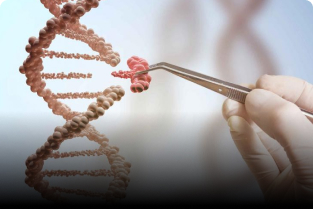
Advances in science and technology have transformed the way industries solve complex problems, improve efficiency, and create innovative products. Among the most influential technologies driving this transformation are genetic engineering and nanotechnology. While genetic engineering focuses on modifying the genetic material of living organisms to achieve desired traits, nanotechnology involves manipulating materials at the nanoscale to create products with unique physical, chemical, and biological properties.
Individually, these fields have led to remarkable breakthroughs. Together, they are reshaping industries ranging from healthcare and agriculture to manufacturing, energy, environmental protection, and electronics. As research continues to progress, the combined potential of genetic engineering and nanotechnology is opening new opportunities for sustainable development and economic growth.
What Is Genetic Engineering?
Genetic engineering is the process of altering an organism’s DNA using modern biotechnology techniques. Scientists can add, remove, or modify genes to improve specific characteristics or treat genetic disorders.
Some common applications include:
- Developing disease-resistant crops
- Producing life-saving medicines
- Treating inherited diseases
- Improving livestock quality
- Enhancing industrial biotechnology
Genetic engineering has become a cornerstone of modern medicine, agriculture, and scientific research.
What Is Nanotechnology?
Nanotechnology is the science and engineering of designing and manipulating materials at the nanometer scale (one billionth of a meter). At this scale, materials often display unique mechanical, electrical, optical, and chemical properties that are not observed at larger sizes.
Nanotechnology is widely used to create:
- Advanced medical devices
- High-performance electronics
- Lightweight construction materials
- Smart coatings
- Energy-efficient batteries
- Water purification systems
Its versatility makes nanotechnology one of the fastest-growing fields in science and engineering.
Applications in Healthcare
Healthcare is one of the industries benefiting most from genetic engineering and nanotechnology.
Genetic Engineering in Healthcare
Genetic engineering has enabled significant medical advances, including:
- Gene therapy for inherited disorders
- Development of recombinant insulin and other biologic medicines
- Personalized medicine based on genetic profiles
- Vaccine development
- Early diagnosis of genetic diseases
These innovations improve treatment effectiveness while reducing side effects.
Nanotechnology in Healthcare
Nanotechnology supports healthcare through:
- Targeted drug delivery systems
- Nanoparticle-based cancer treatments
- Medical imaging enhancement
- Tissue engineering
- Biosensors for disease detection
- Smart medical implants
Targeted drug delivery allows medicines to reach diseased cells more precisely, minimizing damage to healthy tissues.
Applications in Agriculture
Modern agriculture faces challenges such as climate change, population growth, and food security.
Genetic Engineering in Agriculture
Farmers benefit from genetically engineered crops that offer:
- Higher crop yields
- Pest resistance
- Disease resistance
- Drought tolerance
- Improved nutritional value
- Reduced pesticide usage
These improvements help increase agricultural productivity while conserving resources.
Nanotechnology in Agriculture
Nanotechnology contributes through:
- Nano-fertilizers
- Nano-pesticides
- Soil monitoring sensors
- Smart irrigation systems
- Controlled nutrient release
- Crop health monitoring
These technologies enable precision farming, improving efficiency and reducing environmental impact.
Applications in Food Industry
Both technologies improve food production and safety.
Examples include:
- Enhanced nutritional content through genetic engineering
- Longer shelf life of fruits and vegetables
- Food quality monitoring using nanosensors
- Smart food packaging
- Detection of food contaminants
- Improved food preservation techniques
Consumers benefit from safer, fresher, and more nutritious food products.
Applications in Environmental Protection
Environmental sustainability is another area where these technologies make significant contributions.
Genetic Engineering
Applications include:
- Microorganisms engineered to clean oil spills
- Bioremediation of contaminated soil
- Wastewater treatment
- Carbon capture research
- Sustainable biofuel production
Nanotechnology
Environmental applications include:
- Water purification membranes
- Air pollution filtration
- Heavy metal removal
- Waste recycling technologies
- Environmental monitoring sensors
These innovations support cleaner ecosystems and more sustainable industrial practices.
Applications in Manufacturing
Manufacturing industries increasingly rely on advanced materials.
Nanotechnology enables:
- Stronger composite materials
- Corrosion-resistant coatings
- Self-cleaning surfaces
- Lightweight automotive components
- Improved industrial lubricants
- Wear-resistant machinery parts
These innovations improve product durability while reducing maintenance costs.
Applications in Energy
Energy companies use genetic engineering and nanotechnology to improve efficiency and sustainability.
Examples include:
Genetic Engineering
- Biofuel production
- Engineered algae for renewable energy
- Improved microbial fuel cells
Nanotechnology
- High-capacity batteries
- Efficient solar panels
- Hydrogen fuel storage
- Energy-efficient lighting
- Smart energy storage systems
These technologies contribute to cleaner and more sustainable energy production.
Applications in Electronics
Nanotechnology has transformed the electronics industry.
Applications include:
- Faster computer processors
- Flexible electronic displays
- Smaller semiconductor components
- Wearable devices
- High-density data storage
- Advanced sensors
Miniaturization has enabled more powerful electronic devices with lower energy consumption.
Applications in Biotechnology
Biotechnology combines biology and technology to develop useful products.
Genetic engineering supports:
- Industrial enzyme production
- Pharmaceutical manufacturing
- Synthetic biology
- Vaccine development
- Cell-based therapies
Nanotechnology enhances biotechnology through:
- Molecular diagnostics
- Drug delivery platforms
- Lab-on-a-chip devices
- Biosensors
- Precision laboratory instruments
Together, they accelerate scientific discoveries and commercial innovation.
Applications in Cosmetics
The cosmetics industry also benefits from nanotechnology.
Examples include:
- Sunscreens with nanoparticles for improved UV protection
- Long-lasting skincare products
- Better absorption of active ingredients
- Anti-aging formulations
- Controlled-release cosmetic products
These innovations improve product performance and user experience.
Applications in Textiles
Nanotechnology has created smart fabrics with enhanced performance.
Examples include:
- Water-resistant clothing
- Stain-resistant fabrics
- Antibacterial textiles
- UV-protective clothing
- Wrinkle-resistant materials
These textiles offer greater comfort, durability, and functionality.
Challenges and Ethical Considerations
Despite their many benefits, genetic engineering and nanotechnology raise important challenges.
Genetic Engineering Challenges
- Ethical concerns regarding gene editing
- Potential ecological impacts
- Regulatory compliance
- Intellectual property issues
- Public acceptance
Nanotechnology Challenges
- Long-term health effects of nanoparticles
- Environmental safety
- Manufacturing costs
- Regulatory oversight
- Waste management
Addressing these issues requires responsible research, transparent regulation, and ongoing risk assessment.
Future Trends
The future of genetic engineering and nanotechnology is expected to bring even greater innovation.
Emerging developments include:
- AI-assisted genetic research
- Precision gene editing technologies
- Nanorobots for targeted medical treatments
- Smart drug delivery systems
- Personalized medicine
- Sustainable agriculture solutions
- Advanced renewable energy technologies
- Eco-friendly manufacturing processes
As these fields continue to evolve, their integration will unlock new possibilities across multiple industries.
Conclusion
Genetic engineering and nanotechnology are transforming industries by providing innovative solutions to some of the world’s most pressing challenges. From improving healthcare and food production to advancing renewable energy, environmental sustainability, manufacturing, and electronics, these technologies are driving scientific progress and economic development.


