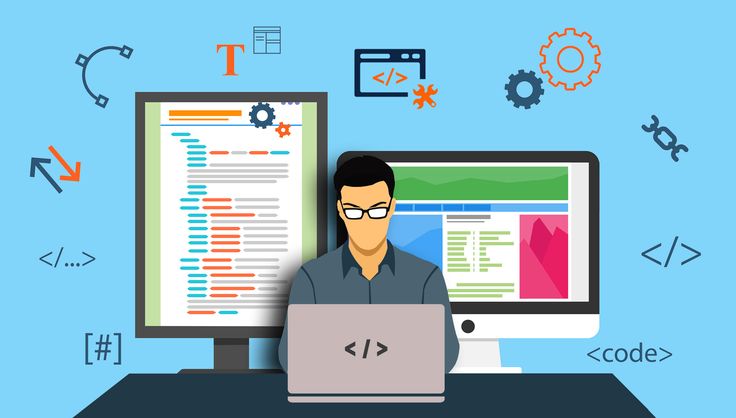
Why Is Web Development So Important for Business Success?

In today’s digital world, the importance of web development in business cannot be overstated. Whether you’re running a small startup or managing a large enterprise, having a strong online presence is crucial for attracting customers, building brand credibility, and expanding your reach. Web development is the foundation of that online presence, and its role in business success is multifaceted. Here’s why web development is so vital for your business:

1. First Impressions Matter

In the digital age, your website is often the first point of contact with potential customers. It’s the virtual face of your business. A well-designed, functional website gives visitors a positive first impression of your company. If your site is visually appealing, easy to navigate, and mobile-friendly, it reflects positively on your brand and encourages users to engage further.

Conversely, a poorly designed website or one with slow load times can turn potential customers away. In fact, studies show that 38% of users will stop engaging with a website if the content or layout is unattractive. A strong web development strategy ensures that your site makes a positive impact right from the start.

2. Enhanced User Experience (UX)

User experience plays a crucial role in business success. If users find your website easy to use, intuitive, and efficient, they are more likely to stay longer and make purchases. Good web development goes beyond aesthetics – it includes thoughtful design, seamless navigation, and fast load times. Optimizing the user experience can result in higher conversion rates and customer satisfaction.

A well-developed website also ensures accessibility, making your business inclusive to people with disabilities. This increases your brand’s reputation and broadens your customer base.

3. Improved Search Engine Ranking (SEO)

Web development is closely tied to SEO (Search Engine Optimization), which helps improve your website’s ranking on search engines like Google. A technically sound website that loads quickly, uses proper headings, meta tags, and has structured data is more likely to rank higher in search results. A high search engine ranking makes it easier for customers to find your business, driving organic traffic to your site.

Search engines also reward websites that are mobile-friendly and have secure HTTPS protocols. This means investing in web development can directly impact your visibility and business growth.

4. Increased Credibility and Trust

A professionally designed website gives your business credibility. If your site is functional, visually appealing, and up-to-date, customers are more likely to trust your brand. A website that is easy to navigate and contains valuable content will make your audience feel confident in your expertise and professionalism.

Moreover, providing essential information such as business hours, contact details, and customer testimonials can further enhance trust. Customers expect businesses to have an online presence, and a credible website can give you a competitive edge.

5. Mobile Accessibility

With the rise of mobile internet usage, having a mobile-friendly website is no longer optional – it’s essential. Responsive web design ensures that your website adapts to different screen sizes, providing a consistent user experience across devices, whether it’s a smartphone, tablet, or desktop.

Mobile optimization is particularly important for businesses looking to attract customers on the go. According to Statista, 54.8% of global website traffic in 2024 is expected to come from mobile devices. Ignoring this shift could mean missing out on a significant portion of potential customers.

6. E-Commerce Capabilities

For businesses in the retail or service sectors, e-commerce has become an essential part of the revenue model. Web development allows businesses to set up secure online stores, manage inventory, accept payments, and engage customers through features like live chat and product recommendations.

A seamless e-commerce experience can significantly increase sales, reaching a global audience, and offering convenience to customers who prefer to shop online. Features like secure checkout systems, user reviews, and personalized product recommendations can drive conversions and repeat business.

7. Competitive Advantage

A well-developed website gives your business a competitive edge. Your competitors are likely investing in their online presence, so staying ahead of the curve with a modern, user-friendly, and responsive website is crucial for standing out in a crowded market.

A strong website can serve as a marketing tool, allowing you to share valuable content, run campaigns, and connect with your audience through blogs, social media integration, and newsletters. It can also offer better analytics to track user behavior and improve your marketing strategy.

8. Scalability and Flexibility

As your business grows, your website must evolve to meet changing demands. Web development allows you to build scalable solutions that can accommodate increased traffic, new features, and updated content. Whether you’re adding a blog, expanding your product range, or integrating new technology, a flexible website infrastructure ensures that your site grows along with your business.

Investing in the right web development tools and practices today can save you time and money in the long run. You’ll be able to implement changes and updates more easily without the need for a complete website overhaul.

Conclusion

Web development is no longer just a technical necessity; it’s a strategic business tool that directly impacts your success. A well-designed, user-friendly, and functional website enhances your brand’s reputation, increases visibility, improves the customer experience, and drives sales. It is the backbone of your online presence and an essential part of your business strategy.

In the competitive digital landscape, investing in web development is a step toward long-term success. Whether you’re a small business or a large corporation, the right website can help you attract customers, increase conversions, and ultimately grow your business.
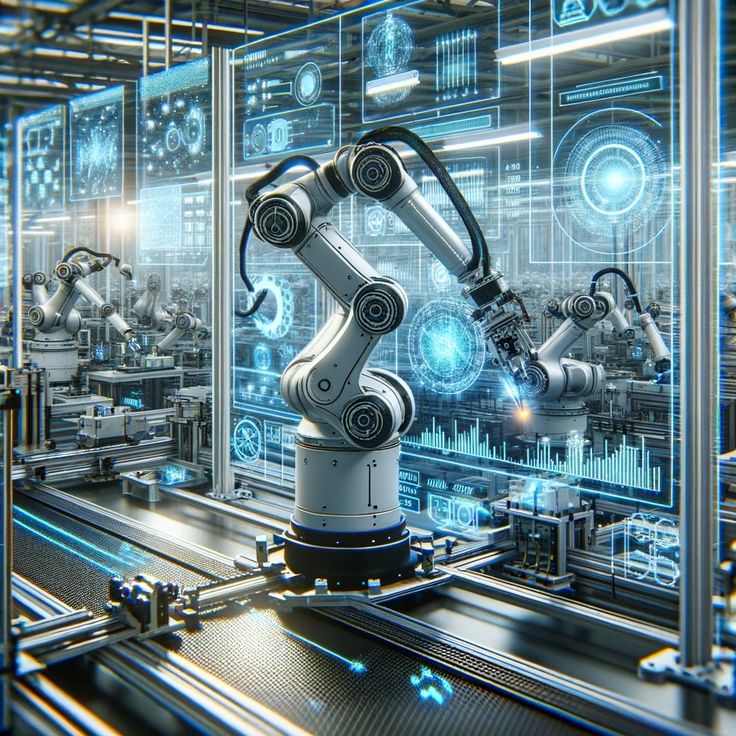

Do Software Engineers or Robotics Engineers Earn More Money?

In today’s fast-evolving tech landscape, careers in engineering are more lucrative than ever. Two roles often compared are software engineering and robotics engineering. Both are high-skill, high-demand professions — but which one pays more?

Let’s break it down by comparing average salaries, job demand, industry trends, and what might influence your earning potential in each field.


💼 What Do They Do?

Software Engineers:
They design, develop, and maintain software applications for web, mobile, desktop, or cloud platforms. Their work is essential in nearly every industry — from finance and healthcare to gaming and AI.

Robotics Engineers:
They design, build, and program robots and robotic systems. Their role is multidisciplinary, involving mechanical engineering, electronics, and software development — often in fields like manufacturing, healthcare robotics, autonomous vehicles, or defense.


💸 Salary Comparison: Software Engineer vs. Robotics Engineer

Here’s a general look at salaries (as of recent 2024 data):

Role Entry-Level (0–2 yrs) Mid-Level (3–6 yrs) Senior (7+ yrs)
Software Engineer $70,000 – $110,000 $110,000 – $150,000 $150,000 – $200,000+
Robotics Engineer $75,000 – $115,000 $110,000 – $145,000 $140,000 – $180,000+

➡️ Verdict:
On average, software engineers earn slightly more, especially in senior roles and tech hubs like Silicon Valley, Seattle, or New York. However, robotics engineers can also command high salaries in specialized industries like aerospace, medical robotics, and defense.


🏭 Industry Demand & Growth

  • Software Engineers:
    Demand is extremely high, with growth fueled by digital transformation across every industry. Software jobs are also more flexible — offering options for remote work, freelance, or startup roles.

  • Robotics Engineers:
    The field is growing fast, driven by automation, AI integration, and the rise of autonomous systems. However, opportunities can be more niche and often tied to physical locations like manufacturing plants or research labs.


🧠 Skill Requirements
  • Software Engineers:
    Programming languages (e.g., Python, Java, C++), cloud platforms, DevOps, data structures, and algorithms.

  • Robotics Engineers:
    A blend of coding (often C++/Python), hardware integration, control systems, embedded systems, and mechatronics.

Because robotics engineering combines software with hardware, it can require broader technical expertise, which may result in higher pay for niche roles — but also a steeper learning curve.


💰 When Robotics Pays More

Robotics engineers tend to earn more than software engineers in specific situations:

  • Working in defense, aerospace, or medical robotics

  • Having advanced degrees (e.g., MS or PhD in robotics/AI)

  • Specializing in autonomous systems or AI-powered robotics

  • Working in robotics startups with equity options


🧾 Final Thoughts

Both software and robotics engineering are high-paying, future-proof careers. If your goal is maximum income with flexibility, software engineering usually has the edge. But if you’re passionate about building real-world machines and have cross-disciplinary skills, robotics can be just as rewarding — financially and creatively.

One Drone Engine Has 7 HP – Which Propeller Should Be Used?

Drones have evolved from lightweight recreational gadgets to high-powered industrial tools. With engines as powerful as 7 horsepower (HP), you’re talking about serious performance—perfect for heavy-lift drones used in agriculture, delivery, cinematography, or defense.

But here’s a critical question: what kind of propeller should be paired with a 7 HP drone engine? Choosing the right propeller is essential for performance, efficiency, and flight stability. Let’s break down what you need to consider and recommend a suitable propeller setup.


🔧 First, Understand What 7 HP Means in Drone Terms

7 HP is roughly equivalent to 5.2 kilowatts of power — much more than the typical small drone motors (which usually have less than 1 HP). This level of output can support large payloads, longer flight times, and heavier frames. You’re probably dealing with a gas-powered or high-performance electric engine used in:

  • Cargo drones

  • Agricultural spraying drones

  • Surveillance/mapping drones

  • Hybrid VTOL aircraft


🌀 Propeller Selection Factors for a 7 HP Engine

Propeller choice isn’t one-size-fits-all. The right propeller depends on multiple variables:

  1. Engine RPM (Revolutions Per Minute):

    • Higher RPMs usually need smaller-diameter propellers.

    • Lower RPMs benefit from larger, slower-spinning propellers for better thrust.

  2. Thrust Requirements:

    • What’s the total weight of the drone and payload?

    • A heavier drone needs greater static thrust, requiring a larger diameter or higher-pitch prop.

  3. Engine Type (Gas or Electric):

    • Gas engines benefit from wood or composite props for vibration damping.

    • Electric motors can run higher RPMs and use carbon fiber or plastic props.

  4. Blade Count:

    • More blades = more thrust but more drag (and power draw).

    • For 7 HP, 2-blade or 3-blade configurations are most common.


⚙️ Recommended Propeller Size for a 7 HP Drone Engine

For a drone engine with around 7 HP (5.2 kW) power output, a suitable propeller would typically fall in the range of:

  • Diameter: 24 to 30 inches

  • Pitch: 8 to 12 inches

  • Material: Carbon fiber or wood (for durability and balance)

  • Blade count: 2 or 3 blades (depending on thrust needs)


💡 Example Configuration

Let’s say you’re using a 7 HP gas engine that spins at 6,000 RPM. You might consider:

  • Propeller: 28×10 (28-inch diameter, 10-inch pitch)

  • Type: 2-blade wooden propeller (good vibration control)

  • Use Case: Agricultural or delivery drone with 10–15 kg payload

For electric engines with similar power output but lower RPM, you could opt for a larger-diameter, slow-spinning carbon fiber prop, like a 30×10.


⚠️ Important Tips
  • Always check your engine’s thrust curve and max RPM rating.

  • Use propeller testing tools or simulators like eCalc or MotoCalc to match propeller performance to your setup.

  • Balance your props before installation — imbalance can destroy bearings and ruin stability.

  • Consult your motor manufacturer’s specs for ideal propeller range.


Final Thoughts

When you’re powering your drone with a 7 HP engine, you’re entering high-performance territory. Choosing the right propeller isn’t just about size — it’s about optimizing efficiency, thrust, and endurance for your mission. By considering your engine specs, payload, and flight goals, you can select a propeller that unlocks the full potential of your drone.

How Do I Enter the AR/VR Design Industry?

Augmented Reality (AR) and Virtual Reality (VR) are no longer futuristic fantasies — they’re reshaping industries from gaming and entertainment to education, healthcare, retail, and real estate. With the global AR/VR market expected to exceed $450 billion by 2030, this field offers exciting career opportunities for designers ready to step into a world where the physical and digital merge.

But how do you actually break into AR/VR design? Whether you’re a student, a graphic designer, or someone with a tech-savvy curiosity, this guide will help you understand the skills, tools, and steps needed to launch your AR/VR design career.


1. Understand What AR/VR Design Really Involves

AR and VR design isn’t just about making things look good — it’s about creating immersive user experiences that feel natural and intuitive in 3D environments. Here’s how they differ:

  • AR (Augmented Reality): Enhances the real world by overlaying digital elements.

  • VR (Virtual Reality): Creates a fully immersive digital environment, cutting off the real world.

Designers must think spatially, understand user behavior in immersive settings, and design interfaces that work seamlessly in 3D.


2. Build a Strong Foundation in UX/UI and 3D Design

If you’re coming from traditional 2D design or UI/UX, that’s a great start — but you’ll need to expand your toolkit:

  • User-Centered Design (UCD): Understand how users interact with 3D environments differently than 2D.

  • 3D Modeling: Learn the basics of creating 3D objects and environments.

  • Spatial Design: Think in terms of depth, motion, and physical space.

Skills to focus on:

  • Storyboarding for AR/VR

  • 3D interaction design

  • Motion design and animation

  • Accessibility in immersive environments


3. Master Key Tools and Software

Familiarity with industry-standard tools is a must. Here are some popular ones:

  • Unity and Unreal Engine: For building immersive environments.

  • Blender, Maya, or Cinema 4D: For 3D modeling and animation.

  • Adobe Aero, Spark AR, or Lens Studio: For quick AR prototyping.

  • Figma or Sketch: For wireframing AR/VR app interfaces.

Many AR/VR companies also look for experience with XR prototyping tools like Torch, ShapesXR, and Gravity Sketch.


4. Take Specialized AR/VR Design Courses

Learning platforms like Coursera, Udemy, and edX offer beginner to advanced-level AR/VR design courses. Some recommended options include:

  • Coursera’s “Introduction to Augmented Reality and ARCore”

  • Unity Learn’s “Create with VR”

  • Udemy’s “Master ARKit & ARCore in Unity”

Consider enrolling in certification programs or immersive bootcamps that focus on XR (Extended Reality) design.


5. Build a Portfolio with AR/VR Projects

Start creating your own projects to showcase your abilities. Even if they’re small prototypes, they demonstrate your understanding of immersive UX. Your portfolio should include:

  • Conceptual sketches or storyboards

  • 3D environments or object mockups

  • Recorded user interactions or demo videos

  • Explanations of design decisions

Platforms like GitHub, Behance, and ArtStation are good places to host your portfolio.


6. Join the AR/VR Community

Connect with others in the field to stay up to date and get feedback:

  • Join AR/VR groups on LinkedIn, Reddit (like r/oculusdev), and Discord.

  • Attend virtual events like AWE (Augmented World Expo) or VR/AR Global Summit.

  • Collaborate on open-source or indie AR/VR projects.

Networking can lead to job referrals, mentorship, and freelance opportunities.


7. Apply for Internships or Entry-Level Positions

Look for positions like:

  • AR/VR UX Designer

  • XR Product Designer

  • 3D Interaction Designer

  • Immersive Experience Designer

Companies like Meta, Apple, Google, Niantic, and Magic Leap are heavily investing in AR/VR. Don’t hesitate to start small — even internships at startups can give you hands-on experience that helps you grow fast.


Final Thoughts

The AR/VR design industry is still evolving, which means there’s room for creative thinkers to shape the future of immersive technology. If you’re passionate about blending design with emerging tech, this is the perfect time to dive in.

Do You Need to Know How to Draw in Order to Become a Fashion Designer?

If you’ve ever dreamed of becoming a fashion designer but hesitated because you’re not confident in your drawing skills, you’re not alone. One of the most common questions aspiring designers ask is: “Do I need to know how to draw to become a fashion designer?” The short answer is not necessarily—but let’s explore why.


Drawing Is a Tool, Not a Requirement

While drawing is a helpful tool for visualizing ideas, it’s not a strict requirement to succeed in fashion design today. The fashion industry has evolved, and with it, the ways designers express their ideas.

Here’s what truly matters:

  • Creativity and vision

  • Understanding of fabrics and construction

  • Strong sense of style and trends

  • Ability to communicate ideas clearly (visually or otherwise)


Alternatives to Hand Drawing

Thanks to technology and collaboration, many designers find alternative ways to bring their designs to life:

1. Digital Design Software

Programs like Adobe Illustrator, CLO 3D, and CorelDRAW allow you to create professional fashion illustrations without traditional drawing skills.

2. Collaboration with Illustrators

Many successful fashion designers work closely with sketch artists or technical designers to develop their ideas into detailed illustrations or tech packs.

3. Mood Boards & Visual References

Creating mood boards with images, textures, and fabric swatches can help communicate your concept effectively, even without sketches.


Focus on Core Fashion Skills

Instead of worrying about your drawing, focus on developing these essential fashion design skills:

  • Pattern making and draping

  • Sewing and garment construction

  • Trend forecasting

  • Textile knowledge

  • Color theory

  • Portfolio development

These skills are often more crucial in turning a design concept into a wearable reality.


That Said… Basic Drawing Helps

While you don’t have to be an artist, learning basic sketching can improve your ability to communicate and evolve ideas more quickly. It helps when:

  • You’re brainstorming solo

  • You need to explain a concept to a manufacturer or teammate

  • You’re building your portfolio

Luckily, fashion sketching is more about proportion and garment structure than fine art. With practice, even beginners can improve quickly.


What Successful Designers Say

Many top designers started with minimal drawing skills but grew into their roles with time, training, and support. The industry values innovation, originality, and the ability to solve design problems over perfect sketches.


Final Thoughts

So, do you need to know how to draw to become a fashion designer? No—but it helps. Drawing is just one of many tools at your disposal. Passion, creativity, and a strong understanding of clothing construction and trends will take you much further than perfect sketching skills alone.

If you’re serious about fashion design, don’t let drawing hold you back. You can learn it along the way—or find other ways to communicate your ideas just as effectively.

Where Can I Get a Graphic Designer?

Whether you’re launching a new brand, building a website, or crafting social media campaigns, hiring a skilled graphic designer can make a huge difference in how your message is perceived. But where do you find the right designer who fits your budget, style, and project needs? In this blog, we’ll explore the top platforms and places to find talented graphic designers—both freelance and full-time.


1. Freelance Platforms

Freelance marketplaces are among the most popular and convenient ways to find graphic designers for short-term or project-based work.

Upwork

  • Best For: Businesses seeking professional designers with verified reviews and a wide range of skills.

  • Pros: Talent rating system, time tracking, easy hiring process.

  • Cons: Service fees, competitive bidding may affect quality.

Fiverr

  • Best For: Quick, budget-friendly design tasks.

  • Pros: Affordable, a wide variety of design gigs, transparent pricing.

  • Cons: Quality varies; requires browsing portfolios carefully.

Freelancer.com

  • Best For: Businesses with a clear brief who want to receive proposals from multiple designers.

  • Pros: Competitive bidding, milestone payments.

  • Cons: Time-consuming to sort proposals.


2. Design Agencies

If you’re looking for a more polished, full-service approach, consider hiring a graphic design agency.

Top Agencies to Explore:

  • Pentagram

  • Landor

  • 99designs Studio Services

  • Local boutique agencies in your area

Pros: Professionalism, creative direction, consistency across brand assets.
Cons: Typically more expensive than freelancers.


3. Portfolio Websites

Many professional graphic designers host their work on creative portfolio platforms. These are great for browsing visual styles and finding someone who aligns with your vision.

Behance

  • Hosted by Adobe, Behance showcases portfolios from top designers around the world.

  • You can contact designers directly.

Dribbble

  • A hub for creative professionals, Dribbble offers job boards and the ability to hire designers directly.

Pros: Visual-first platform, easy to spot top talent.
Cons: No built-in hiring protection like on freelance sites.


4. Social Media Platforms

Designers often showcase their latest projects on platforms like:

  • Instagram (search hashtags like #graphicdesigner or #freelancedesigner)

  • LinkedIn (ideal for connecting with professionals looking for full-time or freelance work)

  • Facebook Groups (such as “Freelance Graphic Designers” or regional creative communities)

Tip: Always review their portfolio and testimonials before hiring.


5. Design Schools and Colleges

Reach out to local or online design schools for student or graduate designers. Many are eager to build their portfolios and offer competitive rates.

Good starting points:

  • Local universities with design programs

  • Online design schools like Skillshare, Coursera, or Designlab graduates

Pros: Affordable, fresh creative ideas
Cons: May need guidance or experience in real-world projects


6. Job Boards & Classifieds

Post your project or job listing on:

  • Indeed

  • We Work Remotely

  • Design Jobs Board

  • Toptal (for elite pre-vetted designers)

Pros: Access to global talent, suitable for full-time or contract roles
Cons: May attract a high volume of applications—filtering is required


Final Thoughts

Finding the right graphic designer depends on your project scope, budget, and preferred working style. Freelance platforms are ideal for quick and budget-friendly projects, while agencies offer more structured creative services. Portfolio sites like Behance and Dribbble help you visually connect with designers, and reaching out through schools or social media can uncover fresh, emerging talent.

Before hiring, always:

  • Check their portfolio

  • Ask for references or reviews

  • Be clear about timelines, deliverables, and budget

Who Are the Most Innovative UI/UX Designers in the Tech Industry?

The world of technology is rapidly evolving, and UI/UX designers play a crucial role in shaping how users interact with digital platforms. The tech industry is filled with talented individuals who push the boundaries of design to create intuitive, user-friendly experiences. In this blog, we will explore some of the most innovative UI/UX designers in the tech industry today, showcasing their work and how they’ve influenced the design world.

1. Jony Ive (Former Chief Design Officer at Apple)

Why He’s Innovative:
Jony Ive is undoubtedly one of the most influential figures in UI/UX design. As the former Chief Design Officer at Apple, he played a pivotal role in designing products that have defined the modern tech landscape, such as the iPhone, iPad, and Apple Watch. Ive’s design philosophy was centered on simplicity, minimalism, and user-centric experiences. His work emphasized the importance of making technology intuitive and seamless, leading to Apple’s reputation for creating products that feel effortless to use.

Notable Work:

  • iOS interface design

  • iPhone and iPad

  • Apple Watch

Jony Ive’s work helped to elevate UI/UX design to a strategic level within the tech industry, where the focus shifted to providing experiences that were not only functional but also aesthetically pleasing.

2. Don Norman (Author of “The Design of Everyday Things”)

Why He’s Innovative:
Don Norman is one of the pioneers of human-centered design. As the co-founder of the Nielsen Norman Group and a former VP at Apple, Norman has influenced both the academic and practical sides of UI/UX design. His book, The Design of Everyday Things, has become a bible for designers who want to understand how to create products that users can intuitively understand and interact with.

Notable Work:

  • The concept of “user-centered design”

  • His work at the Nielsen Norman Group

  • Author of The Design of Everyday Things

Norman’s work has had a lasting impact on how designers approach user interfaces, focusing on usability, user feedback, and cognitive psychology to create more human-friendly designs.

3. Julie Zhuo (Former VP of Product Design at Facebook)

Why She’s Innovative:
Julie Zhuo is another influential figure in the UI/UX design world. As Facebook’s former VP of Product Design, Zhuo was responsible for the design of one of the most used social platforms in the world. She is known for her ability to blend design thinking with practical solutions for real-world problems. Her work focuses on creating experiences that are both functional and emotionally resonant with users.

Notable Work:

  • Facebook’s interface design overhaul

  • Author of The Making of a Manager, which offers insights into managing design teams

Zhuo’s approach to UI/UX design emphasizes the need for empathy, storytelling, and teamwork. She’s become an advocate for creating designs that address real user needs rather than just following trends.

4. Mike Kruzeniski (Head of Design at Twitter)

Why He’s Innovative:
Mike Kruzeniski has been at the forefront of innovative UI/UX design for several high-profile tech companies, including Twitter. As Twitter’s Head of Design, Kruzeniski helped refine the social media platform’s interface to enhance user engagement. He is known for his ability to balance aesthetics with usability, ensuring that designs are both attractive and functional.

Notable Work:

  • Twitter’s redesign and user interface updates

  • Streamlining the user experience on Twitter for mobile and desktop platforms

Kruzeniski is also a strong advocate for the design community and believes in making design processes more collaborative, enabling teams to iterate quickly and make informed decisions.

5. Aarron Walter (VP of Design Education at InVision)

Why He’s Innovative:
Aarron Walter is a leader in the UI/UX design community, particularly known for his work in creating design systems and educating the next generation of designers. As the VP of Design Education at InVision, Walter has contributed to the growth of design tools and the evolution of design systems that prioritize collaboration and accessibility.

Notable Work:

  • Author of Designing for Emotion, which focuses on creating emotionally engaging user experiences

  • InVision’s design education initiatives

Walter’s work emphasizes the psychological aspects of design, pushing designers to create experiences that connect with users on a deeper emotional level.

6. Aaron Draplin (Founder of Draplin Design Co.)

Why He’s Innovative:
Aaron Draplin is a graphic designer who has made a significant impact on UI/UX design through his distinct style, which combines simplicity with bold, impactful visuals. As the founder of Draplin Design Co., he has worked with a variety of tech companies, including Microsoft and Nike. Draplin’s work focuses on building recognizable and functional designs that are easy for users to navigate.

Notable Work:

  • Logos for tech companies and startups

  • Collaboration on tech product branding

Draplin’s approach to UI/UX design centers on clarity and making products that stand out while still offering functional experiences.

7. Kathy Sierra (Author of Badass: Making Users Awesome)

Why She’s Innovative:
Kathy Sierra is best known for her work in the field of user-centered design and for advocating that the ultimate goal of design is to make users “awesome.” Sierra’s approach to UI/UX focuses on empowerment, helping users achieve their goals with minimal friction.

Notable Work:

  • Author of Badass: Making Users Awesome, which focuses on empowering users through design

  • Contributions to Java programming and interface design

Sierra’s work has had a profound influence on how designers think about user experience, emphasizing the importance of crafting experiences that not only meet user needs but also inspire and empower users.

Conclusion

The field of UI/UX design is constantly evolving, and the individuals mentioned above are just a few examples of those who have pushed the boundaries of what is possible. Their work has not only shaped the user experiences of today’s tech products but has also paved the way for future innovations in design.

How Do I Get a Medical Coding Job?

Medical coding is a rapidly growing field that plays a vital role in the healthcare industry. Coders transform healthcare diagnoses, procedures, and services into standardized codes used for billing and record-keeping. If you’re detail-oriented and interested in a stable, well-paying healthcare career without direct patient interaction, medical coding might be a perfect fit. Here’s a step-by-step guide on how to get a job in medical coding.


1. Understand What Medical Coders Do

Medical coders review patient records and assign standardized codes from classification systems such as:

  • ICD-10-CM (diagnoses)

  • CPT (procedures)

  • HCPCS (supplies and services)

These codes are crucial for insurance claims, patient records, and hospital data tracking. Coders must ensure accuracy and compliance with laws and standards.


2. Meet Basic Educational Requirements

A high school diploma or equivalent is the minimum requirement. However, most employers prefer candidates with post-secondary training in medical coding or health information management.


3. Take a Medical Coding Training Program

Enroll in a reputable medical coding training course (available online or at community colleges and trade schools). Look for programs that cover:

  • Anatomy and physiology

  • Medical terminology

  • Coding systems (ICD, CPT, HCPCS)

  • Healthcare laws (HIPAA compliance)

These programs typically last from 6 months to a year.


4. Get Certified

Certification boosts your job prospects significantly. Popular certifications include:

  • CPC (Certified Professional Coder) – offered by AAPC

  • CCA (Certified Coding Associate) – offered by AHIMA

  • CCS (Certified Coding Specialist) – also by AHIMA

These require passing exams that test your coding knowledge and application skills.


5. Build Experience (Even as a Newcomer)

Getting your first job might be the toughest part. Here’s how to gain experience:

  • Internships/externships during your training

  • Entry-level jobs like medical billing or coding assistant

  • Volunteering at clinics or healthcare offices

  • Freelancing or remote projects on platforms like Upwork


6. Prepare a Strong Resume and Cover Letter

Highlight your:

  • Certification(s)

  • Training and education

  • Internship or project experience

  • Technical skills (EHR systems, coding software)

Tailor your application to each job, focusing on accuracy, attention to detail, and compliance knowledge.


7. Start Applying for Jobs

Search for jobs on:

  • Healthcare-specific job boards (e.g., AAPC, AHIMA)

  • General job sites (Indeed, LinkedIn, Glassdoor)

  • Local hospital and clinic websites

Look for roles like:

  • Medical coder

  • Medical billing and coding specialist

  • Health information technician


8. Stay Updated and Continue Learning

Medical coding systems evolve, and staying updated is key to long-term success. Join professional organizations like AAPC or AHIMA to access resources, job leads, and continuing education opportunities.


Final Thoughts

Getting a medical coding job is very achievable with the right training, certification, and determination. It’s a rewarding field with flexibility, remote work potential, and opportunities for growth in the broader health information management industry.

Which are the best brain twisting psychological thriller movies ever made?

Psychological thrillers are the perfect blend of suspense, mystery, and mind-bending storytelling. These films challenge our perceptions of reality, twist our thoughts, and keep us guessing until the final frame. If you enjoy movies that play with your mind and leave you thinking long after the credits roll, this list is for you. Here are some of the best brain-twisting psychological thriller movies ever made.


1. Fight Club (1999)

Director: David Fincher
Starring: Brad Pitt, Edward Norton
A cult classic that dives deep into the psyche of a disillusioned man suffering from insomnia, “Fight Club” explores themes of identity, consumerism, and masculinity. The plot twist is one of cinema’s most iconic, making it a must-watch for fans of psychological storytelling.


2. Black Swan (2010)

Director: Darren Aronofsky
Starring: Natalie Portman, Mila Kunis
A haunting exploration of obsession, perfection, and duality, “Black Swan” follows a ballerina whose pursuit of artistic excellence spirals into madness. Natalie Portman’s performance earned her an Oscar, and the film’s eerie, surreal tone keeps viewers on edge.


3. Shutter Island (2010)

Director: Martin Scorsese
Starring: Leonardo DiCaprio, Mark Ruffalo
When two U.S. Marshals investigate a mysterious psychiatric facility on a remote island, nothing is as it seems. “Shutter Island” keeps audiences guessing with psychological twists and a chilling atmosphere until its powerful and heartbreaking conclusion.


4. Gone Girl (2014)

Director: David Fincher
Starring: Ben Affleck, Rosamund Pike
Based on the bestselling novel by Gillian Flynn, “Gone Girl” dissects a toxic marriage with manipulation, lies, and media influence. Rosamund Pike’s performance is stunning, and the plot is packed with jaw-dropping twists that keep you riveted.


5. Memento (2000)

Director: Christopher Nolan
Starring: Guy Pearce, Carrie-Anne Moss
Told in reverse chronological order, “Memento” puts you in the shoes of a man with short-term memory loss trying to solve his wife’s murder. The film’s unconventional structure and deep psychological themes make it a puzzle worth solving.


6. The Sixth Sense (1999)

Director: M. Night Shyamalan
Starring: Bruce Willis, Haley Joel Osment
Famous for its shocking twist ending, “The Sixth Sense” is more than a ghost story — it’s a poignant, emotional, and deeply psychological film about trauma and connection. Its final reveal still ranks as one of the greatest in movie history.


7. Se7en (1995)

Director: David Fincher
Starring: Morgan Freeman, Brad Pitt, Kevin Spacey
Dark, gritty, and disturbing, “Se7en” follows two detectives hunting a serial killer who uses the seven deadly sins as inspiration for his crimes. The psychological tension builds to one of the most unforgettable and chilling endings ever filmed.


8. Donnie Darko (2001)

Director: Richard Kelly
Starring: Jake Gyllenhaal, Jena Malone
This cult favorite combines time travel, mental illness, and teenage angst in a deeply surreal and mind-bending story. “Donnie Darko” is layered with symbolism and ambiguity, encouraging viewers to interpret its meaning long after it ends.


9. The Machinist (2004)

Director: Brad Anderson
Starring: Christian Bale
Christian Bale’s shocking physical transformation for this role mirrors the psychological toll his character endures. “The Machinist” is a haunting tale of guilt, insomnia, and paranoia, with a twist that redefines the entire story.


10. Oldboy (2003)

Director: Park Chan-wook
Starring: Choi Min-sik
This South Korean thriller is brutal, stylish, and emotionally devastating. “Oldboy” follows a man mysteriously imprisoned for 15 years who is released and given five days to find his captor. The twist is as twisted as they come — and unforgettable.


Honorable Mentions:

  • Prisoners (2013) – A gripping tale of child abduction and moral boundaries.

  • The Others (2001) – A ghost story with a mind-blowing twist.

  • The Prestige (2006) – A Nolan masterpiece about obsession and illusion.

  • Split (2016) – A thriller exploring dissociative identity disorder with a shocking connection to another universe.

Ethical Concerns with the Use of Emerging Technologies: Genetic Engineering and Nanotechnology

Emerging technologies like genetic engineering and nanotechnology hold tremendous promise for improving human life, from revolutionizing medicine to solving environmental problems. However, as with any technological advancement, these innovations bring forth a range of ethical concerns that demand careful consideration. In this blog, we will explore the ethical issues associated with genetic engineering and nanotechnology and the responsibility that comes with their development and application.

1. Genetic Engineering: The Power to Alter Life

Genetic engineering, the manipulation of an organism’s genetic material to achieve desired traits, has vast potential in fields like medicine, agriculture, and environmental science. While it could lead to cures for genetic diseases, increased food security, and improved ecosystems, it also raises several ethical dilemmas.

a. Human Genetic Engineering: ‘Designer Babies’

One of the most controversial applications of genetic engineering is human genetic modification, which includes editing the genes of embryos to prevent genetic disorders or even to enhance specific traits. The idea of creating “designer babies” — where genetic traits like intelligence, physical appearance, or athletic ability are selected — raises fundamental ethical questions:

  • Equity and Access: Who gets access to this technology? Will it widen the gap between the wealthy and the less privileged, potentially leading to a genetic class divide?

  • Consent: Can we truly say that a genetically modified child can consent to their genetic alterations? The child’s autonomy is compromised if changes are made before birth.

  • Eugenics: Genetic modifications to “improve” traits could be seen as a modern form of eugenics, aiming to control or eliminate perceived undesirable traits. This raises concerns about societal pressures to conform to a narrow standard of “perfection.”

b. Environmental Impact and Biodiversity

Genetically modified organisms (GMOs) in agriculture have the potential to increase food production and combat climate change. However, they also pose risks to biodiversity. For example:

  • Unintended Consequences: Genetically modified crops might crossbreed with wild species, leading to unintended ecological impacts, such as the displacement of native species.

  • Long-Term Effects: The long-term effects of releasing genetically engineered organisms into ecosystems are unknown. Could they disrupt the natural balance and lead to the extinction of certain species?

2. Nanotechnology: The Tiny Revolution with Big Risks

Nanotechnology involves the manipulation of matter on an atomic or molecular scale, enabling the creation of materials and devices with unique properties. While it holds the potential to revolutionize industries ranging from healthcare to energy, the ethical concerns are equally significant.

a. Privacy and Surveillance

Nanotechnology could lead to the development of nanosensors that can be embedded in everyday objects or even in the human body, allowing for continuous monitoring of individuals’ health or behaviors. This raises significant privacy concerns:

  • Surveillance: Could this technology be used to track and monitor people without their knowledge or consent? The line between medical monitoring and invasive surveillance could become blurred.

  • Data Security: With the proliferation of nanosensors that collect personal data, the risk of hacking and data breaches increases. How can we ensure that personal and sensitive data remains secure?

b. Environmental and Health Risks

While nanotechnology has the potential to create more efficient energy solutions and medical treatments, it also poses potential risks to the environment and human health:

  • Toxicity: The long-term effects of nanoparticles, which may behave differently than larger particles, are not fully understood. Could they be toxic to humans or animals when released into the environment?

  • Unpredictable Consequences: Just as with genetic engineering, nanotechnology could have unforeseen consequences. If nanoparticles enter the environment or the human body in uncontrolled ways, they may cause harm in ways we cannot yet predict.

c. Military and Weaponization

Nanotechnology’s ability to create microscopic devices also opens the door to its use in military applications, such as surveillance, weaponry, or even biological warfare. The potential for misuse is vast:

  • Weaponization: How can we prevent nanotechnology from being used to develop new forms of weapons, such as self-replicating nanobots that could be used for destructive purposes?

  • Ethical Warfare: If nanotechnology enables the creation of weapons of mass destruction on a microscopic scale, how do we regulate and control its use to prevent unnecessary harm and suffering?

3. Balancing Progress and Ethical Responsibility

With the immense promise of genetic engineering and nanotechnology, the ethical concerns must be addressed through thoughtful regulation, public engagement, and responsible development. Here are some ways to balance progress with ethical responsibility:

a. Regulation and Oversight

Governments and international bodies must establish clear and strict regulations for the use of these technologies. Ensuring that the development and deployment of these technologies are closely monitored can help mitigate risks and ensure that they are used responsibly.

b. Public Dialogue and Informed Consent

It’s essential for society to engage in open discussions about the ethical implications of genetic engineering and nanotechnology. Public input and informed consent are necessary to guide decision-making. If these technologies are to be used on individuals or communities, they must be given the opportunity to fully understand and choose whether to participate.

c. Ethical Frameworks

Researchers, scientists, and policymakers must work together to establish ethical frameworks that guide the development of these technologies. This includes creating guidelines for responsible research and the application of new innovations, ensuring that human rights, environmental sustainability, and social justice are prioritized.

Conclusion

As we stand on the brink of breakthroughs in genetic engineering and nanotechnology, it is essential to approach these technologies with caution and ethical consideration. While they have the potential to transform the world for the better, the risks and moral dilemmas they pose must not be ignored. By fostering responsible innovation, ethical debate, and comprehensive regulation, we can harness the power of these technologies to improve lives while safeguarding the values that define humanity.

Form submitted! Our team will reach out to you soon.
0
    0
    Your Cart
    Your cart is emptyReturn to Course