Which Data Science Course Should I Take?

Data science is a rapidly growing field, offering numerous career opportunities in industries like finance, healthcare, marketing, and technology. With many online and offline courses available, choosing the right data science course can be overwhelming. To help you decide, consider the following factors:

1. Define Your Learning Goals

Before selecting a course, identify your goals:

  • Do you want to gain a basic understanding of data science?
  • Are you looking for an advanced course to specialize in machine learning, AI, or big data?
  • Do you need a certificate or degree for career advancement?

2. Consider Your Background and Skill Level

Different courses cater to different skill levels:

  • Beginner-friendly courses – For those with little to no programming experience.
  • Intermediate courses – For learners with basic programming and statistics knowledge.
  • Advanced courses – Focused on deep learning, big data, or cloud computing.

3. Online vs. Offline Learning

  • Online Courses: Platforms like Coursera, Udacity, edX, and DataCamp offer flexible learning schedules.
  • Offline Courses: Universities and bootcamps provide in-depth, structured learning with hands-on experience.

4. Best Data Science Courses by Platform

Beginner-Level Courses

  • IBM Data Science Professional Certificate (Coursera) – Covers Python, SQL, and machine learning.
  • Data Science Foundations (DataCamp) – Introductory course covering data wrangling and visualization.

Intermediate-Level Courses

  • Applied Data Science with Python (University of Michigan, Coursera) – Covers Python, Pandas, and machine learning.
  • Machine Learning (Stanford University, Coursera) – Taught by Andrew Ng, focuses on ML algorithms and applications.

Advanced-Level Courses

  • Deep Learning Specialization (Coursera) – A series of courses by Andrew Ng focusing on neural networks.
  • Harvard Data Science Professional Certificate (edX) – Covers probability, inference, and modeling.

5. University Degree vs. Certification

  • University Degree (Master’s or Bachelor’s in Data Science) – Ideal for deep expertise and research opportunities.
  • Certification Programs (Google Data Analytics, IBM Data Science, etc.) – Useful for career changers and professionals looking for industry recognition.

6. Hands-on Projects and Practical Learning

Ensure the course includes hands-on projects and real-world case studies. Courses with Kaggle competitions, Jupyter Notebooks, and cloud-based tools (Google Colab, AWS) provide valuable experience.

7. Cost and Time Commitment

  • Free courses are available on platforms like Coursera, Udacity, and Kaggle.
  • Paid courses offer certifications and deeper learning experiences.
  • Choose a course that fits your schedule, whether it’s self-paced or instructor-led.

Conclusion

The right data science course depends on your learning goals, experience level, and preferred mode of learning. Whether you choose a university program, an online certification, or a hands-on bootcamp, make sure it aligns with your career aspirations and provides practical knowledge. Happy learning!

 

What Things Do I Need to Develop an Artificial Intelligence?

Artificial Intelligence (AI) is transforming industries by enabling machines to learn, adapt, and perform tasks that traditionally require human intelligence. Developing an AI system requires a combination of technical skills, tools, and resources. Here are the key elements needed to create an AI system:

1. Programming Knowledge

A strong foundation in programming is essential for AI development. Languages such as Python, R, Java, and C++ are commonly used for AI applications. Python is the most popular due to its extensive libraries and frameworks for machine learning and deep learning.

2. Mathematics and Statistics

AI relies on mathematical concepts such as linear algebra, calculus, probability, and statistics. Understanding these fundamentals helps in designing machine learning models, optimizing algorithms, and interpreting data.

3. Machine Learning and Deep Learning Frameworks

To build AI models efficiently, developers use machine learning and deep learning frameworks such as:

  • TensorFlow – A widely used open-source library for deep learning.
  • PyTorch – Popular for research and prototyping AI models.
  • Scikit-learn – Ideal for traditional machine learning algorithms.
  • Keras – A user-friendly API for deep learning.

4. Data Collection and Preprocessing

AI systems require large amounts of high-quality data for training. Sources of data include public datasets, web scraping, and user-generated content. Data preprocessing techniques such as cleaning, normalization, and augmentation are crucial to improve model accuracy.

5. Computing Power (Hardware & Cloud Services)

Training AI models, especially deep learning models, demands significant computing power. Developers use:

  • GPUs (Graphics Processing Units) – Essential for accelerating deep learning tasks.
  • Cloud Services (AWS, Google Cloud, Azure) – Provide scalable resources for AI development.
  • TPUs (Tensor Processing Units) – Specialized hardware for AI workloads.

6. Data Storage and Management

Efficient data storage solutions are required for handling large datasets. Common options include:

  • SQL and NoSQL Databases – Such as MySQL, PostgreSQL, MongoDB.
  • Big Data Technologies – Hadoop, Apache Spark for large-scale data processing.

7. AI Model Development and Training

Once data is prepared, AI models are trained using supervised, unsupervised, or reinforcement learning techniques. Model evaluation and hyperparameter tuning are necessary for improving accuracy.

8. APIs and AI Services

Developers can leverage pre-built AI services to accelerate development:

  • OpenAI GPT, Google AI, IBM Watson – Provide AI models for various applications.
  • Computer Vision APIs – For image and video analysis.
  • Natural Language Processing (NLP) APIs – For language-based AI applications.

9. Deployment and Monitoring

Once trained, AI models need to be deployed and monitored for real-world applications. This involves:

  • Model Deployment – Using platforms like TensorFlow Serving, Flask, or FastAPI.
  • Continuous Monitoring – Ensuring AI performance with tools like MLflow.

10. Ethical and Security Considerations

Developers must ensure AI is used ethically and securely by addressing bias, fairness, privacy concerns, and adversarial attacks.

Conclusion

Developing an AI system requires expertise in programming, mathematics, data management, computing power, and ethical considerations. With the right tools and knowledge, anyone can build innovative AI solutions that drive progress in various industries.

What are the Objectives of Cyber Security?

Cybersecurity is an essential aspect of the modern digital world, where businesses, governments, and individuals rely on technology for communication, transactions, and data storage.y The primary goal of cybersecurity is to protect systems, networks, and data from cyber threats and unauthorized access. Below are the key objectives of cybersecurity:

1. Confidentiality

One of the main objectives of cybersecurity is to ensure that sensitive data remains private and is only accessible to authorized users. Confidentiality measures include encryption, access control mechanisms, and data masking to prevent unauthorized access to personal, financial, and business information.

2. Integrity

Maintaining data integrity ensures that information remains accurate, unaltered, and reliable. Cybersecurity mechanisms such as checksums, hashing algorithms, and digital signatures help prevent unauthorized modifications, ensuring that data is not tampered with by malicious actors.

3. Availability

Cybersecurity ensures that critical systems, applications, and data remain accessible to authorized users when needed. This involves implementing backup solutions, disaster recovery plans, and network security measures to prevent denial-of-service (DoS) attacks and system failures.

4. Authentication and Access Control

Authentication and access control mechanisms ensure that only authorized individuals can access sensitive systems and data. This includes multi-factor authentication (MFA), biometric verification, and role-based access control (RBAC) to limit exposure to cyber threats.

5. Risk Management

Cybersecurity involves identifying, assessing, and mitigating potential security risks to minimize vulnerabilities. Organizations must conduct regular risk assessments, implement security policies, and adopt frameworks such as ISO 27001 or NIST to enhance their security posture.

6. Incident Response and Recovery

In case of a cyberattack or data breach, cybersecurity aims to minimize damage through a well-defined incident response plan. This includes detecting security breaches, containing threats, investigating incidents, and recovering affected systems promptly to restore normal operations.

7. Regulatory Compliance

Many industries and businesses must comply with cybersecurity regulations and standards such as GDPR, HIPAA, and PCI-DSS. Compliance ensures that organizations adhere to legal requirements and implement best security practices to protect user data and avoid penalties.

8. Education and Awareness

Cybersecurity aims to create awareness among individuals and organizations about potential threats such as phishing, ransomware, and social engineering attacks. Regular training, cybersecurity policies, and simulated attack scenarios help employees and users recognize and respond to threats effectively.

9. Resilience Against Cyber Threats

Cybersecurity measures aim to build resilience by ensuring businesses and individuals can withstand and recover from cyberattacks. Strategies such as zero-trust architecture, endpoint protection, and continuous monitoring help mitigate risks and enhance security defenses.

Conclusion

Cybersecurity is an ongoing process that requires constant vigilance, adaptation, and improvement. By focusing on confidentiality, integrity, availability, risk management, and education, organizations and individuals can effectively protect themselves against evolving cyber threats. Investing in cybersecurity not only safeguards valuable data but also enhances trust, compliance, and business continuity in the digital world.


How Did You Learn Android Development?

Android development is one of the most in-demand skills in the tech industry, with millions of apps available on the Google Play Store. Whether you’re looking to build your own app, start a career as a developer, or contribute to open-source projects, learning Android development can open up exciting opportunities.

If you’re wondering how to get started with Android development, let me share a structured learning path, based on how many successful developers (including myself) have mastered Android programming.


1. Understanding the Basics of Programming

Before diving into Android development, it’s essential to have a solid grasp of programming fundamentals. If you’re a complete beginner, start with:

  • Java or Kotlin – Java was traditionally used for Android development, but Kotlin is now the preferred language due to its simplicity and efficiency.
  • Object-Oriented Programming (OOP) – Understanding classes, objects, inheritance, and polymorphism is crucial.
  • Basic Data Structures & Algorithms – Knowing how to manipulate data efficiently is helpful.

💡 Tip: If you’re new to coding, platforms like Codecademy, Udemy, or Coursera offer great beginner-friendly courses.


2. Learning Android Development Fundamentals

Once you’re comfortable with programming, it’s time to explore Android-specific concepts. Google offers free courses on Android development through Android Developers’ official website and Google’s Android Basics in Kotlin.

🔹 Key Topics to Learn:

Android Studio & SDK – Android Studio is the official development environment for Android apps.
Activity & Fragment Lifecycle – Understanding how Android apps work.
Layouts & UI Design – Learn XML for designing app interfaces.
Intents & Navigation – Handling app navigation and passing data between activities.
RecyclerView & Lists – Displaying dynamic data in a list format.
ViewModel & LiveData – Essential for managing UI-related data in a lifecycle-conscious way.

💡 Tip: Start small—build a simple to-do list app to apply these concepts!


3. Mastering Android Jetpack & Modern Development Practices

Google introduced Android Jetpack, a set of libraries that simplify and improve app development. Understanding Jetpack components will help you write scalable, maintainable apps.

🔹 Important Jetpack Components:

ViewModel & LiveData – For managing UI data efficiently.
Room Database – A powerful SQLite-based database for data persistence.
Navigation Component – Simplifies in-app navigation.
WorkManager – Handles background tasks efficiently.

💡 Tip: Google’s “Android Developer Fundamentals” course covers these topics in detail.


4. Learning About APIs & Data Handling

Most modern apps rely on APIs to fetch or send data. Learning how to work with RESTful APIs and JSON parsing is essential.

🔹 Key Technologies to Learn:
Retrofit – A powerful HTTP client for making API requests.
Glide/Picasso – For loading and caching images efficiently.
Firebase – Google’s backend-as-a-service for authentication, databases, and push notifications.

💡 Tip: Practice by integrating an API like OpenWeatherMap into your app!


5. Exploring Advanced Topics & Best Practices

Once you’re comfortable with the basics, it’s time to dive into advanced Android development:

🔹 Important Concepts:
Dependency Injection (Dagger/Hilt) – To manage dependencies efficiently.
Kotlin Coroutines & Flow – For handling asynchronous programming.
Testing (JUnit & Espresso) – Writing unit tests and UI tests for better app stability.
App Architecture (MVVM, Clean Architecture) – For building scalable applications.

💡 Tip: Contributing to open-source Android projects can help you gain real-world experience.


6. Publishing & Monetizing Your App

After building an app, the next step is to publish it on Google Play Store. The process involves:
✔ Creating a Google Play Developer account.
✔ Preparing an app listing with screenshots and descriptions.
✔ Understanding Play Store policies & guidelines.
✔ Optimizing for app monetization (Ads, In-App Purchases, or Subscriptions).

💡 Tip: Learn about ASO (App Store Optimization) to improve app visibility!


7. Continuous Learning & Staying Updated

Android development is constantly evolving, so staying updated is crucial. Follow:
Google’s Android Developer Blog.
Kotlin documentation & Jetpack updates.
YouTube channels like Coding in Flow, Android Developers, and freeCodeCamp.
Communities like Stack Overflow, GitHub, and Reddit’s r/androiddev.


Final Thoughts

Learning Android development requires patience, practice, and a structured approach. Start by mastering programming fundamentals, building simple apps, and gradually diving into advanced topics. The more projects you create, the more confident you’ll become.

What Is the Best Language to Learn in Order to Be a Web Developer?

Web development is an exciting and in-demand career path, but with so many programming languages to choose from, beginners often ask: What is the best language to learn to become a web developer? The answer depends on your goals—whether you want to focus on front-end, back-end, or full-stack development. In this blog, we’ll explore the top programming languages for web development and help you choose the best one for your journey.

1. HTML & CSS (The Foundation of Web Development)

Before diving into programming languages, every aspiring web developer must learn HTML (HyperText Markup Language) and CSS (Cascading Style Sheets). These are not programming languages but are essential for structuring and styling web pages.

  • HTML defines the content and structure of a webpage.
  • CSS controls the design, layout, and responsiveness of a site.

🔹 Why Learn HTML & CSS?

✔️ Essential for all web developers.
✔️ Easy to learn and start building websites.
✔️ Required for both front-end and full-stack development.

2. JavaScript (The Most Popular Web Language)

If you want to be a front-end, back-end, or full-stack developer, JavaScript is the best language to learn. It powers interactive web elements like animations, dynamic content, and user interactions.

🔹 Why Learn JavaScript?

✔️ Runs on both front-end (browser) and back-end (server-side with Node.js).
✔️ Supported by all modern web browsers.
✔️ Huge ecosystem, including frameworks like React, Vue.js, and Angular.

Best for: Front-end & Full-Stack Developers

3. Python (Great for Beginners & Back-End Development)

Python is a beginner-friendly language known for its simplicity and readability. While it’s widely used in data science and AI, it’s also a great choice for back-end web development with frameworks like Django and Flask.

🔹 Why Learn Python?

✔️ Simple syntax, easy to learn.
✔️ Django framework makes back-end development efficient.
✔️ Strong community and career opportunities.

Best for: Back-End & Full-Stack Developers

4. PHP (Still a Powerful Back-End Language)

PHP has been around for decades and powers over 75% of websites, including WordPress, Facebook, and Wikipedia. It’s a solid choice for back-end development, especially for content management systems.

🔹 Why Learn PHP?

✔️ Works well with databases like MySQL.
✔️ Ideal for WordPress development.
✔️ Strong job market for PHP developers.

Best for: Back-End Developers

5. SQL (For Database Management)

If you’re working on the back end, you’ll need to manage databases. SQL (Structured Query Language) is essential for handling, storing, and retrieving data in web applications.

🔹 Why Learn SQL?

✔️ Essential for handling databases.
✔️ Works with MySQL, PostgreSQL, and SQLite.
✔️ Used alongside PHP, Python, and JavaScript (Node.js).

Best for: Back-End Developers & Database Management

6. TypeScript (A Better JavaScript Alternative)

TypeScript is a superset of JavaScript that adds static typing. It’s widely used in large-scale projects and is popular in the React and Angular ecosystems.

🔹 Why Learn TypeScript?

✔️ Reduces errors in JavaScript code.
✔️ Preferred by many large companies.
✔️ Improves maintainability of projects.

Best for: Front-End & Full-Stack Developers

So, What’s the Best Language to Learn First?

🔹 For beginners: Start with HTML, CSS, and JavaScript.
🔹 For front-end development: Focus on JavaScript and TypeScript.
🔹 For back-end development: Learn Python, PHP, or Node.js.
🔹 For full-stack development: Master JavaScript (Node.js), Python, and SQL.

Final Thoughts

There is no single “best” language for web development—it depends on your goals! However, JavaScript is the most versatile choice for both front-end and back-end development. If you’re serious about becoming a web developer, focus on learning JavaScript, HTML, CSS, and a back-end language to build complete web applications.

What Qualities Does Google Look for in Robotics Engineers?

Google is at the forefront of robotics innovation, developing advanced AI-powered robots for automation, research, and real-world applications. Whether through its subsidiary, Intrinsic, or robotics-focused research at Google DeepMind, the company constantly seeks top-tier robotics engineers to drive the future of intelligent machines.

But what does it take to land a job as a robotics engineer at Google? Let’s explore the essential skills, qualities, and experiences Google looks for when hiring robotics engineers.

1. Strong Technical Expertise in Robotics & AI

Google prioritizes engineers with expertise in robotics, artificial intelligence (AI), and machine learning (ML). Key areas of knowledge include:

  • Robot Perception & Computer Vision: Experience with SLAM (Simultaneous Localization and Mapping), object recognition, and depth sensing.
  • Machine Learning for Robotics: Understanding of reinforcement learning, deep learning, and neural networks.
  • Control Systems & Motion Planning: Proficiency in kinematics, trajectory optimization, and path planning algorithms.
  • Hardware & Embedded Systems: Familiarity with ROS (Robot Operating System), microcontrollers, and real-time operating systems (RTOS).
  • Programming Skills: Expertise in Python, C++, and MATLAB for developing robotics software.

2. A Problem-Solving Mindset

Google values engineers who can tackle complex robotics challenges with innovative solutions. The ability to break down a problem, experiment with different approaches, and optimize performance is crucial. Experience in robotics competitions like DARPA Challenges, FIRST Robotics, or Robocup can highlight this skill.

3. Hands-On Experience with Prototyping & Hardware

Google prefers engineers who have worked on real-world robotic projects, rather than just theoretical knowledge. Experience with:

  • Building & Testing Robots using hardware like Raspberry Pi, NVIDIA Jetson, or Arduino.
  • Prototyping & Mechanical Design (CAD modeling, 3D printing, or working with actuators and sensors).
  • Collaborating with Electrical & Mechanical Engineers for full-system integration.

4. Strong Mathematics & Algorithmic Thinking

Google looks for engineers with a strong foundation in:

  • Linear Algebra & Calculus (for motion planning and AI algorithms).
  • Probability & Statistics (for uncertainty modeling and sensor fusion).
  • Graph Theory & Search Algorithms (for pathfinding and SLAM).
5. Experience with Cloud Robotics & Software Development

As robotics becomes increasingly cloud-integrated, Google values knowledge in:

  • Cloud-based Robotics (IoT & Edge Computing).
  • Data-driven robotics using Google Cloud & TensorFlow.
  • Distributed Systems & Scalable Infrastructure for robotics applications.

6. Creativity & Innovation in Robotics Applications

Google seeks engineers who push the boundaries of robotics and think beyond traditional applications. Whether it’s human-robot interaction, autonomous systems, or soft robotics, creativity plays a vital role.

7. Ability to Work in a Multidisciplinary Team

Robotics engineering at Google requires collaboration with AI researchers, software developers, and mechanical engineers. Strong communication, teamwork, and leadership skills are highly valued.

8. Passion for Robotics & Continuous Learning

Google prioritizes candidates who are passionate about robotics and committed to lifelong learning. Staying updated with robotics research papers, attending conferences (ICRA, NeurIPS, CVPR), and contributing to open-source projects can set you apart.

Final Thoughts

Becoming a robotics engineer at Google requires a blend of technical expertise, problem-solving skills, hands-on experience, and innovation. If you’re passionate about advancing robotics, building intelligent systems, and working with some of the brightest minds in AI, Google could be the perfect place for you!

How Do Drone Engines Work and How Much Do They Cost to Replace?

Drones have become an essential part of various industries, from aerial photography and agriculture to military applications and delivery services. At the heart of these incredible machines are their engines, which provide the necessary thrust and maneuverability. But how exactly do drone engines work, and what is the cost of replacing them? Let’s explore these aspects in detail.

How Do Drone Engines Work?

Drone engines are responsible for generating thrust and controlling the drone’s movement. There are two main types of engines used in drones:

1. Electric Motors (Brushless and Brushed)

Most consumer and commercial drones use electric motors, typically brushless motors, due to their efficiency and durability. These motors work by using electromagnetic force to rotate a shaft, which in turn drives the propellers. The speed and direction of the motor are controlled by an Electronic Speed Controller (ESC), which adjusts the power supplied from the battery.

  • Brushless Motors: More common in modern drones, these motors are highly efficient, generate less heat, and have a longer lifespan than brushed motors.
  • Brushed Motors: Found in low-cost and toy drones, these motors wear out faster due to friction between the brushes and the commutator.

2. Internal Combustion Engines

Some larger drones, especially those used for industrial or military purposes, use internal combustion engines powered by gasoline or other fuels. These engines operate similarly to small aircraft engines, providing greater range and endurance compared to electric motors.

  • They are ideal for long-distance and heavy-lift applications.
  • They require fuel and regular maintenance, making them less common for consumer drones.

How Much Does It Cost to Replace a Drone Engine?

The cost of replacing a drone engine depends on several factors, including the type of motor, drone model, and brand. Here’s a general breakdown:

Electric Motor Replacement Costs

  • Brushed Motors: $5 – $20 per motor (common in toy drones and low-end models).
  • Brushless Motors: $20 – $100 per motor (used in mid-range and high-end consumer drones).
  • High-Performance Brushless Motors: $100 – $300 per motor (found in professional drones and racing drones).

Internal Combustion Engine Replacement Costs

  • Small Gas Engines: $500 – $2,000 per engine (for industrial-grade drones).
  • High-End UAV Engines: $2,000 – $10,000+ (for large drones used in defense and aerospace industries).

Factors Affecting Replacement Costs

  1. Drone Brand and Model: Proprietary motors from brands like DJI, Parrot, or Autel may be more expensive than generic ones.
  2. Motor Power and Efficiency: More powerful motors with higher thrust capabilities cost more.
  3. Additional Components: Some replacements require new ESCs, wiring, or propellers, increasing the total cost.
  4. Labor Costs: If you require professional installation, additional service fees may apply.

Conclusion

Drone engines play a crucial role in the performance and functionality of UAVs. Electric motors, particularly brushless ones, are the most common due to their efficiency and longevity. The cost of replacing a drone engine varies widely, from as little as $5 for a simple brushed motor to over $10,000 for high-end combustion engines. Whether you’re a hobbyist or a professional drone operator, understanding how your drone’s engine works and its potential replacement costs can help you maintain and optimize your aerial machine.


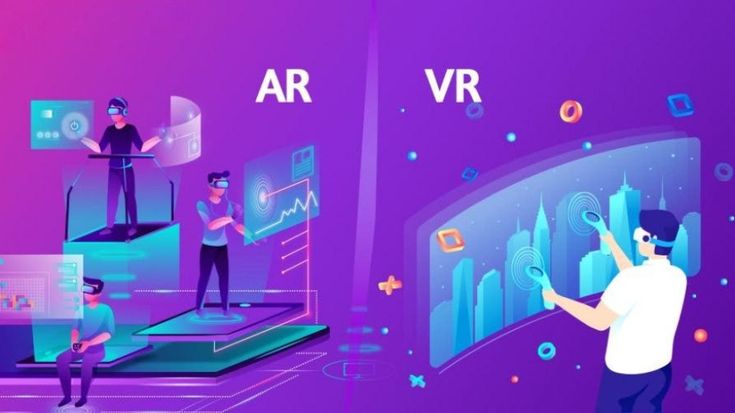
What Is the Next Big Breakthrough in AR/VR Technology?

Augmented Reality (AR) and Virtual Reality (VR) have already revolutionized industries ranging from gaming and entertainment to healthcare and education. However, the technology is continuously evolving, and we are on the brink of witnessing groundbreaking advancements that will further redefine how we interact with the digital world. So, what is the next big breakthrough in AR/VR technology? Let’s explore the emerging innovations that could shape the future.

1. AR/VR and Artificial Intelligence (AI) Integration

One of the most anticipated advancements is the integration of AR/VR with AI. AI-powered AR/VR applications will enhance user interactions by making experiences more personalized, responsive, and immersive. AI can improve object recognition in AR, create realistic avatars in VR, and even generate real-time adaptive content for users.

2. Wireless and Standalone AR/VR Devices

The transition from bulky, wired headsets to lightweight, standalone devices is already underway. The next step is developing high-performance AR/VR wearables that provide seamless experiences without external hardware constraints. Innovations in battery efficiency, processing power, and display technology will further drive this change.

3. Extended Reality (XR) and the Metaverse

The concept of the Metaverse—an interconnected virtual universe—is gaining momentum, and AR/VR will play a crucial role in its realization. Future AR/VR systems will allow users to interact in persistent, shared digital environments that blend physical and virtual realities seamlessly.

4. Ultra-Realistic Haptic Feedback

Haptic feedback technology is advancing, enabling users to feel physical sensations in virtual spaces. The next breakthrough will likely involve full-body haptic suits, allowing for a more immersive and interactive experience in gaming, training simulations, and remote collaboration.

5. AR Cloud and Spatial Computing

AR Cloud technology enables persistent, shared, and real-time augmented reality experiences by mapping the real world digitally. Combined with spatial computing, it will revolutionize industries such as navigation, remote assistance, and collaborative workspaces, making AR experiences more interactive and context-aware.

6. 8K and MicroLED Displays for AR/VR

Visual quality is a significant factor in AR/VR adoption. The next generation of AR/VR headsets will likely feature 8K resolution displays and MicroLED technology, significantly enhancing image clarity, reducing eye strain, and making extended use more comfortable.

7. Brain-Computer Interfaces (BCI)

Brain-Computer Interfaces (BCIs) could be a game-changer in AR/VR technology. By allowing users to control virtual environments using brain signals, BCIs can enhance accessibility and open new possibilities for gaming, communication, and even medical applications.

Conclusion

The future of AR/VR technology is incredibly promising, with breakthroughs that will make digital experiences more immersive, intuitive, and accessible. From AI integration and ultra-realistic haptics to the Metaverse and brain-computer interfaces, the next wave of innovations will reshape how we interact with the digital world. As these technologies continue to evolve, AR/VR will become an even more integral part of our daily lives.

Why Did You Decide to Choose Fashion Designing as a Career?

Fashion designing is more than just creating beautiful garments; it is a form of self-expression, a way to influence society, and an ever-evolving field full of creativity and innovation. If you are considering a career in fashion designing, you might wonder why others have chosen this path. There are various compelling reasons why individuals are drawn to fashion designing, and here are some of the most inspiring ones.

Passion for Creativity and Art

Fashion is an art form that allows designers to bring their ideas to life. Many individuals choose fashion designing because they have a deep passion for creativity, sketching, and experimenting with colors, fabrics, and styles. This career provides an outlet to express artistic visions through clothing and accessories, making it an attractive choice for those who love to create.

Influence on Trends and Society

Fashion designers have a significant impact on society by setting trends and shaping how people express themselves through clothing. If you are someone who loves to stay ahead of trends and influence the way people dress, fashion designing offers a platform to make your mark in the industry.

Endless Opportunities and Career Growth

The fashion industry is vast, offering diverse career opportunities in different areas, such as apparel design, textile design, fashion marketing, merchandising, and styling. With the rise of digital platforms and sustainable fashion, there is even more room for innovation and entrepreneurship. Many designers dream of launching their own fashion brands, working with global labels, or creating niche designs that cater to specific markets.

The Excitement of a Dynamic Industry

Fashion is an ever-changing industry, making it exciting and fast-paced. Every season brings new trends, materials, and styles, ensuring that designers are constantly challenged and engaged. For those who thrive in a dynamic environment and love experimenting with fresh ideas, fashion designing is a perfect fit.

Making a Statement and Promoting Sustainability

Fashion is not just about style; it is also a means of making a statement. Many aspiring designers choose this career to bring about social change, promote ethical fashion, and contribute to sustainability. With growing concerns about the environmental impact of fashion, many designers are now focusing on eco-friendly materials, ethical production processes, and slow fashion movements.

Personal Satisfaction and Fulfillment

For many, fashion designing is not just a career but a calling. The joy of seeing one’s creations worn by people, showcased on runways, or featured in magazines provides immense satisfaction. Being able to transform ideas into reality and seeing customers appreciate unique designs makes all the hard work worthwhile.

Conclusion

Choosing fashion designing as a career is a decision driven by passion, creativity, and the desire to make a difference in the industry. Whether it is the love for art, the excitement of trends, or the dream of creating a sustainable impact, fashion designing offers a fulfilling and rewarding career path. If you have a deep passion for fashion and a vision to redefine style, then this career might just be the perfect choice for you.


Does Anyone Need a Good Graphic Designer?

In today’s digital age, where visual appeal plays a crucial role in branding, marketing, and user engagement, the demand for good graphic designers is higher than ever. Businesses, entrepreneurs, and content creators all need compelling visuals to capture attention and communicate their messages effectively. But who exactly needs a good graphic designer, and why?

1. Businesses and Startups

Every company, from small startups to large enterprises, needs strong branding. A graphic designer helps create essential brand assets such as logos, business cards, websites, and marketing materials. Eye-catching designs establish brand identity and build trust with customers.

2. Digital Marketing Agencies

Digital marketing relies heavily on visual content, including social media graphics, ad creatives, infographics, and website banners. A skilled graphic designer ensures that a brand’s online presence is visually appealing, engaging, and aligned with its marketing goals.

3. E-Commerce and Retail Brands

E-commerce businesses depend on product images, promotional banners, and website design to attract customers. High-quality visuals enhance the user experience and boost sales. A good graphic designer can create professional product images, packaging designs, and advertisements that drive conversions.

4. Content Creators and Influencers

Bloggers, YouTubers, and social media influencers need visually appealing content to engage their audience. Thumbnails, social media posts, and video graphics are crucial in making content stand out. A graphic designer helps create these assets, ensuring consistency and brand recognition.

5. Non-Profit Organizations

Non-profits need compelling visual storytelling to raise awareness and attract donors. From fundraising campaign posters to event flyers, a good graphic designer can make their message more impactful and help them reach a wider audience.

6. Event Planners and Entertainment Industry

Concerts, festivals, corporate events, and weddings all require promotional materials, invitations, and digital banners. A graphic designer ensures that these materials align with the event’s theme and attract the right audience.

7. App and Web Developers

Developers need UI/UX designers to create intuitive and visually appealing app interfaces, websites, and dashboards. A great design enhances user experience and ensures that products are both functional and aesthetically pleasing.

8. Publishing Industry

Magazines, book publishers, and online blogs need designers for book covers, editorial layouts, and digital illustrations. A well-designed book cover or magazine layout enhances readability and attracts readers.

9. Freelancers and Personal Branding

Individuals looking to build a personal brand, such as coaches, consultants, and public speakers, need a designer to create branding elements like logos, websites, and social media graphics to establish a professional online presence.

Conclusion

The demand for good graphic designers spans multiple industries. Whether for branding, marketing, web design, or content creation, businesses and individuals need high-quality visuals to communicate their messages effectively. If you’re a skilled graphic designer, there are endless opportunities to showcase your talent and help brands grow.

Form submitted! Our team will reach out to you soon.
0
    0
    Your Cart
    Your cart is emptyReturn to Course