
What Does One Need to Know in Machine Learning?

Machine Learning (ML) has rapidly grown from an academic concept to a core component of modern technology. From personalized recommendations on Netflix to self-driving cars, it’s changing the way the world operates. But if you’re just starting out, you may wonder—what exactly do you need to know to succeed in machine learning?

In this blog, let’s break down the key areas you should focus on to build a solid foundation in machine learning.


1. Mathematics: The Language of ML

At the heart of every machine learning algorithm is math. You don’t need a PhD to start, but a solid understanding of the following areas is essential:

  • Linear Algebra: Vectors, matrices, and operations used in training models.

  • Probability & Statistics: Bayes’ theorem, distributions, and hypothesis testing.

  • Calculus: Especially partial derivatives, for understanding how models learn.

These concepts help you not only build models but also understand why they work.


2. Programming Skills (Mostly Python)

You’ll need to know how to code to work with data, implement algorithms, and experiment with models.

Python is the go-to language for ML due to its readability and huge ecosystem. Important libraries include:

  • NumPy and Pandas for data manipulation

  • Scikit-learn for classical ML

  • TensorFlow and PyTorch for deep learning

  • Matplotlib and Seaborn for data visualization


3. Understanding of Algorithms

Machine learning has various types of models. You should understand:

  • Supervised Learning: Regression, classification

  • Unsupervised Learning: Clustering, dimensionality reduction

  • Reinforcement Learning: Learning through rewards

  • Deep Learning: Neural networks, CNNs, RNNs

Each algorithm has its strengths, limitations, and ideal use cases. Knowing when and how to apply them is key.


4. Data Handling and Preprocessing

Most of the work in machine learning involves cleaning and preparing data. You must be comfortable with:

  • Handling missing or noisy data

  • Normalizing and scaling features

  • Encoding categorical variables

  • Splitting data into training and testing sets

Remember: good models start with good data.


5. Model Evaluation and Tuning

It’s not enough to just train a model—you need to evaluate and improve it.

Learn techniques like:

  • Cross-validation

  • Confusion matrices, precision, recall, F1-score

  • Hyperparameter tuning using GridSearch or RandomSearch

  • Avoiding overfitting with regularization and dropout

This helps ensure your model performs well in real-world scenarios.


6. Tools and Platforms

Familiarize yourself with popular tools and environments:

  • Jupyter Notebook for coding and visualization

  • Google Colab for free GPU access

  • Kaggle for datasets and competitions

  • MLflow or Weights & Biases for model tracking

Cloud platforms like AWS, GCP, and Azure also offer scalable ML environments.


7. Curiosity and Problem-Solving Mindset

Finally, the most important thing you need is curiosity. Machine learning isn’t just about building models—it’s about solving problems. Asking the right questions, experimenting with data, and constantly learning from errors is what separates a good ML practitioner from a great one.


Final Thoughts

So, what do you need to know in machine learning? It’s a mix of math, programming, data skills, and lots of practice. But more than that, you need a passion for discovering patterns and solving problems.

What Makes Data Science Interesting to You?

In today’s digital age, data is everywhere. From the apps we use to the purchases we make, every click and swipe contributes to a massive pool of information. But what makes data science—the art and science of extracting insights from that data—so fascinating?

Let me share what makes data science interesting to me, and perhaps, you’ll discover why it has become one of the most exciting fields of the 21st century.


1. The Power to Turn Data Into Insight

What really draws me to data science is its power to turn raw data into meaningful insights. It’s like solving a mystery—digging into numbers and finding patterns no one else sees. Whether it’s predicting customer behavior or analyzing global health trends, data science brings clarity to complexity.


2. A Blend of Creativity and Logic

Many people think data science is all about numbers, but it also involves a lot of creativity. Designing experiments, choosing the right visualizations, and interpreting results in the context of a real-world problem—all of these require imaginative thinking. It’s this balance between analytical logic and creative storytelling that keeps things exciting.


3. Endless Learning Opportunities

The field of data science is constantly evolving. New algorithms, tools, and techniques appear regularly, making it impossible to ever get bored. Every project offers a chance to learn something new—be it natural language processing, computer vision, or deep learning. If you love continuous learning, this field is a goldmine.


4. Real-World Impact

Data science isn’t just cool—it’s useful. It helps doctors detect diseases earlier, businesses serve customers better, and cities reduce traffic congestion. The idea that something I build could positively impact people’s lives is incredibly motivating and meaningful.


5. A Multidisciplinary Playground

What’s fascinating about data science is how it connects so many different fields—math, computer science, psychology, economics, and more. You can be working on one project that involves marketing strategy and another focused on sports analytics. The diversity of applications keeps things fresh and challenging.


6. The Thrill of Problem Solving

At its core, data science is about solving problems. There’s a special kind of satisfaction that comes from building a model that works or discovering an insight no one expected. Every dataset is a puzzle waiting to be cracked, and that puzzle-solving nature is what keeps me hooked.


Final Thoughts

So, what makes data science interesting to me? It’s the perfect mix of curiosity, creativity, and challenge. It’s a field where I get to ask big questions, explore new ideas, and create real value from data. Whether you’re into math, storytelling, or just love cracking tough problems—data science has something for you.

What Things Do I Need to Develop an Artificial Intelligence?

Artificial Intelligence (AI) is no longer just a futuristic buzzword—it’s now a key driver of innovation across industries like healthcare, finance, marketing, transportation, and more. If you’re curious about how to develop an AI system from scratch, you’re not alone. Whether you’re a student, a developer, or simply an enthusiast, understanding what you need to build AI is the first big step.

Let’s break it down into the essential components and skills required.


1. Strong Foundation in Mathematics and Statistics

AI is built on math. Core concepts from linear algebra, probability, calculus, and statistics are critical, especially for understanding algorithms in machine learning and deep learning.

Key topics include:

  • Vectors and matrices

  • Probability distributions

  • Derivatives and gradients

  • Statistical modeling


2. Programming Knowledge

You must know how to code—Python is the most popular language in AI due to its simplicity and the vast number of AI libraries available.

Commonly used Python libraries:

  • NumPy & Pandas – data manipulation

  • Scikit-learn – classical machine learning

  • TensorFlow / PyTorch – deep learning

  • OpenCV – computer vision

  • NLTK / spaCy – natural language processing


3. Data: The Fuel for AI

No AI can function without data. You’ll need access to quality datasets to train your models. Depending on your AI’s purpose (e.g., predicting stock prices, identifying objects in images, translating languages), the kind of data you’ll use will vary.

Tips for working with data:

  • Use public datasets (like Kaggle, UCI ML Repository, Google Dataset Search)

  • Learn data cleaning and preprocessing

  • Understand data labeling for supervised learning


4. Understanding of Algorithms and Models

You should be familiar with how AI models work and when to use them. This includes:

  • Supervised vs. Unsupervised Learning

  • Classification & Regression Algorithms

  • Decision Trees, Neural Networks, SVMs, etc.

  • Reinforcement Learning for tasks like game AI or robotics


5. Computing Power

AI, especially deep learning, demands powerful hardware.

Options:

  • Your own machine with a good GPU (NVIDIA is preferred)

  • Cloud platforms like Google Colab, AWS, Azure, or IBM Watson

  • Local servers or edge devices for real-time AI solutions


6. Domain Knowledge (Optional but Powerful)

If you’re building AI for a specific field (healthcare, finance, education), having domain knowledge can help you design better models and solutions.


7. Tools & Frameworks

AI development is made easier with the right tools.

Popular tools:

  • Jupyter Notebook – easy prototyping and testing

  • Keras – high-level neural networks API

  • MLflow – model tracking and deployment

  • Docker – containerizing AI applications

  • Git – version control for projects


8. Soft Skills: Problem Solving & Curiosity

Finally, building AI is not just about writing code. It requires critical thinking, creativity, and patience. AI solutions are built through continuous learning, testing, and refining.


Final Thoughts

Developing artificial intelligence is like building a brain for a specific task. While it may seem intimidating at first, the tools and resources available today make it accessible to anyone willing to learn.

Start small, build projects, learn from mistakes—and soon, you’ll be developing your own AI that can recognize faces, predict outcomes, or even hold a conversation.

Where Do I Start in Learning About Hacking and Cybersecurity?

Cybersecurity is one of the most in-demand fields in the tech industry today. Whether you want to become an ethical hacker, a penetration tester, or a cybersecurity analyst, starting your journey can be overwhelming. This guide will help you navigate the best ways to get started in hacking and cybersecurity.

1. Understand the Basics of Cybersecurity

Before diving into hacking, you need to grasp fundamental cybersecurity concepts, including:

  • Networking basics (IP addresses, DNS, VPNs, firewalls, ports, and protocols like TCP/IP, HTTP, and FTP)
  • Operating systems (Linux, Windows, macOS)
  • Cyber threats (malware, phishing, DDoS attacks, ransomware, and brute force attacks)
  • Encryption and cryptography (hashing, SSL/TLS, public and private keys)

Recommended Resources:

  • “Cybersecurity for Dummies” by Joseph Steinberg
  • CompTIA Security+ Certification Guide
  • Online platforms like Coursera, Udemy, and Cybrary

2. Learn Linux and Command Line Tools

Many security professionals and hackers rely on Linux distributions like Kali Linux and Parrot OS for penetration testing. Mastering the Linux command line will significantly enhance your hacking skills.

Recommended Tools:

  • Kali Linux or Parrot OS
  • Bash scripting
  • Essential Linux commands (ls, cd, grep, chmod, etc.)

3. Learn Programming for Hacking

While not mandatory, knowing programming languages can give you an edge in cybersecurity.

  • Python – Widely used in cybersecurity for automation and scripting.
  • JavaScript – Essential for web application security and ethical hacking.
  • C/C++ – Helps in understanding low-level security vulnerabilities.
  • SQL – Useful for database security and SQL injection attacks.

4. Explore Ethical Hacking and Penetration Testing

Ethical hacking involves testing systems for vulnerabilities. Learn about:

  • Penetration testing methodologies (reconnaissance, scanning, exploitation, reporting)
  • Common hacking techniques (social engineering, password cracking, privilege escalation, SQL injection, XSS)
  • Penetration testing tools:
    • Metasploit (exploitation framework)
    • Wireshark (network analysis)
    • Burp Suite (web security testing)
    • Nmap (network scanning)

Recommended Certifications:

  • Certified Ethical Hacker (CEH)
  • Offensive Security Certified Professional (OSCP)
  • GIAC Penetration Tester (GPEN)
5. Join Cybersecurity Communities and Practice

Networking with other professionals and practicing your skills is essential. You can:

  • Join forums like Hack The Box, TryHackMe, and CTF (Capture The Flag) competitions.
  • Engage with cybersecurity communities on Discord, Reddit, and Twitter.
  • Participate in bug bounty programs on platforms like HackerOne and Bugcrowd.

6. Stay Updated with Cybersecurity Trends

Cyber threats evolve constantly, so staying updated is crucial. Follow:

  • Security blogs (Krebs on Security, The Hacker News, Dark Reading)
  • Podcasts (Darknet Diaries, Security Now)
  • Online courses and webinars

Conclusion

Starting your journey in hacking and cybersecurity requires dedication and continuous learning. Begin with foundational knowledge, practice with hands-on tools, and seek professional certifications to advance your career. With persistence, you can become a skilled ethical hacker or cybersecurity expert.


Is It Still Worth Learning Android Development?

With the rapid evolution of technology, many aspiring developers and tech enthusiasts often wonder whether investing time in learning Android development is still worthwhile. The short answer is: yes! Android development remains a lucrative and promising career choice for several reasons. Let’s explore why learning Android development is still relevant in 2024 and beyond.

1. Dominance of the Android Market

Android holds a significant share of the global mobile operating system market. According to recent statistics, Android powers over 70% of smartphones worldwide. This vast user base means there is always a demand for new and innovative Android applications.

2. Growing Demand for Android Developers

The job market for Android developers remains strong. Businesses are continuously looking for skilled Android developers to create and maintain their mobile applications. Whether you want to work for a tech giant, a startup, or as a freelancer, opportunities in Android development are abundant.

3. Expanding Ecosystem: Beyond Smartphones

Android is no longer limited to smartphones. The ecosystem has expanded to include tablets, smart TVs, wearables (such as smartwatches), IoT devices, and even automotive systems. This diversification opens up even more opportunities for developers.

4. Kotlin and Modern Development Tools

Google has officially endorsed Kotlin as the preferred language for Android development, making app development more efficient and enjoyable. With tools like Jetpack Compose, Android Studio, and Firebase, developers can build powerful applications with enhanced efficiency.

5. Google’s Continued Investment in Android

Google continuously enhances Android with new features, security updates, and development tools. The introduction of AI-powered capabilities and better cross-platform support (such as Flutter) ensures that Android development remains a cutting-edge field.

6. Lucrative Earning Potential

Developers can earn money through Google Play Store monetization strategies, including in-app purchases, ads, and subscriptions. Additionally, freelance Android developers can command competitive rates due to the high demand for mobile applications.

7. Open-Source Advantage

Android’s open-source nature allows developers to customize and innovate freely. This flexibility is beneficial for startups and businesses looking to create tailored solutions.

8. Cross-Platform Development with Flutter

Learning Android development also provides a foundation for working with Flutter, Google’s UI toolkit for building natively compiled applications for mobile, web, and desktop from a single codebase. This means Android developers can easily expand their skills to include iOS and other platforms.

Conclusion: Should You Learn Android Development?

Absolutely! With a vast market, diverse opportunities, modern development tools, and strong earning potential, Android development remains a valuable skill. Whether you are a beginner or an experienced developer, investing time in learning Android development can open doors to a rewarding career in mobile app development.


What Are Examples of a Full Stack Web Developer’s Stack?

A full stack web developer is proficient in both frontend and backend technologies, enabling them to build complete web applications from start to finish. The term “stack” refers to the combination of technologies used to develop these applications. Different full stack developers use different stacks based on their preferences and project requirements. Below are some popular full stack technology stacks that developers commonly use:

1. LAMP Stack (Linux, Apache, MySQL, PHP)

  • Linux: The operating system that serves as the foundation.
  • Apache: The web server that handles HTTP requests.
  • MySQL: The relational database for storing and managing data.
  • PHP: The backend programming language used to build dynamic web applications.

Best for: Traditional web applications and content management systems like WordPress.

2. MEAN Stack (MongoDB, Express.js, Angular, Node.js)

  • MongoDB: A NoSQL database that stores data in a flexible JSON-like format.
  • Express.js: A lightweight web framework for Node.js.
  • Angular: A frontend JavaScript framework for building dynamic user interfaces.
  • Node.js: A runtime environment that allows JavaScript to run on the server-side.

Best for: Single-page applications (SPAs) and real-time applications.

3. MERN Stack (MongoDB, Express.js, React, Node.js)

  • Similar to MEAN but uses React instead of Angular for the frontend.

Best for: Applications that require high performance and flexibility in UI design.

4. MEVN Stack (MongoDB, Express.js, Vue.js, Node.js)

  • Similar to MEAN and MERN but uses Vue.js for the frontend.

Best for: Developers who prefer Vue.js for its simplicity and reactive components.

5. Django Stack (Python, Django, PostgreSQL, Nginx)
  • Python: The backend programming language.
  • Django: A high-level Python web framework for rapid development.
  • PostgreSQL: A powerful relational database.
  • Nginx: A web server used for handling client requests.

Best for: Data-driven applications and machine learning-based web applications.

6. Ruby on Rails Stack (Ruby, Rails, PostgreSQL, Puma)

  • Ruby: The programming language.
  • Rails: A framework for building scalable web applications.
  • PostgreSQL: The database management system.
  • Puma: A web server optimized for Ruby applications.

Best for: Rapid development of MVPs (Minimum Viable Products) and startups.

7. .NET Stack (C#, ASP.NET, SQL Server, IIS)

  • C#: The backend programming language.
  • ASP.NET: A web framework by Microsoft.
  • SQL Server: A relational database system.
  • IIS (Internet Information Services): A web server for hosting applications.

Best for: Enterprise-level applications and business solutions.

8. JAMstack (JavaScript, APIs, Markup)

  • JavaScript: Used for frontend interactivity.
  • APIs: Backend functionalities are handled through APIs.
  • Markup (HTML/CSS): Pre-rendered static content for performance optimization.

Best for: High-performance, static, and serverless web applications.

Choosing the Right Stack

When selecting a full stack, consider factors such as:

  • Project Requirements: Do you need a relational or NoSQL database? A static or dynamic site?
  • Scalability: Will your application need to handle high traffic and data loads?
  • Community Support: Is the stack well-supported with documentation and active contributors?
  • Learning Curve: How much time will it take to become proficient?

Conclusion

A full stack web developer has a variety of technology stacks to choose from, each with its strengths and weaknesses. The choice depends on the project’s needs, the developer’s expertise, and the application’s scalability. Whether you prefer the traditional LAMP stack, the modern MERN stack, or the efficient Django stack, mastering your chosen stack will help you build powerful, scalable web applications.

What is the Scope for Automation and Robotics Engineering?

Automation and robotics engineering is rapidly transforming industries worldwide. With advancements in artificial intelligence (AI), machine learning, and IoT, the demand for skilled professionals in this field is at an all-time high. But what exactly is the scope of automation and robotics engineering? Let’s explore the opportunities and career prospects.

1. Growing Demand Across Industries

Automation and robotics are revolutionizing various industries, creating abundant career opportunities. Key sectors include:

  • Manufacturing: Industrial robots streamline production lines, improving efficiency and reducing human labor.
  • Healthcare: Robotic-assisted surgeries, automated diagnostics, and rehabilitation robots are enhancing medical care.
  • Automobile: Autonomous vehicles and robotic assembly lines are transforming transportation.
  • Agriculture: Drones and automated machinery optimize farming operations.
  • Defense & Security: Military drones, surveillance robots, and unmanned ground vehicles strengthen national security.
  • Logistics & Warehousing: Automated storage and retrieval systems (ASRS) and robotic picking solutions boost efficiency.

2. Career Opportunities for Automation and Robotics Engineers

As industries integrate automation and robotics, diverse job roles are emerging, including:

  • Robotics Engineer: Designs and develops robotic systems for industrial and commercial applications.
  • Automation Engineer: Implements and maintains automated systems in manufacturing and logistics.
  • AI & Machine Learning Engineer: Develops intelligent robots that can learn and adapt.
  • Embedded Systems Engineer: Works on hardware-software integration for robotic control systems.
  • Control Systems Engineer: Designs algorithms and control mechanisms for robotic applications.
  • Research Scientist: Innovates and improves robotic technologies for future applications.

3. Emerging Trends in Automation and Robotics

The field is constantly evolving, with several trends shaping its future:

  • AI-Powered Robotics: Machine learning algorithms enable robots to perform complex tasks with minimal human intervention.
  • Collaborative Robots (Cobots): Robots designed to work alongside humans in industries.
  • Autonomous Vehicles: Self-driving cars and drones are becoming more sophisticated.
  • Smart Factories: Industry 4.0 is driving the integration of IoT and robotics in manufacturing.
  • Soft Robotics: Flexible and adaptive robots designed for human-like interactions.

4. Future Scope and Growth in India and Worldwide

The automation and robotics market is expanding globally, with India playing a crucial role. Government initiatives like Make in India and Atmanirbhar Bharat promote automation in manufacturing. Additionally, the rise of Industry 4.0 is accelerating robotic adoption across sectors.

According to reports, the global robotics market is expected to reach $214 billion by 2030, with a 15% CAGR. India’s robotics industry is also witnessing exponential growth, making it a lucrative career choice.

5. Skills Required for a Successful Career

To thrive in automation and robotics engineering, aspiring professionals should develop skills in:

  • Programming (Python, C++, ROS)
  • Artificial Intelligence & Machine Learning
  • Embedded Systems & IoT
  • Mechanical & Electrical Engineering
  • Computer Vision & Sensors
  • Cybersecurity for Robotics

Conclusion

The scope for automation and robotics engineering is vast, with exciting career prospects in multiple industries. As technology continues to evolve, skilled professionals will be in high demand. If you are passionate about robotics and automation, this field offers endless opportunities to innovate and make a difference!


What Are the Responsibilities of a Drone Engineer in India?

Drones are revolutionizing industries across the world, and India is no exception. From defense and agriculture to logistics and surveillance, drone technology is playing an essential role in modern advancements. But what does a drone engineer do, and what responsibilities come with the role in India? Let’s explore.

1. Designing and Developing Drones

Drone engineers are responsible for designing and developing Unmanned Aerial Vehicles (UAVs). This includes:

  • Creating blueprints and technical specifications
  • Selecting suitable materials and components
  • Ensuring aerodynamic efficiency and stability
  • Developing drone propulsion systems

2. Software and Hardware Integration

A drone engineer works on integrating hardware and software components to ensure smooth operations. Key tasks include:

  • Developing flight control software
  • Configuring GPS and navigation systems
  • Implementing AI-based automation
  • Enhancing real-time data processing capabilities

3. Testing and Quality Assurance

Before drones can be deployed, they must be tested for safety and efficiency. Responsibilities include:

  • Conducting flight tests in controlled environments
  • Identifying and resolving mechanical and software issues
  • Ensuring compliance with government regulations
  • Optimizing drone performance based on test results

4. Compliance with Indian Drone Regulations

In India, drones are regulated by the Directorate General of Civil Aviation (DGCA). A drone engineer must:

  • Ensure drones meet regulatory standards
  • Obtain necessary certifications for commercial use
  • Stay updated with evolving drone laws and policies
5. Application-Specific Customization

Different industries require specialized drones. Engineers modify and enhance drones for:

  • Agriculture: Crop monitoring and pesticide spraying
  • Defense: Surveillance and reconnaissance missions
  • Delivery Services: Logistics and supply chain applications
  • Disaster Management: Search and rescue operations

6. Maintenance and Troubleshooting

Drones require periodic maintenance to function efficiently. A drone engineer handles:

  • Regular system diagnostics
  • Repairing mechanical and electronic components
  • Upgrading software and firmware

7. Research and Innovation

With evolving technology, drone engineers engage in R&D to:

  • Develop next-gen autonomous UAVs
  • Improve battery life and payload capacity
  • Enhance AI-powered object detection and tracking

Conclusion

The role of a drone engineer in India is dynamic and vital to various industries. As drone technology advances, the demand for skilled professionals in this field continues to rise. If you’re passionate about robotics, aerodynamics, and software development, a career in drone engineering could be an exciting and rewarding choice!

Are There Any AR/VR Influencers Over Here?

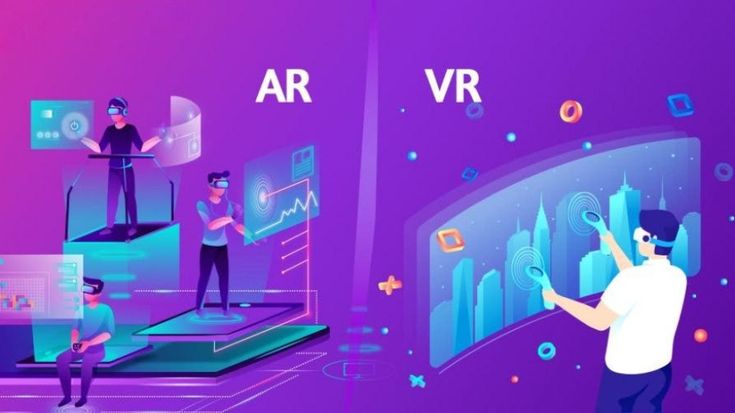
Augmented Reality (AR) and Virtual Reality (VR) are transforming industries, from gaming and education to healthcare and real estate. But who are the thought leaders shaping this immersive tech revolution? If you’re looking for AR/VR influencers to follow, you’re in the right place. Let’s explore some of the top voices in the field who are making waves in the AR/VR community.

1. Cathy Hackl (@CathyHackl)

Known as the “Godmother of the Metaverse,” Cathy Hackl is a leading voice in AR/VR and the metaverse. She has worked with major tech companies like HTC Vive, Magic Leap, and AWS, helping brands integrate immersive technologies into their strategies.

2. Charlie Fink (@CharlieFink)

Charlie Fink is an XR consultant, Forbes columnist, and the author of several books on AR and VR. His insights into the metaverse and spatial computing are widely respected in the industry.

3. Alan Smithson (@AlanSmithson)

Co-founder of MetaVRse, Alan Smithson is a pioneer in the immersive tech space. He shares valuable insights on how businesses can adopt AR and VR to enhance user experiences.

4. Lucas Rizzotto (@_LucasRizzotto)

Lucas Rizzotto is an award-winning VR creator and storyteller known for his innovative projects that push the boundaries of immersive experiences.

5. Nonny de la Peña (@NonnyDLP)

A VR journalism trailblazer, Nonny de la Peña is the founder of Emblematic Group and has been called the “Godmother of VR.” She uses VR to create compelling news stories and social impact experiences.

6. Kent Bye (@kentbye)

Host of the “Voices of VR” podcast, Kent Bye interviews pioneers in AR and VR, offering deep dives into the latest trends and technologies shaping the industry.

7. Tony Parisi (@auradeluxe)

A veteran in 3D web development, Tony Parisi has contributed significantly to the development of WebXR and is a thought leader in the intersection of AR, VR, and AI.

8. Sophia Moshasha (@SophiaMosh)

Sophia Moshasha is an advocate for immersive technologies, co-hosting the “This Week in XR” podcast and working to drive AR/VR adoption across industries.

Why Follow AR/VR Influencers?

Following these influencers can help you stay updated on the latest AR/VR advancements, industry trends, and emerging opportunities. Whether you’re a developer, entrepreneur, or enthusiast, engaging with these thought leaders can provide valuable insights into the future of immersive technology.

Why Do People Want to Be a Fashion Designer?

Fashion design is a dream career for many, blending creativity, innovation, and self-expression. The allure of the fashion industry attracts individuals from all backgrounds who want to make an impact with their designs. But what drives people to pursue a career in fashion design? Here are some of the key reasons why becoming a fashion designer is such a desirable profession.

1. Passion for Creativity and Art

Many aspiring designers have a deep love for art, creativity, and self-expression. Fashion design allows individuals to bring their artistic visions to life, whether through unique clothing, accessories, or patterns.

2. The Desire to Influence Trends

Fashion designers have the power to set new trends and shape the way people dress. From high fashion to streetwear, designers influence global fashion movements and inspire millions worldwide.

3. The Opportunity for Self-Expression

Fashion is a powerful medium for expressing individuality and cultural identity. Designers often use their work to communicate personal stories, social messages, and artistic concepts.

4. The Glamorous and Dynamic Industry

The fashion world is known for its glamour, excitement, and ever-changing nature. Many aspiring designers are drawn to the fast-paced environment, runway shows, celebrity collaborations, and the opportunity to work with prestigious brands.

5. Entrepreneurial Opportunities

Fashion design offers numerous entrepreneurial opportunities. Many designers dream of launching their own brands, showcasing their collections at fashion weeks, or starting a successful fashion business.

6. The Ability to Make a Social Impact

Fashion has the power to drive social change. Many designers focus on sustainable fashion, ethical sourcing, and inclusivity, aiming to create designs that have a positive impact on society and the environment.

7. Diverse Career Opportunities

A degree or background in fashion design opens doors to various career paths, including fashion illustration, textile design, merchandising, and costume design. This versatility makes the profession appealing to many.

8. The Satisfaction of Seeing Designs Come to Life

There’s a unique thrill in seeing an idea evolve from a sketch to a finished garment. Many designers find immense satisfaction in bringing their concepts to reality and watching people wear their creations.

9. A Love for Fashion and Trends

Some individuals are naturally drawn to fashion, keeping up with the latest styles, designers, and seasonal trends. Their passion for fashion fuels their desire to become designers themselves.

10. Opportunities to Work Globally

Fashion is a global industry with opportunities to work in fashion capitals like Paris, Milan, New York, and London. Aspiring designers are often excited by the prospect of traveling, collaborating with international brands, and showcasing their work on a global stage.

Conclusion

People choose to become fashion designers for various reasons—whether it’s the love of creativity, the excitement of the industry, or the desire to influence trends and make an impact. While it requires dedication, hard work, and continuous learning, fashion design remains one of the most rewarding and inspiring careers for those passionate about style and innovation.


Form submitted! Our team will reach out to you soon.
0
    0
    Your Cart
    Your cart is emptyReturn to Course