

What Are the Responsibilities of a Drone Engineer in India?

Drones are revolutionizing industries across the world, and India is no exception. From defense and agriculture to logistics and surveillance, drone technology is playing an essential role in modern advancements. But what does a drone engineer do, and what responsibilities come with the role in India? Let’s explore.

1. Designing and Developing Drones

Drone engineers are responsible for designing and developing Unmanned Aerial Vehicles (UAVs). This includes:

  • Creating blueprints and technical specifications
  • Selecting suitable materials and components
  • Ensuring aerodynamic efficiency and stability
  • Developing drone propulsion systems

2. Software and Hardware Integration

A drone engineer works on integrating hardware and software components to ensure smooth operations. Key tasks include:

  • Developing flight control software
  • Configuring GPS and navigation systems
  • Implementing AI-based automation
  • Enhancing real-time data processing capabilities

3. Testing and Quality Assurance

Before drones can be deployed, they must be tested for safety and efficiency. Responsibilities include:

  • Conducting flight tests in controlled environments
  • Identifying and resolving mechanical and software issues
  • Ensuring compliance with government regulations
  • Optimizing drone performance based on test results

4. Compliance with Indian Drone Regulations

In India, drones are regulated by the Directorate General of Civil Aviation (DGCA). A drone engineer must:

  • Ensure drones meet regulatory standards
  • Obtain necessary certifications for commercial use
  • Stay updated with evolving drone laws and policies
5. Application-Specific Customization

Different industries require specialized drones. Engineers modify and enhance drones for:

  • Agriculture: Crop monitoring and pesticide spraying
  • Defense: Surveillance and reconnaissance missions
  • Delivery Services: Logistics and supply chain applications
  • Disaster Management: Search and rescue operations

6. Maintenance and Troubleshooting

Drones require periodic maintenance to function efficiently. A drone engineer handles:

  • Regular system diagnostics
  • Repairing mechanical and electronic components
  • Upgrading software and firmware

7. Research and Innovation

With evolving technology, drone engineers engage in R&D to:

  • Develop next-gen autonomous UAVs
  • Improve battery life and payload capacity
  • Enhance AI-powered object detection and tracking

Conclusion

The role of a drone engineer in India is dynamic and vital to various industries. As drone technology advances, the demand for skilled professionals in this field continues to rise. If you’re passionate about robotics, aerodynamics, and software development, a career in drone engineering could be an exciting and rewarding choice!
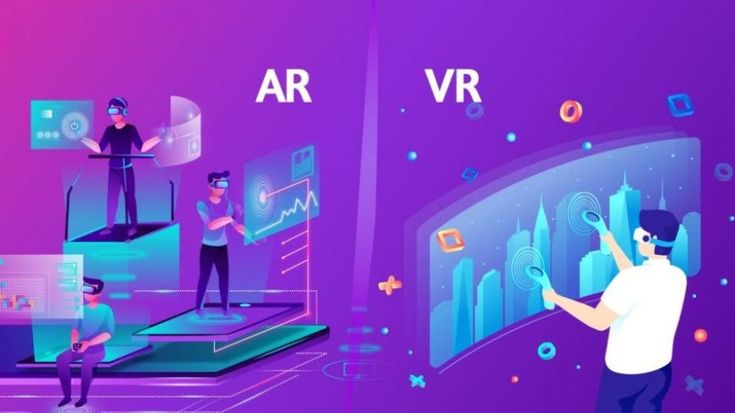

Are There Any AR/VR Influencers Over Here?

Augmented Reality (AR) and Virtual Reality (VR) are transforming industries, from gaming and education to healthcare and real estate. But who are the thought leaders shaping this immersive tech revolution? If you’re looking for AR/VR influencers to follow, you’re in the right place. Let’s explore some of the top voices in the field who are making waves in the AR/VR community.

1. Cathy Hackl (@CathyHackl)

Known as the “Godmother of the Metaverse,” Cathy Hackl is a leading voice in AR/VR and the metaverse. She has worked with major tech companies like HTC Vive, Magic Leap, and AWS, helping brands integrate immersive technologies into their strategies.

2. Charlie Fink (@CharlieFink)

Charlie Fink is an XR consultant, Forbes columnist, and the author of several books on AR and VR. His insights into the metaverse and spatial computing are widely respected in the industry.

3. Alan Smithson (@AlanSmithson)

Co-founder of MetaVRse, Alan Smithson is a pioneer in the immersive tech space. He shares valuable insights on how businesses can adopt AR and VR to enhance user experiences.

4. Lucas Rizzotto (@_LucasRizzotto)

Lucas Rizzotto is an award-winning VR creator and storyteller known for his innovative projects that push the boundaries of immersive experiences.

5. Nonny de la Peña (@NonnyDLP)

A VR journalism trailblazer, Nonny de la Peña is the founder of Emblematic Group and has been called the “Godmother of VR.” She uses VR to create compelling news stories and social impact experiences.

6. Kent Bye (@kentbye)

Host of the “Voices of VR” podcast, Kent Bye interviews pioneers in AR and VR, offering deep dives into the latest trends and technologies shaping the industry.

7. Tony Parisi (@auradeluxe)

A veteran in 3D web development, Tony Parisi has contributed significantly to the development of WebXR and is a thought leader in the intersection of AR, VR, and AI.

8. Sophia Moshasha (@SophiaMosh)

Sophia Moshasha is an advocate for immersive technologies, co-hosting the “This Week in XR” podcast and working to drive AR/VR adoption across industries.

Why Follow AR/VR Influencers?

Following these influencers can help you stay updated on the latest AR/VR advancements, industry trends, and emerging opportunities. Whether you’re a developer, entrepreneur, or enthusiast, engaging with these thought leaders can provide valuable insights into the future of immersive technology.

Why Do People Want to Be a Fashion Designer?

Fashion design is a dream career for many, blending creativity, innovation, and self-expression. The allure of the fashion industry attracts individuals from all backgrounds who want to make an impact with their designs. But what drives people to pursue a career in fashion design? Here are some of the key reasons why becoming a fashion designer is such a desirable profession.

1. Passion for Creativity and Art

Many aspiring designers have a deep love for art, creativity, and self-expression. Fashion design allows individuals to bring their artistic visions to life, whether through unique clothing, accessories, or patterns.

2. The Desire to Influence Trends

Fashion designers have the power to set new trends and shape the way people dress. From high fashion to streetwear, designers influence global fashion movements and inspire millions worldwide.

3. The Opportunity for Self-Expression

Fashion is a powerful medium for expressing individuality and cultural identity. Designers often use their work to communicate personal stories, social messages, and artistic concepts.

4. The Glamorous and Dynamic Industry

The fashion world is known for its glamour, excitement, and ever-changing nature. Many aspiring designers are drawn to the fast-paced environment, runway shows, celebrity collaborations, and the opportunity to work with prestigious brands.

5. Entrepreneurial Opportunities

Fashion design offers numerous entrepreneurial opportunities. Many designers dream of launching their own brands, showcasing their collections at fashion weeks, or starting a successful fashion business.

6. The Ability to Make a Social Impact

Fashion has the power to drive social change. Many designers focus on sustainable fashion, ethical sourcing, and inclusivity, aiming to create designs that have a positive impact on society and the environment.

7. Diverse Career Opportunities

A degree or background in fashion design opens doors to various career paths, including fashion illustration, textile design, merchandising, and costume design. This versatility makes the profession appealing to many.

8. The Satisfaction of Seeing Designs Come to Life

There’s a unique thrill in seeing an idea evolve from a sketch to a finished garment. Many designers find immense satisfaction in bringing their concepts to reality and watching people wear their creations.

9. A Love for Fashion and Trends

Some individuals are naturally drawn to fashion, keeping up with the latest styles, designers, and seasonal trends. Their passion for fashion fuels their desire to become designers themselves.

10. Opportunities to Work Globally

Fashion is a global industry with opportunities to work in fashion capitals like Paris, Milan, New York, and London. Aspiring designers are often excited by the prospect of traveling, collaborating with international brands, and showcasing their work on a global stage.

Conclusion

People choose to become fashion designers for various reasons—whether it’s the love of creativity, the excitement of the industry, or the desire to influence trends and make an impact. While it requires dedication, hard work, and continuous learning, fashion design remains one of the most rewarding and inspiring careers for those passionate about style and innovation.


What Skills Must a Graphic Designer Have?

Graphic design is a dynamic and creative field that requires a blend of artistic talent, technical proficiency, and strategic thinking. Whether you’re an aspiring graphic designer or looking to refine your skills, mastering certain essential abilities will help you stand out in the industry. Here are the key skills every graphic designer must have:

1. Creativity and Artistic Sense

Graphic designers must think outside the box to create visually appealing designs that communicate messages effectively. Having a strong sense of aesthetics, color theory, and composition is essential for creating compelling graphics.

2. Proficiency in Design Software

A graphic designer should be skilled in industry-standard design tools, including:

  • Adobe Photoshop – For image editing and digital painting.
  • Adobe Illustrator – For vector-based design and illustrations.
  • Adobe InDesign – For creating layouts, brochures, and print materials.
  • Figma & Sketch – For UI/UX and web design projects.

3. Typography Skills

Understanding typography is crucial for creating readable, visually appealing designs. A designer should know how to select fonts, adjust spacing, and create a hierarchy to enhance readability and impact.

4. Color Theory and Layout Design

Knowing how to use colors effectively can evoke emotions and enhance brand identity. A graphic designer must also understand composition, balance, and grid systems for structuring designs harmoniously.

5. Branding and Marketing Knowledge

Graphic designers play a vital role in branding. They should understand brand identity, logo design, and marketing principles to create visuals that align with a company’s messaging and target audience.

6. UX/UI Design Principles

With the rise of digital platforms, having a basic understanding of UX (User Experience) and UI (User Interface) design is beneficial. This includes designing intuitive website layouts, mobile interfaces, and interactive elements.

7. Communication Skills

Graphic designers must be able to communicate ideas clearly—both visually and verbally. Understanding client needs and presenting design concepts effectively are key components of successful projects.

8. Time Management and Organization

Meeting deadlines is crucial in graphic design, especially when handling multiple projects. Strong organizational skills help designers manage their workflow efficiently without compromising quality.

9. Attention to Detail

A great graphic designer pays close attention to small details, ensuring consistency, alignment, and precision in every element of their design.

10. Adaptability and Continuous Learning

Trends in graphic design constantly evolve. Staying updated with new tools, design techniques, and industry trends is essential for maintaining relevance and competitiveness.

Conclusion

Becoming a successful graphic designer requires a mix of creative and technical skills. By mastering design software, understanding branding and UX/UI principles, and refining your artistic abilities, you can create impactful visuals that resonate with audiences. Keep learning, experimenting, and pushing creative boundaries to excel in this exciting field!


What Are the Best Free Resources to Begin Learning UX Design?

User Experience (UX) design is an essential field in the digital world, shaping how people interact with websites, apps, and software. If you’re interested in learning UX design but don’t want to spend money on expensive courses, there are plenty of free resources available to get started. Here are some of the best free resources to begin your UX design journey.

1. Free Online Courses

1.1 Google UX Design Certificate (Free Trial)

Google offers a UX Design Professional Certificate on Coursera. While it’s a paid program, Coursera provides a free trial, and you can audit individual courses without paying. This course covers UX research, wireframing, prototyping, and usability testing.

1.2 Interaction Design Foundation (IxDF)

IxDF offers several free beginner-friendly UX design courses. Their structured curriculum provides a solid foundation in usability, accessibility, and interaction design principles.

1.3 Udacity’s Product Design Course

This free UX course by Udacity, in collaboration with Google, teaches UX fundamentals, design thinking, and rapid prototyping.

1.4 CareerFoundry’s UX Design Short Course

CareerFoundry provides a free UX design short course that introduces key concepts and principles to beginners.

2. Free UX Design Books

2.1 “The Design of Everyday Things” by Don Norman

This book, available for free in some online libraries, is a must-read for UX designers, explaining usability and human-centered design.

2.2 “Laws of UX” by Jon Yablonski

This free online resource explains key psychological principles that influence user experience design.

2.3 “Don’t Make Me Think” by Steve Krug

Though primarily a web usability book, many of its principles are foundational for UX design. Free PDFs are sometimes available online.

3. Free UX Design Blogs and Websites

3.1 Nielsen Norman Group (NNG)

NNG offers research-backed UX design articles and studies that help beginners understand usability and design principles.

3.2 UX Collective

UX Collective is a Medium publication that features UX case studies, design tips, and industry trends.

3.3 Smashing Magazine

Smashing Magazine publishes UX-related articles, guides, and tutorials for beginners and professionals.

4. Free UX Design Tools

4.1 Figma

Figma offers a free plan where you can practice UI/UX design by creating wireframes, prototypes, and collaborative designs.

4.2 Adobe XD

Adobe XD provides a free version that lets you explore UI/UX design and prototyping.

4.3 Balsamiq Wireframes

Balsamiq offers a free trial for wireframing, helping beginners understand layout and structure.

5. Free UX Design Communities & Forums

5.1 UX Stack Exchange

A great place to ask UX-related questions and learn from experienced designers.

5.2 r/userexperience (Reddit)

The UX subreddit is a vibrant community where beginners can find tips, resources, and discussions.

5.3 UX Mastery Community

A forum where UX learners can ask questions, share ideas, and get career advice.

6. Free UX Design Challenges & Practice

6.1 Daily UI

A free email-based challenge that provides daily UX design prompts to help you practice.

6.2 UX Challenge

Offers real-world UX problems to solve, helping beginners build a portfolio.

6.3 Sharpen.Design

A tool that generates UX challenges, helping you think critically and improve your skills.

Conclusion

Starting a UX design journey doesn’t have to be expensive. With these free courses, books, tools, and communities, you can gain the knowledge and hands-on experience needed to build a strong foundation in UX design. The key is to stay consistent, practice regularly, and engage with the UX community. Happy learning!

What is the Use of Medical Coding?

Medical coding is a crucial component of the healthcare industry that involves the transformation of medical diagnoses, procedures, services, and equipment into standardized alphanumeric codes. These codes are derived from medical documentation, such as physician notes, laboratory results, and radiology reports, to ensure accurate billing, insurance claims processing, and data analysis.

Why is Medical Coding Important?

Medical coding serves several essential purposes within the healthcare system, contributing to efficiency, accuracy, and compliance. Below are some key reasons why medical coding is vital:

1. Ensures Accurate Billing and Reimbursement

Healthcare providers rely on medical coding to submit claims to insurance companies, Medicare, and Medicaid. Accurate coding ensures that healthcare facilities receive appropriate payments for services rendered, reducing billing errors and claim denials.

2. Standardizes Healthcare Information

Medical coding provides a uniform language that facilitates clear communication between healthcare providers, insurance companies, and government agencies. By using internationally recognized codes, such as ICD (International Classification of Diseases) and CPT (Current Procedural Terminology), medical professionals can ensure consistency and accuracy in documentation.

3. Improves Patient Care

Accurate coding allows healthcare providers to track patient histories, treatments, and diagnoses systematically. This data enables better treatment plans, continuity of care, and improved patient safety.

4. Supports Medical Research and Data Analysis

Medical coding plays a crucial role in public health research and statistical analysis. Government agencies and researchers use coded data to monitor disease trends, evaluate treatment outcomes, and develop healthcare policies.

5. Enhances Compliance and Reduces Fraud

Healthcare organizations must adhere to regulations such as the Health Insurance Portability and Accountability Act (HIPAA). Proper medical coding ensures compliance with these laws, reducing the risk of fraud, abuse, and legal issues.

6. Facilitates Efficient Healthcare Operations

With accurate coding, healthcare organizations can optimize workflow, improve documentation efficiency, and enhance administrative processes. This helps reduce paperwork, streamline insurance claims, and improve overall healthcare management.

Types of Medical Codes

Medical coding utilizes different classification systems, including:

  • ICD (International Classification of Diseases): Used for diagnosing diseases and health conditions.
  • CPT (Current Procedural Terminology): Covers medical procedures and services performed by healthcare providers.
  • HCPCS (Healthcare Common Procedure Coding System): Includes additional medical services such as medical supplies and non-physician services.
  • DRG (Diagnosis-Related Groups): Used by hospitals for inpatient billing.

Who Uses Medical Coding?

Medical coding is used by a wide range of professionals, including:

  • Hospitals and clinics
  • Physicians and healthcare providers
  • Insurance companies
  • Government agencies
  • Medical researchers
  • Public health organizations

Conclusion

Medical coding is an integral part of the healthcare industry, ensuring accurate billing, efficient record-keeping, and improved patient care. It plays a vital role in maintaining the financial and operational stability of healthcare organizations while contributing to medical research and public health initiatives. With the growing demand for healthcare services, the need for skilled medical coders continues to rise, making it a promising career path in the medical field.


What is Psychology?

Psychology is the scientific study of the mind and behavior. It explores how individuals think, feel, and act in different situations, aiming to understand and explain human and animal behavior through research, experimentation, and observation. Psychology is an interdisciplinary field that incorporates elements of biology, neuroscience, sociology, and philosophy to examine mental processes and behaviors.

The Origins and History of Psychology

Psychology has ancient roots, dating back to early philosophical inquiries by Greek thinkers such as Plato and Aristotle, who speculated about the nature of the mind and consciousness. However, psychology as a scientific discipline emerged in the late 19th century. Wilhelm Wundt, often called the “father of psychology,” established the first psychology laboratory in 1879 in Germany, marking the transition from philosophical speculation to experimental science.

Over time, various schools of thought have shaped psychology:

  • Structuralism (Wundt, Titchener): Focused on breaking down mental processes into fundamental components.
  • Functionalism (James): Emphasized the purpose of behavior and mental processes in adaptation to the environment.
  • Psychoanalysis (Freud): Explored unconscious motives and early childhood experiences.
  • Behaviorism (Watson, Skinner): Examined observable behaviors, dismissing introspection.
  • Humanistic Psychology (Maslow, Rogers): Highlighted personal growth, free will, and self-actualization.
  • Cognitive Psychology (Neisser, Piaget): Investigated mental functions like memory, problem-solving, and perception.

Branches of Psychology

Psychology is a vast discipline with several specialized branches, including:

1. Clinical Psychology

Focuses on diagnosing and treating mental health disorders, emotional issues, and behavioral problems. Clinical psychologists work in hospitals, mental health clinics, and private practices.

2. Cognitive Psychology

Studies mental processes such as thinking, memory, problem-solving, and language. Cognitive psychologists often research how people learn and process information.

3. Developmental Psychology

Examines human growth and development across the lifespan, from infancy to old age, analyzing changes in behavior, cognition, and social interactions.

4. Social Psychology

Investigates how individuals’ thoughts, feelings, and behaviors are influenced by social interactions and group dynamics.

5. Industrial-Organizational Psychology

Applies psychological principles to workplace settings to improve productivity, employee satisfaction, and organizational performance.

6. Educational Psychology

Studies learning processes and educational practices to enhance teaching methods and student outcomes.

7. Neuropsychology

Explores the relationship between the brain and behavior, often assessing brain injuries, neurological disorders, and cognitive function.

8. Forensic Psychology

Applies psychological principles to legal and criminal justice settings, including criminal profiling and courtroom evaluations.

Applications of Psychology

Psychology is used in many aspects of daily life and various industries, including:

  • Mental health care: Therapy, counseling, and treatment of mental disorders.
  • Education: Improving teaching methods and learning strategies.
  • Business and marketing: Understanding consumer behavior to enhance advertising and sales strategies.
  • Health psychology: Promoting healthy behaviors and managing chronic illnesses.
  • Sports psychology: Enhancing athletic performance and mental resilience.

Why is Psychology Important?

Psychology helps us understand human behavior and mental processes, leading to better communication, improved mental health, and more effective decision-making. It provides insights into why people act the way they do, offering solutions to psychological challenges and promoting overall well-being.

Conclusion

Psychology is a dynamic and evolving field that continues to shape our understanding of human nature. Whether in clinical settings, education, business, or personal development, psychology plays a crucial role in enhancing lives and society as a whole.


Can a Material Be Created for Genetic Engineering Without the Use of Nanotechnology and Using Only Known Materials Such as DNA or RNA?

Genetic engineering is a rapidly evolving field, driven by advances in molecular biology, biotechnology, and materials science. A fundamental question arises: Can we develop a material solely from known biological molecules like DNA or RNA without relying on nanotechnology? The answer lies in understanding the intrinsic properties of these molecules and their applications in genetic engineering.

Understanding DNA and RNA as Materials

DNA (deoxyribonucleic acid) and RNA (ribonucleic acid) are the essential building blocks of life. These biomolecules carry genetic information and facilitate various biological processes. They possess unique properties that make them potential candidates for genetic engineering materials:

  • Self-assembly: DNA and RNA can form complex structures through base-pairing rules, allowing for predictable and programmable design.
  • Stability and Flexibility: DNA is highly stable, whereas RNA is more dynamic and can adopt various functional forms, such as ribozymes and aptamers.
  • Biocompatibility: Since DNA and RNA are naturally occurring, they are inherently biocompatible and biodegradable, making them ideal for biomedical applications.

Potential Applications of DNA and RNA in Genetic Engineering

  1. DNA-Based Scaffolds: DNA origami techniques enable the design of three-dimensional structures using solely DNA strands. These scaffolds can be utilized for targeted drug delivery and synthetic biology applications without the need for nanotechnology.
  2. RNA-Based Enzymes (Ribozymes): RNA molecules can act as catalysts for biochemical reactions. Ribozymes could be engineered to regulate gene expression or modify genetic sequences.
  3. Gene Editing Tools: CRISPR-Cas9, one of the most revolutionary gene-editing systems, relies on RNA-guided DNA cleavage. This system works without requiring nanotechnology but leverages natural molecular interactions.
  4. DNA Computing: Researchers have explored DNA as a medium for computation, using its natural hybridization properties to encode and process information.
  5. Synthetic Biology Constructs: Scientists can engineer genetic circuits using DNA and RNA to program cells for specific functions, such as biosensing and therapeutic applications.

Challenges and Limitations

  • Structural Constraints: DNA and RNA alone may lack the mechanical strength required for certain engineering applications.
  • Degradation Sensitivity: RNA is highly susceptible to enzymatic degradation, limiting its stability outside controlled environments.
  • Delivery Mechanisms: Efficient delivery of DNA/RNA-based materials to target cells without external carriers can be challenging.

Conclusion

While nanotechnology often enhances genetic engineering applications, it is not strictly necessary for developing materials using DNA and RNA. The unique self-assembling, biocompatible, and functional properties of these molecules allow for innovative applications in genetic engineering. However, their limitations require strategic solutions, such as hybridizing DNA/RNA with other biomolecules or developing novel biochemical techniques to improve stability and functionality.

Does Corporate Law Require Good Math?

Corporate law is a prestigious and highly sought-after field that deals with the legal aspects of businesses, mergers, acquisitions, compliance, and financial regulations. Aspiring corporate lawyers often wonder whether strong mathematical skills are essential for success in this profession. While corporate law does involve some numerical aspects, it does not require advanced math skills like calculus or complex statistical analysis. Let’s explore the role of math in corporate law and how much proficiency is actually needed.

1. Basic Math in Corporate Law

Corporate lawyers frequently work with numbers, but the level of math required is usually basic. Some common areas where math is involved include:

  • Contract Drafting & Negotiations: Lawyers often deal with financial clauses, percentages, and interest calculations.
  • Mergers & Acquisitions (M&A): Understanding valuation, share distributions, and financial projections.
  • Taxation & Compliance: Working with tax laws, financial statements, and regulatory calculations.
  • Securities Law: Dealing with stock prices, market trends, and investment structures.

2. Financial Literacy vs. Advanced Math

Rather than requiring expertise in advanced mathematics, corporate law demands financial literacy. This means:

  • Understanding balance sheets, income statements, and cash flow statements.
  • Knowing how to interpret financial reports and business valuations.
  • Having a grasp of corporate finance concepts like debt, equity, and investment structures.

3. Do Corporate Lawyers Need Accounting Skills?

While corporate lawyers don’t need to be accountants, having a foundational understanding of accounting principles can be beneficial. This helps in:

  • Advising businesses on tax obligations and financial disclosures.
  • Negotiating deals and structuring corporate transactions.
  • Ensuring compliance with financial regulations.

4. How Lawyers Handle Complex Math

When complex calculations arise, corporate lawyers usually rely on:

  • Financial analysts and accountants for in-depth financial modeling.
  • Business consultants for valuation and risk assessment.
  • Specialized legal software to manage financial data and reports.
5. Key Skills That Matter More Than Math

Instead of focusing on advanced mathematics, corporate lawyers benefit more from:

  • Analytical Thinking – Evaluating business transactions and legal implications.
  • Attention to Detail – Ensuring accuracy in contracts and regulatory filings.
  • Negotiation Skills – Structuring deals and settlements effectively.
  • Legal Research & Writing – Drafting contracts, legal opinions, and compliance reports.

Conclusion

While some numerical skills are necessary, corporate law does not require extensive math expertise. Basic arithmetic, financial literacy, and a fundamental understanding of corporate finance are sufficient. More importantly, corporate lawyers must be skilled in legal analysis, negotiation, and business strategy to excel in the field.

How Do Financial Analytics Differ from Business Analytics?

Analytics has become an essential part of decision-making in the modern business landscape. Among the various branches of analytics, financial analytics and business analytics play crucial roles in guiding organizations. However, while they may seem similar, these two disciplines serve different purposes, focus on different data, and use distinct methodologies. Let’s explore the key differences between financial analytics and business analytics.

1. Definition and Purpose

Financial Analytics

Financial analytics focuses on evaluating an organization’s financial health and performance. It involves analyzing financial data to support strategic planning, investment decisions, risk management, and financial forecasting. The primary goal is to improve profitability, optimize financial processes, and ensure long-term stability.

Business Analytics

Business analytics, on the other hand, is a broader discipline that involves analyzing various aspects of a business, including marketing, operations, customer behavior, and supply chain management. It aims to enhance overall business performance, drive efficiency, and support strategic decision-making.

2. Key Data Sources

Financial Analytics Data Sources:

  • Financial statements (balance sheets, income statements, cash flow statements)
  • Budget reports and forecasts
  • Market data (stock prices, interest rates, exchange rates)
  • Risk and compliance reports
  • Investment portfolios

Business Analytics Data Sources:

  • Customer relationship management (CRM) systems
  • Website traffic and engagement metrics
  • Sales and marketing data
  • Operational data (supply chain, logistics, production)
  • Employee performance and HR analytics

3. Analytical Techniques Used

Financial Analytics Techniques:

  • Ratio analysis (profitability, liquidity, efficiency ratios)
  • Financial forecasting and budgeting
  • Risk assessment and management
  • Discounted cash flow (DCF) analysis
  • Portfolio optimization and investment modeling

Business Analytics Techniques:

  • Data mining and predictive modeling
  • Machine learning and AI-driven analytics
  • Statistical analysis and trend forecasting
  • Customer segmentation and behavioral analysis
  • Supply chain and operational analytics

4. Tools and Software

Financial Analytics Tools:

  • Microsoft Excel (advanced financial modeling)
  • SAP Finance
  • Bloomberg Terminal
  • QuickBooks and other accounting software
  • SAS Financial Management

Business Analytics Tools:

  • Tableau and Power BI (data visualization)
  • Google Analytics (website and marketing data)
  • Python and R (data science and machine learning)
  • SQL databases
  • CRM software (Salesforce, HubSpot)
5. Applications and Use Cases

Financial Analytics Use Cases:

  • Investment decision-making
  • Credit risk analysis
  • Mergers and acquisitions evaluation
  • Fraud detection and regulatory compliance
  • Financial planning and budgeting

Business Analytics Use Cases:

  • Customer retention and loyalty programs
  • Market trend analysis
  • Product development and demand forecasting
  • Supply chain and logistics optimization
  • Employee productivity and HR analytics

6. Career Paths and Roles

Financial Analytics Roles:

  • Financial Analyst
  • Investment Analyst
  • Risk Manager
  • CFO (Chief Financial Officer)
  • Credit Analyst

Business Analytics Roles:

  • Business Analyst
  • Data Scientist
  • Marketing Analyst
  • Operations Analyst
  • Product Manager

Conclusion

While financial analytics and business analytics share a common goal of data-driven decision-making, they differ in focus, methodologies, and applications. Financial analytics is centered around financial performance, investments, and risk management, whereas business analytics covers a wider range of business functions, including marketing, operations, and customer insights. Understanding these differences can help professionals choose the right career path and organizations optimize their data-driven strategies effectively.

✔
Form submitted! Our team will reach out to you soon.
✔
Form submitted! Our team will reach out to you soon.
0
0
Your Cart
Your cart is emptyReturn to Course