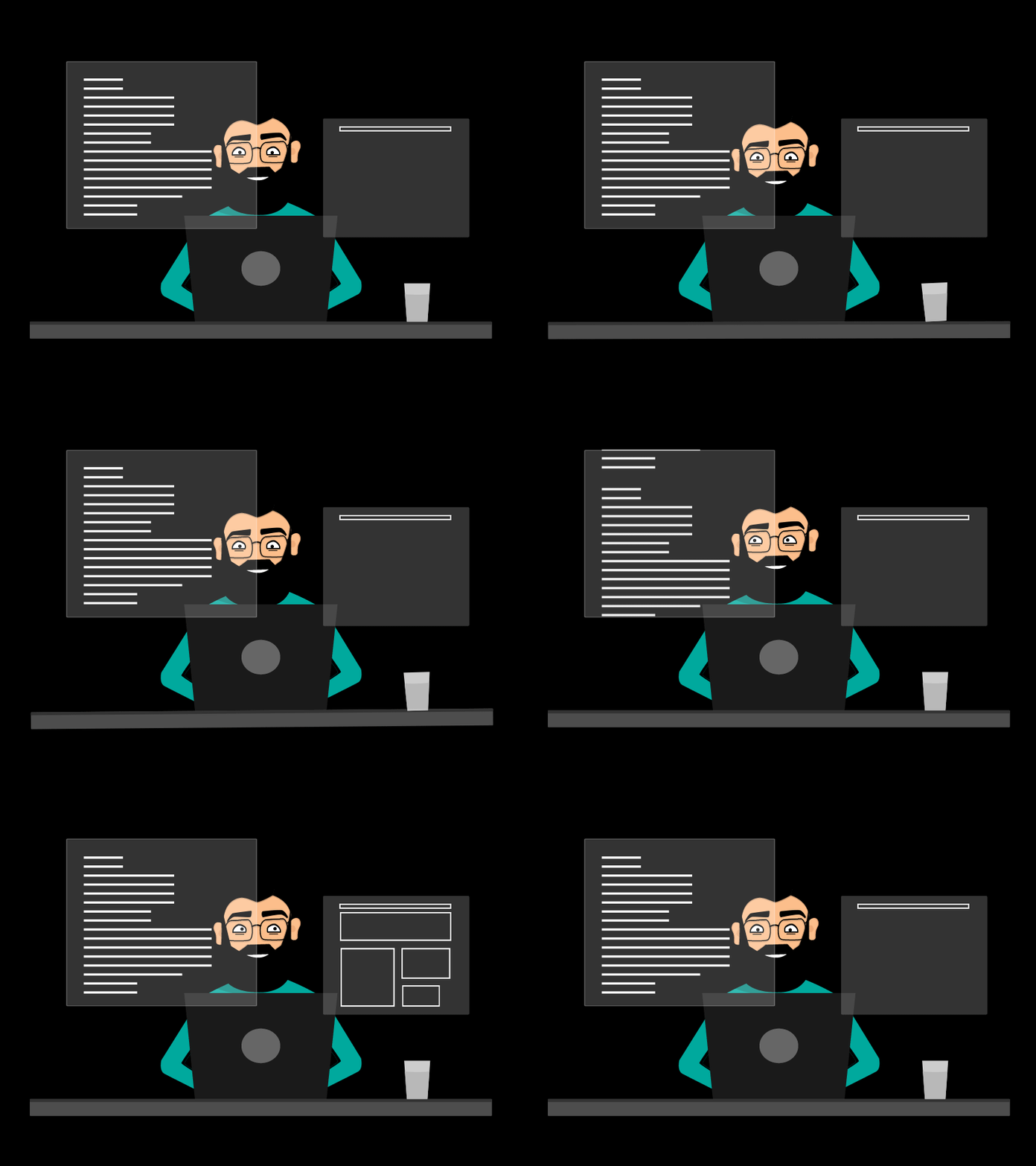
UI/UX Design Explained: Why It Matters More Than Ever

In today’s fast-paced digital world, users have endless options at their fingertips. Whether it’s a website, mobile app, or software platform, people expect seamless, intuitive, and enjoyable experiences. This is where UI/UX design plays a critical role.

UI (User Interface) and UX (User Experience) design are no longer just “nice-to-have” elements—they are essential for success. Businesses that ignore them risk losing users, while those that prioritize them gain a powerful competitive advantage.


What Is UI/UX Design?

UI and UX are closely related but serve different purposes:

  • User Interface (UI) Design focuses on the visual aspects—buttons, colors, typography, layouts, and overall look of a product.
  • User Experience (UX) Design focuses on how a user feels while interacting with the product—ease of use, navigation, accessibility, and overall satisfaction.

In simple terms:

  • UI is about how it looks.
  • UX is about how it works.

Together, they create a complete and meaningful digital experience.


Why UI/UX Design Matters More Than Ever

1. First Impressions Are Instant

Users form an opinion about a website or app within seconds. A cluttered or confusing interface can drive them away immediately. A clean and visually appealing UI, combined with smooth navigation, builds trust and encourages users to stay longer.


2. Enhances User Satisfaction

Good UX design ensures that users can achieve their goals quickly and easily. Whether it’s making a purchase, finding information, or completing a task, a well-designed experience reduces frustration and increases satisfaction.


3. Boosts Conversion Rates

A user-friendly design directly impacts business performance. Clear call-to-action buttons, simple forms, and intuitive navigation guide users toward desired actions—such as signing up or making a purchase—leading to higher conversion rates.


4. Builds Brand Loyalty

When users have a positive experience, they are more likely to return. Consistent UI elements and a smooth UX create familiarity, which builds trust and long-term loyalty.


5. Supports Mobile-First Experiences

With the majority of users accessing platforms via smartphones, responsive and mobile-friendly design is essential. UI/UX design ensures that digital products work seamlessly across different devices and screen sizes.


6. Reduces Development Costs

Investing in UX research and design early helps identify potential issues before development. Fixing problems at the design stage is much cheaper than making changes after the product is launched.


Key Elements of Effective UI/UX Design

  • Simplicity: Avoid unnecessary complexity. Keep interfaces clean and easy to use.
  • Consistency: Maintain uniform design patterns across the platform.
  • Accessibility: Ensure your product is usable by people with different abilities.
  • Feedback: Provide clear responses to user actions (e.g., loading indicators, confirmations).
  • User-Centered Design: Always design with the user’s needs and behavior in mind.

Latest UI/UX Trends in 2026

  • AI-Powered Personalization: Tailoring experiences based on user behavior
  • Voice and Gesture Interfaces: Reducing reliance on traditional input methods
  • Minimalist Design: Clean layouts with focus on usability
  • Dark Mode Optimization: Enhancing visual comfort
  • Microinteractions: Small animations that improve engagement

Conclusion

UI/UX design is no longer optional—it is a necessity in the digital age. A well-designed interface and a smooth user experience can make the difference between success and failure.

As competition grows and user expectations rise, businesses must invest in UI/UX design to stay relevant, attract users, and achieve long-term growth.

A Beginner’s Guide to Medical Coding: Skills, Scope, and Career Growth

Medical coding has become one of the most in-demand and stable careers in the healthcare industry. Even though medical coders work behind the scenes, their role is essential for hospitals, clinics, insurance companies, and healthcare providers. If you’re considering entering the field or simply want to understand what medical coding is all about, this beginner-friendly guide explains everything—skills, scope, responsibilities, and career growth prospects.


What Is Medical Coding?

Medical coding is the process of translating healthcare diagnoses, procedures, medical services, and equipment into standardized alphanumeric codes.
These codes come from major classification systems such as:

  • ICD (International Classification of Diseases)
  • CPT (Current Procedural Terminology)
  • HCPCS (Healthcare Common Procedure Coding System)

These codes ensure accurate billing, proper documentation, and streamlined communication between healthcare providers and insurance companies.


Why Medical Coding Is Important

Medical coding plays a crucial role in the healthcare system because it helps:

  • Ensure correct billing and reimbursement
  • Maintain accurate patient records
  • Reduce insurance fraud
  • Improve hospital data management
  • Enable proper analysis of healthcare trends

Without accurate coding, healthcare providers risk financial losses, incorrect patient records, and administrative confusion.


** Skills You Need to Become a Medical Coder**

1. Strong Knowledge of Medical Terminology

Understanding anatomy, physiology, and medical terms is essential for decoding patient information.

2. Attention to Detail

Accuracy is everything. Even a small mistake can lead to incorrect billing or denied claims.

3. Analytical Thinking

Coders must interpret patient charts, doctor notes, and medical reports correctly.

4. Computer Proficiency

You’ll work with electronic health records (EHRs), billing software, and coding tools daily.

5. Understanding of Coding Systems

Familiarity with ICD, CPT, and HCPCS codes is a must.

6. Confidentiality & Ethics

Coders handle sensitive patient information and must follow privacy laws like HIPAA.


Types of Medical Coding

1. ICD Coding

Used for diagnosing diseases and conditions.

2. CPT Coding

Used for medical procedures and treatments.

3. HCPCS Coding

Used for additional services, equipment, and supplies not covered under CPT.

Different healthcare settings may require different combinations of these coding systems.


Where Medical Coders Work

Medical coders have flexible job options across various environments:

  • Hospitals and clinics
  • Insurance companies
  • Diagnostic labs
  • Nursing homes
  • Government health departments
  • Medical billing companies
  • Telehealth organizations
  • Remote/Work-from-home setups

With the rise of digital healthcare, remote medical coding jobs are becoming increasingly common.


Career Growth and Scope in Medical Coding

The demand for medical coders is growing rapidly due to:

  • Increased digitization of healthcare
  • Expansion of insurance networks
  • Growing global aging population
  • Rising need for accurate medical records

Career paths include:

  • Medical Coder
  • Medical Billing Specialist
  • Coding Auditor
  • Coding Manager
  • Health Information Technician
  • Compliance Officer
  • Clinical Documentation Specialist

Certified coders earn higher salaries and enjoy better career opportunities. Common certifications include CPC, CCA, and CCS.


How to Start a Career in Medical Coding

1. Learn the Basics

Start with courses covering anatomy, medical terminology, and coding systems.

2. Choose a Training Program

Enroll in a certified medical coding program online or offline.

3. Get Certified

Certifications boost credibility and job prospects.

4. Practice with Real Cases

Gain hands-on experience with sample medical charts.

5. Apply for Entry-Level Positions

Look for internships, junior coder roles, or freelance opportunities.


Conclusion

Medical coding is a rewarding and future-proof career that offers stability, flexibility, and growth. Whether you want to work in a hospital or from the comfort of your home, this field provides countless opportunities. With the right skills and training, you can build a successful career and become an essential part of the healthcare system.

What Psychological Trick Changed Your Life?

Sometimes, life doesn’t change through big events—it changes through small shifts in how we think. A single psychological trick can reshape your mindset, habits, confidence, and even your relationships. These techniques are based on understanding how the brain works, and when applied consistently, they create long-lasting positive results.
In this blog, we explore some of the most powerful psychological tricks that can truly change your life.


1. The “2-Minute Rule” to Beat Procrastination

One of the simplest yet most transformative psychological hacks is the 2-minute rule. The idea is simple:
If a task takes less than two minutes, do it immediately.

Why it works:

  • It prevents small tasks from accumulating
  • It tricks your brain into building momentum
  • It reduces the mental load caused by pending work

Over time, this tiny habit turns into increased productivity and reduced stress.


2. Reframing: Change the Story, Change Your Life

Reframing means changing your perspective about a situation. Instead of focusing on what went wrong, you shift your viewpoint toward what you can learn or how it benefits you.

Example:
Instead of thinking, “I failed,” reframe it as, “I learned something valuable today.”

Reframing helps you:

  • Reduce anxiety
  • Handle challenges better
  • Stay emotionally strong

A simple shift in perspective can dramatically improve mental resilience.


3. The “Name Your Emotion” Trick

Emotional overload can cloud your thinking. One powerful psychological trick is to label what you’re feeling—for example, “I’m anxious,” “I’m frustrated,” or “I’m disappointed.”

Why it works:

  • Naming the emotion reduces its intensity
  • It allows your brain to switch from emotional reaction to logical thinking
  • You gain control instead of feeling overwhelmed

This trick is widely used in therapy because of its immediate impact on emotional clarity.


4. The Power of “Yet”

Adding one small word—“yet”—to your thoughts can completely transform your mindset.

For example:

  • “I can’t do this… yet.”
  • “I don’t understand this topic… yet.”

This psychological trick shifts you into a growth mindset, making challenges feel temporary and solvable. It boosts confidence and encourages continuous learning.


5. The “Assume Positive Intent” Technique

Misunderstandings and conflict often come from assuming negativity. Instead, assume the other person has positive or neutral intent.

Why this helps:

  • You respond calmer and kinder
  • You avoid unnecessary conflict
  • It improves communication and relationships

This trick makes you more empathetic and emotionally wise, especially in stressful situations.


6. The “10-10-10” Decision Rule

If you struggle with making decisions, try the 10-10-10 rule:
Ask yourself:

  • How will this decision affect me in 10 minutes?
  • In 10 months?
  • In 10 years?

This psychological tool creates clarity by separating short-term emotions from long-term impact. It prevents regret and helps you make thoughtful, balanced choices.


7. The “Act As If” Confidence Booster

Confidence doesn’t always come first—sometimes, it follows action.

The trick: Act as if you’re already confident, successful, or capable.

This influences your behavior and mindset by:

  • Reducing self-doubt
  • Making you take opportunities you’d normally avoid
  • Rewiring the brain through repetition

Your actions shape your identity. Act the part, and eventually, you become it.


8. Gratitude Shift: Focus on What’s Right

Writing down just three things you’re grateful for each day can transform your mental health.

Benefits:

  • Reduces stress
  • Improves sleep
  • Boosts happiness
  • Rewires the brain to notice positivity

A small daily habit creates a powerful long-term shift in emotional wellbeing.


Conclusion

The most life-changing psychological tricks are often the simplest ones. Whether it’s reframing your thoughts, acting confident, or applying the 2-minute rule, these techniques help you take control of your mind and your life.

How Genetic Engineering and Nanotechnology Are Transforming Our World

Science is evolving at an extraordinary pace, and two of the most powerful forces driving this transformation are genetic engineering and nanotechnology. These cutting-edge fields are reshaping the way we understand life, treat diseases, produce food, and develop new materials. From editing genes to designing microscopic machines, their impact is already visible—and the future promises even more groundbreaking advancements.


What Is Genetic Engineering?

Genetic engineering involves modifying the DNA of living organisms to achieve desired traits. Scientists can add, remove, or alter genes to improve health, enhance productivity, or eliminate harmful characteristics.

This technology has opened doors to:

  • Treating genetic disorders
  • Developing disease-resistant crops
  • Producing life-saving medicines like insulin

It allows humanity to go beyond natural limitations and directly influence biological processes.


What Is Nanotechnology?

Nanotechnology focuses on manipulating matter at an incredibly small scale—typically at the level of atoms and molecules. At this scale, materials behave differently, offering unique properties such as increased strength, reactivity, and conductivity.

Nanotechnology is used in:

  • Medicine (targeted drug delivery)
  • Electronics (smaller, faster devices)
  • Environmental protection (pollution control)

It enables innovations that were once thought impossible due to size limitations.


Revolutionizing Healthcare

One of the most significant impacts of these technologies is in the healthcare sector.

Genetic engineering helps in:

  • Identifying and correcting defective genes
  • Developing personalized medicine tailored to individual DNA
  • Advancing gene therapies for diseases like cancer

Nanotechnology enhances healthcare by:

  • Delivering drugs directly to affected cells, reducing side effects
  • Detecting diseases early using nanosensors
  • Assisting in minimally invasive surgeries

Together, they are making treatments more precise, efficient, and less harmful.


Transforming Agriculture and Food Production

Feeding a growing global population is a major challenge, and these technologies are providing solutions.

  • Genetic engineering creates crops that are more resistant to pests, diseases, and harsh weather conditions.
  • It also improves nutritional value, helping combat malnutrition.
  • Nanotechnology helps in smart fertilizers and pesticides, ensuring better crop yield with less environmental damage.

This combination leads to sustainable and efficient farming practices.


Advancing Industry and Technology

Industries are also benefiting from these innovations:

  • Nanotechnology is used to create stronger, lighter materials for construction and manufacturing.
  • It improves energy efficiency in batteries and solar panels.
  • Genetic engineering contributes to biofuels and environmentally friendly industrial processes.

These advancements are helping industries become more sustainable and cost-effective.


Environmental Impact and Sustainability

Both fields play a crucial role in protecting the environment:

  • Genetically engineered organisms can help clean oil spills and toxic waste.
  • Nanotechnology aids in water purification and air filtration systems.

By addressing pollution and resource management, these technologies support a greener future.


Ethical Concerns and Challenges

Despite their benefits, genetic engineering and nanotechnology raise important ethical and safety concerns:

  • Genetic manipulation may lead to unintended consequences in ecosystems
  • There are debates about “designer babies” and human enhancement
  • Nanoparticles may pose unknown health and environmental risks

Responsible use, strict regulations, and ongoing research are essential to ensure these technologies are used safely.


The Future Ahead

The future of genetic engineering and nanotechnology is incredibly promising. Scientists are working toward:

  • Curing previously untreatable diseases
  • Creating advanced nanorobots for medical use
  • Developing sustainable solutions for global challenges

As these technologies continue to evolve, they will play a key role in shaping a smarter, healthier, and more efficient world.


Conclusion

Genetic engineering and nanotechnology are not just scientific concepts—they are powerful tools transforming our everyday lives. From healthcare to agriculture and environmental protection, their influence is widespread and growing rapidly. While challenges remain, their potential to improve human life is undeniable. Embracing these innovations responsibly will define the future of our world.

Top Corporate Law Trends Shaping Businesses in 2026

Corporate law is evolving rapidly as businesses face new challenges in a digital, globalized, and highly regulated environment. In 2026, companies must stay updated with the latest legal trends to remain compliant, competitive, and secure.

From stricter regulations to the rise of digital governance, here are the key corporate law trends shaping businesses today.


1. Increased Focus on ESG Compliance

Environmental, Social, and Governance (ESG) factors are becoming central to corporate law. Governments and regulatory bodies are introducing stricter rules to ensure companies act responsibly.

Businesses are now expected to:

  • Reduce environmental impact
  • Maintain ethical labor practices
  • Ensure transparent governance

Failure to comply with ESG standards can lead to legal penalties and reputational damage.


2. Stronger Data Privacy and Protection Laws

With the rise of digital businesses, data protection has become a top priority. Laws are evolving to protect consumer data and ensure companies handle information responsibly.

Companies must:

  • Implement strong data security systems
  • Be transparent about data usage
  • Comply with local and international data protection regulations

Non-compliance can result in heavy fines and legal action.


3. Rise of Digital and Cyber Law Integration

As cyber threats increase, corporate law is closely integrating with cybersecurity. Businesses must now adopt legal frameworks to protect digital assets and sensitive information.

This includes:

  • Cybersecurity compliance policies
  • Incident response plans
  • Legal risk management for data breaches

4. Growth of Remote Work Regulations

The shift toward remote and hybrid work models has created new legal challenges. Corporate laws are adapting to address issues like:

  • Employee rights in remote settings
  • Workplace safety outside traditional offices
  • Cross-border employment regulations

Companies must ensure compliance while managing a distributed workforce.


5. Increased Corporate Transparency

Regulators are demanding greater transparency in business operations. Companies are required to disclose more information about:

  • Financial performance
  • Ownership structures
  • Risk management practices

Transparency builds trust with investors and stakeholders while reducing legal risks.


6. Expansion of Global Compliance Requirements

As businesses expand globally, they must comply with laws across multiple jurisdictions. This increases the complexity of corporate law.

Key challenges include:

  • Understanding international regulations
  • Managing cross-border taxation
  • Handling legal disputes in different countries

Global compliance is now a critical part of business strategy.


7. Adoption of Legal Technology (LegalTech)

Technology is transforming how legal processes are managed. LegalTech tools are helping companies automate and streamline legal operations.

Examples include:

  • Contract management software
  • AI-powered legal research
  • Compliance tracking systems

This reduces costs and improves efficiency in handling legal matters.


8. Focus on Corporate Ethics and Accountability

Businesses are under increasing pressure to act ethically. Corporate law is emphasizing accountability at all levels of the organization.

Companies must:

  • Prevent fraud and corruption
  • Promote ethical leadership
  • Establish clear compliance policies

Ethical practices are now directly linked to long-term success.


Final Thoughts

Corporate law in 2026 is no longer just about rules and regulations—it’s about enabling sustainable and responsible business growth. Companies that stay ahead of these trends will not only avoid legal risks but also build stronger relationships with customers, investors, and stakeholders.

The Future of Business Analytics: What to Expect in the Next Decade

Business analytics has already transformed how organizations operate, helping them make smarter, data-driven decisions. As technology continues to evolve, the next decade promises even more exciting advancements. From artificial intelligence to real-time insights, business analytics is set to become more powerful, accessible, and essential than ever before.

Let’s explore what the future holds for business analytics.


1. Rise of Artificial Intelligence and Machine Learning

Artificial Intelligence (AI) and Machine Learning (ML) will play a major role in shaping business analytics. These technologies can analyze vast amounts of data faster and more accurately than humans.

In the future, businesses will rely on AI-powered analytics tools to:

  • Predict customer behavior
  • Automate decision-making processes
  • Identify patterns and trends instantly

This will reduce human effort and increase efficiency across industries.


2. Real-Time Data Analytics Will Become the Norm

Today, many businesses rely on historical data. However, the future will focus on real-time analytics, allowing companies to make decisions instantly.

For example:

  • Retailers can adjust prices dynamically
  • Banks can detect fraud immediately
  • E-commerce platforms can personalize user experiences in real time

Real-time insights will give companies a significant competitive advantage.


3. Increased Use of Predictive and Prescriptive Analytics

Business analytics is moving beyond descriptive analysis (what happened) to:

  • Predictive analytics (what will happen)
  • Prescriptive analytics (what should be done)

In the next decade, companies will use advanced algorithms to forecast outcomes and recommend actions, leading to smarter and faster decision-making.


4. Data Democratization

Data will no longer be limited to data scientists or IT teams.
With user-friendly dashboards and tools, employees across all departments will be able to access and understand data.

This trend, known as data democratization, will:

  • Improve collaboration
  • Enable faster decisions
  • Empower non-technical users

5. Growth of Cloud-Based Analytics

Cloud computing will continue to drive the future of business analytics. Cloud-based platforms allow businesses to store and process large volumes of data without heavy infrastructure costs.

Benefits include:

  • Scalability
  • Cost efficiency
  • Remote accessibility
  • Enhanced data security

As more companies adopt cloud solutions, analytics will become more flexible and powerful.


6. Focus on Data Privacy and Security

With increasing data usage comes greater responsibility.
Governments and organizations will enforce stricter data privacy regulations to protect user information.

Businesses will need to:

  • Implement strong cybersecurity measures
  • Ensure compliance with data protection laws
  • Build trust with customers

Data ethics will become just as important as data analysis.


7. Integration of Analytics with Everyday Tools

In the future, business analytics will be seamlessly integrated into everyday business tools such as CRM systems, marketing platforms, and productivity apps.

This means:

  • No need for separate analytics software
  • Instant insights within workflows
  • Better decision-making at every level

8. Growing Demand for Skilled Professionals

As business analytics becomes more important, the demand for skilled professionals will rise significantly.

Key skills in demand will include:

  • Data analysis and visualization
  • Knowledge of tools like Power BI, Tableau, and Python
  • Critical thinking and problem-solving
  • Understanding of business strategies

This makes business analytics a promising career path for the future.


Final Thoughts

The future of business analytics is bright and full of opportunities. As technologies like AI, real-time analytics, and cloud computing continue to evolve, businesses will become more data-driven than ever before.

Stock Market Myths That Beginners Need to Stop Believing

The stock market is one of the most powerful ways to build wealth, yet many beginners hesitate because of common misconceptions. These myths often create fear, confusion, and unrealistic expectations. If you’re just getting started, understanding the truth behind these myths can help you make smarter investment decisions.

Here are the top stock market myths you must stop believing today.


Myth 1: “Investing in the stock market is the same as gambling.”

This is one of the biggest misconceptions. Gambling is based mostly on luck, while stock market investing relies on research, analysis, and long-term strategy.
When you buy stock, you’re purchasing a share of a real business that has revenue, assets, and growth potential. Unlike gambling, you have control over your risk through diversification and informed decisions.


Myth 2: “You need a lot of money to start investing.”

Thanks to modern investing platforms, you can start with as little as ₹100 or $10.
Fractional shares, SIPs, and low-cost index funds make investing accessible to everyone. What matters most is consistency, not a big initial amount.


Myth 3: “The stock market is too risky.”

All investments involve risk—but risk doesn’t mean danger.
Stock market risk can be reduced through methods like:

  • Diversification
  • Long-term investing
  • Avoiding emotional decisions
  • Understanding company fundamentals

In fact, historically, the stock market has delivered higher long-term returns than most other investment options.


Myth 4: “You must be an expert to invest.”

You don’t need to be a financial expert to start.
Beginner-friendly tools like index funds, ETFs, robo-advisors, and educational resources make it easy to learn and invest gradually. Many successful investors started with zero experience.


Myth 5: “Buy low, sell high is the only rule.”

While the concept sounds simple, timing the market is nearly impossible even for professionals.
A better approach is:

  • Invest regularly
  • Hold quality stocks long-term
  • Avoid emotional selling during market dips

This strategy, called rupee-cost averaging or dollar-cost averaging, often provides steadier growth.


Myth 6: “Market crashes mean you will lose everything.”

Crashes are scary, but they’re a normal part of market cycles.
History shows that markets always recover and go on to reach new highs.
Smart investors use crashes as opportunities to buy quality stocks at a discount.


Myth 7: “High returns mean the investment is good.”

A stock that rises quickly can also fall quickly.
Instead of chasing high returns, focus on:

  • Company fundamentals
  • Management quality
  • Long-term growth potential
  • Stability and consistency

Steady, sustainable growth is far more reliable.


Final Thoughts

The stock market becomes much easier to understand when you let go of common myths. Investing is not about luck or perfect timing—it’s about patience, strategy, and continuous learning.

The Role of HR in Building a Positive Work Culture

A positive work culture is the foundation of any successful organization. It influences employee satisfaction, productivity, and overall business growth. At the heart of building and maintaining this culture is the Human Resources (HR) department. HR professionals are not just responsible for hiring and payroll—they play a crucial role in shaping the workplace environment.

Let’s explore how HR contributes to building a positive work culture.


1. Hiring the Right People

A strong work culture begins with hiring employees who align with the company’s values and vision. HR ensures that candidates are not only skilled but also a good cultural fit.

By focusing on both talent and attitude, HR builds a team that collaborates well and contributes positively to the workplace.


2. Creating Clear Policies and Values

HR is responsible for establishing company policies, mission statements, and core values. These guidelines help employees understand:

  • Expected behavior
  • Workplace ethics
  • Organizational goals

Clear policies create consistency, fairness, and transparency across the organization.


3. Promoting Open Communication

Effective communication is key to a healthy work environment. HR encourages open dialogue between employees and management by:

  • Organizing feedback sessions
  • Conducting surveys
  • Implementing open-door policies

This ensures that employees feel heard, valued, and respected.


4. Enhancing Employee Engagement

Engaged employees are more productive and committed to their work. HR drives engagement through:

  • Team-building activities
  • Recognition programs
  • Employee wellness initiatives

These efforts create a sense of belonging and motivation among employees.


5. Supporting Learning and Development

HR plays a major role in employee growth by providing training and development opportunities. This includes:

  • Skill development programs
  • Workshops and seminars
  • Career advancement planning

When employees feel they are growing, they are more satisfied and loyal to the organization.


6. Ensuring Fairness and Inclusion

A positive work culture is inclusive and respectful. HR ensures:

  • Equal opportunities for all employees
  • Fair treatment regardless of background
  • A safe and harassment-free workplace

Diversity and inclusion not only improve culture but also drive innovation.


7. Managing Conflict Effectively

Conflicts are inevitable in any workplace. HR acts as a mediator to resolve issues professionally and fairly.

By addressing problems quickly and transparently, HR helps maintain harmony and trust within teams.


8. Recognizing and Rewarding Employees

Recognition is a powerful motivator. HR designs reward systems that appreciate employees’ efforts, such as:

  • Bonuses and incentives
  • Employee of the month programs
  • Public recognition

Appreciation boosts morale and encourages high performance.


9. Encouraging Work-Life Balance

HR promotes a healthy balance between work and personal life by introducing:

  • Flexible working hours
  • Remote work options
  • Mental health support

A balanced workforce is happier, healthier, and more productive.


Conclusion

Human Resources plays a vital role in shaping a positive work culture. From hiring the right people to fostering engagement, ensuring fairness, and promoting growth, HR acts as the backbone of a healthy workplace.

How to Build Wealth: Proven Financial Strategies

Building wealth isn’t about luck — it’s about discipline, strategy, and making smart financial decisions consistently. Whether you’re just starting your financial journey or looking to strengthen your long-term wealth, the right strategies can help you achieve financial freedom.

Here’s a simple and practical guide to building wealth effectively.


1. Start with a Clear Financial Plan

Every wealth-building journey begins with a plan. Define your:

  • Short-term goals (buying a gadget, clearing small debt)
  • Mid-term goals (buying a car, starting a business)
  • Long-term goals (retirement, buying a house)

A clear plan helps you stay focused and motivated while making better financial decisions.


2. Build Strong Saving Habits

Savings lay the foundation for wealth. Adopt these practices:

  • Follow the 50-30-20 budget rule
  • Save a fixed percentage of your income every month
  • Automate your savings
  • Maintain an emergency fund (3–6 months of expenses)

Consistent saving creates a safety net and gives you capital to invest.


3. Invest Early and Consistently

Investing is one of the most powerful ways to grow wealth. Start early and invest regularly in:

  • Stocks
  • Mutual funds
  • Index funds
  • Bonds
  • Real estate

The longer your money remains invested, the more it benefits from compound growth.


4. Diversify Your Investments

Never rely on one investment source. Spread your investments across different asset classes to reduce risk. A diversified portfolio protects your money during market fluctuations and ensures steady growth.


5. Increase Your Income Streams

Relying on a single income source limits your wealth potential. Consider creating additional streams such as:

  • Freelancing
  • Side businesses
  • Dividend-paying stocks
  • Rental properties
  • Digital products

Multiple income streams accelerate wealth-building and provide financial stability.


6. Reduce and Manage Debt Wisely

Loans and credit card debt can slow down your financial growth. Focus on:

  • Paying off high-interest debt first
  • Avoiding unnecessary loans
  • Using credit cards responsibly

Lower debt equals higher savings and more investment potential.


7. Improve Your Financial Knowledge

Financial literacy is essential. Learn about:

  • Investing
  • Taxes
  • Budgeting
  • Retirement planning

The more you know, the better financial decisions you can make.


8. Protect Your Wealth

As your wealth grows, protect it through:

  • Insurance (health, life, property)
  • Smart tax planning
  • Long-term financial planning

Protection ensures you don’t lose money due to unexpected events.


9. Stay Consistent and Patient

Wealth-building is a long-term journey. Stay consistent with your savings and investments, avoid emotional financial decisions, and be patient. Over time, discipline leads to significant financial growth.


Conclusion

Building wealth is completely achievable with the right mindset and strategies. By saving wisely, investing early, diversifying your income, and staying committed to your financial plan, you can secure a brighter, financially independent future.

Why Digital Marketing Is Essential for Every Business Today

In today’s fast-paced, technology-driven world, businesses can no longer rely solely on traditional marketing methods. With the rise of the internet and smartphones, digital platforms have become the primary way consumers discover, evaluate, and interact with brands. This shift has made digital marketing not just an option, but a necessity for every business.

Let’s explore why digital marketing is essential in today’s business landscape.


1. Wider Reach and Global Audience

Digital marketing allows businesses to reach a global audience without the limitations of physical boundaries. Whether you run a small startup or a large enterprise, you can connect with customers across cities, countries, and even continents.

Platforms like search engines, social media, and websites help businesses expand their reach far beyond local markets, opening up new opportunities for growth.


2. Cost-Effective Marketing Solution

Compared to traditional marketing methods like TV, radio, or print ads, digital marketing is much more affordable. Small businesses, in particular, benefit from low-cost strategies such as:

  • Social media marketing
  • Email campaigns
  • Content marketing
  • Search engine optimization (SEO)

These methods deliver high returns on investment (ROI) without requiring huge budgets.


3. Targeted Audience Engagement

One of the biggest advantages of digital marketing is precise targeting. Businesses can tailor their campaigns based on:

  • Age
  • Location
  • Interests
  • Online behavior

This ensures that marketing efforts are directed toward the right audience, increasing the chances of conversion and customer satisfaction.


4. Measurable Results and Analytics

Unlike traditional marketing, digital marketing provides real-time data and insights. Businesses can track:

  • Website traffic
  • Click-through rates
  • Conversion rates
  • Customer behavior

This data helps in making informed decisions and improving strategies continuously for better performance.


5. Builds Brand Awareness and Credibility

A strong online presence helps build brand recognition and trust. When customers frequently see your business on search engines, social media, or ads, they are more likely to trust your brand.

Consistent content, positive reviews, and engaging communication all contribute to building a credible image.


6. Better Customer Interaction

Digital marketing enables direct interaction between businesses and customers. Through platforms like social media, chatbots, and emails, companies can:

  • Respond to queries instantly
  • Gather feedback
  • Build relationships

This level of engagement helps in improving customer experience and loyalty.


7. Keeps You Competitive

In today’s competitive market, businesses that ignore digital marketing risk falling behind. Your competitors are already online, reaching customers and building their presence.

To stay relevant and competitive, having a strong digital marketing strategy is essential.


8. Supports Business Growth

Digital marketing is scalable. As your business grows, your marketing strategies can evolve accordingly. Whether it’s increasing ad budgets, expanding to new platforms, or launching new campaigns, digital marketing adapts to your business needs.


Conclusion

Digital marketing has become the backbone of modern business success. It offers unmatched reach, affordability, targeting, and measurable results—making it an indispensable tool for growth.

Form submitted! Our team will reach out to you soon.
0
    0
    Your Cart
    Your cart is emptyReturn to Course