
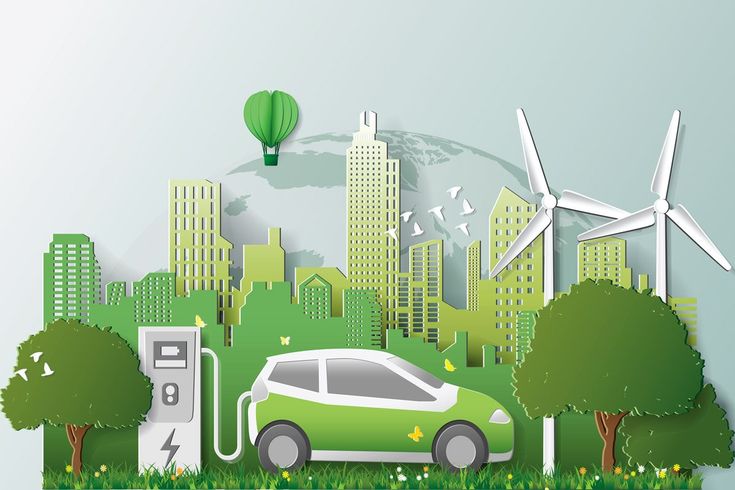
The automobile industry is undergoing its biggest transformation in over a century. As concerns about climate change, rising fuel costs, and sustainable living grow, hybrid and electric vehicles (EVs) have taken center stage. What started as a niche technology has now become a global shift—changing how cars are built, powered, and experienced. From improved battery technology to government incentives, the rise of hybrid and electric vehicles is shaping the future of mobility.
1. A Shift Toward Sustainable Mobility
Hybrid and electric vehicles are becoming essential tools in the fight against pollution and carbon emissions. Unlike traditional cars powered solely by internal combustion engines, these modern vehicles offer cleaner alternatives.
Why this shift matters:
- Reduced greenhouse gas emissions
- Lower air pollution in cities
- Increased energy efficiency
- A long-term solution to global fuel dependency
This shift isn’t just technological—it’s environmental.
2. Advancements in Battery Technology
One of the biggest drivers behind the rise of EVs is rapid improvement in battery technology. Today’s batteries are more affordable, powerful, and durable than ever before.
Key advancements include:
- Longer driving ranges
- Faster charging times
- Lower battery production costs
- Enhanced durability and safety
These innovations make EVs more accessible to the average consumer.
3. Government Policies & Incentives
Governments around the world are encouraging the transition to hybrid and electric vehicles through regulations and financial benefits.
Common incentives include:
- Tax credits or subsidies
- Reduced registration fees
- Special parking privileges
- Lower toll fees
- Development of public charging infrastructure
Stricter emission norms are also pushing manufacturers to embrace cleaner technologies.
4. Lower Cost of Ownership
While the initial price of hybrid and electric vehicles can be higher, the long-term savings often outweigh the upfront cost.
Cost advantages include:
- Lower fuel expenses
- Reduced maintenance (fewer moving parts)
- Longer component lifespans
- Decreasing battery prices
For many buyers, the long-term affordability makes EVs and hybrids a smart financial decision.
5. Enhanced Driving Experience
Hybrid and electric vehicles offer smooth, quiet, and responsive driving experiences. With instant torque and refined engineering, EVs often outperform traditional cars in acceleration and handling.
Popular features include:
- Quiet electric motors
- Regenerative braking
- Advanced digital dashboards
- Smart energy management systems
Drivers experience innovation, comfort, and efficiency all at once.
6. Auto Manufacturers Are Reinventing Themselves
Automakers are redesigning factories, investing in research, and building new product lines to meet rising demand. Many are shifting their vision from fuel-based to electric-first strategies.
This shift is creating:
- New job opportunities
- Fresh collaborations between tech and auto companies
- Global competition in EV innovation
- Rapid advancements in charging networks
The entire ecosystem is evolving—not just the vehicles.
7. Charging Infrastructure Is Expanding Rapidly
Charging networks are growing worldwide. From highway fast-chargers to home charging systems, accessibility is improving every year.
Infrastructure developments include:
- Ultra-fast charging stations
- More public chargers in urban areas
- Smart home chargers
- Renewable-powered charging solutions
Convenience is no longer a barrier for many EV users.
Conclusion
The rise of hybrid and electric vehicles marks a revolutionary shift in the auto industry. What was once an experimental technology is now the foundation of future transportation. With declining costs, stronger policies, rapid technological innovation, and rising consumer interest, hybrid and electric vehicles are not just transforming the auto industry—they’re shaping a cleaner, smarter world.


