What Makes Web Development So Difficult to Learn?

Web development is one of the most in-demand and rewarding tech careers today. From building beautiful websites to developing complex web applications, it combines creativity, logic, and problem-solving. Yet, many beginners quickly realize that learning web development isn’t as easy as it seems. With so many languages, frameworks, and tools to master, the journey can feel overwhelming.

So, what exactly makes web development so difficult to learn? Let’s break it down.


1. Too Many Technologies to Learn

One of the biggest challenges for beginners is the sheer number of technologies involved in web development. It’s not just about learning HTML and CSS anymore. A modern web developer needs to understand:

  • Front-end: HTML, CSS, JavaScript, frameworks like React, Angular, or Vue.

  • Back-end: Node.js, Python, PHP, or Java.

  • Databases: MySQL, MongoDB, or PostgreSQL.

  • Tools: Git, npm, APIs, and cloud services.

Keeping up with so many moving parts—and knowing how they fit together—can be daunting, especially for beginners without a technical background.


2. Rapidly Changing Technology

Web technologies evolve at a lightning-fast pace. What’s popular today might become outdated within a year. Frameworks, libraries, and tools are constantly updated, meaning developers must keep learning continuously to stay relevant.
This never-ending learning curve can be intimidating and exhausting, especially for those just starting out.


3. Complexity of Front-End Development

At first glance, front-end development seems simple—you just design how a website looks, right? But in reality, it involves a complex mix of coding, design, and user experience (UX) principles.
You need to understand responsive layouts, browser compatibility issues, performance optimization, and accessibility. Making a site that looks great and works perfectly on every device and browser is much harder than it sounds.


4. Debugging and Problem Solving

Even experienced developers spend a large portion of their time debugging. One missing semicolon or mismatched tag can break an entire webpage. Learning how to read error messages, test code efficiently, and track down bugs requires patience and persistence.
For beginners, this can be frustrating and often leads to burnout or giving up early.


5. Combining Design and Logic

Web development demands both creative and analytical skills. You’re expected to design visually appealing interfaces while also writing efficient, functional code behind the scenes.
Balancing these two aspects—art and logic—can be challenging for learners who are stronger in one area than the other. It takes time to develop both skill sets and understand how they complement each other.


6. Lack of Structured Learning Path

Unlike some subjects that follow a clear syllabus, web development doesn’t have a single “right way” to learn. Online tutorials, YouTube videos, and courses all teach different stacks and approaches.
This lack of structure can leave beginners confused about where to start or what to focus on. Many jump between topics without building a solid foundation, leading to slow progress.


7. Building Real Projects Takes Time

You can watch tutorials for weeks, but the real learning happens when you start building actual projects. Unfortunately, this is where most learners struggle—applying theory to practice.
Creating a responsive website, connecting databases, or deploying an app involves countless small details that can only be learned through experience. The process is time-consuming and requires persistence.


8. Imposter Syndrome and Comparison

Because web development communities are so large, beginners often compare themselves to experienced developers and feel inadequate. This imposter syndrome can discourage learners from continuing their journey.
However, every developer was once a beginner, and progress in this field comes through consistent practice and patience.


Conclusion

Web development is challenging not because it’s impossible—but because it’s multifaceted and constantly evolving. It requires dedication, curiosity, and a willingness to learn continuously. The initial learning curve can be steep, but once you overcome it, the rewards are immense—both in creativity and career growth.

Is Robotics a Good Branch of Engineering?

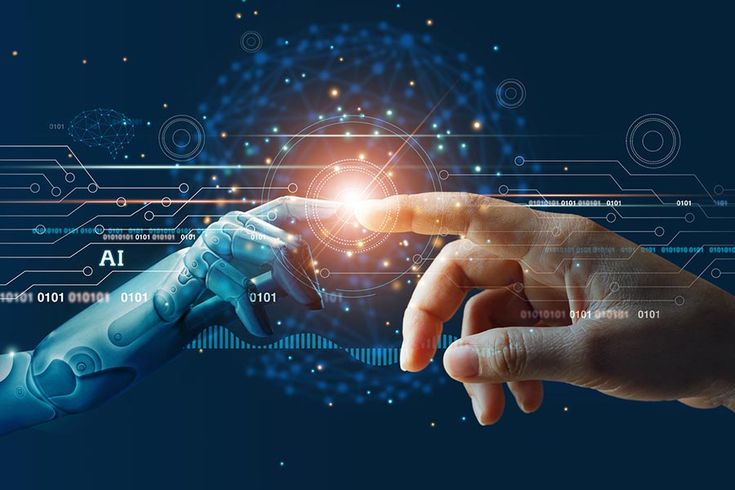
In today’s rapidly evolving technological world, robotics has emerged as one of the most exciting and future-driven branches of engineering. With automation and artificial intelligence (AI) reshaping industries, the field of robotics is no longer just about building machines—it’s about creating intelligent systems that can think, adapt, and assist humans in countless ways. But is robotics really a good branch of engineering to pursue? Let’s explore what makes it such a promising and rewarding career path.


1. Robotics Is the Future of Technology

Robotics engineering sits at the intersection of mechanical, electrical, and computer engineering, making it one of the most interdisciplinary fields. From manufacturing and healthcare to defense and space exploration, robots are revolutionizing the way we live and work.
As industries increasingly adopt automation, the demand for robotics engineers is expected to grow exponentially, ensuring long-term career opportunities for those entering the field.


2. Wide Range of Career Opportunities

A degree in robotics doesn’t limit you to one industry. You can work in:

  • Manufacturing automation – designing robotic arms and assembly systems.

  • Healthcare – developing surgical robots and rehabilitation devices.

  • Agriculture – creating autonomous farming machines.

  • Defense and aerospace – designing drones and robotic vehicles.

  • AI and research labs – advancing machine learning and computer vision technologies.

This versatility makes robotics engineering one of the most dynamic and adaptable branches of modern engineering.


3. High Demand and Attractive Salaries

Robotics engineers are in high demand worldwide, especially in countries investing heavily in automation, such as the U.S., Germany, Japan, and India. Because it’s a specialized skill set that combines coding, electronics, and mechanical design, salaries are well above average compared to other engineering fields.
For instance, skilled robotics engineers often earn between ₹6 LPA to ₹20 LPA in India, and internationally, salaries can exceed $100,000 annually, depending on experience and expertise.


4. Contribution to Society and Innovation

Robotics is not just about building machines—it’s about solving real-world problems. Robots help perform tasks that are too dangerous, repetitive, or complex for humans. Whether it’s assisting doctors in surgeries, exploring Mars, or cleaning up hazardous environments, robotics engineers are making a positive impact on humanity.
This sense of purpose and innovation makes the field deeply rewarding for those passionate about creating meaningful technology.


5. Perfect Blend of Creativity and Technology

Robotics allows engineers to combine imagination with technical expertise. It challenges you to think creatively about mechanical design, problem-solving, and software integration. If you enjoy coding, electronics, and hands-on experimentation, robotics offers the ideal balance between creativity and engineering logic.


6. Robotics and AI: A Powerful Combination

The future of robotics is being shaped by artificial intelligence. Intelligent robots can now learn from data, make decisions, and adapt to new environments. By studying robotics, you’ll also gain exposure to AI, machine learning, and data analytics, giving you an edge in the broader tech landscape.
This combination opens doors to roles like AI roboticist, automation engineer, or machine learning engineer—careers that will dominate the next generation of technology.


7. Challenges and Skills Required

While robotics is a promising field, it is also challenging and competitive. You need strong foundations in:

  • Mathematics and physics

  • Programming languages (Python, C++, ROS)

  • Electronics and control systems

  • Mechanical design and CAD tools

Continuous learning and hands-on projects are key to staying relevant in this fast-evolving domain.


Conclusion

Yes, robotics is an excellent branch of engineering—not just for the opportunities it offers, but for the excitement and creativity it brings. It’s ideal for students who are curious, innovative, and passionate about building intelligent machines that can change the world.

Why Is the Bayraktar TB-2 Drone Engine Placed in the Tail?

The Bayraktar TB-2, a Turkish-made unmanned combat aerial vehicle (UCAV), has gained global attention for its impressive performance in modern warfare. One of the unique design features of this drone is its rear-mounted (tail) engine — a decision that may seem unusual compared to many aircraft designs where engines are typically located in the front or on the wings. However, this placement is a carefully considered engineering choice that enhances the drone’s efficiency, stability, and operational effectiveness.

Let’s explore the key reasons why the Bayraktar TB-2’s engine is positioned in the tail section.


1. Improved Aerodynamic Efficiency

The rear-mounted engine design helps maintain a cleaner aerodynamic profile at the front of the drone. Without a bulky engine or propeller obstructing the airflow, the TB-2 achieves smoother air movement over its fuselage, reducing drag and enhancing flight stability. This streamlined configuration contributes to longer endurance and better fuel efficiency, both critical for long surveillance or strike missions.


2. Enhanced Sensor and Camera Performance

The Bayraktar TB-2 is primarily used for surveillance, reconnaissance, and precision strikes, relying on high-resolution cameras and sensors mounted in its nose section. Placing the engine and propeller at the back ensures that the front section remains unobstructed, providing a clear field of view for these sensors.
This layout prevents vibration and propeller interference from distorting camera feeds, allowing the drone to capture stable and accurate imagery during reconnaissance missions.


3. Reduced Propeller Interference with Payload Delivery

In combat operations, the TB-2 often carries laser-guided munitions mounted beneath its wings. A rear engine prevents propeller turbulence from affecting the release and trajectory of these payloads. By keeping the front and lower sections clear, the drone can safely deploy weapons without aerodynamic disruptions or risk of collision with the propeller.


4. Better Cooling and Safety

The tail-mounted configuration provides more space for efficient cooling of the engine. Air inlets positioned near the rear can manage heat dissipation effectively while minimizing the risk of overheating other sensitive components in the drone’s body.
Additionally, keeping the hot engine at the back reduces thermal interference with front-mounted electronics and ensures safer operations in high-temperature environments.


5. Balanced Weight Distribution and Stability

By placing the heavy engine at the back, designers achieve a balanced center of gravity, crucial for maintaining stable flight characteristics. This configuration allows the TB-2 to handle the weight of payloads and sensors at the front without compromising aerodynamic stability. As a result, the drone maintains steady flight even under variable load conditions.


6. Noise Reduction for Stealth Operations

A rear propeller design naturally pushes noise backward, away from the direction of flight. This setup makes the TB-2 quieter when approaching targets, which is advantageous for surveillance and reconnaissance missions that require a degree of stealth. Reduced acoustic detection improves the drone’s survivability during sensitive operations.


Conclusion

The tail-mounted engine of the Bayraktar TB-2 isn’t just an aesthetic choice — it’s a strategic engineering decision that enhances performance, endurance, safety, and stealth. By placing the engine in the rear, designers have maximized aerodynamic efficiency, improved camera visibility, and optimized payload handling.

What Are the Major Benefits of AR/VR Technologies?

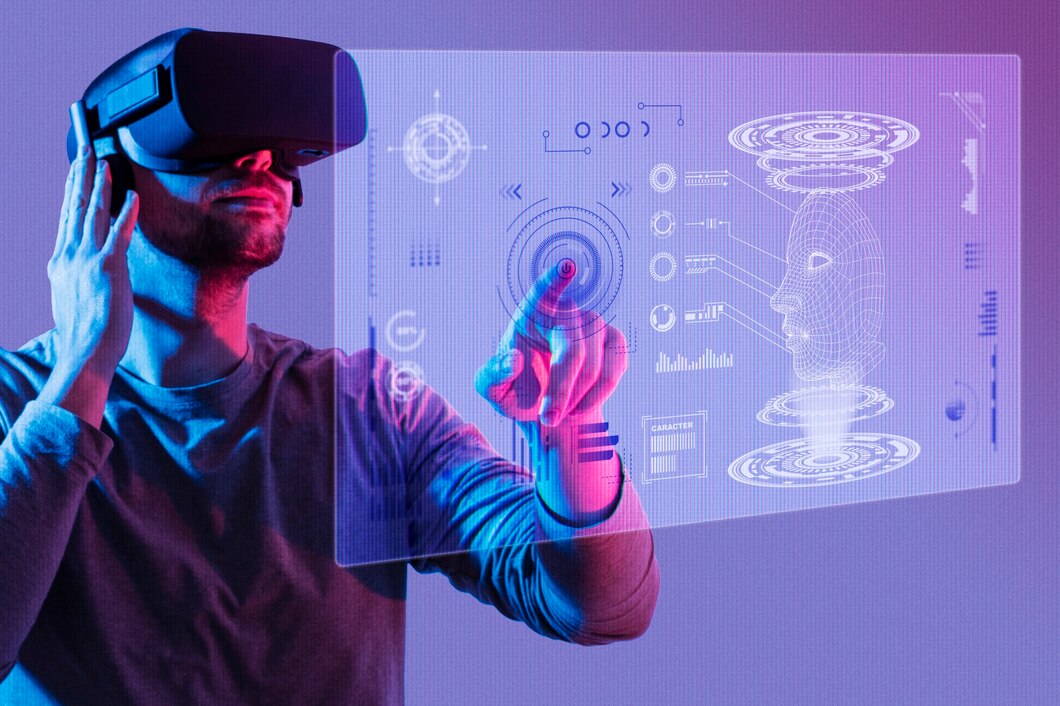
Augmented Reality (AR) and Virtual Reality (VR) are no longer futuristic concepts—they’re transforming how we learn, work, shop, and interact. These immersive technologies bridge the gap between the digital and physical worlds, offering experiences that are engaging, efficient, and innovative. From gaming and education to healthcare and real estate, AR and VR are redefining the way we see and experience reality.

Here are the major benefits of AR/VR technologies across different fields.


1. Enhanced Learning and Training

One of the biggest advantages of AR and VR is their ability to make learning interactive and practical.

  • In education, students can explore complex subjects like human anatomy, space, or history through immersive simulations.

  • In professional training, industries such as aviation, medicine, and the military use VR to simulate real-world scenarios—allowing trainees to practice safely without real-life risks.

This hands-on approach improves understanding, memory retention, and confidence.


2. Immersive Customer Experiences

AR and VR have revolutionized how businesses engage with their customers.

  • In retail, AR allows shoppers to virtually “try on” clothes, glasses, or furniture before making a purchase.

  • In real estate, VR offers 3D tours of properties, enabling buyers to explore spaces remotely.

These experiences increase customer satisfaction, reduce return rates, and make decision-making more convenient.


3. Improved Design and Prototyping

In fields like architecture, engineering, and product design, AR/VR technologies enable designers to visualize concepts in 3D before they are built.
Designers can walk through virtual buildings, test ergonomics, and refine every detail without costly mistakes. This not only speeds up the design process but also enhances creativity and precision.


4. Remote Collaboration

With the rise of remote work, AR and VR have made virtual collaboration more effective.
Teams can meet in a shared virtual environment, brainstorm ideas, and manipulate 3D models in real-time—regardless of location. This boosts productivity, communication, and teamwork in industries like tech, manufacturing, and design.


5. Therapeutic and Healthcare Applications

VR is playing a growing role in mental health and medical treatment.

  • It’s used for pain management, exposure therapy, and rehabilitation exercises.

  • AR assists surgeons by overlaying digital information on a patient during operations, improving accuracy and reducing risks.

These technologies help improve patient outcomes and make healthcare more personalized and effective.


6. Entertainment and Gaming Revolution

AR and VR have transformed entertainment. VR gaming offers a fully immersive environment where players feel part of the story, while AR games like Pokémon Go blend reality and fantasy seamlessly. The entertainment industry continues to push boundaries with these technologies, creating unforgettable interactive experiences.


7. Increased Accessibility and Inclusivity

AR and VR can make experiences more accessible to people with disabilities.
For instance, VR environments can provide safe spaces for therapy or mobility training, while AR tools can assist with visual or auditory limitations. By making digital environments adaptive, these technologies promote inclusivity and equal access.


8. Marketing and Brand Engagement

Brands use AR filters, immersive ads, and VR campaigns to engage audiences in exciting ways.
These interactive experiences create emotional connections with customers, making marketing more memorable and impactful compared to traditional methods.


Final Thoughts

AR and VR technologies are transforming the way we live, learn, and connect. Their ability to create immersive, interactive, and personalized experiences opens doors to innovation in every industry—from education and healthcare to entertainment and business.

What Qualities Should a Fashion Designer Develop?

Fashion design is more than just sketching outfits or following trends—it’s about expressing creativity, understanding people, and bringing imagination to life through fabric and form. To stand out in this dynamic industry, a fashion designer needs more than just technical skills. The right mindset, attitude, and qualities can turn a designer into a visionary.

Here are the key qualities every aspiring fashion designer should develop.


1. Creativity and Imagination

At the heart of fashion design lies creativity. A great designer must think beyond the ordinary—transforming simple ideas into striking designs. Creativity allows you to innovate, experiment with textures, and introduce fresh concepts that inspire others. Your imagination is your biggest asset in setting trends rather than following them.


2. Strong Visual and Artistic Sense

A keen eye for color, proportion, and detail is essential. Fashion is visual, and your ability to balance shades, shapes, and fabrics can make or break a design. Whether you’re working on haute couture or everyday wear, understanding what looks good—and why—is what makes your work stand out.


3. Good Communication Skills

Fashion designers often work with clients, models, manufacturers, and marketing teams. Clear communication helps you express your ideas effectively, handle feedback, and collaborate smoothly. A great designer doesn’t just design—they also convey their vision confidently and professionally.


4. Technical and Sewing Skills

Understanding how garments are constructed is crucial. Even if you don’t sew every piece yourself, knowing fabric behavior, stitching techniques, and pattern making gives you greater control over your designs. It helps you translate sketches into wearable, well-structured outfits.


5. Attention to Detail

Precision matters in fashion design. From stitching patterns to color combinations, small details make a big difference in the final product. A meticulous eye ensures your designs maintain quality, balance, and appeal—key traits in building a designer’s reputation.


6. Adaptability and Open-mindedness

The fashion industry changes fast—new trends, technologies, and customer preferences emerge constantly. Being open-minded helps you stay adaptable and relevant. Successful designers observe global trends, embrace innovation, and learn continuously to keep their work fresh.


7. Perseverance and Patience

Behind every beautiful collection are countless hours of sketching, revisions, and problem-solving. Fashion design demands hard work and persistence. Not every idea succeeds immediately—but determination helps you keep improving until your vision becomes reality.


8. Business and Marketing Awareness

To build a successful fashion career, creative talent must meet business sense. Understanding branding, pricing, and consumer behavior helps designers reach their audience effectively. Knowing how to market your designs or build a personal brand can elevate your career beyond the sketchbook.


9. Empathy and Cultural Awareness

Fashion reflects society, and great designers understand the people they design for. Sensitivity to different cultures, lifestyles, and body types helps create designs that are inclusive, relatable, and meaningful.


Final Thoughts

Becoming a great fashion designer takes more than a love for clothes—it requires vision, discipline, and a continuous desire to learn. By developing creativity, communication, patience, and business sense, you can turn your passion for design into a lifelong, fulfilling career.

How Do You Feel About Being a Graphic Designer?

Being a graphic designer is more than just working with colors, shapes, and typography—it’s about transforming ideas into visuals that communicate, inspire, and connect with people. Every project tells a story, and as a designer, you’re the storyteller behind the scenes. So, how does it feel to be a graphic designer? Let’s explore the creative highs, the challenges, and the deep sense of satisfaction that come with this artful profession.


1. The Joy of Creating Something from Nothing

One of the most fulfilling feelings as a graphic designer is turning a blank canvas into something visually powerful. You start with just a concept, a few rough sketches, or a client’s idea—and you transform it into a design that captures attention and emotion.
That creative freedom, even within boundaries, makes you feel like an artist and a problem solver at the same time.


2. The Thrill of Constant Learning

Graphic design is an ever-evolving field. New tools, styles, and trends appear every year—from minimalist logos to dynamic 3D animations. As a designer, you’re always learning and adapting, which keeps your creativity fresh and your mind active.
Every new project is an opportunity to grow your skill set and push your creative limits further.


3. The Satisfaction of Seeing Your Work in the Real World

Few things match the thrill of seeing your design out there—a logo on a billboard, a poster in a store, or a digital ad on social media. Knowing that your work influences how people see and connect with a brand brings a deep sense of pride and validation.
It’s proof that your creativity has impact and meaning beyond the screen.


4. The Challenge of Balancing Creativity and Client Expectations

Not every day in a designer’s life is smooth. Sometimes clients have conflicting ideas, tight deadlines, or last-minute revisions that can challenge your patience and creativity. But it’s in those moments that you learn to listen, adapt, and create solutions that satisfy both artistic vision and practical needs.
That balance between art and business builds resilience—and professionalism.


5. The Emotional Rollercoaster of Creative Work

Designers often pour their hearts into their creations, and criticism—no matter how constructive—can sting. Yet, over time, you learn that feedback isn’t personal; it’s part of the process. You grow thicker skin, sharper instincts, and a better understanding of how to make designs that truly resonate.


6. The Sense of Belonging in a Creative Community

Graphic design isn’t a lonely craft. The design community—online and offline—is full of passionate, like-minded individuals who share tips, inspiration, and support. Collaborating with other creatives, be it photographers, writers, or developers, gives you a sense of belonging to something bigger—a network that celebrates imagination.


Final Thoughts

Being a graphic designer feels like living in a world where creativity never sleeps. It’s exciting, challenging, and endlessly rewarding. You’re not just designing visuals—you’re shaping experiences, emotions, and identities.

How Will AI Affect UI/UX Design?

Artificial Intelligence (AI) is transforming nearly every creative and technical field — and UI/UX design is no exception. As AI continues to evolve, it’s not only changing how designers work but also what users expect from digital experiences. From automating design tasks to personalizing user journeys, AI is reshaping the future of user interfaces and user experiences in powerful ways.


1. Smarter Design Automation

One of the biggest impacts of AI in UI/UX design is automation. Tools like Figma’s AI features, Adobe Firefly, and Uizard are now capable of generating layouts, color schemes, and even prototypes in seconds.

This doesn’t mean designers are being replaced — rather, AI helps eliminate repetitive, time-consuming work. Instead of spending hours tweaking buttons or typography, designers can focus on creativity, strategy, and improving user interaction.

Example:
AI can analyze design trends and user data to automatically suggest better layouts or accessibility improvements, saving designers both time and effort.


2. Hyper-Personalized User Experiences

AI enables designers to create experiences that adapt to each individual user. Through data analysis and machine learning, AI can predict user preferences, behavior, and needs — allowing for interfaces that feel intuitive and personal.

Example:
Think of how Netflix recommends shows or Spotify curates playlists — these are AI-driven experiences that make users feel understood and valued. In the future, websites and apps will dynamically adjust their interfaces based on user emotions, context, or even device type.


3. Predictive Design and User Behavior Analysis

Traditionally, UI/UX designers rely on surveys, testing, and analytics to understand users. Now, AI can take that a step further by predicting what users will do next.

Using predictive analytics, AI tools can anticipate user frustrations, identify navigation problems, and recommend design improvements before issues arise. This makes interfaces more seamless and user journeys more efficient.


4. Enhanced Accessibility and Inclusivity

AI has the potential to make design more inclusive for all users. Through features like voice recognition, image description, and automated text readability checks, AI can help designers create products that are accessible to people with disabilities.

Example:
AI-powered tools can automatically suggest high-contrast color combinations for visually impaired users or generate alt text for images — ensuring no one is left behind in the digital experience.


5. Conversational and Voice Interfaces

As voice assistants like Siri, Alexa, and Google Assistant become more advanced, AI-driven conversational interfaces are redefining UI/UX design. Designers must now think beyond screens — focusing on tone, flow, and interaction in voice-based experiences.

This shift demands new UX skills, such as designing natural language experiences and understanding how users interact with AI-powered systems.


6. Creative Collaboration Between Humans and AI

AI isn’t a replacement for human creativity — it’s a collaborator. Designers can use AI as a brainstorming partner to generate multiple design ideas or explore new visual concepts.

For instance, an AI tool can provide 10 different UI mockups based on a simple prompt, giving designers a foundation to refine and customize. This human-AI collaboration can speed up the creative process and spark innovation that might not have been possible otherwise.


7. Ethical Considerations in AI Design

With great power comes responsibility. As AI takes on a larger role in design, UI/UX professionals must prioritize ethics — ensuring transparency, fairness, and privacy. Designers need to understand how AI algorithms make decisions and how those decisions affect users.

What Are the Qualifications of Medical Coding?

Medical coding is one of the fastest-growing careers in the healthcare industry, offering opportunities for those who enjoy organization, attention to detail, and working with medical data. But before stepping into this field, it’s essential to understand the qualifications required to become a medical coder.


What Is Medical Coding?

Medical coding involves converting doctors’ notes, diagnoses, and medical procedures into standardized codes used for billing, insurance claims, and patient records. Each service or treatment a patient receives is represented by specific codes — such as ICD (International Classification of Diseases) and CPT (Current Procedural Terminology) codes.

A medical coder ensures accuracy and compliance, which directly impacts hospital reimbursements and data management.


Educational Qualifications

You don’t necessarily need a medical degree to become a medical coder, but a strong educational foundation helps. Here’s what most employers look for:

  1. Minimum Education:

    • A high school diploma or equivalent is the basic requirement.

    • Some employers prefer candidates with an associate’s degree in health information management, medical billing, or a related field.

  2. Relevant Coursework:
    Taking courses in the following areas can give you an advantage:

    • Anatomy and Physiology

    • Medical Terminology

    • Healthcare Reimbursement Systems

    • ICD and CPT Coding Systems

    • Health Information Law and Ethics


Professional Certifications

Earning a certification greatly boosts your credibility and employability in the medical coding field. The most recognized certifications include:

  1. Certified Professional Coder (CPC) – offered by AAPC (American Academy of Professional Coders).

    • Ideal for outpatient and physician-based coding.

  2. Certified Coding Specialist (CCS) – offered by AHIMA (American Health Information Management Association).

    • Focuses on hospital and inpatient coding.

  3. Certified Coding Associate (CCA) – also from AHIMA.

    • A good entry-level certification for beginners.

Most of these certifications require you to pass an exam and, in some cases, have relevant work experience or training.


Skills Needed for Medical Coders

Along with education and certification, medical coders should develop the following skills:

  • Attention to Detail: Accuracy is crucial since even small errors can lead to billing issues.

  • Knowledge of Medical Terms: Understanding anatomy, diseases, and treatments helps in selecting the right codes.

  • Analytical Thinking: Ability to interpret patient records and match them with standardized codes.

  • Computer Proficiency: Comfort with healthcare software and electronic health records (EHRs).

  • Ethical Awareness: Handling patient data responsibly and maintaining confidentiality.


Training Options

Aspiring medical coders can pursue training through:

  • Online Courses: Platforms like Coursera, edX, and AAPC offer affordable options.

  • Community Colleges: Many offer diploma or certificate programs in medical coding.

  • Vocational Institutes: Provide practical training and placement assistance.


Career Outlook

With the healthcare industry expanding globally, the demand for skilled medical coders is rising. According to industry reports, employment opportunities for medical records and health information technicians are expected to grow steadily over the next decade.

Certified coders often enjoy flexible work options — including remote jobs — and competitive salaries depending on experience and specialization.


Final Thoughts

The qualifications for medical coding are accessible, making it a great career choice for those seeking stability and growth in the healthcare field. With the right education, certification, and attention to detail, you can build a rewarding career that combines healthcare knowledge with technical precision.

What Psychological Trick Changed My Life?

Sometimes, a single shift in mindset can transform how you see the world, handle challenges, and relate to others. For me, that transformation came from one powerful psychological trick — the “Reframe Technique.” It’s a simple but profound concept: you can’t always control what happens, but you can always control how you interpret it.


The Power of Reframing

Reframing means consciously changing your perspective on a situation to see it in a more positive or constructive light. It doesn’t mean ignoring problems or pretending everything is fine — it means finding a different lens through which to view them.

For example, instead of thinking, “I failed at this project,” I started thinking, “I learned a valuable lesson that will make my next project better.” That small shift turned frustration into motivation.


How I Discovered It

I stumbled upon this trick while reading about cognitive behavioral therapy (CBT), which emphasizes the connection between thoughts, emotions, and actions. I realized that my inner dialogue often made situations feel worse than they were. By learning to reframe my thoughts, I stopped giving so much power to negativity.

Over time, I began applying it to everyday life:

  • When faced with criticism, I reframed it as feedback for growth.

  • When plans went wrong, I reframed it as an opportunity to adapt.

  • When I felt anxious about the future, I reframed it as excitement for what’s to come.


The Results Were Life-Changing

Reframing didn’t just change how I handled setbacks — it changed my emotional resilience. I became calmer under pressure, less reactive, and more solution-oriented. Instead of spiraling into self-doubt, I started viewing obstacles as stepping stones.

Even relationships improved. When disagreements happened, reframing helped me see the other person’s perspective instead of focusing solely on my own frustration. It created empathy and understanding where defensiveness once lived.


Why It Works

Our brains naturally focus on threats or failures — a survival mechanism. But reframing interrupts that cycle. It trains your mind to see possibilities instead of problems, which not only reduces stress but also improves confidence and decision-making.


How You Can Try It

Here’s how to apply the reframe technique in your life:

  1. Catch the negative thought. Notice when you’re being overly critical or pessimistic.

  2. Question it. Ask, “Is this the only way to look at this situation?”

  3. Reframe it. Replace the thought with a more balanced or empowering one.

    • “This is hard” → “This is helping me grow.”

    • “I’m nervous” → “I’m excited for the challenge.”

Practice it daily, even in small moments. Over time, reframing becomes automatic — a mental muscle that strengthens your outlook on life.


Final Thoughts

The “Reframe Technique” taught me that perspective is everything. Life won’t always be easy, but how you choose to see it determines how you experience it. By mastering this simple psychological trick, I didn’t just change my thoughts

How Can We Prevent the Development of Dangerous Nanotechnology?

Nanotechnology — the science of manipulating materials at the atomic and molecular scale — holds immense promise for humanity. From revolutionizing medicine and energy to enhancing materials and electronics, it has the potential to reshape industries. However, with such transformative power also comes the risk of misuse. If not properly regulated, nanotechnology could lead to environmental harm, health hazards, or even be weaponized. So, the pressing question is: How can we prevent the development of dangerous nanotechnology?


Understanding the Risks of Nanotechnology

Before exploring prevention, it’s essential to understand the potential dangers associated with nanotechnology:

  1. Health Risks: Nanoparticles can interact with human cells in unpredictable ways. Some may cause inflammation, respiratory issues, or even DNA damage if inhaled or ingested.

  2. Environmental Impact: Nanoparticles might accumulate in soil, water, and air, affecting ecosystems and food chains.

  3. Weaponization: There’s a risk of nanotechnology being used in military applications — for example, developing microscopic surveillance devices or biochemical weapons.

  4. Ethical and Privacy Concerns: Nano-enabled devices could make personal surveillance undetectable, raising privacy and ethical questions.

  5. Economic and Social Disruption: If not regulated, nanotechnology could lead to monopolies or job displacement, deepening global inequality.


1. Establishing Strong Global Regulations

Just as nuclear and chemical technologies are governed by international treaties, nanotechnology also needs global regulatory frameworks.

  • Governments and international organizations (like the World Health Organization (WHO) or United Nations) should collaborate to set safety standards for the production, use, and disposal of nanomaterials.

  • A global nanotechnology oversight board could monitor research, prevent the creation of harmful nano-weapons, and ensure that nanotech development benefits humanity.


2. Promoting Responsible Research and Innovation

Scientists, engineers, and institutions must adopt a “safety-first” approach to nanotechnology research.

  • Implement ethical review processes before starting new nanotech projects.

  • Require environmental and health impact assessments for all nanotech-based products.

  • Encourage open scientific collaboration to ensure that research remains transparent and not hidden for harmful purposes.


3. Developing Safe-by-Design Nanomaterials

Researchers can integrate safety considerations into the design phase itself — a concept known as “safe-by-design” nanotechnology.

  • Modify particle size, coating, and reactivity to reduce toxicity.

  • Create biodegradable nanomaterials that naturally break down without harming ecosystems.

  • Develop real-time monitoring systems to detect and neutralize harmful nanoparticles in the environment.


4. Raising Public Awareness and Education

Educating both the public and professionals about nanotechnology’s risks and benefits is vital.

  • Schools, universities, and research institutions should include ethics and safety modules in science and engineering courses.

  • Public awareness campaigns can help people make informed choices about nano-based products, fostering a culture of accountability and caution.


5. Strengthening Industry Standards and Accountability

Industries using nanotechnology must adhere to strict production and labeling standards.

  • Enforce transparency in product labeling, so consumers know when they’re using nanotech-based materials.

  • Mandate safety testing and certification before commercial release.

  • Establish legal accountability for companies that misuse or irresponsibly manage nanomaterials.


6. Encouraging Ethical Oversight and Collaboration

Ethics committees and policy think tanks should work alongside scientists to define the boundaries of acceptable nanotech applications.

  • Encourage international cooperation to share data on safe nanomaterial usage.

  • Involve philosophers, sociologists, and ethicists in technology development to evaluate long-term social implications.


7. Investing in Nanotechnology Risk Research

Governments and private sectors should fund toxicology and risk assessment studies to better understand how nanomaterials behave in biological and environmental systems.

  • Create nanotoxicology databases accessible to researchers worldwide.

  • Support interdisciplinary research that combines nanoscience, biology, and environmental studies for holistic safety assessments.


Conclusion

Nanotechnology can be both a boon and a potential threat — its impact depends on how responsibly we manage it. Preventing the development of dangerous nanotechnology requires global cooperation, ethical awareness, transparent research, and proactive regulation.

Form submitted! Our team will reach out to you soon.
0
    0
    Your Cart
    Your cart is emptyReturn to Course