What Does One Need to Know in Machine Learning?

Machine learning (ML) is one of the most exciting fields in technology today, powering everything from recommendation systems to self-driving cars. But what exactly does one need to know to get started in machine learning? Whether you’re a beginner or looking to deepen your knowledge, here are the key areas you should focus on.

1. Understanding the Basics of Machine Learning

Before diving into complex algorithms, it’s essential to grasp the fundamentals:

  • Supervised Learning – Learning from labeled data (e.g., predicting house prices based on past sales).
  • Unsupervised Learning – Finding patterns in unlabeled data (e.g., customer segmentation).
  • Reinforcement Learning – Learning through rewards and penalties (e.g., training AI to play games).

Familiarity with these concepts will help you understand how machine learning models work.

2. Mathematics for Machine Learning

A solid foundation in math is crucial for understanding ML algorithms. Key topics include:

  • Linear Algebra – Vectors, matrices, and transformations (used in deep learning).
  • Probability & Statistics – Understanding uncertainty, distributions, and hypothesis testing.
  • Calculus – Derivatives and gradients (important for optimization in neural networks).

While you don’t need to be a math genius, understanding these concepts will give you an edge.

3. Programming Skills

Most machine learning work is done using programming languages. The most popular choices are:

  • Python – The go-to language for ML, with libraries like TensorFlow, PyTorch, and Scikit-learn.
  • R – Commonly used for statistical modeling and data analysis.

Knowing how to code and work with data structures (lists, arrays, dictionaries) is essential for building ML models.

4. Data Preprocessing and Feature Engineering

Data is the heart of machine learning, and cleaning it is a crucial skill. You should learn how to:

  • Handle missing data.
  • Normalize and scale features.
  • Encode categorical data.
  • Extract meaningful features from raw data.

Great models rely on great data, so mastering preprocessing is a must.

5. Machine Learning Algorithms

To build ML models, you need to understand key algorithms, such as:

  • Linear Regression – Used for predicting continuous values.
  • Decision Trees & Random Forests – Used for classification and regression.
  • Support Vector Machines (SVM) – Effective for classification tasks.
  • K-Nearest Neighbors (KNN) – A simple algorithm for classification problems.
  • Neural Networks & Deep Learning – Used in advanced AI applications like image and speech recognition.

Knowing when and how to use these algorithms is key to becoming a successful ML practitioner.

6. Model Evaluation and Optimization

Building an ML model is one thing, but ensuring it performs well is another. You need to learn about:

  • Train/Test Splitting – Prevents overfitting.
  • Cross-Validation – Improves model reliability.
  • Performance Metrics – Accuracy, precision, recall, F1-score for classification; RMSE, R-squared for regression.
  • Hyperparameter Tuning – Adjusting parameters to improve model performance.

This step ensures that your model generalizes well to new data.

7. Deep Learning and Neural Networks

For those interested in AI, deep learning is a crucial area. Learn about:

  • Artificial Neural Networks (ANNs) – The building blocks of deep learning.
  • Convolutional Neural Networks (CNNs) – Used for image recognition.
  • Recurrent Neural Networks (RNNs) – Used for sequence-based tasks like speech recognition.
  • Transformers – Powering modern AI applications like ChatGPT.

Deep learning is transforming industries, making it a valuable skill to master.

8. Practical Experience and Projects

The best way to learn machine learning is by doing. Work on real-world projects such as:

  • Predicting stock prices.
  • Building a recommendation system.
  • Detecting fake news.
  • Classifying images using deep learning.

Platforms like Kaggle, Google Colab, and GitHub are great places to practice and showcase your skills.

9. Staying Updated and Continuous Learning

Machine learning is evolving rapidly. Stay updated by:

  • Reading research papers from arXiv and Google AI.
  • Following ML experts on Twitter, LinkedIn, and YouTube.
  • Taking courses on Coursera, Udacity, or edX.

The learning never stops in this fast-moving field!

Final Thoughts

Machine learning is a fascinating field with endless possibilities. By mastering the fundamentals, programming, data processing, and model evaluation, you can build powerful AI systems. Whether you’re a beginner or an experienced developer, machine learning offers something exciting for everyone.


What Makes Data Science Interesting to Me?

Data science is one of the most exciting fields today, blending technology, statistics, and real-world applications to uncover hidden patterns and drive intelligent decision-making. But what truly makes data science interesting? For me, it’s the combination of problem-solving, creativity, and the potential to impact various industries.

1. The Power of Data-Driven Decision Making

Every day, we generate an enormous amount of data. From online shopping habits to healthcare records, data surrounds us. What fascinates me is how data science turns raw numbers into valuable insights that help businesses, governments, and individuals make better decisions. The ability to extract meaningful information from complex datasets is like solving a giant puzzle—one that has real-world consequences.

2. The Blend of Technology and Mathematics

Data science merges two of my favorite disciplines—technology and mathematics. Machine learning models, AI algorithms, and statistical techniques work together to predict trends, automate processes, and improve efficiency. This perfect mix of logical reasoning and hands-on coding keeps the field both challenging and rewarding.

3. Endless Learning Opportunities

One of the things that excites me most about data science is that it’s always evolving. With advancements in deep learning, artificial intelligence, and big data technologies, there’s always something new to explore. Whether it’s learning a new programming language like Python, experimenting with data visualization tools, or understanding the latest AI breakthroughs, the field keeps me on my toes.

4. Impact Across Multiple Industries

What makes data science even more compelling is its versatility. It’s not just limited to tech companies—industries like healthcare, finance, marketing, and even fashion are leveraging data to innovate. For example:

  • Healthcare: AI-driven diagnostics improve patient care.
  • Finance: Predictive analytics help detect fraudulent transactions.
  • Marketing: Personalized recommendations enhance customer experiences.
  • Sports: Performance analytics optimize training strategies.

This broad applicability makes data science an exciting career path with endless possibilities.

5. The Creativity of Storytelling with Data

While many think data science is just about crunching numbers, it’s also an art. Communicating insights effectively through data visualization and storytelling is a crucial skill. Turning raw data into compelling visual narratives makes it easier for businesses and stakeholders to understand trends and make informed decisions.

6. Solving Real-World Problems

At its core, data science is about solving problems. Whether it’s tackling climate change, improving cybersecurity, or designing smarter cities, data science plays a critical role in shaping the future. The thought that my skills could contribute to meaningful change makes this field incredibly rewarding.

Final Thoughts

Data science is fascinating because it’s a perfect blend of logic, creativity, and impact. It challenges me to think critically, embrace continuous learning, and make a difference in the world. Whether you’re passionate about AI, statistics, or problem-solving, data science offers something for everyone.

So, what makes data science interesting to you? Let me know in the comments!

What Things Do I Need to Develop an Artificial Intelligence?

Artificial Intelligence (AI) is transforming industries by automating processes, enhancing decision-making, and improving efficiency. However, developing AI requires a combination of knowledge, tools, and resources. In this blog, we will explore the key requirements for building AI systems.

1. Strong Understanding of AI Concepts

Before diving into AI development, it is essential to understand its core concepts, including:

  • Machine Learning (ML)
  • Deep Learning
  • Natural Language Processing (NLP)
  • Computer Vision
  • Neural Networks

Gaining expertise in these areas will help you design and implement AI models effectively.

2. Programming Skills

AI development requires proficiency in programming languages such as:

  • Python – The most popular language for AI due to its vast libraries and ease of use.
  • R – Ideal for statistical computing and data analysis.
  • Java – Useful for large-scale AI applications.

Familiarity with frameworks like TensorFlow, PyTorch, and Scikit-learn is also crucial for model development.

3. Data Collection and Processing

AI models rely on large datasets to learn and make predictions. You need:

  • High-quality datasets relevant to your AI application.
  • Data preprocessing techniques to clean, filter, and structure data.
  • Databases such as SQL, NoSQL, or cloud-based storage solutions to manage data efficiently.

4. Computing Power

AI, especially deep learning, requires significant computational resources. You will need:

  • Powerful GPUs (Graphics Processing Units) to accelerate model training.
  • Cloud computing services like AWS, Google Cloud, or Microsoft Azure for scalable AI development.
  • Edge computing for real-time AI applications on devices.
5. AI Frameworks and Libraries

Using AI frameworks simplifies development. Popular choices include:

  • TensorFlow – Google’s powerful deep learning framework.
  • PyTorch – Preferred by researchers for flexibility.
  • Keras – A high-level neural networks API that runs on top of TensorFlow.
  • OpenCV – Used for computer vision applications.

6. Model Training and Evaluation

Building AI models involves:

  • Choosing the right algorithm (e.g., supervised or unsupervised learning).
  • Training the model using labeled data.
  • Evaluating performance using metrics like accuracy, precision, and recall.
  • Hyperparameter tuning to optimize model performance.

7. Deployment and Monitoring

Once the AI model is trained, you need to deploy and maintain it. Key aspects include:

  • Model Deployment – Using APIs, cloud services, or on-device solutions.
  • Continuous Monitoring – Ensuring accuracy and updating models with new data.
  • Security Measures – Protecting AI models from cyber threats.

Conclusion

Developing AI requires a blend of technical skills, computational power, data, and the right tools. By understanding AI concepts, leveraging powerful frameworks, and ensuring efficient data processing, you can build innovative AI solutions that drive real-world impact. Start with small projects, experiment, and keep learning to master AI development.

What Are the Objectives of Cyber Security?

Cybersecurity is essential in today’s digital world, where cyber threats are becoming increasingly sophisticated. The primary objectives of cybersecurity focus on protecting sensitive data, maintaining the integrity of systems, and ensuring business continuity. This blog explores the key objectives that define cybersecurity.

1. Confidentiality

Confidentiality is about ensuring that sensitive information is accessible only to authorized individuals. This objective prevents unauthorized access, data breaches, and identity theft. Techniques such as encryption, access controls, and multi-factor authentication help maintain confidentiality.

2. Integrity

Integrity ensures that data remains accurate, consistent, and unaltered during transmission and storage. Cybersecurity mechanisms such as checksums, cryptographic hashing, and digital signatures help verify that data has not been tampered with by unauthorized parties.

3. Availability

Availability ensures that information and critical systems remain accessible when needed. Cybersecurity measures such as backup solutions, redundancy, and Distributed Denial of Service (DDoS) protection help prevent downtime and ensure uninterrupted operations.

4. Authentication

Authentication ensures that users, devices, and systems are who they claim to be. This is achieved through techniques such as passwords, biometric authentication, and security tokens, reducing the risk of unauthorized access and fraud.

5. Non-Repudiation

Non-repudiation ensures that actions performed within a system cannot be denied by the user who executed them. Digital signatures and audit logs provide proof of transactions, which is crucial for legal and regulatory compliance.

6. Risk Management

Risk management involves identifying, assessing, and mitigating cyber threats. Organizations use risk assessment frameworks, vulnerability scanning, and security audits to proactively address potential security risks and improve their cybersecurity posture.

7. Compliance and Regulatory Adherence

Many industries are governed by regulations such as GDPR, HIPAA, and PCI-DSS. Compliance with these regulations ensures that organizations follow best practices in protecting sensitive data and avoiding legal penalties.

Conclusion

Cybersecurity is a critical aspect of modern digital infrastructure, protecting sensitive information and ensuring operational continuity. By focusing on confidentiality, integrity, availability, authentication, non-repudiation, risk management, and compliance, organizations can build a robust security framework to defend against evolving cyber threats.

Does Kotlin Make Android Development Easier and Faster?

Since Google announced Kotlin as an official language for Android development in 2017, it has gained significant traction among developers. Known for its modern features and concise syntax, Kotlin has been widely adopted as a preferred alternative to Java. But does Kotlin actually make Android development easier and faster? Let’s explore the key benefits and how it improves the development experience.

Why Kotlin?

Kotlin is a statically typed programming language that runs on the Java Virtual Machine (JVM) and is fully interoperable with Java. This means developers can use Kotlin alongside Java in the same project, making it easy to transition. However, Kotlin’s advantages extend beyond interoperability.

1. Concise Syntax Reduces Boilerplate Code

Java requires a lot of boilerplate code to accomplish simple tasks, making development slower and less efficient. Kotlin, on the other hand, simplifies code by eliminating unnecessary verbosity. For example, defining a simple data class in Java requires several lines, while Kotlin achieves the same with just one:

Java:

public class User {
    private String name;
    
    public User(String name) {
        this.name = name;
    }
    
    public String getName() {
        return name;
    }
}

Kotlin:

data class User(val name: String)

By reducing the amount of code developers need to write and maintain, Kotlin significantly speeds up the development process.

2. Null Safety Eliminates Common Runtime Errors

NullPointerExceptions (NPEs) are among the most common runtime crashes in Java-based Android apps. Kotlin’s null safety feature ensures that variables are either non-nullable or explicitly handled as nullable, preventing accidental crashes.

For example, in Kotlin:

var name: String? = null // Nullable type

This forces developers to handle potential null values explicitly, reducing runtime crashes and making debugging easier.

3. Enhanced Readability and Maintainability

Kotlin’s expressive syntax improves code readability, making it easier to understand and maintain. Features like type inference, extension functions, and smart casts make Kotlin code more intuitive compared to Java.

For example, Kotlin allows developers to extend existing classes with additional functionality without modifying them:

fun String.reverse(): String {
    return this.reversed()
}

val name = "Android"
println(name.reverse()) // Output: diordnA

This makes code more modular and reusable, simplifying long-term maintenance.

4. Coroutines for Efficient Multithreading

Handling background tasks in Android apps can be complex when using Java’s traditional threading model. Kotlin introduces coroutines, which make asynchronous programming easier and more efficient by allowing developers to write code that looks synchronous while being non-blocking.

For example, in Kotlin:

suspend fun fetchData() {
    val data = withContext(Dispatchers.IO) {
        // Fetch data from network or database
    }
    updateUI(data)
}

This eliminates the need for complex callback structures, making code cleaner and easier to maintain.

5. Official Google Support and Jetpack Integration

Google has fully embraced Kotlin, offering first-class support through Android Jetpack libraries. Many new Android APIs are designed with Kotlin in mind, making it easier to build modern apps with best practices.

Additionally, Kotlin Multiplatform enables code sharing between Android and iOS, reducing development time for cross-platform projects.

Does Kotlin Really Make Android Development Faster?

Yes! Kotlin’s concise syntax, null safety, coroutines, and Jetpack integration all contribute to reducing development time. Developers can write less code, minimize debugging efforts, and enhance productivity, leading to faster app development cycles.

Will Web Developers Be Replaced by AI?

The rise of artificial intelligence (AI) has sparked debates across various industries, and web development is no exception. With the advent of AI-powered tools like ChatGPT, GitHub Copilot, and automated website builders, many wonder whether web developers will eventually become obsolete. But is AI advanced enough to replace human developers entirely? Let’s explore.

The Role of AI in Web Development

AI has made significant strides in automating various aspects of web development, including:

  • Automated Code Generation: AI-driven platforms like GitHub Copilot assist developers by suggesting code snippets and even generating entire functions.
  • No-Code and Low-Code Platforms: Tools such as Wix, Webflow, and Bubble allow users to create websites without writing a single line of code.
  • AI-Driven Design and UX Optimization: AI tools analyze user behavior to suggest design improvements and enhance user experience.
  • Automated Testing and Debugging: AI-powered testing tools can identify and fix bugs faster than human developers in some cases.

What AI Can and Cannot Do

What AI Can Do:

  • Speed up repetitive coding tasks.
  • Generate basic websites and templates.
  • Optimize websites for SEO and performance.
  • Improve user experience through AI-driven personalization.

What AI Cannot Do:

  • Think creatively and solve complex, non-standard problems.
  • Understand a client’s specific needs and translate them into code.
  • Build large-scale, highly customized applications from scratch.
  • Make strategic decisions that consider business goals and user behavior nuances.

The Human Touch in Web Development

Despite AI’s advancements, human web developers offer:

  • Creativity and Problem-Solving: AI works based on patterns, while humans can think outside the box and solve unique challenges.
  • Customization and Innovation: Businesses require custom solutions tailored to their goals, which AI struggles to provide without human oversight.
  • Collaboration and Communication: Understanding client needs, working with designers, and making informed decisions require human interaction.

The Future of Web Development: Collaboration, Not Replacement

Instead of replacing developers, AI is more likely to enhance their work by automating repetitive tasks, speeding up development, and improving efficiency. Web developers who adapt by integrating AI into their workflows will remain in demand and continue to thrive in the industry.

Conclusion

While AI can handle many web development tasks, it lacks the creativity, problem-solving ability, and human insight necessary for building truly innovative websites and applications. Rather than replacing developers, AI will serve as a powerful tool to augment their skills, making web development faster and more efficient. The future belongs to those who embrace AI while leveraging their human expertise.


What Does a Robotics Engineer’s Day-to-Day Job Look Like?

The field of robotics engineering is both exciting and dynamic, with professionals working on cutting-edge technologies that shape the future. From designing autonomous robots to optimizing industrial automation, a robotics engineer’s day is packed with innovation, problem-solving, and collaboration. If you’re considering a career in robotics, here’s what a typical day in the life of a robotics engineer looks like.

Morning: Planning and Team Meetings

The day usually begins with:

  • Reviewing tasks and project goals: Engineers start by checking their schedules, emails, and project updates to set priorities for the day.
  • Team meetings and collaboration: Many projects require cross-disciplinary teamwork. Meetings with mechanical, electrical, and software engineers help align tasks and ensure seamless integration of robot components.
  • Design and brainstorming sessions: Engineers discuss ideas, troubleshoot design challenges, and refine algorithms or mechanical structures for improved robot functionality.

Midday: Hands-On Development and Testing

After planning, engineers dive into hands-on tasks such as:

  • Hardware development: Working on the mechanical and electronic components of robots, including circuit design, sensors, and actuators.
  • Software programming: Writing and debugging code for robot behavior, navigation, and AI-based automation using languages like Python, C++, or ROS (Robot Operating System).
  • Prototype testing and troubleshooting: Running tests to identify and fix mechanical or software issues, ensuring robots operate as intended in real-world scenarios.

Afternoon: Data Analysis and Documentation

Once testing is completed, the next steps include:

  • Data collection and performance analysis: Engineers analyze data from tests to optimize robot behavior, efficiency, and accuracy.
  • Writing technical reports: Documenting findings, challenges, and improvements in project reports for future reference and knowledge sharing.
  • Client or stakeholder meetings: If working on commercial robotics, engineers may present updates and receive feedback from clients or project managers.

Evening: Research and Innovation

The last part of the day is often dedicated to:

  • Exploring the latest advancements in robotics: Staying updated with research papers, industry trends, and new technologies in AI, machine learning, and automation.
  • Developing new concepts: Innovating and brainstorming future projects or enhancements for existing robotics systems.
  • Reviewing progress and preparing for the next day: Setting priorities for the next work session and ensuring project timelines are on track.

Conclusion

A robotics engineer’s daily routine is a blend of creativity, technical expertise, and problem-solving. Whether working on autonomous vehicles, medical robots, or industrial automation, their role is integral to advancing technology. If you love innovation and engineering, a career in robotics could be an exciting and fulfilling path for you!

How Much Does a Drone Engineer in India Make?

With the rapid advancements in technology and the increasing use of drones across various industries, the demand for skilled drone engineers in India has surged significantly. From defense and agriculture to logistics and filmmaking, drones are transforming operations, leading to lucrative career opportunities for engineers specializing in unmanned aerial vehicles (UAVs). If you are considering a career in drone engineering, one of the critical aspects to consider is salary. So, how much does a drone engineer in India make? Let’s explore.

Who is a Drone Engineer?

A drone engineer is a professional responsible for designing, developing, testing, and maintaining UAVs. Their role often involves:

  • Designing and programming drones for specific tasks.
  • Integrating AI and machine learning algorithms for autonomous navigation.
  • Conducting research and development on drone hardware and software.
  • Ensuring compliance with aviation regulations and safety protocols.

Factors Affecting the Salary of a Drone Engineer

The salary of a drone engineer in India depends on various factors, including:

1. Experience Level

  • Entry-Level (0-2 years): Fresh graduates or engineers with minimal experience typically earn between ₹3.5 to ₹6 LPA (Lakhs Per Annum).
  • Mid-Level (2-5 years): Professionals with some hands-on experience in UAV design and development can expect to earn ₹6 to ₹12 LPA.
  • Senior-Level (5+ years): Experienced drone engineers working in advanced R&D, aerospace, or defense sectors can command salaries of ₹12 to ₹25 LPA, or even higher in leadership roles.

2. Industry and Sector

Different industries pay varying salaries based on the complexity and application of drones:

  • Defense & Aerospace: ₹10-25 LPA (high demand for UAVs in surveillance and security)
  • Agriculture & Mapping: ₹5-12 LPA (precision farming and land surveys)
  • Logistics & Delivery: ₹7-15 LPA (drone delivery services are growing in India)
  • Media & Filmmaking: ₹4-10 LPA (cinematic drone operations)
  • Research & Development: ₹8-20 LPA (innovation in UAV technology)

3. Skills and Specialization

  • Engineers skilled in AI-powered drones, autonomous navigation, and robotics tend to earn higher salaries.
  • Knowledge of drone programming (Python, C++, ROS, MATLAB) boosts earning potential.
  • Expertise in hardware development, aerodynamics, and battery optimization can lead to higher-paying opportunities.

4. Location of Employment

  • Metro Cities (Bangalore, Hyderabad, Pune, Delhi, Chennai, Mumbai): Higher salaries due to the presence of tech startups and R&D hubs.
  • Tier 2 and Tier 3 Cities: Lower salaries but growing opportunities in agriculture and industrial drone applications.

Top Companies Hiring Drone Engineers in India

Some of the leading companies offering attractive salary packages to drone engineers include:

  • IdeaForge (India’s leading drone manufacturer)
  • Asteria Aerospace (focuses on defense and security drones)
  • Detect Technologies (industrial drone solutions)
  • Quidich Innovation Labs (cinematography and broadcasting)
  • DroneAcharya Aerial Innovations (training and services)

Future Scope of Drone Engineering in India

With the Indian government promoting Make in India and easing drone regulations, the demand for drone engineers is expected to grow exponentially. The introduction of Drone Shakti and PLI (Production-Linked Incentive) schemes aims to make India a global drone manufacturing hub, further increasing job opportunities and salary prospects.

Conclusion

Drone engineering is an exciting and rewarding career path in India, with salaries ranging from ₹3.5 LPA to ₹25 LPA, depending on experience, industry, and skills. As drones continue to revolutionize various sectors, skilled professionals can expect better job opportunities and higher earnings. If you have a passion for UAV technology, now is the perfect time to enter this field and build a successful career.

Are you planning to become a drone engineer? Let us know your thoughts in the comments!

How Much Does It Cost to Develop an AR/VR App?

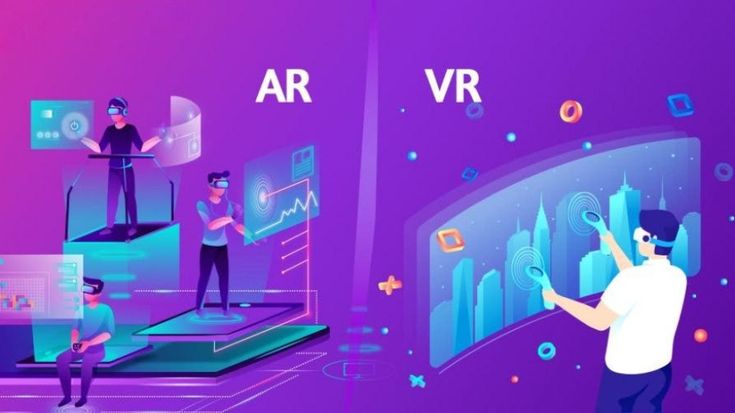
Augmented Reality (AR) and Virtual Reality (VR) applications are transforming industries, from gaming and entertainment to education and healthcare. However, one of the most common questions businesses and developers ask is: “How much does it cost to develop an AR/VR app?” The answer depends on several factors, including complexity, features, platform, and development team. Here’s a detailed breakdown of the costs involved in AR/VR app development.

Key Factors Influencing AR/VR App Development Costs

1. Type of AR/VR App

The cost of development largely depends on the type of AR/VR application being built:

  • Basic AR/VR App – Simple filters or 3D object placements ($10,000 – $30,000).
  • Intermediate App – Interactive experiences with some animations ($30,000 – $80,000).
  • Advanced App – Fully immersive environments with AI and real-time tracking ($80,000 – $200,000+).

2. Platform & Device Compatibility

Developing an app for multiple platforms increases costs. Common platforms include:

  • Mobile AR (iOS/Android) – Uses ARKit (Apple) or ARCore (Google) ($20,000 – $50,000).
  • VR Headsets (Oculus, HTC Vive, PlayStation VR) – More complex development ($50,000 – $150,000).
  • Web-Based AR/VR – Runs on browsers, typically cheaper than full VR apps ($10,000 – $40,000).

3. Features and Functionality

More advanced features increase development costs. Common features include:

  • 3D Modeling and Animation – $5,000 – $50,000+ depending on complexity.
  • Real-time Tracking and Spatial Mapping – $10,000 – $40,000.
  • AI-Powered Interactions – $20,000 – $80,000.
  • Multiplayer Support & Cloud Integration – $30,000 – $100,000.

4. Design and User Experience (UX/UI)

A well-designed AR/VR experience requires intuitive UX/UI. This phase may cost between $5,000 – $30,000, depending on the complexity of the interface and interactivity.

5. Development Team and Location

The location and expertise of the development team impact costs:

  • Freelancers – $20 – $80 per hour.
  • In-House Team – $100,000+ annually.
  • Outsourcing (Asia, Eastern Europe, Latin America) – $40 – $100 per hour.
  • High-End AR/VR Studios (USA, UK, Canada) – $100 – $250 per hour.

6. Testing and Maintenance

After development, ongoing testing and updates are required:

  • Bug Fixing and Optimization – $5,000 – $20,000.
  • Feature Upgrades – $10,000 – $50,000 annually.
  • Server Costs (if applicable) – $500 – $5,000 per month.

Total Estimated Cost of AR/VR App Development

Based on the above factors, here’s a rough estimate:

  • Basic AR/VR App – $10,000 – $30,000.
  • Mid-Level App – $30,000 – $100,000.
  • High-End App – $100,000 – $500,000+.

Conclusion

The cost of developing an AR/VR app varies depending on complexity, features, and platform. Businesses should carefully plan their budget and collaborate with experienced developers to create a high-quality AR/VR experience. By understanding these cost factors, you can make informed decisions and optimize your investment in AR/VR technology.

How Do Fashion Designers Become Renowned?

Becoming a renowned fashion designer is a dream for many aspiring creatives. However, reaching the top of the industry requires more than just talent—it demands dedication, innovation, and strategic career moves. Here’s a step-by-step guide on how fashion designers rise to fame.

1. Master the Fundamentals of Fashion Design

A strong foundation in design principles is crucial. This includes:

  • Understanding fabrics, textures, and materials.
  • Mastering sewing and garment construction techniques.
  • Learning about color theory and pattern making.

Many successful designers either attend fashion schools or are self-taught, continuously refining their craft through practice and experimentation.

2. Develop a Unique Style and Brand Identity

Renowned fashion designers stand out because of their distinctive style. Developing a signature aesthetic and brand identity helps in creating a recognizable name in the industry. Consider:

  • Finding inspiration in culture, history, or personal experiences.
  • Creating designs that reflect a unique vision.
  • Staying true to a particular niche or theme in fashion.

3. Gain Experience and Build a Portfolio

A strong portfolio showcases creativity, technical skills, and personal style. Aspiring designers should:

  • Work on different projects, including custom designs and collaborations.
  • Intern or apprentice under established designers.
  • Participate in fashion competitions to gain exposure.

4. Network Within the Industry

Connections play a vital role in becoming successful. Attending fashion events, networking with industry professionals, and collaborating with other creatives can open doors to new opportunities.

  • Attend fashion shows, trade fairs, and design workshops.
  • Engage with stylists, photographers, and influencers.
  • Leverage social media to connect with brands and customers.
5. Showcase Work Through Fashion Shows and Online Platforms

To gain recognition, designers need to showcase their work to a broad audience. This can be done by:

  • Participating in fashion weeks and local fashion events.
  • Launching personal runway shows.
  • Utilizing platforms like Instagram, Pinterest, and fashion blogs to reach a global audience.

6. Create and Market a Clothing Line

Establishing a clothing line helps build a strong presence in the industry. To succeed:

  • Start with a small collection that reflects the designer’s style.
  • Develop a marketing and branding strategy.
  • Use e-commerce platforms to reach a broader market.

7. Collaborate with Celebrities and Influencers

Many renowned designers gained fame by dressing celebrities or partnering with influencers. These collaborations provide significant exposure and credibility in the fashion world.

  • Reach out to stylists and offer designs for red carpet events.
  • Work with fashion influencers to showcase designs on social media.

8. Stay Consistent and Adapt to Trends

The fashion industry is fast-paced, and trends change frequently. To remain relevant, designers must:

  • Stay updated with fashion movements and consumer preferences.
  • Experiment with new ideas while maintaining their signature style.
  • Continue innovating and evolving their brand.

Final Thoughts

Becoming a renowned fashion designer takes time, persistence, and creativity. By mastering design skills, building a strong brand, networking, and leveraging online and offline opportunities, aspiring designers can carve a name for themselves in the industry. Passion and perseverance are the keys to success in fashion!

Form submitted! Our team will reach out to you soon.
0
    0
    Your Cart
    Your cart is emptyReturn to Course