Which Field Has Better Career Prospects: IoT or Robotics?

As technology continues to evolve at a rapid pace, emerging fields like IoT (Internet of Things) and Robotics are opening new doors for innovation and careers. Both fields are closely related—they involve sensors, hardware, software, and data—but they lead to different career paths. So if you’re a student or professional wondering which one offers better career prospects, this blog will help you make an informed decision.

Let’s compare IoT and Robotics based on career opportunities, skill requirements, industries, future potential, and salaries.


What Is IoT?

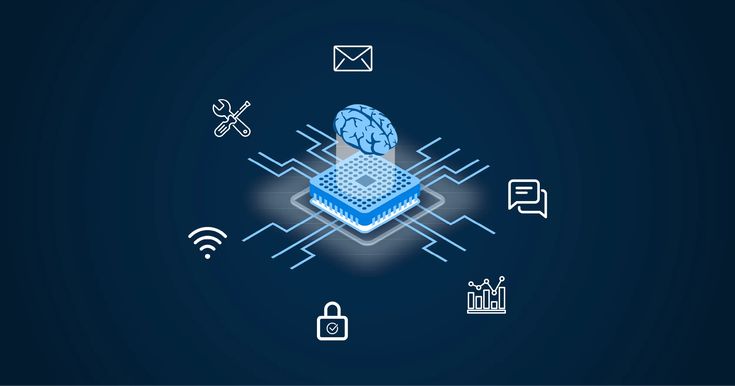
Internet of Things (IoT) refers to the network of physical objects—“things”—embedded with sensors, software, and connectivity to collect and exchange data. These systems make our homes smarter, factories more efficient, and cities more responsive.

Examples:

  • Smart thermostats (like Nest)

  • Wearable fitness trackers

  • Industrial sensors

  • Connected vehicles


What Is Robotics?

Robotics involves the design, construction, programming, and operation of robots—machines that can perform tasks autonomously or semi-autonomously. It combines mechanical engineering, electronics, AI, and control systems.

Examples:

  • Industrial robots in manufacturing

  • Robotic arms in surgery

  • Delivery robots

  • Humanoid robots


Career Opportunities in IoT

In-Demand Job Roles:

  • IoT Developer

  • Embedded Systems Engineer

  • IoT Solutions Architect

  • Cloud Engineer (IoT)

  • IoT Data Analyst

  • Firmware Engineer

Industries Hiring:

  • Smart home automation

  • Healthcare (remote monitoring devices)

  • Agriculture (smart irrigation)

  • Manufacturing (Industry 4.0)

  • Smart cities and infrastructure

Required Skills:

  • Embedded C/C++, Python, Java

  • Networking protocols (MQTT, CoAP)

  • Cloud platforms (AWS IoT, Azure IoT)

  • Sensor integration

  • Cybersecurity


Career Opportunities in Robotics

In-Demand Job Roles:

  • Robotics Engineer

  • Mechatronics Engineer

  • AI/ML Engineer (for robotics)

  • Controls Engineer

  • Autonomous Systems Developer

  • Research Scientist (Robotics)

Industries Hiring:

  • Manufacturing and automation

  • Aerospace and defense

  • Healthcare (surgical robots, prosthetics)

  • Logistics (robotic arms, drones)

  • Education and research

Required Skills:

  • C++, Python, ROS (Robot Operating System)

  • Mechanical design (CAD)

  • Embedded systems

  • Control theory and kinematics

  • Computer vision and AI


Salaries Comparison
Role Average Salary (USD/year)
IoT Developer $90,000 – $120,000
Robotics Engineer $95,000 – $130,000
IoT Solutions Architect $110,000 – $140,000
AI/ML Engineer (Robotics) $120,000 – $160,000

Both fields offer competitive salaries, with Robotics sometimes leading slightly due to its complexity and specialization.


Growth and Future Scope

IoT:

  • Expected to connect 75+ billion devices by 2030.

  • High demand in smart cities, healthtech, and industrial automation.

  • Easier entry-level access and broader range of job roles.

  • Focus is shifting to edge computing, 5G, and AI integration.

Robotics:

  • Booming demand due to automation and AI integration.

  • Essential in sectors like logistics, medicine, and defense.

  • Slower initial entry due to complex skill requirements.

  • Rapid advancements in humanoid robots and autonomous systems.


Which Field Has Better Career Prospects?

✅ Choose IoT if:

  • You enjoy working with networks, sensors, and real-world data.

  • You’re looking for faster entry into the tech industry.

  • You want a broader field with more diverse roles.

✅ Choose Robotics if:

  • You have a strong background in engineering, AI, and control systems.

  • You’re passionate about building intelligent machines.

  • You want to work on the cutting edge of automation and AI.


Final Thoughts

Both IoT and Robotics are future-forward fields with massive potential. If you’re looking for flexibility and broad industry applications, IoT may offer a smoother path. But if you’re aiming for technical innovation and advanced automation, Robotics could be your best bet.

What Does One Need to Know in Machine Learning?

Machine Learning (ML) is no longer a futuristic buzzword—it’s powering the tools and technologies we use every day. From personalized recommendations and voice assistants to fraud detection and self-driving cars, ML is at the heart of modern innovation. But what does it actually take to learn machine learning?

If you’re considering entering the world of ML, here’s a breakdown of the key concepts, skills, and tools you need to know to become proficient in this exciting field.


1. Mathematics Fundamentals

Machine learning is built on a strong foundation of mathematics. While you don’t need to be a math genius, you should have a solid grasp of:

  • Linear Algebra: Vectors, matrices, eigenvalues—critical for understanding data structures and algorithms like PCA or neural networks.

  • Calculus: Especially partial derivatives and gradients, important for optimization and training models.

  • Probability and Statistics: Essential for understanding uncertainty, statistical tests, distributions, and probabilistic models like Naive Bayes.

  • Optimization: Algorithms like gradient descent are central to training ML models efficiently.


2. Programming Skills

You’ll need strong programming skills to implement algorithms and work with data. The most commonly used language is:

  • Python: Thanks to libraries like NumPy, Pandas, Scikit-learn, TensorFlow, and PyTorch.

  • R: Preferred in statistical analysis and data exploration.

  • SQL: Useful for querying structured data from databases.

Familiarity with data structures (arrays, lists, dictionaries) and control flow (loops, functions) is also important.


3. Data Handling and Preprocessing

Before you can train a model, you need to prepare the data:

  • Data Cleaning: Handling missing values, duplicates, and outliers.

  • Feature Engineering: Creating new features from raw data to improve model accuracy.

  • Normalization and Scaling: Making sure features are on a similar scale.

  • Data Splitting: Dividing data into training, validation, and testing sets.


4. Understanding ML Algorithms

There are three main types of ML:

Supervised Learning:

  • Regression (e.g., Linear Regression, Decision Trees)

  • Classification (e.g., Logistic Regression, Support Vector Machines, Random Forests)

Unsupervised Learning:

  • Clustering (e.g., K-Means, DBSCAN)

  • Dimensionality Reduction (e.g., PCA, t-SNE)

Reinforcement Learning:

  • Agents learn by interacting with an environment (used in robotics and gaming).

Understanding when and how to use each type is key.


5. Model Evaluation and Validation

After training a model, you need to evaluate its performance using:

  • Metrics: Accuracy, Precision, Recall, F1 Score, AUC-ROC, RMSE

  • Cross-Validation: Ensures model performance is consistent across different subsets of data.

  • Confusion Matrix: For understanding classification errors.

  • Bias-Variance Tradeoff: To balance underfitting and overfitting.


6. Machine Learning Libraries and Tools

Familiarity with ML frameworks makes development faster:

  • Scikit-learn: Great for beginners; easy to use.

  • TensorFlow / Keras: For building deep learning models.

  • PyTorch: Popular among researchers for its flexibility.

  • XGBoost / LightGBM: For powerful ensemble models.

Also, tools like Jupyter Notebooks, Google Colab, and Git are essential for experimentation and collaboration.


7. Basic Understanding of Deep Learning (Optional but Valuable)

Deep learning is a subfield of ML using neural networks:

  • Neural Networks (ANNs)

  • Convolutional Neural Networks (CNNs): For image processing.

  • Recurrent Neural Networks (RNNs): For time-series and text data.

  • Transformers and NLP Models: For advanced language understanding.

Knowing deep learning gives you access to more advanced applications in AI.


8. Real-World Applications and Projects

Hands-on experience is vital:

  • Start with beginner datasets (Titanic, Iris, MNIST).

  • Join competitions on Kaggle.

  • Work on personal projects (e.g., movie recommender, spam detector).

  • Contribute to open-source ML projects.

This helps solidify learning and builds your portfolio.


9. Ethics and Responsible AI

As ML becomes more powerful, understanding the ethical implications is critical:

  • Bias in data and models

  • Fairness and transparency

  • Explainability of predictions

  • Privacy and data security

Being a responsible ML practitioner means not just building intelligent systems but also ethical ones.


Final Thoughts

Machine learning is a vast and evolving field, but getting started doesn’t require you to know everything at once. Begin with the core concepts—math, programming, and data handling—then gradually explore algorithms, tools, and real-world projects.

Is a Master’s in Data Science Worth It?

In a world driven by data, the demand for professionals who can make sense of vast amounts of information is at an all-time high. This surge has led many aspiring analysts and tech professionals to consider pursuing a master’s in data science. But with the time, effort, and cost involved, one pressing question arises: Is a master’s in data science really worth it?

Let’s explore the benefits, challenges, and alternatives to help you decide if this path is the right investment for your future.


What Is a Master’s in Data Science?

A master’s in data science is a graduate-level program that trains students in skills such as:

  • Data analysis and visualization

  • Machine learning and artificial intelligence

  • Programming (Python, R, SQL)

  • Big data technologies (Hadoop, Spark)

  • Statistical modeling

  • Data ethics and communication

These programs usually span 1–2 years and may offer hands-on projects, internships, or capstone experiences.


Benefits of a Master’s in Data Science

1. High Salary Potential

Data science is one of the most lucrative fields today. According to Glassdoor and LinkedIn, data scientists often earn six-figure salaries in the US, with many positions starting between $90,000 to $120,000. Senior roles and specialized fields like AI and machine learning can go even higher.

2. Job Market Demand

There’s a global shortage of skilled data professionals. Organizations across finance, healthcare, e-commerce, and tech are constantly hiring data scientists to make data-driven decisions. A master’s degree gives you an edge in a competitive market.

3. Structured Learning and Mentorship

While self-learning is possible, a master’s program provides a clear curriculum, access to experienced professors, and opportunities to work on real-world projects. This structured environment can be helpful for staying motivated and on track.

4. Networking and Career Support

Top universities offer career services, alumni networks, and recruitment drives, making it easier to land internships and jobs. These connections are often just as valuable as the degree itself.

5. Career Flexibility

With a data science degree, you can work in multiple roles such as:

  • Data Scientist

  • Machine Learning Engineer

  • Data Analyst

  • Business Intelligence Analyst

  • Research Scientist

  • AI Specialist


Drawbacks and Considerations

1. High Cost

Tuition fees can range from $20,000 to $70,000 or more, depending on the university. Add in living expenses, books, and opportunity costs (if you’re leaving a job), and it becomes a significant investment.

2. Time Commitment

Most programs require 1–2 years of full-time study. For working professionals, this could mean taking a career break or managing a tough schedule if done part-time.

3. Not Always Necessary

Many employers hire data scientists with bachelor’s degrees or certifications, as long as they have the right skills and experience. If you’re a self-learner with a strong portfolio and GitHub presence, a master’s might not be essential.


Alternatives to a Master’s Degree

If you’re unsure about committing to a full degree, consider:

  • Online certifications (Coursera, edX, Udacity)

  • Bootcamps (Springboard, General Assembly, DataCamp)

  • Self-learning through open-source projects and Kaggle competitions

  • Industry-specific data roles (e.g., marketing analyst, healthcare informatics)

These alternatives can help you get started, build a portfolio, and even land a job before investing in a degree.


Who Should Pursue a Master’s in Data Science?

A master’s is worth it if:

  • You’re switching careers and want formal training.

  • You want to advance into more technical or research-heavy roles.

  • You’re targeting top employers that prefer or require a degree.

  • You value mentorship, academic rigor, and structured learning.


Final Verdict: Is It Worth It?

Yes—a master’s in data science is worth it for many students, especially those aiming for high-growth roles in data-intensive industries. It opens doors, increases earning potential, and offers solid academic and professional foundations.

What Is Beyond Artificial Intelligence?

Artificial Intelligence (AI) has transformed the world in ways once only imagined in science fiction. From self-driving cars to voice assistants and personalized recommendations, AI is deeply embedded in our lives. But as powerful as AI is, it’s just one chapter in the evolving story of technology. So, what lies beyond AI? What’s next after machines that can think, learn, and adapt?

Let’s explore the emerging frontiers beyond artificial intelligence.


1. Artificial General Intelligence (AGI)

While today’s AI is great at narrow tasks—like identifying faces or playing chess—Artificial General Intelligence (AGI) aims to match or exceed human cognitive abilities across any task. AGI would not just mimic intelligence, it would understand it. AGI could solve problems it was never trained for, reason abstractly, and perhaps even develop its own goals.

Despite progress, AGI is still theoretical. It remains a major research challenge, but if achieved, it could reshape every aspect of life, including education, medicine, ethics, and economics.


2. Quantum Computing

Traditional AI runs on classical computers. Quantum computing, on the other hand, harnesses the bizarre laws of quantum physics to process information in entirely new ways. By using quantum bits (qubits), these machines could perform calculations that are virtually impossible for today’s fastest supercomputers.

Quantum AI, powered by quantum computing, could revolutionize materials science, cryptography, and complex decision-making tasks. While we’re still in the early days, the integration of quantum computing and AI might unlock breakthroughs that neither could achieve alone.


3. Neurotechnology and Brain-Computer Interfaces

The boundary between human minds and machines is starting to blur. Neurotechnology, especially brain-computer interfaces (BCIs), allows direct communication between the brain and computers.

Companies like Neuralink are developing implants that could help restore mobility in paralyzed patients or even enhance memory and cognition. In the future, we might see the fusion of human intelligence and machine processing—what some call “the next evolution of intelligence.”


4. Conscious AI and Synthetic Life

One of the most controversial and philosophical frontiers is the pursuit of conscious AI—machines that are not just intelligent, but aware. While current AI mimics behavior, consciousness implies feelings, experiences, and self-awareness.

This area dives into the nature of consciousness itself. Could machines ever have emotions? Could they dream, create art from their own imagination, or form identities? Some futurists believe it’s possible; others argue that true consciousness may remain uniquely human.


5. The Merge: Human-AI Symbiosis

Rather than machines replacing us, the future may bring human-AI collaboration at an unprecedented level. Imagine a world where your brain is linked to a neural cloud, augmenting your thoughts with vast computational power.

This symbiosis could enhance memory, accelerate learning, and help us solve complex problems like climate change or interstellar travel. In this future, AI isn’t a separate tool—we become part of the intelligence network.


6. Artificial Life and Digital Evolution

Beyond AI is the concept of artificial life—systems that evolve, adapt, and replicate, not just based on code, but through processes similar to natural selection. Digital organisms could someday become as complex as biological ones.

We may even witness the emergence of new forms of life in digital environments—life not born, but built.


Conclusion: A Post-AI World?

AI may feel like the peak of technological progress, but it’s really just the beginning. From AGI to brain-machine fusion, quantum breakthroughs, and synthetic life, the road ahead promises revolutionary possibilities.

Where Do I Start in Learning About Hacking and Cybersecurity?

In an increasingly digital world, cybersecurity has become one of the most crucial fields for protecting data, systems, and privacy. Whether you’re intrigued by ethical hacking or looking to build a career in cybersecurity, you might be wondering: Where do I even begin?
Don’t worry—this guide will help you take your first steps with confidence.


1. Understand the Basics of Cybersecurity

Before diving into hacking, it’s essential to build a strong foundation in cybersecurity principles. Learn about:

  • What cybersecurity is and why it’s important

  • Types of cyber threats – malware, phishing, DDoS, ransomware

  • Basic concepts – firewalls, encryption, authentication, and network security

  • CIA Triad – Confidentiality, Integrity, Availability

Start with beginner-friendly platforms like:


2. Learn Networking Fundamentals

A solid understanding of computer networks is crucial for both cybersecurity and hacking. You should learn:

  • IP addresses and DNS

  • TCP/IP model and OSI layers

  • Subnetting, routers, switches, and ports

  • How data travels over the internet

Books like “Computer Networking: A Top-Down Approach” or free online resources like Cisco’s Networking Basics can be a good start.


3. Get Comfortable with Operating Systems (Especially Linux)

Hackers and cybersecurity professionals often work with Linux-based systems because of their flexibility and control. You should:

  • Learn basic Linux commands

  • Practice using Kali Linux, a popular OS for ethical hacking

  • Understand how file systems, permissions, and processes work


4. Learn a Programming Language

To understand how systems and applications work—and how they can be exploited—it helps to know coding. Some good languages to start with:

  • Python – for scripting and automation

  • JavaScript – for web-based attacks

  • C/C++ – for understanding memory and buffer overflows

  • Bash – for writing Linux shell scripts


5. Study Ethical Hacking

Once you’ve built some basic knowledge, you can dive into ethical hacking, also known as penetration testing. You’ll learn how to:

  • Identify vulnerabilities

  • Use tools like Nmap, Wireshark, Metasploit

  • Conduct web, network, and wireless security assessments

Recommended learning sources:

  • “The Web Application Hacker’s Handbook”

  • CompTIA Security+ Certification

  • Certified Ethical Hacker (CEH) – for more structured learning


6. Practice Legally and Ethically

Hacking is only ethical when done with permission. Always use legal and safe environments such as:

  • Online labs (TryHackMe, Hack The Box, OverTheWire)

  • Virtual machines on your own system

  • Capture the Flag (CTF) competitions

This not only helps you learn but also builds your portfolio and credibility.


7. Join the Cybersecurity Community

Networking with other learners and professionals can accelerate your learning. Consider:

  • Subreddits like r/netsec and r/ethicalhacking

  • Discord or Telegram groups for cybersecurity

  • Attending local or online meetups and conferences like DEFCON or Black Hat


Conclusion: Start Small, Stay Consistent

Cybersecurity is a vast and ever-changing field. Start small, build your fundamentals, practice regularly, and stay curious. With persistence and the right resources, you can go from complete beginner to cybersecurity expert.

Is Becoming an Android Developer a Good Option?

In the fast-paced world of technology, mobile applications have become an integral part of our daily lives. From ordering food and booking cabs to learning online and managing finances—there’s an app for everything. At the heart of this mobile revolution lies Android, the world’s most popular mobile operating system. But is becoming an Android developer a good career choice in today’s market?

Let’s break it down.


Android powers over 70% of the global smartphone market, with billions of devices running the OS. This dominance means there’s a huge demand for Android applications—and, in turn, Android developers. Whether it’s a startup or a tech giant, every company targeting mobile users wants a strong Android presence.


2. Growing Demand for Skilled Developers

With more businesses going mobile-first, the need for skilled Android developers is rising. According to job portals and market research, Android development is consistently listed among the top in-demand tech skills. Companies seek developers who can build fast, secure, and user-friendly apps.


3. Diverse Career Opportunities

As an Android developer, you can:

  • Work in a tech company or startup.

  • Join app development agencies.

  • Become a freelancer or consultant.

  • Launch your own app or startup on the Google Play Store.

This versatility allows you to shape your career the way you want—whether you prefer stability or entrepreneurial freedom.


4. Open-Source and Developer-Friendly

Android is built on open-source technology, which gives developers greater flexibility and customization options. Tools like Android Studio, Kotlin, Jetpack Compose, and Firebase make the development process smoother and more efficient. Plus, the vibrant developer community ensures you’re never short on support, tutorials, or open-source libraries.


5. Strong Earning Potential

Android developers are well-compensated. Salaries vary depending on experience and location, but even entry-level developers can expect competitive pay. Skilled professionals, especially those with knowledge of Kotlin, Jetpack Compose, and backend integration, can command even higher salaries.


6. Innovation and Growth

Android development isn’t just about building mobile apps. The ecosystem is expanding into:

  • Wearables (Wear OS)

  • Smart TVs (Android TV)

  • IoT and Automotive (Android Auto)
    This opens up new avenues for specialization and future growth.


7. Continuous Learning and Challenges

Android development is not static. Google frequently releases updates and improvements, pushing developers to stay current with best practices. This constant evolution keeps the work exciting and intellectually rewarding.


Challenges to Consider

While the path is promising, there are challenges:

  • Learning curve: Mastering Android SDKs, Kotlin, Java, and app lifecycle management takes time.

  • Device fragmentation: Developers must optimize apps for a wide variety of screen sizes and hardware configurations.

  • Fast-changing tech landscape: You must keep up with regular updates and shifting design trends.

But with dedication and continuous learning, these are manageable hurdles.


Conclusion: A Smart Career Choice

If you enjoy building creative, real-world solutions and want to be part of a growing mobile-first world, becoming an Android developer is a smart and rewarding career choice. The opportunities are vast, the demand is strong, and the satisfaction of seeing your app in users’ hands is unmatched.

Is JavaScript Really Useful for Modern Web Development?

In the ever-evolving world of web development, JavaScript has managed to retain its crown as one of the most essential programming languages. But with the rise of newer technologies and frameworks, one might wonder—is JavaScript still truly useful for modern web development? The short and clear answer is: absolutely yes. Here’s why.


1. JavaScript Powers the Web

JavaScript is the backbone of client-side web development. Whether you’re clicking a button, submitting a form, or seeing dynamic updates without refreshing the page—JavaScript is at work. According to multiple surveys (including Stack Overflow’s developer survey), JavaScript has consistently ranked as the most commonly used programming language year after year.


2. It’s Not Just Front-End Anymore

Initially designed to bring interactivity to the browser, JavaScript has grown far beyond that. With Node.js, it now powers back-end development too. This means developers can build full-stack applications using JavaScript alone, which simplifies the development process and improves collaboration between teams.


3. Rich Ecosystem and Frameworks

Modern web development relies heavily on frameworks and libraries that speed up development and enhance capabilities. JavaScript has a rich ecosystem including:

  • React.js – for building powerful user interfaces.

  • Angular – a full-fledged framework for dynamic single-page applications.

  • Vue.js – known for its simplicity and flexibility.

  • Express.js – for building robust backend APIs.

These tools are used by major tech companies and startups alike.


4. Strong Community and Continuous Evolution

JavaScript has one of the largest developer communities in the world. This leads to:

  • Continuous improvement and updates (via ECMAScript standards).

  • Tons of open-source tools and packages available via npm.

  • Abundant tutorials, forums, and community support.

It’s also important to note that modern JavaScript (ES6+) is far cleaner, more structured, and easier to write and maintain than older versions.


5. It’s the Language of the Browser

No matter how many new languages or tools come around, browsers natively understand JavaScript. While tools like WebAssembly are growing, JavaScript remains the de facto language of the browser. This makes it irreplaceable in many respects.


6. Seamless Integration with HTML and CSS

Web development revolves around three core technologies: HTML, CSS, and JavaScript. JavaScript seamlessly integrates with the other two, allowing for complete control over the structure, design, and functionality of a webpage.


7. Future-Proof and In-Demand

As the web continues to evolve with trends like Progressive Web Apps (PWAs), serverless computing, and real-time apps (e.g., chat apps or live collaboration tools), JavaScript remains at the heart of these innovations. Employers constantly seek developers with strong JavaScript skills, making it a valuable career asset.


Conclusion: JavaScript Is Here to Stay

Despite the rise of newer languages and platforms, JavaScript continues to prove itself as a vital tool in modern web development. It’s versatile, powerful, and constantly evolving. Whether you’re a beginner building your first webpage or an experienced developer crafting complex applications, JavaScript will likely be a big part of your toolkit.

Is Robotics Engineering a Part of Mechanical Engineering?

In the age of automation, robotics engineering has emerged as one of the most exciting and rapidly growing fields. From robotic arms in manufacturing plants to autonomous drones and intelligent home assistants, robots are revolutionizing industries. But a common question many students and tech enthusiasts ask is:
“Is robotics engineering a part of mechanical engineering?”

The short answer? Yes—and more.

Let’s break it down.


Robotics Engineering: A Multidisciplinary Field

Robotics engineering is not limited to just one branch of engineering. Instead, it is a multidisciplinary field that combines principles from:

  • Mechanical Engineering

  • Electrical and Electronics Engineering

  • Computer Science and Software Engineering

  • Mechatronics Engineering

  • Artificial Intelligence and Machine Learning

So while mechanical engineering plays a foundational role, robotics goes beyond it.


How Is Robotics Related to Mechanical Engineering?

Mechanical engineering deals with the design, construction, and analysis of machines—and robots are, at their core, machines. Here’s how mechanical engineers contribute to robotics:

1. Structure and Design

Mechanical engineers design the robot’s frame, joints, gears, and overall physical layout. This includes:

  • Arms and actuators

  • Wheels, tracks, or legs

  • Grippers and manipulators

2. Kinematics and Dynamics

They apply principles of motion (kinematics) and force (dynamics) to ensure smooth and stable robot movement.

3. Material Selection and Manufacturing

Robotics engineers rely on mechanical engineering expertise to choose the right materials for strength, flexibility, and durability.

4. Thermal and Mechanical Stress Analysis

Robots, especially those used in industrial environments, need to withstand pressure, heat, or vibration—areas where mechanical engineers shine.


Where Robotics Goes Beyond Mechanical Engineering

While mechanical engineering provides the body of a robot, other branches give it its mind and senses:

Electrical/Electronics Engineering:

Controls motors, circuits, sensors, and power systems.

Computer Engineering/Software:

Programs the robot’s brain—how it moves, processes data, makes decisions.

AI & Machine Learning:

Enables intelligent decision-making, object recognition, path planning, and more in modern robots.


Is It Possible to Specialize in Robotics via Mechanical Engineering?

Absolutely. Many universities offer robotics as a specialization within mechanical engineering. You may study:

  • Mechatronics

  • Control systems

  • Robotic dynamics

  • Automation

  • Embedded systems

After a bachelor’s in mechanical engineering, many students pursue a master’s in robotics to gain interdisciplinary expertise.


Mechanical vs. Robotics Engineering: What’s the Difference?

Feature Mechanical Engineering Robotics Engineering
Focus Machines, mechanics, and physical systems Intelligent machines that sense, decide, and act
Scope Broad: HVAC, automotive, energy, etc. Specialized: automation, AI, autonomous systems
Tools Used CAD, SolidWorks, ANSYS ROS, Arduino, Python, AI algorithms

Final Thoughts

So, is robotics engineering a part of mechanical engineering?
Yes, but it’s just one part of a larger puzzle.

What Type of Engineer Makes the Drone?

Drones—once futuristic military tools—are now flying across skies for photography, agriculture, delivery services, and even disaster response. But have you ever wondered who actually designs and builds these intelligent flying machines?

The answer isn’t limited to just one branch of engineering. Building a drone is a multidisciplinary effort involving several types of engineers, each bringing unique expertise to make the magic happen.

Let’s dive into the key engineering roles involved in drone development.


1. Aerospace Engineers

Aerospace engineers are at the heart of drone design. They specialize in flight dynamics, aerodynamics, propulsion systems, and overall aircraft structure.

  • What they do for drones:

    • Design the frame and body for stable flight.

    • Optimize aerodynamic efficiency.

    • Ensure proper balance, thrust, and control.

    • Work on altitude control and flight stability.

Their deep understanding of flight mechanics ensures that the drone can fly safely and efficiently, even in challenging environments.


2. Electrical and Electronics Engineers

Drones rely heavily on electrical systems for power distribution, motor control, sensors, and communication.

  • What they do:

    • Design the electronic circuits.

    • Integrate batteries, motors, and sensors.

    • Manage power systems and signal processing.

    • Implement GPS modules and remote communication interfaces.

Without the expertise of electrical engineers, a drone wouldn’t know where to go—or even how to power up.


3. Mechanical Engineers

Mechanical engineers play a key role in the structural and moving components of the drone.

  • What they contribute:

    • Design and test propellers, motors, and gears.

    • Develop lightweight and durable body materials.

    • Handle thermal management and mechanical stress.

    • Ensure parts are efficiently assembled and maintainable.

They make sure the drone is not just functional but also durable and efficient in real-world conditions.


4. Computer and Software Engineers

A drone without software is just a fancy paperweight. Software engineers bring the intelligence to drones.

  • Their role includes:

    • Programming flight control systems and autopilot.

    • Creating real-time navigation algorithms.

    • Developing obstacle detection and avoidance features.

    • Enabling data collection, video streaming, and app integration.

In autonomous drones, artificial intelligence (AI) and machine learning (ML) algorithms are often implemented by these engineers.


5. Mechatronics Engineers

Mechatronics is an interdisciplinary field combining mechanical, electrical, and computer engineering. These engineers are uniquely suited for drone design.

  • They work on:

    • Integrating sensors, actuators, and microcontrollers.

    • Developing control systems for precise movement.

    • Creating compact and efficient drone systems.

Their holistic approach makes them vital in prototyping and improving drone designs.


6. Robotics Engineers

For advanced and autonomous drones—especially those used in military, industrial, or delivery applications—robotics engineers play a huge role.

  • What they focus on:

    • Developing AI-based navigation and object recognition.

    • Designing robotic arms for package pickup/drop.

    • Programming path planning and machine learning systems.

Their work helps drones make decisions on the fly—literally!


So, What Type of Engineer Makes the Drone?

There isn’t a single answer—drones are made by teams of engineers from various fields:

Engineering Type Key Role in Drones
Aerospace Engineering Flight dynamics, design, aerodynamics
Electrical Engineering Power systems, circuitry, sensors
Mechanical Engineering Propulsion, materials, structural design
Computer/Software Engg. Autopilot, navigation, control systems
Mechatronics Engineering System integration, robotics, microcontrollers
Robotics Engineering Autonomous navigation, AI, machine learning

Final Thoughts

If you’re fascinated by drones and want to build or work with them, you don’t have to stick to just one kind of engineering. Instead, choose a field based on what excites you most—whether it’s flying mechanics, electrical systems, coding brains, or AI-powered autonomy.

What Are the Things People Want in AR/VR Games?

Augmented Reality (AR) and Virtual Reality (VR) games are no longer just futuristic fantasies—they’re becoming a major part of modern gaming experiences. As the technology continues to evolve, so do the expectations of gamers. Whether it’s total immersion or social interaction, players have a growing wishlist for what they want from their AR/VR gaming experiences.

Let’s explore the top features and elements that gamers are looking for in AR/VR games today.


1. Immersive Storytelling

Players crave games that transport them into another world. In AR/VR, storytelling should be deeply immersive, where players are not just observers but active participants. The environment should respond to their actions, choices should impact the narrative, and emotional engagement should be at the forefront.

Example: Games like Half-Life: Alyx offer intense narrative depth, making the player feel like they’re truly living the experience.


2. Realistic Graphics and Environments

In VR, realism matters. Gamers want high-resolution textures, natural lighting, and believable physics. The visuals must feel seamless to avoid breaking the immersion.

In AR, users want digital overlays that blend smoothly into the real world, with accurate object tracking and depth perception.


3. Comfort and Ease of Use

Nobody wants to feel dizzy or tired after just 10 minutes of gameplay. Reducing motion sickness, improving hardware ergonomics (lightweight headsets), and offering intuitive controls are essential.

Many users also want options to customize movement styles—such as teleportation vs. smooth locomotion—based on their comfort.


4. Freedom of Interaction

Gamers expect full-body interaction—not just pressing buttons or flicking a joystick. They want to grab, push, climb, aim, and explore naturally. Hand-tracking, gesture control, and voice commands enhance this sense of freedom.

The more natural the interaction, the more engaging the experience becomes.


5. Multiplayer and Social Features

People want to connect with others in virtual spaces. Multiplayer options, shared missions, co-op gameplay, and real-time voice communication add social value to AR/VR games.

Whether it’s battling enemies together or hanging out in a virtual world, social interaction makes the experience richer.


6. Personalization and Customization

Players love customizing their avatars, gear, and even their environments. Offering options to personalize appearance, weapons, and gameplay settings helps users feel more connected to their virtual self.

In AR games, features like customizable UI overlays or real-world object scanning can also add to this sense of ownership.


7. Cross-Platform Integration

Gamers want their progress and experience to be accessible across devices—be it a VR headset, smartphone, or PC. Cross-platform support and cloud saving are becoming highly desired features.


8. Meaningful Rewards and Progression

Like all games, AR/VR titles benefit from a strong sense of progression. Players want achievements, upgrades, leaderboards, and unlockables that make them feel like they’re improving over time.

In VR, these rewards feel even more satisfying when experienced in a fully interactive 3D environment.


9. Seamless Real and Virtual World Blending (in AR)

In AR gaming, users want the virtual world to be layered convincingly onto the real world. This means accurate spatial mapping, good object recognition, and seamless blending of virtual elements with physical surroundings.


10. Regular Content Updates and Community Engagement

Finally, people want games that stay fresh. Regular updates, new challenges, seasonal events, and developer communication help keep AR/VR games alive and engaging for the long term.


Final Thoughts

AR and VR games are at the cutting edge of immersive entertainment. But for developers to succeed, they must go beyond just flashy tech and focus on what players truly desire—engagement, realism, freedom, comfort, and community.

Form submitted! Our team will reach out to you soon.
0
    0
    Your Cart
    Your cart is emptyReturn to Course