Which Business Analytics Software Is the Best?

In today’s data-driven world, business analytics software plays a crucial role in helping organizations make informed decisions, uncover insights, and stay ahead of the competition. With so many tools available, businesses often wonder: Which business analytics software is the best? The answer depends on your needs, but some standout platforms consistently lead the market due to their features, ease of use, and scalability.

Here’s a breakdown of the top business analytics software and what makes them exceptional.


1. Microsoft Power BI – Best for Integration with Microsoft Ecosystem

Why It Stands Out:
Power BI is widely praised for its user-friendly interface, powerful visualizations, and deep integration with Microsoft tools like Excel, Azure, and Teams.

Key Features:

  • Drag-and-drop dashboard building

  • Real-time data updates

  • Strong data connectivity

  • Affordable pricing for small to mid-sized businesses

Best For:
Companies already using Microsoft Office or Azure.


2. Tableau – Best for Data Visualization

Why It Stands Out:
Tableau is a leader in data visualization. It turns complex data into interactive and shareable dashboards with minimal effort.

Key Features:

  • Intuitive visual interface

  • Integration with hundreds of data sources

  • Robust community and learning resources

Best For:
Businesses focused on storytelling through data and visual clarity.


3. Qlik Sense – Best for Associative Data Analysis

Why It Stands Out:
Qlik Sense allows users to explore data freely and spot relationships that other tools might miss. Its associative engine helps uncover hidden patterns.

Key Features:

  • Self-service and guided analytics

  • AI-assisted insights

  • Strong mobile support

Best For:
Organizations looking for flexible and deep-dive data exploration.


4. SAS Business Intelligence – Best for Advanced Analytics

Why It Stands Out:
SAS offers a powerful analytics platform known for its statistical capabilities and advanced modeling.

Key Features:

  • High-level statistical and predictive analysis

  • Scalable enterprise-grade solutions

  • Strong support and security

Best For:
Enterprises with complex data and advanced analytical needs.


5. Google Looker – Best for Cloud-Based Analytics

Why It Stands Out:
Now part of Google Cloud, Looker is modern, cloud-native, and designed for real-time business intelligence and embedded analytics.

Key Features:

  • Seamless integration with BigQuery and other Google services

  • Custom visualizations

  • Data modeling using LookML

Best For:
Tech-savvy teams and companies already using Google Cloud Platform.


6. Zoho Analytics – Best for Small to Mid-Sized Businesses

Why It Stands Out:
Zoho Analytics is an affordable and easy-to-use tool with a wide range of features for businesses that need quick insights without a big budget.

Key Features:

  • AI-powered assistant “Zia”

  • Pre-built reports and dashboards

  • Integration with other Zoho apps

Best For:
Small businesses and startups looking for cost-effective analytics.


Conclusion: Which One Should You Choose?

The “best” business analytics software ultimately depends on your business size, industry, technical capabilities, and budget.

  • Choose Power BI if you’re embedded in the Microsoft ecosystem.

  • Opt for Tableau if visualization is your priority.

  • Go with Qlik Sense for in-depth, associative analysis.

  • Select SAS for enterprise-level advanced analytics.

  • Use Looker for cloud-first, real-time insights.

  • Try Zoho Analytics for affordability and ease of use.

In summary, the right business analytics tool is the one that aligns with your company’s goals, infrastructure, and team skills. Each of the above tools offers unique strengths—making it easier than ever to turn raw data into actionable insights.

What’s the Biggest Mistake That Stock Market Investors Make?

The stock market has long been a beacon of opportunity for building wealth and achieving financial freedom. Yet, despite access to information and powerful tools, many investors fall into traps that cost them dearly. Among these pitfalls, one mistake stands above the rest in its impact and frequency: letting emotions drive investment decisions.

1. Emotional Investing: The Root of Poor Decisions

The most damaging mistake investors make is succumbing to fear and greed. These two emotions are the primary forces behind buying high and selling low—the opposite of what successful investing requires.

  • Fear strikes when markets drop. Investors panic and sell off their holdings at a loss, fearing further decline.

  • Greed takes over during market booms. Seeing others profit, investors jump in at inflated prices, chasing quick returns.

This emotional rollercoaster leads to reactive decisions rather than informed, rational strategies.

2. Chasing Trends Instead of Fundamentals

Another result of emotional investing is trend chasing. Influenced by news, social media, or hype, many investors jump into “hot” stocks without researching the company’s financial health or growth potential. This often leads to poor timing and significant losses when the bubble bursts.

3. Ignoring Long-Term Goals

Investing should be aligned with long-term financial goals, whether it’s retirement, buying a home, or funding a child’s education. However, emotional investors often lose sight of these goals in pursuit of short-term gains, which increases risk and volatility in their portfolios.

4. Timing the Market

Many investors believe they can outsmart the market by buying low and selling high. But even professionals struggle to time the market accurately and consistently. Missing just a few of the market’s best days can significantly reduce returns. Long-term investing, on the other hand, leverages the power of compounding and market growth over time.

5. Lack of a Disciplined Strategy

Emotion-driven investing often reflects a deeper issue: a lack of planning. Investors without a clear strategy or asset allocation are more likely to make impulsive decisions during market fluctuations. A disciplined, diversified approach with regular reviews is far more effective.

How to Avoid Emotional Investing

  • Set clear goals: Know what you’re investing for and your risk tolerance.

  • Create a plan: Stick to a diversified portfolio tailored to your goals.

  • Stay informed, not reactive: Learn the basics of investing and understand market cycles.

  • Avoid the noise: Don’t get swayed by headlines or social media trends.

  • Think long-term: The market rewards patience and consistency.

Conclusion

The biggest mistake stock market investors make is letting emotions cloud their judgment. Emotional investing leads to irrational decisions, poor timing, and ultimately, financial loss. By cultivating discipline, patience, and a sound strategy, investors can avoid this trap and build lasting wealth. Remember, successful investing is less about reacting to the market—and more about understanding yourself.

Is HR a Stressful Job?

Human Resources (HR) professionals are often the unsung heroes of an organization. They recruit talent, manage conflicts, ensure compliance, and help shape company culture. But behind the scenes, many HR professionals face a demanding and often misunderstood workload. So, is HR really a stressful job?

Let’s explore the nature of HR work, the challenges that come with it, and what makes it both rewarding and stressful.


What Makes HR Stressful?

1. Managing People and Emotions

One of the core responsibilities of HR is handling people—and people can be unpredictable. HR professionals deal with a variety of emotions daily, from job excitement to workplace frustration, and even grief or anger in the case of layoffs or personal issues.

2. Conflict Resolution

Workplace conflicts between employees or teams often land on HR’s desk. Navigating sensitive situations like harassment complaints, disciplinary actions, or personality clashes requires diplomacy, patience, and careful judgment—often under pressure.

3. High Expectations from Management

HR is expected to align with top management’s goals while also advocating for employees. Balancing these two often-conflicting expectations can be mentally exhausting and emotionally draining.

4. Compliance and Legal Pressures

HR must stay updated on labor laws, company policies, and regulations. A single mistake—such as a mishandled termination or ignored complaint—can lead to legal trouble or reputation damage for the company.

5. Hiring Pressure

Recruiting the right talent is critical for business success. HR professionals often face pressure to fill roles quickly, especially in competitive industries, which adds to their stress levels.


What Makes HR Rewarding?

1. Creating a Positive Work Culture

HR plays a vital role in shaping a company’s culture. Implementing wellness programs, organizing team-building activities, and encouraging diversity can make the workplace more enjoyable and productive.

2. Helping People Grow

Supporting employee development through training, mentorship, and career planning gives HR professionals a deep sense of satisfaction and purpose.

3. Strategic Business Impact

Modern HR is not just about administration—it’s about aligning people strategies with business goals. HR leaders are now part of the decision-making team, making their role more impactful and respected.


How to Manage Stress in HR

  • Set Boundaries: It’s easy to overextend yourself in HR. Learn to say no when necessary.

  • Practice Self-Care: Prioritize mental health and take regular breaks to recharge.

  • Stay Organized: Use digital tools to streamline tasks like payroll, recruitment, and performance tracking.

  • Seek Support: Network with other HR professionals or join industry forums to share experiences and find solutions.


Conclusion

Yes, HR can be a stressful job—but it also offers immense opportunities for growth, impact, and fulfillment. Like any profession, stress in HR depends on company culture, leadership, and workload management. Those who are empathetic, organized, and good at handling pressure will find HR both challenging and rewarding.

What Are Good Research Topics on Finance?

Finance is a vast and dynamic field that plays a crucial role in every economy. Whether you’re a student pursuing a finance degree or a professional exploring new trends, choosing a relevant and engaging research topic is the first step toward impactful work. A well-chosen topic not only reflects your interests but also addresses current financial challenges, innovations, or opportunities.

Here’s a list of good research topics in finance, categorized by key areas to help you find the one that suits your academic or professional goals.


1. Corporate Finance Topics

Corporate finance focuses on how businesses manage their financial resources. Topics in this area often explore decision-making, investment strategies, and capital structure.

  • Impact of capital structure on firm performance

  • Dividend policy and shareholder value

  • Mergers and acquisitions: Value creation or destruction?

  • Working capital management in small businesses

  • Corporate governance and firm profitability


2. Investment and Portfolio Management

These topics revolve around how individuals and institutions make investment decisions.

  • Risk and return analysis of stock portfolios

  • The role of behavioral finance in investment decisions

  • ESG (Environmental, Social, Governance) investing trends

  • Performance comparison between actively and passively managed funds

  • Impact of algorithmic trading on market efficiency


3. Financial Markets and Institutions

This area looks at how financial markets operate and how financial institutions function within the economy.

  • Central bank policies and stock market reactions

  • Cryptocurrency and its impact on traditional banking

  • Interest rate fluctuations and their impact on bond markets

  • Role of fintech in disrupting traditional financial institutions

  • Credit rating agencies and their influence on capital markets


4. Personal Finance and Financial Literacy

Personal finance research focuses on how individuals manage their finances and the role of education in financial decision-making.

  • The effect of financial literacy on saving behavior

  • Budgeting habits among college students

  • Impact of credit scores on borrowing behavior

  • Retirement planning strategies among millennials

  • Digital tools and apps in personal financial management


5. International Finance

Explore how global events, currencies, and financial systems influence economies across borders.

  • Exchange rate volatility and its effect on multinational firms

  • Impact of Brexit on European financial markets

  • International portfolio diversification: Benefits and risks

  • Currency hedging strategies used by global companies

  • Effects of trade wars on global financial stability


6. Sustainable and Green Finance

As sustainability becomes a major global focus, research in green finance is both timely and valuable.

  • Green bonds and their impact on sustainable development

  • Integration of climate risk into financial decision-making

  • The role of financial institutions in promoting ESG practices

  • Carbon pricing and its implications for investment

  • Socially responsible investing: Trends and challenges


7. Financial Technology (Fintech)

Fintech is transforming the finance sector. These topics are highly relevant for students interested in innovation.

  • Blockchain applications in finance

  • Peer-to-peer lending and its regulatory challenges

  • Mobile banking adoption in emerging economies

  • The rise of robo-advisors in investment planning

  • Cybersecurity risks in digital finance


Final Thoughts

Finance is more than just numbers—it’s a powerful driver of change, innovation, and policy. The right research topic can give you deep insights, improve decision-making, and even shape future financial strategies. When choosing your topic, consider your interest, available resources, current trends, and the impact your research can make.

How Do We Earn Money by Digital Marketing?

In today’s internet-driven world, digital marketing has become one of the most powerful tools to make money online. Whether you’re an individual looking to start a side hustle, a freelancer, or a business aiming for growth, digital marketing offers a variety of income streams. But how exactly do people earn money through digital marketing? Let’s dive into the key ways digital marketers generate income in this ever-evolving digital age.

1. Affiliate Marketing

One of the most popular methods of earning through digital marketing is affiliate marketing. Here’s how it works: you promote other companies’ products or services using a unique affiliate link. When someone makes a purchase through your link, you earn a commission.

Example: If you run a blog or YouTube channel and recommend products (like gadgets, books, or software), you can earn commissions from platforms like Amazon Associates, ShareASale, or ClickBank.

2. Freelance Digital Marketing Services

Freelancers offer services such as SEO, content writing, social media management, PPC advertising, and email marketing to clients. Platforms like Fiverr, Upwork, and Freelancer connect digital marketers with clients looking for online promotion.

Tip: Specialize in one area (like Google Ads or Instagram marketing) to become more in-demand and charge higher rates.

3. Running a Digital Marketing Agency

If you have experience and a small team, you can start your own digital marketing agency. Agencies typically work with small to medium-sized businesses to manage all aspects of their digital presence – from social media to website SEO to running ad campaigns.

Revenue Model: Monthly retainers, project-based fees, or performance-based payments.

4. Blogging and Content Monetization

Bloggers earn money by driving traffic to their websites and monetizing it through various methods:

  • Google AdSense: Get paid for displaying ads on your blog.

  • Sponsored Posts: Companies pay you to write about their product.

  • Selling Digital Products: E-books, courses, or design templates.

Success in blogging depends on high-quality content, SEO, and consistent effort.

5. YouTube Channel and Video Marketing

YouTubers make money through ads (via Google AdSense), brand sponsorships, affiliate marketing, and selling their own products. As a digital marketer, you can use YouTube to build an audience and promote services, driving both revenue and reputation.

6. Social Media Influencer Marketing

If you have a strong following on platforms like Instagram, TikTok, or LinkedIn, brands may pay you to promote their products or services. Even with a modest following (a few thousand followers), you can earn through micro-influencer marketing.

7. Email Marketing Campaigns

Building a targeted email list is like owning a gold mine in digital marketing. You can earn by:

  • Promoting affiliate products

  • Driving traffic to monetized content

  • Selling your own services or digital products

Email marketing is known for high ROI (Return on Investment) compared to other forms of marketing.

8. E-commerce and Dropshipping

Digital marketing skills are essential for running a profitable e-commerce business. Using Facebook Ads, Google Ads, SEO, and influencer marketing, you can promote your online store and drive sales. Dropshipping (selling products without holding inventory) is especially popular for beginners.

9. Selling Online Courses or Webinars

If you’re an expert in any niche – be it fitness, finance, or photography – you can create and sell online courses. Digital marketing helps you attract the right audience through paid ads, content marketing, and email campaigns.

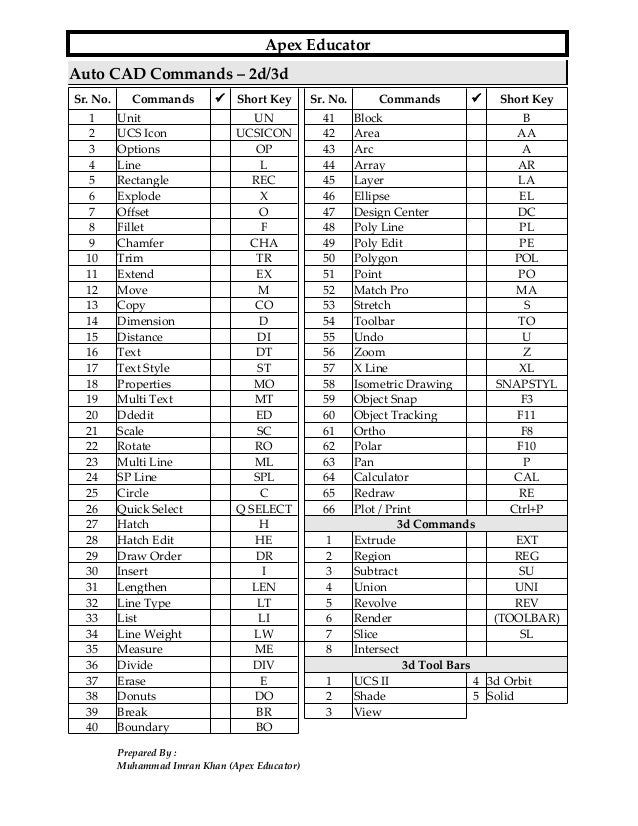
Is SolidWorks or AutoCAD Used More in the Engineering Industry?

When it comes to design and drafting in engineering, SolidWorks and AutoCAD are two of the most recognized software tools. Each serves a different purpose and caters to specific engineering needs. But the question remains: Which one is used more in the engineering industry?

To answer this, we need to compare the two based on their functionality, industry applications, and popularity.


Understanding the Tools

🔹 What Is AutoCAD?

AutoCAD, developed by Autodesk, is one of the oldest and most widely-used computer-aided design (CAD) programs. It is primarily used for 2D drafting and basic 3D modeling, and is highly favored in:

  • Civil engineering

  • Architecture

  • Electrical layout designs

  • Mechanical detailing

  • Construction and infrastructure projects

🔹 What Is SolidWorks?

SolidWorks, developed by Dassault Systèmes, is a parametric 3D CAD software that focuses heavily on mechanical and product design. It’s widely used for:

  • Mechanical engineering

  • Product development

  • Simulation and analysis

  • 3D modeling and assemblies

  • Sheet metal and plastic design


SolidWorks vs AutoCAD: Which Is Used More?

✅ 1. In Mechanical Engineering: SolidWorks Dominates

SolidWorks is the preferred tool in mechanical and product engineering. Its robust 3D modeling, simulation, and assembly features make it a favorite among mechanical engineers, product designers, and manufacturers.

  • Easier to visualize parts in 3D

  • Parametric design for accurate engineering changes

  • Simulation tools help test real-world behavior of parts

🔧 Used more in: Automotive, aerospace, robotics, industrial machinery, consumer product design.

✅ 2. In Civil, Architectural, and Electrical Fields: AutoCAD Leads

AutoCAD remains dominant in civil, architectural, and electrical engineering due to its precise 2D drafting capabilities and flexible file compatibility.

  • Blueprint and layout creation is simple and accurate

  • Used extensively for site plans, piping layouts, and schematics

  • Easy to learn and adopt in construction-related fields

🏗️ Used more in: Construction, building design, electrical layout, land surveying.


Market Trends in 2025

  • AutoCAD is still more widely used overall because of its versatility and longevity in the industry.

  • However, SolidWorks is growing in demand, especially in mechanical and industrial design roles.

  • Many companies use both tools, depending on project requirements.

  • With the rise of 3D printing, SolidWorks is becoming more essential for rapid prototyping.


Skill Demand in Jobs

  • AutoCAD skills are a must-have for roles in civil engineering, architecture, and electrical design.

  • SolidWorks skills are heavily demanded in mechanical, aerospace, and manufacturing engineering.

  • Many engineers learn both software tools to stay competitive.


Final Verdict: Which Is Used More?

If we look at the entire engineering industry, AutoCAD is more widely used, especially in 2D design and cross-disciplinary applications. However, in mechanical and 3D modeling fields, SolidWorks has a stronger presence and is often the software of choice.

So, it’s not about which is better, but rather which is better for your field.


Conclusion

In the engineering world, both AutoCAD and SolidWorks play crucial roles.

  • Choose AutoCAD if you’re entering civil, architectural, or electrical engineering.

  • Go with SolidWorks if you’re focused on mechanical or product design.

Who Manufactures the Best Hybrid Electric Vehicles in 2025?

Hybrid Electric Vehicles (HEVs) have become the go-to choice for eco-conscious drivers who want a balance of fuel efficiency, performance, and lower emissions—without committing fully to an electric-only lifestyle. As the market evolves in 2025, many automakers are pushing boundaries with advanced hybrid technologies, smart features, and futuristic designs.

So, who manufactures the best hybrid electric vehicles in 2025? Let’s explore the leading names in the hybrid EV segment and what makes their models stand out.


What Makes a Great Hybrid Electric Vehicle?

Before diving into manufacturers, here are the key features that define a high-quality hybrid:

  • Excellent fuel efficiency

  • Smooth transition between gas and electric modes

  • Durability and low maintenance

  • Advanced safety and infotainment features

  • Strong resale value

  • Environmental performance (low emissions)


Top Manufacturers of Hybrid Electric Vehicles in 2025

1. ToyotaThe Pioneer and Consistent Leader

Best Known For: Toyota Prius, RAV4 Hybrid, Camry Hybrid

Toyota has long been the benchmark for hybrid technology. Its Hybrid Synergy Drive system is one of the most reliable and refined in the market. In 2025, Toyota continues to lead with fuel-efficient and long-lasting hybrids across sedans and SUVs.

Why Toyota Stands Out:

  • Proven battery reliability

  • Broad model range (from compact cars to SUVs)

  • Excellent fuel economy

  • Global reputation for quality


2. HondaSmooth Driving and Affordability

Best Known For: Honda Accord Hybrid, CR-V Hybrid, Insight

Honda’s hybrids are known for their seamless drive experience and competitive pricing. The Accord Hybrid in 2025 offers one of the best balances of performance and fuel efficiency in its class.

Why Honda Stands Out:

  • Smooth transition between modes

  • Spacious and comfortable interiors

  • Strong reliability ratings

  • Competitive pricing


3. Hyundai & KiaTechnology-Driven Innovation

Best Known For: Hyundai Ioniq, Tucson Hybrid, Kia Niro, Kia Sorento Hybrid

The Hyundai-Kia group has made serious strides in the hybrid market. Their hybrid models offer advanced features at value-friendly prices, and their electric-motor performance is strong.

Why They Stand Out:

  • Futuristic designs

  • Long warranty (often 10 years/100,000 miles)

  • Advanced driver assistance systems

  • Competitive fuel economy


4. FordAmerican Power with Hybrid Efficiency

Best Known For: Ford Escape Hybrid, Maverick Hybrid, Explorer Hybrid

Ford is popular for introducing hybrid versions of its trucks and SUVs—making it ideal for customers who want power without sacrificing efficiency.

Why Ford Stands Out:

  • Hybrid pickup trucks (like the Maverick)

  • Practical designs with good towing capacity

  • Blend of power and fuel economy

  • Trusted American brand


5. LexusLuxury Hybrid Experience

Best Known For: Lexus RX Hybrid, ES Hybrid, NX Hybrid

As Toyota’s luxury division, Lexus brings refined interiors, smooth hybrid performance, and advanced safety features. Their hybrids in 2025 are known for premium experiences and fuel savings.

Why Lexus Stands Out:

  • Luxury meets fuel efficiency

  • Extremely quiet cabin

  • Top-tier build quality

  • High resale value


6. BMWPerformance-Oriented Hybrids

Best Known For: BMW 330e, X5 xDrive45e, 745e

BMW’s plug-in hybrids focus on blending performance with electric power. Their hybrids offer great acceleration and refined driving dynamics, ideal for performance enthusiasts.

Why BMW Stands Out:

  • Sporty hybrid driving

  • Premium interiors

  • Plug-in hybrid options with electric-only range

  • Cutting-edge tech


Final Verdict: Who’s the Best?

It depends on your priorities:

  • For reliability and fuel efficiency: Toyota

  • For tech and value: Hyundai/Kia

  • For luxury: Lexus

  • For performance: BMW

  • For versatility (trucks/SUVs): Ford

  • For smooth comfort: Honda


Conclusion

The best hybrid electric vehicle in 2025 depends on what you value most—efficiency, tech, performance, or luxury. However, Toyota remains a consistent leader due to its decades of experience, unmatched reliability, and broad lineup.

Is the Bank DSA Business Profitable in 2025?

In the world of finance, becoming a Direct Selling Agent (DSA) for banks is gaining popularity, especially among those looking to tap into the fast-growing lending and financial services sector. But the big question remains: Is the bank DSA business truly profitable in 2025? Let’s explore the earning potential, advantages, challenges, and how to succeed in this field.


What Is a Bank DSA?

A Direct Selling Agent (DSA) is an individual or entity authorized by banks or NBFCs (Non-Banking Financial Companies) to source customers for financial products like:

  • Personal Loans

  • Home Loans

  • Business Loans

  • Credit Cards

  • Car Loans

  • Insurance policies

DSAs earn a commission-based income on the loan amount or financial product sold.


Why Is the Bank DSA Business Attractive?

  1. Low Investment, High Returns
    Unlike many traditional businesses, starting as a DSA doesn’t require huge capital. Most banks offer free or low-cost registration. Your main investment is time, networking, and marketing.

  2. Recurring Income Potential
    Commissions on loans, especially high-ticket ones like home or business loans, can be very attractive. The more clients you bring in, the higher your monthly payout.

  3. Flexible Work Setup
    DSAs enjoy the freedom to work part-time or full-time, from home or office. It’s ideal for students, retired professionals, or entrepreneurs looking for side income.

  4. Booming Credit Market
    India’s retail lending sector has witnessed massive growth. As more people take loans for personal and professional needs, DSAs play a crucial role in bridging the gap between customers and banks.


How Much Can You Earn?

Your earnings as a bank DSA depend on:

  • Type of loan/product

  • Loan amount

  • Commission rate (ranges between 0.5% to 3%)

  • Number of successful leads closed

For example:

  • A ₹30 lakh home loan with a 1% commission = ₹30,000 earning

  • Selling 5-10 such loans monthly can result in ₹1.5–3 lakh per month


Challenges in the DSA Business

  1. High Competition
    With more people entering this space, standing out requires branding, trust, and better customer service.

  2. Lead Quality
    Not every lead converts. DSAs must spend time building a reliable network and learning how to qualify leads properly.

  3. Dependence on Lenders
    Approval time and payout depend on the bank/NBFC’s internal process. Any delays can impact your cash flow.

  4. Compliance & Documentation
    DSAs must ensure every client’s documentation is error-free and that they follow fair practices to maintain the relationship with banks.


How to Make It Profitable?

  1. Partner with Multiple Lenders
    Don’t rely on just one bank. Partnering with multiple institutions allows you to cater to different customer profiles.

  2. Use Digital Marketing
    Leverage social media, WhatsApp marketing, and local SEO to generate leads.

  3. Focus on Relationship Building
    Referrals from happy clients can bring you steady business without high marketing costs.

  4. Stay Updated on Product Changes
    Knowing the latest interest rates, processing fees, and eligibility criteria can give you an edge over competitors.


Final Verdict: Is It Profitable?

Yes, the bank DSA business can be highly profitable if done the right way. In 2025, with the rising demand for credit and increasing digital tools for lead generation, DSAs have the opportunity to earn well with minimal investment. However, success depends on consistency, trust, professionalism, and a strong understanding of financial products.

What Are the Requirements to Work with Embedded Systems?

Embedded systems are everywhere—from smartwatches and washing machines to automobiles and industrial robots. They power the devices that quietly drive modern life. If you’re interested in building intelligent devices that interact with the real world, working with embedded systems can lead to a highly rewarding and impactful career.

But what does it actually take to work in this field?

In this blog, we’ll break down the skills, knowledge, tools, and qualifications needed to pursue a career in embedded systems.


What Is an Embedded System?

An embedded system is a specialized computer system designed to perform a specific function within a larger device. It includes a combination of hardware and software that is optimized for efficiency, reliability, and real-time performance.

Examples:

  • Microcontrollers in microwave ovens

  • Engine control units in cars

  • IoT sensors in smart homes

  • Medical devices like pacemakers


1. Educational Qualifications

Most embedded systems engineers have a background in one of the following fields:

  • Electronics and Communication Engineering

  • Computer Science or Engineering

  • Electrical Engineering

  • Mechatronics or Instrumentation

While a bachelor’s degree is generally sufficient for entry-level roles, a master’s degree can help in research and advanced design roles.


2. Core Knowledge Areas

To work effectively with embedded systems, you need a strong understanding of the following topics:

a. Digital Electronics and Microcontrollers

  • Logic gates, flip-flops, ADC/DAC

  • Architecture of microcontrollers (e.g., ARM Cortex, AVR, PIC)

b. Computer Architecture

  • Memory hierarchy, registers, buses

  • Instruction sets and assembly language

c. Embedded C Programming

  • Bitwise operations, memory management

  • Interrupt handling, timers, and I/O interfacing

d. Real-Time Operating Systems (RTOS)

  • Task scheduling, semaphores, queues

  • Concepts of real-time deadlines and priorities

e. Communication Protocols

  • UART, SPI, I2C for hardware communication

  • Ethernet, CAN, and Modbus in industrial applications

  • Wireless protocols like Bluetooth, Zigbee, and Wi-Fi (for IoT)


3. Essential Skills for Embedded Systems Engineers

Programming Skills

  • C and C++ are must-know languages in embedded systems.

  • Python is useful for scripting and automation.

  • Assembly language for low-level optimization.

Hardware Interfacing

  • Interfacing sensors, actuators, and peripherals.

  • Reading datasheets and configuring GPIOs.

Debugging and Troubleshooting

  • Using tools like oscilloscopes, logic analyzers, and multimeters.

  • Mastery of IDEs and debuggers like Keil, MPLAB, or STM32CubeIDE.

Problem-Solving and Optimization

  • Designing systems with limited memory, speed, or power.

  • Writing efficient code with minimal resource usage.


4. Familiarity with Development Tools and Platforms

  • Microcontrollers & Boards: Arduino, STM32, Raspberry Pi (for prototyping), ESP32

  • RTOS Platforms: FreeRTOS, Zephyr, VxWorks

  • Simulation Tools: Proteus, Multisim, MATLAB/Simulink

  • Version Control: Git


5. Soft Skills and Domain Knowledge

  • Analytical thinking: Understand how devices work and troubleshoot issues.

  • Attention to detail: Embedded systems demand precision.

  • Team collaboration: Engineers often work with hardware, software, and testing teams.

  • Project documentation and version control

Also, domain-specific knowledge in fields like automotive, medical electronics, or industrial automation can be a big advantage.


6. Certifications and Courses (Optional but Helpful)

  • Embedded Systems Courses (e.g., Coursera, Udemy, edX)

  • ARM Accredited Engineer (AAE)

  • IoT and Embedded Systems Specializations

  • Online platforms like NPTEL and MIT OpenCourseWare

These can help you get started or advance your skills with hands-on projects and industry-relevant knowledge.


7. Build Projects and a Portfolio

To truly stand out, build your own embedded systems projects such as:

  • A home automation system

  • A weather monitoring station

  • A digital dashboard for vehicles

Showcasing these projects on GitHub, personal websites, or in interviews proves your practical knowledge and passion.


Final Thoughts

Working with embedded systems requires a solid blend of hardware understanding and software skills. It’s a field that rewards curiosity, innovation, and technical depth.

What’s the Impact of Cloud Computing for Small Businesses?

In today’s fast-paced digital world, cloud computing is transforming how businesses operate—and it’s not just for tech giants. Small businesses across industries are embracing the cloud to stay competitive, reduce costs, and scale efficiently.

But what exactly is the impact of cloud computing for small businesses? In this blog, we’ll explore how the cloud empowers small businesses, the benefits it offers, and why it’s become a game-changer in today’s economy.


What Is Cloud Computing?

Cloud computing is the delivery of computing services—such as storage, servers, databases, networking, and software—over the internet. Instead of managing hardware and software on-site, businesses can access powerful resources from cloud providers like Amazon Web Services (AWS), Microsoft Azure, or Google Cloud.


1. Reduced IT Costs

Small businesses typically have limited budgets. With cloud computing, there’s no need to invest heavily in:

  • Expensive hardware

  • Maintenance staff

  • Physical infrastructure

Most cloud services operate on a pay-as-you-go model, allowing small businesses to pay only for what they use.

Example: Instead of buying a $5,000 server, a startup can rent server space for a few dollars a month.


2. Improved Flexibility and Scalability

The cloud allows businesses to scale resources up or down based on demand. Whether you’re a retail shop handling seasonal sales spikes or a growing tech startup, cloud computing can adjust instantly without downtime or extra equipment.

Benefit: Launching a new service or entering a new market becomes faster and easier.


3. Remote Access and Collaboration

Cloud platforms enable employees to access data and applications from anywhere, anytime. This is especially valuable for remote teams, freelancers, or businesses with multiple locations.

Tools like: Google Workspace, Microsoft 365, Dropbox, and Zoom help teams stay connected and productive—even outside the office.


4. Better Data Security and Backup

Many small business owners assume cloud services are less secure—but the opposite is often true. Reputable cloud providers offer:

  • Data encryption

  • Automatic backups

  • Disaster recovery

  • 24/7 security monitoring

This means your business is less vulnerable to data loss from hardware failure, theft, or natural disasters.


5. Access to Advanced Technologies

Cloud platforms give small businesses access to cutting-edge tools that were once only available to large enterprises:

  • Artificial Intelligence (AI)

  • Machine Learning (ML)

  • Big Data analytics

  • Customer Relationship Management (CRM)

This levels the playing field, allowing small companies to compete with industry giants using data-driven strategies.


6. Enhanced Productivity and Automation

Cloud-based solutions automate repetitive tasks, freeing up time for employees to focus on growth and innovation. Whether it’s automating emails, managing inventory, or analyzing customer data—cloud software boosts efficiency.

Examples:

  • Automating marketing with Mailchimp

  • Using QuickBooks Online for smart accounting

  • Managing customers with Salesforce


7. Environmental Sustainability

Since cloud computing reduces the need for physical infrastructure and energy-intensive data centers, it contributes to a smaller carbon footprint. Many providers also invest in green energy initiatives.


Challenges to Consider

While cloud computing offers many benefits, small businesses should also consider:

  • Data privacy laws and compliance

  • Dependence on internet connectivity

  • Vendor lock-in risks

  • Monthly subscription costs

Choosing the right provider and setting up proper usage policies can help mitigate these challenges.


Final Thoughts

Cloud computing is no longer a luxury—it’s a necessity for small businesses looking to thrive in the modern economy. Whether it’s lowering costs, boosting collaboration, or accessing powerful tools, the cloud offers tangible benefits that can transform the way small companies operate and grow.

Form submitted! Our team will reach out to you soon.
0
    0
    Your Cart
    Your cart is emptyReturn to Course