What is the Best Android Development Framework?

With the ever-evolving mobile app industry, choosing the right Android development framework is crucial for building efficient, scalable, and high-performance applications. There are several frameworks available, each with unique advantages. In this blog, we explore some of the best Android development frameworks to help developers make informed decisions.

1. Android Native Framework (Android SDK + Jetpack)

Android’s official framework provides developers with the most control and flexibility. Using Java or Kotlin, developers can build apps that fully utilize Android’s capabilities. Jetpack, a suite of libraries, helps streamline development with pre-built components for UI, navigation, and data handling.

Pros:

  • Full access to Android APIs and features
  • High performance and optimized for Android devices
  • Large community and extensive documentation

Cons:

  • Steeper learning curve for beginners
  • Longer development time compared to cross-platform frameworks

2. Flutter

Flutter, developed by Google, is an open-source UI toolkit that allows developers to create natively compiled applications using a single Dart codebase. It provides a rich set of widgets and excellent performance.

Pros:

  • Fast development with hot reload
  • Beautiful and customizable UI components
  • Single codebase for Android and iOS

Cons:

  • Larger app size compared to native apps
  • Limited access to some native functionalities

3. React Native

Developed by Facebook, React Native allows developers to build cross-platform mobile apps using JavaScript and React. It bridges the gap between native and web development by offering near-native performance with reusable components.

Pros:

  • Code reusability for Android and iOS
  • Large community support
  • Faster development compared to native Android

Cons:

  • Performance issues for complex animations and heavy processing apps
  • Requires native modules for full functionality

4. Kotlin Multiplatform Mobile (KMM)

KMM enables developers to write shared business logic in Kotlin while keeping platform-specific UI development separate. It is gaining popularity among Android developers looking for code-sharing solutions.

Pros:

  • Native performance with shared business logic
  • Strong support from JetBrains and Google
  • Seamless integration with existing projects

Cons:

  • Limited resources and smaller community compared to Flutter or React Native
  • Requires expertise in Kotlin

5. Xamarin

Xamarin, owned by Microsoft, allows developers to build cross-platform apps using C# and .NET. It offers native-like performance and deep integration with platform-specific APIs.

Pros:

  • Code-sharing across multiple platforms
  • Access to native APIs
  • Strong support from Microsoft

Cons:

  • Larger app size
  • Slower performance compared to native development

Conclusion

The best Android development framework depends on your project’s requirements, development speed, and target audience. If you need maximum performance and access to Android features, native development with the Android SDK is ideal. For cross-platform development, Flutter and React Native offer speed and efficiency. Meanwhile, KMM and Xamarin provide alternatives for code-sharing across platforms.

Is Web Development a Dying Career?

Web development has been a crucial field for decades, fueling the digital transformation of businesses, industries, and personal projects. However, with the rise of AI, low-code and no-code platforms, and evolving market demands, many wonder whether web development is a dying career. The reality, however, is quite different.

The Changing Landscape of Web Development

While the field of web development has evolved significantly, it is far from obsolete. New technologies are shaping how websites and applications are built, but these advancements do not eliminate the need for skilled developers. Instead, they redefine their roles and responsibilities.

1. Rise of AI and Automation

AI-powered tools like ChatGPT, Copilot, and automated website builders (Wix, Webflow) make it easier for non-technical users to create websites. However, these tools lack the flexibility and customization that professional developers provide. Businesses with complex requirements still need developers to build scalable, secure, and high-performance web applications.

2. Low-Code and No-Code Platforms

No-code and low-code platforms enable users to develop functional websites and apps with minimal coding. While these platforms are great for small projects and startups, they have limitations in terms of customization, security, and scalability. Large enterprises still rely on experienced web developers to create and maintain tailored solutions.

3. High Demand for Specialized Skills

The demand for full-stack developers, UI/UX designers, cybersecurity experts, and performance optimization specialists continues to grow. Technologies like React, Next.js, Node.js, and cloud computing are in high demand, making web developers who specialize in these areas highly valuable.

4. The Expanding Role of Web Developers

Web development is no longer just about coding static websites. Developers are now involved in designing user experiences, integrating AI, ensuring cybersecurity, and optimizing performance for mobile and desktop users. The industry is shifting, not dying.

Job Market Trends and Opportunities

According to job market statistics, web development remains a lucrative career choice. The U.S. Bureau of Labor Statistics projects an 8% job growth for web developers from 2020 to 2030, faster than the average for most occupations. Companies continue to invest in online presence, e-commerce, and digital transformation, ensuring a steady demand for web development expertise.

How to Stay Relevant as a Web Developer

To thrive in the evolving landscape, web developers must:

  • Learn modern frameworks and technologies (e.g., React, Vue, Next.js, Tailwind CSS, cloud computing, and API development).
  • Understand UI/UX design principles to create user-friendly and engaging websites.
  • Keep up with AI and automation trends to integrate smart solutions into web projects.
  • Enhance cybersecurity knowledge to protect applications from vulnerabilities.
  • Stay adaptable by continuously learning and improving skills.

Conclusion: Web Development is Evolving, Not Dying

Web development is not a dying career—it is transforming. While AI and no-code tools simplify certain tasks, they do not replace the need for skilled developers. The demand for dynamic, secure, and scalable digital solutions ensures that web development remains a valuable and future-proof career choice. By staying updated with industry trends and continuously improving their skills, web developers can secure long-term success in the tech industry

Will Robotics Engineers Be the Most In-Demand in the Future?

The rise of automation and artificial intelligence is reshaping industries worldwide, making robotics engineering one of the most promising fields. But will robotics engineers be the most in-demand professionals in the future? Let’s explore the trends, career prospects, and factors driving the demand for robotics engineers.

The Growing Demand for Robotics Engineers

As industries integrate more automation, the need for robotics engineers continues to grow. Several sectors are contributing to this demand:

1. Manufacturing & Industrial Automation

  • Robotics is revolutionizing production lines, reducing costs, and increasing efficiency.
  • Companies like Tesla and BMW rely heavily on robotic automation.

2. Healthcare & Medical Robotics

  • Robotics is transforming surgeries, prosthetics, and rehabilitation.
  • The rise of robotic-assisted surgeries, such as the Da Vinci Surgical System, highlights this trend.

3. Logistics & Warehousing

  • Companies like Amazon and Walmart use robotics for warehouse automation and supply chain optimization.
  • Demand for autonomous delivery robots and drones is on the rise.

4. AI-Powered Robotics

  • The integration of AI and machine learning in robotics is creating smart, adaptable systems.
  • Fields like autonomous vehicles and AI-driven robotics are growing exponentially.

5. Space Exploration & Defense

  • Organizations like NASA and ISRO use robotics for planetary exploration and space missions.
  • Military applications, including autonomous drones and robotic soldiers, are expanding.

Job Market Outlook for Robotics Engineers

According to industry reports, the global robotics market is expected to reach $160 billion by 2030, significantly increasing the demand for skilled engineers.

Key Skills for Future Robotics Engineers

  • Programming (Python, C++, ROS)
  • AI & Machine Learning
  • Mechatronics & Embedded Systems
  • 3D Modeling & Simulation
  • Cybersecurity in Robotics

Will Robotics Engineers Be the Most In-Demand?

While robotics engineering is rapidly growing, fields like AI, data science, and cybersecurity are also experiencing high demand. However, robotics engineering stands out due to its multidisciplinary nature, integrating software, hardware, and AI.

With automation expanding into every industry, robotics engineers will play a crucial role in shaping the future. Those who upskill in AI, automation, and mechatronics will find themselves at the forefront of this technological revolution.

Conclusion

Robotics engineering is undoubtedly one of the most in-demand careers of the future. As industries continue to automate, the need for skilled robotics engineers will only increase. By gaining expertise in robotics, AI, and automation, professionals can secure rewarding opportunities in this fast-growing field.


How much does a drone engineer in India make?

With the rapid advancement of drone technology in industries like defense, agriculture, logistics, and surveillance, the demand for drone engineers in India is rising. If you’re considering a career in drone engineering, you might be wondering about the earning potential in this field. Let’s explore the salary prospects for drone engineers in India.

Entry-Level Salary

Freshers or those with less than one year of experience in drone engineering can expect an average salary ranging from ₹3 to ₹6 LPA (Lakhs per Annum). Entry-level positions are typically available in drone startups, research institutions, and government projects.

Mid-Level Salary

Drone engineers with 2 to 5 years of experience can earn between ₹6 to ₹12 LPA. Professionals at this level may work on designing UAVs, developing control systems, or improving drone software and hardware.

Senior-Level Salary

Experienced drone engineers with 5+ years of experience can command salaries from ₹12 to ₹25 LPA or more, depending on their expertise and the industry they work in. Those involved in defense projects, aerospace companies, or international firms may earn higher packages.

Industry-Wise Salary Breakdown

  • Aerospace & Defense: ₹10 – ₹25 LPA
  • Agriculture & Surveying: ₹6 – ₹12 LPA
  • Logistics & Delivery: ₹8 – ₹15 LPA
  • Research & Development: ₹7 – ₹18 LPA
  • Government & Public Sector: ₹5 – ₹10 LPA
Freelancing & Entrepreneurship Opportunities

Apart from full-time jobs, skilled drone engineers can earn through freelancing or starting their own drone-based businesses. Drone services like aerial photography, surveying, and industrial inspections can generate earnings of ₹1-5 LPA as a freelancer and significantly more as a business owner.

Factors Affecting Salary

  1. Educational Qualification – A degree in aeronautical engineering, robotics, or electronics can impact salary potential.
  2. Certifications – Certifications from DGCA (Directorate General of Civil Aviation) can increase job prospects and salary.
  3. Industry & Location – Major cities like Bangalore, Hyderabad, and Delhi offer better salaries compared to smaller towns.
  4. Skills & Experience – Expertise in UAV design, AI integration, and programming can result in higher pay.

Conclusion

Drone engineering in India is a promising career with lucrative salary prospects. As industries increasingly adopt drone technology, salaries and job opportunities will continue to grow. Gaining experience, acquiring relevant certifications, and staying updated with industry trends can significantly enhance your earning potential in this field.

How Do I Learn AR/VR?

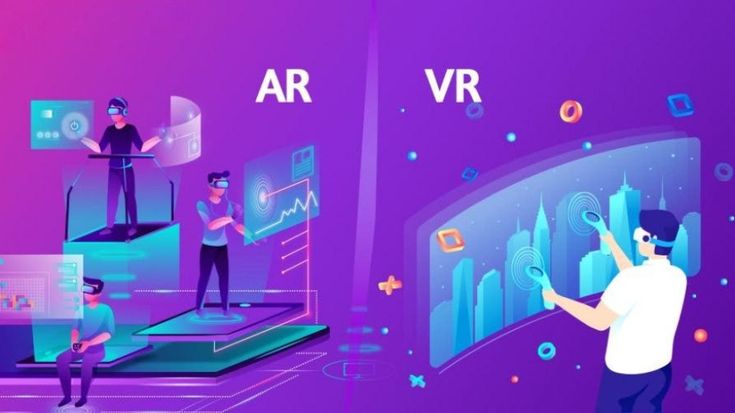
Augmented Reality (AR) and Virtual Reality (VR) are revolutionizing industries like gaming, healthcare, real estate, and education. If you want to break into this exciting field, here’s a step-by-step guide to learning AR/VR effectively.

1. Understand the Basics of AR and VR

Before diving into development, you need to understand the fundamental differences between AR and VR:

  • Augmented Reality (AR) enhances the real world with digital elements (e.g., Pokémon GO, Snapchat filters).
  • Virtual Reality (VR) creates an entirely digital environment (e.g., Oculus Rift, HTC Vive experiences).

Familiarize yourself with popular AR and VR applications to get an idea of how these technologies work in real-world scenarios.

2. Learn Programming Languages

To develop AR/VR applications, knowledge of programming languages is essential. The most commonly used languages include:

  • C# – Used with Unity for AR/VR development.
  • C++ – Preferred for high-performance VR applications.
  • Python & JavaScript – Used in some AR/VR web-based applications.

If you’re new to programming, start with Python or C# as they are beginner-friendly.

3. Master AR/VR Development Platforms

Several platforms and tools are widely used for AR/VR development:

  • Unity3D (Best for beginners, supports AR/VR development with C#)
  • Unreal Engine (Great for high-quality VR applications, uses C++)
  • ARKit (iOS) and ARCore (Android) for mobile AR development
  • Vuforia and Microsoft HoloLens for AR applications

4. Get Hands-On with AR/VR Hardware

Practical experience is key. Invest in AR/VR devices to test your applications:

  • AR Devices: Microsoft HoloLens, Magic Leap, Smartphones (ARKit & ARCore-supported phones)
  • VR Headsets: Oculus Quest, HTC Vive, PlayStation VR, Valve Index
5. Take Online Courses and Tutorials

There are many online resources to learn AR/VR development:

  • Coursera & Udacity – Offer beginner to advanced courses.
  • YouTube Tutorials – Free step-by-step AR/VR guides.
  • Udemy & Pluralsight – Affordable courses with hands-on projects.
  • Official Unity & Unreal Engine Documentation – Best for in-depth learning.

6. Build AR/VR Projects

The best way to learn is by doing. Start small:

  • Basic AR Apps – Develop a simple AR object placement app using ARKit or ARCore.
  • VR Environments – Create a basic VR world using Unity or Unreal Engine.
  • Gaming & Training Simulations – Try interactive AR/VR experiences to enhance skills.

7. Join AR/VR Communities & Attend Events

Networking with professionals and enthusiasts will help you learn and stay updated:

  • Reddit (r/AR_MR_XR, r/oculus, r/virtualreality)
  • Facebook Groups & LinkedIn Communities
  • Meetups, Hackathons, and Conferences (e.g., AWE, GDC, CES)

8. Stay Updated with Industry Trends

AR/VR technology is rapidly evolving. Follow blogs, podcasts, and YouTube channels to keep up with the latest developments:

  • Road to VR
  • Upload VR
  • Oculus Developer Blog
  • Unity & Unreal Engine Blogs

9. Work on a Portfolio and Apply for Jobs

Once you’ve built a few projects, showcase your skills through a portfolio. Some career paths in AR/VR include:

  • AR/VR Developer
  • 3D Modeler & Designer
  • Game Developer
  • AR/VR UX/UI Designer

You can find AR/VR jobs on platforms like LinkedIn, Upwork, and Indeed.

Final Thoughts

Learning AR/VR requires dedication and practice, but with the right approach, you can build a successful career in this innovative field. Start small, keep experimenting, and stay connected with the AR/VR community. Happy coding!


How Do I Learn Fashion Designing from Home?

Fashion designing is an exciting and creative field that many aspiring designers want to pursue. While traditional fashion schools provide structured education, you can also learn fashion designing from home with the right approach. Here’s a step-by-step guide to help you get started.

1. Understand the Basics of Fashion Design

Before diving into hands-on skills, familiarize yourself with fundamental concepts such as:

  • Fashion history and trends
  • Fabrics and textiles
  • Color theory
  • Fashion illustration
  • Pattern making and draping

Online resources like blogs, YouTube tutorials, and fashion courses can provide essential knowledge on these topics.

2. Take Online Fashion Design Courses

Many reputable platforms offer online courses in fashion design, including:

  • Coursera
  • Udemy
  • Skillshare
  • MasterClass
  • FutureLearn

These courses cover everything from basic sketching to advanced garment construction, allowing you to learn at your own pace.

3. Develop Your Sketching Skills

Sketching is an essential skill for fashion designers. Practice drawing fashion figures and garment designs using:

  • Online tutorials
  • Fashion design books
  • Digital drawing tools like Adobe Illustrator or Procreate

You don’t need to be an expert artist, but improving your sketching ability helps bring your ideas to life.

4. Learn Sewing and Pattern Making

A fashion designer should understand how clothes are made. Start by:

  • Learning basic hand and machine sewing techniques
  • Practicing pattern drafting
  • Experimenting with draping fabric on a dress form

You can find step-by-step tutorials on YouTube or enroll in online sewing classes.

5. Get Hands-on Experience

Apply your knowledge by working on small projects, such as:

  • Creating simple garments
  • Upcycling old clothes
  • Experimenting with different fabrics and designs

Practice helps refine your skills and build confidence in designing.

6. Follow Fashion Trends and Industry News

Stay updated with fashion trends by:

  • Reading fashion magazines like Vogue and Elle
  • Following designers and fashion influencers on social media
  • Watching fashion shows and documentaries

Understanding trends helps you create relevant and stylish designs.

7. Build a Portfolio

A strong portfolio showcases your best work and helps in job applications or launching your own brand. Include:

  • Fashion sketches
  • Photos of finished garments
  • Mood boards and design inspirations

Consider creating a digital portfolio using platforms like Behance or Instagram to share your designs.

8. Network and Seek Mentorship

Connect with fashion professionals through:

  • Online communities and forums
  • Social media groups
  • Virtual workshops and webinars

Networking can open doors to opportunities and valuable insights into the fashion industry.

9. Consider Starting Your Own Brand

If you’re confident in your skills, you can launch your fashion brand from home by:

  • Designing and selling custom clothing
  • Using e-commerce platforms like Etsy, Shopify, or Instagram
  • Marketing your designs through social media

Starting small and gradually expanding can help you turn your passion into a business.

Conclusion

Learning fashion designing from home is entirely possible with dedication and the right resources. By studying theory, practicing hands-on skills, and staying updated with industry trends, you can build a strong foundation in fashion design. Whether you aspire to work for a brand or start your own, the key is to keep learning and creating.

Do Graphic Designers Need to Have the Ability to Draw?

One of the most common questions aspiring graphic designers ask is whether they need to have strong drawing skills to succeed in the field. While drawing can be an asset, it is not a strict requirement for a career in graphic design. Let’s explore why.

Graphic Design vs. Illustration

Graphic design and illustration are often confused, but they serve different purposes. Graphic design focuses on visual communication through typography, layout, and digital tools, whereas illustration involves hand-drawn or digital artwork. Many successful graphic designers create stunning work without traditional drawing skills.

Key Skills for Graphic Designers

Instead of drawing, graphic designers rely on other essential skills, such as:

  • Typography: Understanding and using fonts effectively to convey a message.
  • Color Theory: Choosing and combining colors to create visually appealing designs.
  • Composition and Layout: Arranging elements to guide the viewer’s eye.
  • Software Proficiency: Mastering tools like Adobe Photoshop, Illustrator, and Figma.
  • Creativity and Problem-Solving: Developing unique design solutions for clients.

When Drawing Skills Can Help

Although not mandatory, drawing skills can be beneficial in certain scenarios:

  • Sketching Ideas Quickly: Hand-drawn sketches can help visualize concepts before digital execution.
  • Custom Illustrations: Some projects require hand-drawn elements that make designs more unique.
  • Storyboarding: Creating rough sketches to plan animations or user experiences.

Alternative Ways to Create Without Drawing

For designers who don’t draw, there are plenty of ways to produce creative work:

  • Using Stock Graphics and Icons: Pre-made assets can enhance designs.
  • Photo Manipulation: Editing and combining images to create compelling visuals.
  • Vector Design: Creating clean, scalable graphics without freehand drawing.
  • Typography-Based Design: Focusing on text and layout rather than hand-drawn elements.

Conclusion

While drawing skills can be a useful tool in a graphic designer’s toolkit, they are not a necessity. Graphic design is more about visual communication, creativity, and software proficiency than the ability to draw. Whether or not you can sketch, you can still build a successful career in graphic design with the right skills and dedication.


The Best UI/UX Design Books to Read in 2024

UI/UX design is an ever-evolving field that requires a mix of creativity, psychology, and technical skills. Whether you’re a beginner or a seasoned designer, books remain one of the best resources for mastering design principles, user experience strategies, and the latest industry trends. Here’s a list of some of the best UI/UX design books in 2024 that can help you enhance your skills.

1. “Don’t Make Me Think” by Steve Krug

This classic book is a must-read for anyone interested in user experience (UX) design. Steve Krug breaks down usability principles in a simple and engaging manner. It provides practical advice on making websites and apps intuitive and user-friendly.

2. “The Design of Everyday Things” by Don Norman

A foundational book in design thinking, Don Norman explains the psychology behind good design. He discusses how usability and human-centered design impact product success, making this book essential for UI/UX designers who want to create meaningful user experiences.

3. “Hooked: How to Build Habit-Forming Products” by Nir Eyal

This book explores how designers can create products that keep users engaged. Nir Eyal introduces the “Hook Model,” a four-step process that companies use to build habit-forming digital experiences. It’s particularly useful for UX designers working on apps and digital platforms.

4. “Laws of UX: Using Psychology to Design Better Products & Services” by Jon Yablonski

Understanding human psychology is crucial for effective UI/UX design. This book covers various psychological principles that influence how users interact with digital products, helping designers create more intuitive and engaging interfaces.

5. “Refactoring UI” by Adam Wathan & Steve Schoger

A great resource for developers and designers, this book focuses on practical UI design improvements. It provides actionable insights on how to refine and enhance user interfaces without relying on complex theories.

6. “100 Things Every Designer Needs to Know About People” by Susan Weinschenk

This book dives into the psychology of human behavior and how it applies to design. It covers topics like attention, perception, and decision-making, helping UI/UX designers craft user-friendly products that resonate with users.

7. “Sprint: How to Solve Big Problems and Test New Ideas in Just Five Days” by Jake Knapp

For designers and teams looking to streamline their design process, this book introduces a structured five-day approach to quickly prototype and test ideas. It’s an excellent guide for UX teams aiming to improve efficiency and innovation.

8. “UX Strategy” by Jaime Levy

This book focuses on integrating UX design with business strategy. It provides insights into conducting user research, defining user needs, and aligning design with business goals—essential for designers working in product development.

9. “The Elements of User Experience” by Jesse James Garrett

This book provides a structured approach to UX design, covering five key elements: strategy, scope, structure, skeleton, and surface. It’s a comprehensive guide for those who want to understand UX design at a deeper level.

10. “Lean UX: Designing Great Products with Agile Teams” by Jeff Gothelf & Josh Seiden

For UI/UX designers working in agile environments, this book emphasizes collaboration, rapid iteration, and continuous learning. It’s ideal for those looking to integrate UX design into modern product development workflows.

Final Thoughts

UI/UX design is a field that requires continuous learning and adaptation. These books offer a wealth of knowledge, from foundational principles to advanced design strategies. Whether you’re just starting or looking to refine your expertise, these resources can help you stay ahead in the world of UI/UX design.

What Are Some Good Facts About Human Psychology?

Human psychology is a fascinating and complex field that influences every aspect of our thoughts, behaviors, and emotions. Understanding psychological principles can help us improve our relationships, decision-making, and overall well-being. Here are some intriguing facts about human psychology that shed light on the workings of the human mind.

1. The Power of the Subconscious Mind

The subconscious mind processes information much faster than the conscious mind. Studies suggest that around 95% of our daily actions and decisions are driven by subconscious processes rather than deliberate thought.

2. The Mere Exposure Effect

People tend to develop a preference for things they are repeatedly exposed to. This psychological phenomenon, known as the Mere Exposure Effect, explains why familiar faces, brands, and even songs become more likable over time.

3. Emotions Can Influence Memory

Strong emotions—both positive and negative—enhance memory retention. This is why people vividly remember significant life events, such as weddings or accidents, but struggle to recall routine daily activities.

4. The Halo Effect

We tend to assume that attractive people have positive qualities beyond their physical appearance, such as intelligence or kindness. This cognitive bias, known as the Halo Effect, influences our judgments in hiring decisions, social interactions, and media portrayals.

5. Dopamine and Motivation

Dopamine, a neurotransmitter in the brain, plays a crucial role in motivation and reward-seeking behavior. It reinforces positive behaviors, making activities like exercising, socializing, and achieving goals more satisfying.

6. The Influence of Body Language

Nonverbal cues, such as facial expressions, gestures, and posture, can communicate emotions and intentions more effectively than words. Research suggests that body language accounts for more than 50% of human communication.

7. Cognitive Dissonance and Belief Adjustment

People experience discomfort when their actions contradict their beliefs, a phenomenon known as cognitive dissonance. To reduce this discomfort, individuals often adjust their beliefs to align with their behaviors, explaining why people rationalize past decisions.

8. Social Proof and Group Behavior

Humans are naturally influenced by the behaviors and opinions of others. The concept of social proof explains why people are more likely to follow trends, adopt new habits, or trust popular products and services.

9. The Impact of Gratitude on Happiness

Practicing gratitude has been scientifically proven to increase happiness and overall well-being. Expressing thankfulness helps shift focus from negative thoughts to positive experiences, improving mental health.

10. Sleep and Memory Consolidation

Adequate sleep plays a critical role in memory retention and learning. During sleep, the brain consolidates new information, strengthens neural connections, and enhances problem-solving abilities.

Conclusion

Human psychology is full of fascinating insights that explain our thoughts, behaviors, and emotions. By understanding these psychological principles, we can improve our interactions, mental health, and daily decision-making. Whether it’s the power of the subconscious mind, the impact of emotions on memory, or the benefits of gratitude, these facts offer valuable lessons for personal growth and well-being.


In the Future, Will There Be Any Difference Between Genetic Engineering and Nanotechnology?

The fields of genetic engineering and nanotechnology are both at the forefront of scientific innovation, each promising groundbreaking advancements in medicine, industry, and environmental solutions. While these disciplines are distinct today, the rapid pace of technological progress raises an important question: Will there be a clear distinction between genetic engineering and nanotechnology in the future?

Understanding Genetic Engineering and Nanotechnology

Genetic engineering involves the direct manipulation of an organism’s DNA to alter its characteristics. This field has led to innovations such as genetically modified organisms (GMOs), gene therapy, and CRISPR-based genome editing, transforming agriculture and medicine.

Nanotechnology, on the other hand, is the science of manipulating matter at the molecular and atomic level, typically at a scale of 1 to 100 nanometers. Applications of nanotechnology span various industries, including medicine (nanomedicine), electronics, and materials science.

The Convergence of Genetic Engineering and Nanotechnology

Despite their differences, genetic engineering and nanotechnology are increasingly intersecting, leading to advancements such as:

  1. Nano-Biotechnology – Nanoparticles are being used to deliver genetic material directly into cells, improving the efficiency and precision of gene therapy.
  2. DNA Nanotechnology – Scientists are designing nanoscale structures using DNA, allowing for programmable biological systems.
  3. Synthetic Biology – This emerging field integrates genetic engineering with nanotechnology to create novel biological functions and organisms.
  4. Targeted Drug Delivery – Combining nanotechnology with genetic engineering enables precise treatment of diseases at the cellular level, minimizing side effects.

Will the Distinction Disappear?

As technology progresses, the boundary between these two fields may blur, leading to interdisciplinary innovations that redefine both disciplines. However, fundamental differences will likely persist:

  • Focus Areas: Genetic engineering is centered on altering biological systems, while nanotechnology manipulates materials at an atomic or molecular level, including non-biological applications.
  • Ethical and Regulatory Differences: Genetic engineering raises concerns about ecological impact and bioethics, whereas nanotechnology is more focused on material safety and potential toxicity.
  • Methodologies: The tools and techniques used in each field, while overlapping, maintain unique methodologies tailored to their respective applications.

Conclusion

While genetic engineering and nanotechnology may continue to integrate, their core principles and applications will likely remain distinct. However, future scientific breakthroughs could blur these boundaries, creating new hybrid fields that leverage the strengths of both disciplines. As these technologies evolve, society must carefully consider the ethical, regulatory, and safety implications of their convergence.

Form submitted! Our team will reach out to you soon.
0
    0
    Your Cart
    Your cart is emptyReturn to Course