What is the Difference Between Working in Analytics and Data Science?

In today’s data-driven world, careers in analytics and data science are booming. Both fields offer exciting opportunities to work with data, solve business problems, and influence decision-making. But while they often overlap, analytics and data science are not the same. Each requires different skill sets, tools, and goals.

So, what’s the real difference between working in analytics and data science? Let’s break it down in simple terms.


1. Purpose and Focus

✅ Data Analytics:

The main goal of data analytics is to examine existing data to find actionable insights.

  • It answers: What happened? Why did it happen?

  • It’s more descriptive and diagnostic.

🧠 Data Science:

Data science goes a step further. It uses data to predict the future and build models that automate decision-making.

  • It answers: What will happen? How can we make it happen?

  • It’s more predictive and prescriptive.


2. Tools and Techniques

Data Analytics Tools:

  • Excel

  • SQL

  • Tableau/Power BI

  • Python (for data wrangling and basic analysis)

Techniques include:

  • Data cleaning

  • Dashboard creation

  • Trend analysis

  • Business reporting

Data Science Tools:

  • Python & R

  • Jupyter Notebook

  • TensorFlow, PyTorch

  • Big data tools (like Hadoop, Spark)

Techniques include:

  • Machine learning

  • Predictive modeling

  • Natural language processing (NLP)

  • Deep learning


3. Skill Sets Required

Skill Analytics Data Science
Math & Stats Basic to Intermediate Advanced
Programming Basic SQL/Python Advanced Python/R
Business Knowledge Essential Important
Machine Learning Rarely used Core skill
Data Visualization Strong focus Also used

4. Type of Work

In Analytics:

You might work as a Business Analyst or Data Analyst, helping departments understand performance metrics, creating visual reports, and assisting in decision-making.

Examples:

  • Analyzing customer churn

  • Reporting monthly sales trends

  • Identifying marketing campaign effectiveness

In Data Science:

You could work as a Data Scientist or Machine Learning Engineer, building predictive models and solving complex problems using algorithms.

Examples:

  • Predicting customer behavior using machine learning

  • Building recommendation systems

  • Developing fraud detection systems


5. Business Impact

  • Analytics improves operational efficiency and short-term business performance.

  • Data Science drives innovation and long-term strategy by building intelligent systems.


6. Career Growth

Both fields offer excellent career prospects:

  • Analytics roles can lead to positions like Data Analytics Manager or BI Director.

  • Data science roles can grow into positions like AI Researcher, Lead Data Scientist, or Chief Data Officer.


Conclusion

While data analytics and data science share similarities, they serve different purposes. Think of analytics as exploring and interpreting what’s already happened, while data science is about predicting what’s next and shaping the future using advanced algorithms.

Whether you prefer working with dashboards and KPIs or building machine learning models, both fields offer exciting and high-impact careers. Your choice depends on your strengths, interests, and long-term goals.

What Things Do I Need to Develop an Artificial Intelligence?

Artificial Intelligence (AI) is transforming industries—from healthcare and finance to entertainment and transportation. But have you ever wondered what it actually takes to develop your own AI system? Whether you’re a curious beginner or an aspiring AI engineer, understanding the essential components of AI development is your first step.

In this blog, we’ll break down the key tools, skills, and resources you need to build an AI system from scratch.


1. A Clear Problem Statement

Before diving into any code or algorithm, ask yourself: What do I want this AI to do?

You need to define a specific problem. Is it image recognition? Language translation? Stock market prediction? A well-defined objective helps guide your choice of data, algorithms, and tools.


2. A Strong Foundation in Mathematics

AI, especially machine learning and deep learning, relies heavily on:

  • Linear Algebra – Vectors, matrices, and tensors.

  • Probability & Statistics – For pattern detection and predictions.

  • Calculus – For optimizing learning algorithms.

You don’t need to be a math genius, but understanding these concepts is crucial to building efficient AI systems.


3. Programming Skills

Most AI development is done using programming languages like:

  • Python (most popular due to its readability and libraries)

  • R (great for statistical modeling)

  • Java or C++ (for high-performance AI systems)

Python is highly recommended for beginners due to powerful libraries like TensorFlow, PyTorch, scikit-learn, and pandas.


4. Data—The Fuel of AI

AI models learn from data. The more quality data you have, the better your AI will perform.

You’ll need:

  • Labeled datasets (for supervised learning)

  • Large volumes of unstructured data (for deep learning models)

  • Data cleaning and preprocessing tools to remove noise

Good sources: Kaggle, UCI Machine Learning Repository, Google Dataset Search.


5. The Right Hardware

AI can be computationally expensive. Depending on your project, you might need:

  • A powerful CPU (for basic models)

  • A GPU (for deep learning, especially neural networks)

  • Cloud services like Google Colab, AWS, or Azure if you lack local resources


6. Machine Learning & Deep Learning Libraries

Leverage open-source libraries to save time and effort:

  • TensorFlow and Keras – Deep learning frameworks

  • PyTorch – Flexible deep learning library

  • scikit-learn – Classic machine learning algorithms

  • OpenCV – For image processing

  • NLTK or spaCy – For natural language processing

These tools make it easier to build, train, and deploy AI models.


7. Understanding AI Algorithms

You’ll need to get comfortable with common algorithms such as:

  • Linear Regression, Decision Trees, SVM

  • Neural Networks (CNN, RNN, Transformers)

  • Clustering (K-means, DBSCAN)

  • Reinforcement Learning (Q-Learning, Policy Gradients)

Each algorithm suits different types of problems and data structures.


8. Model Evaluation and Optimization Techniques

Building the model is just part of the process. You also need to:

  • Validate performance using metrics like accuracy, precision, recall, and F1-score

  • Tune hyperparameters to improve results

  • Cross-validate to avoid overfitting


9. Version Control and Collaboration Tools

If you’re working in a team or on a long-term project:

  • Use Git/GitHub for version control

  • Document your work and track experiments

  • Collaborate using platforms like Jupyter Notebook, Google Colab, or Visual Studio Code


10. A Continuous Learning Mindset

AI is evolving rapidly. To stay relevant, keep learning about:

  • New research (via arXiv, Medium, and GitHub)

  • Updated tools and frameworks

  • Real-world AI applications and case studies

Joining AI communities, forums, and attending workshops or courses can help you grow continuously.


Conclusion

Developing AI isn’t about mastering one tool or programming language. It’s a blend of the right knowledge, tools, and mindset. Start small, build projects, and stay curious.

By combining a strong foundation in math, programming skills, good datasets, and the right frameworks, you’ll be well on your way to creating intelligent systems that can truly make an impact.

What Is Cybersecurity and What Are Its Uses?

In an increasingly digital world, where personal, business, and government data are constantly being exchanged and stored online, the importance of cybersecurity has never been more critical. Cybersecurity is a term you’ve probably heard frequently, but what exactly does it mean? And how does it impact your daily life? Let’s explore what cybersecurity is, why it’s so important, and its various uses across different sectors.

What Is Cybersecurity?

Cybersecurity refers to the practice of protecting systems, networks, devices, and data from digital attacks, theft, and damage. These attacks can come in many forms, such as hacking, phishing, ransomware, or malware. Cybersecurity involves a range of tools, policies, and practices designed to prevent unauthorized access, disruption, or destruction of information.

At its core, cybersecurity aims to ensure the confidentiality, integrity, and availability of data, often abbreviated as CIA:

  • Confidentiality: Ensuring that sensitive information is accessed only by authorized individuals.

  • Integrity: Ensuring that data is accurate and hasn’t been tampered with.

  • Availability: Ensuring that information and systems are available and accessible when needed.

As businesses, governments, and individuals rely more heavily on technology, the need for robust cybersecurity measures has grown exponentially.

Why Is Cybersecurity Important?

Cybersecurity is crucial for several reasons:

  1. Protection of Sensitive Data: With sensitive personal data being stored and transmitted online—ranging from financial information to medical records—cybersecurity helps protect this data from falling into the wrong hands.

  2. Safeguarding Businesses: Cyberattacks can severely damage a company’s reputation, finances, and operations. A data breach can lead to the theft of customer data, which might result in lost trust and financial penalties. Cybersecurity helps businesses defend against these threats.

  3. Preventing Identity Theft: Identity theft is one of the fastest-growing crimes worldwide. Cybersecurity measures like encryption and multi-factor authentication help protect personal data from being stolen or misused.

  4. Ensuring National Security: Cybersecurity plays a critical role in safeguarding a nation’s infrastructure, military, and government operations from cyberattacks that could compromise security.

  5. Protecting Public Services: Many public services—such as healthcare, education, and transportation—rely on digital systems. Cybersecurity ensures that these services are protected from disruption and remain functional for the public.

What Are the Uses of Cybersecurity?

Cybersecurity has a wide range of uses that are vital to both individuals and organizations. Let’s look at some of the key areas where cybersecurity is essential:

1. Data Protection

Cybersecurity is primarily used to protect data. Whether you’re using an online banking app, shopping on an e-commerce website, or storing personal photos in the cloud, your data is vulnerable to various types of attacks. Cybersecurity measures, such as encryption and secure firewalls, help protect your data from hackers, ensuring that it remains private and secure.

2. Network Security

Network security refers to the protection of internal and external networks from unauthorized access and attacks. This includes securing wireless networks, protecting against malware, and ensuring that businesses and individuals can safely use the internet without fear of intrusion. Firewalls, VPNs (Virtual Private Networks), and intrusion detection systems are commonly used for network security.

3. Application Security

Application security involves safeguarding software applications from threats during development and use. Hackers often target vulnerabilities in applications to gain access to sensitive information. To mitigate this risk, businesses use secure coding practices, conduct vulnerability assessments, and implement regular security updates.

4. Endpoint Security

Endpoint security is used to protect devices such as smartphones, tablets, and laptops from being compromised. These devices often serve as entry points for cyberattacks. Anti-virus software, device encryption, and mobile security apps are examples of endpoint security measures that help protect individual devices.

5. Cloud Security

As businesses and individuals increasingly rely on cloud services for data storage, cybersecurity is essential in ensuring the security of this data in the cloud. Cloud security involves using encryption, identity and access management, and multi-factor authentication to protect data stored online.

6. Incident Response and Recovery

When a cyberattack occurs, incident response teams are responsible for detecting the breach, containing it, and recovering from any damage. Effective incident response plans help organizations quickly respond to attacks, minimize the impact, and restore normal operations. This includes using backup systems, conducting forensic investigations, and implementing lessons learned to improve future security.

7. Security for IoT (Internet of Things)

With the rise of connected devices, such as smart home systems, wearables, and industrial IoT devices, cybersecurity is critical in ensuring these devices are secure from hacking. IoT devices often lack built-in security, which makes them vulnerable to cyberattacks. Cybersecurity measures ensure that data transmitted between devices is secure, and the devices themselves are protected from unauthorized access.

8. Cybersecurity for Remote Work

As remote work becomes more common, cybersecurity ensures that remote employees can access company data securely. This involves the use of secure connections, virtual private networks (VPNs), secure collaboration tools, and data encryption to prevent unauthorized access and protect sensitive information.

Conclusion

Cybersecurity is more than just a technical requirement—it is a fundamental aspect of our digital lives. As our reliance on technology grows, so does the need to protect the data, systems, and networks we use daily. From protecting personal information and securing business operations to defending national security, cybersecurity plays a vital role in ensuring safety and trust in the digital world.

Do Android Developers Earn More Than iOS Developers?

In the ever-evolving world of mobile app development, Android and iOS developers are both in high demand. As businesses strive to create apps that cater to the millions of users on these two major platforms, the question of whether Android developers earn more than iOS developers is a topic of considerable debate. While both career paths offer lucrative opportunities, various factors contribute to how their salaries compare. Let’s dive into the specifics to determine if Android developers really earn more than their iOS counterparts.

1. The Basics of Android and iOS Development

Before we explore the salary differences, it’s essential to understand the distinctions between Android and iOS development.

  • Android Development: Android developers build applications for devices running on Google’s Android operating system. They typically use Java, Kotlin, or other languages to create apps that run across a wide range of devices, from smartphones to tablets, wearables, and even cars.

  • iOS Development: iOS developers create apps for Apple devices, including iPhones, iPads, Macs, and more. They primarily use Swift or Objective-C, with a strong focus on building seamless, high-quality experiences within the Apple ecosystem.

Both Android and iOS developers must be proficient in platform-specific tools, design guidelines, and the programming languages associated with their platform of choice.

2. Factors That Influence Salaries

The salary differences between Android and iOS developers are influenced by several factors, including:

  • Market Demand:

    • Android: Android is the dominant mobile operating system worldwide, with a market share that far exceeds iOS in many regions, especially in developing countries. Due to the sheer number of Android devices, businesses often prioritize Android development to reach the widest possible audience. This results in high demand for Android developers.

    • iOS: While iOS has a smaller market share globally, it holds a significant portion of the premium market, especially in the U.S. and Europe. iOS users are often seen as wealthier and more willing to spend money on apps, which can be an attractive opportunity for developers.

  • Skillset and Expertise: Both Android and iOS development require specialized skills. However, iOS development tends to have a steeper learning curve, with Swift being considered more difficult to master than Java or Kotlin. The tools and frameworks used in iOS development (such as Xcode and the Apple Developer ecosystem) are often considered more refined but also more restrictive. Developers with expertise in these areas may command higher salaries due to the higher level of specialization required.

  • Experience: Like any tech role, experience plays a significant part in determining salary. Experienced developers on either platform can command higher salaries. However, because iOS development often involves working within a more controlled environment, senior iOS developers are often paid a premium for their ability to navigate the intricacies of Apple’s ecosystem.

  • Location: Salaries for both Android and iOS developers vary significantly by region. In areas with a high cost of living, such as Silicon Valley or New York, salaries for both types of developers are typically higher. However, iOS developers in these regions may earn more due to the higher demand for iOS apps among premium users.

3. Salary Comparison: Android vs. iOS Developers

Let’s look at some rough figures to get an idea of the salary comparison:

  • Average Salary for Android Developers:
    According to various salary aggregation websites, Android developers in the U.S. typically earn between $70,000 to $120,000 annually, depending on experience and location. In tech hubs like San Francisco, this figure can rise significantly, with experienced developers earning $130,000+ per year.

  • Average Salary for iOS Developers:
    iOS developers generally earn slightly more on average. U.S. salaries for iOS developers range from $75,000 to $125,000, with experienced iOS developers commanding salaries in the $140,000+ range. In cities like San Francisco or New York, senior iOS developers can make over $150,000 annually.

While the salaries of both Android and iOS developers overlap significantly, iOS developers often have the edge in certain markets due to the premium nature of Apple’s ecosystem and the specialized skills required.

4. Is There a Clear Winner?

While iOS developers might have a slight edge in salary averages, especially in certain regions, the difference is not huge. Android developers can still earn competitive salaries, and their job prospects are often equally strong, particularly in regions with large Android user bases.

It’s also worth noting that the choice between Android and iOS development often comes down to personal preference, company requirements, and long-term career goals. If you’re passionate about building apps for Apple’s ecosystem and are willing to dive deep into the unique challenges of iOS development, the slightly higher salary may be worth the extra effort. On the other hand, if you prefer working with Java, Kotlin, and a broader range of devices, Android development offers excellent career prospects.

5. Career Growth Potential

Both Android and iOS development offer strong career growth opportunities, but the path may differ:

  • Android: The sheer variety of devices and the open-source nature of Android development offer greater flexibility and exposure to a wide range of industries. This can lead to more diverse job opportunities and the possibility of higher earnings through freelance or contract work.

  • iOS: Apple’s tight-knit ecosystem offers developers the opportunity to work on high-quality, premium apps that can attract higher-paying clients. Furthermore, the trend of the growing number of iOS devices and services like the App Store means that iOS developers have access to a more targeted and lucrative market, especially in the premium app development space.

Conclusion

In general, iOS developers tend to earn slightly more than Android developers on average, particularly in markets where Apple has a strong presence. However, Android developers still enjoy excellent career prospects, especially in regions with a large Android user base. The difference in salary is often marginal, and both platforms offer competitive opportunities for developers.

Why Is Web Development So Important for Business Success?

In today’s digital world, the importance of web development in business cannot be overstated. Whether you’re running a small startup or managing a large enterprise, having a strong online presence is crucial for attracting customers, building brand credibility, and expanding your reach. Web development is the foundation of that online presence, and its role in business success is multifaceted. Here’s why web development is so vital for your business:

1. First Impressions Matter

In the digital age, your website is often the first point of contact with potential customers. It’s the virtual face of your business. A well-designed, functional website gives visitors a positive first impression of your company. If your site is visually appealing, easy to navigate, and mobile-friendly, it reflects positively on your brand and encourages users to engage further.

Conversely, a poorly designed website or one with slow load times can turn potential customers away. In fact, studies show that 38% of users will stop engaging with a website if the content or layout is unattractive. A strong web development strategy ensures that your site makes a positive impact right from the start.

2. Enhanced User Experience (UX)

User experience plays a crucial role in business success. If users find your website easy to use, intuitive, and efficient, they are more likely to stay longer and make purchases. Good web development goes beyond aesthetics – it includes thoughtful design, seamless navigation, and fast load times. Optimizing the user experience can result in higher conversion rates and customer satisfaction.

A well-developed website also ensures accessibility, making your business inclusive to people with disabilities. This increases your brand’s reputation and broadens your customer base.

3. Improved Search Engine Ranking (SEO)

Web development is closely tied to SEO (Search Engine Optimization), which helps improve your website’s ranking on search engines like Google. A technically sound website that loads quickly, uses proper headings, meta tags, and has structured data is more likely to rank higher in search results. A high search engine ranking makes it easier for customers to find your business, driving organic traffic to your site.

Search engines also reward websites that are mobile-friendly and have secure HTTPS protocols. This means investing in web development can directly impact your visibility and business growth.

4. Increased Credibility and Trust

A professionally designed website gives your business credibility. If your site is functional, visually appealing, and up-to-date, customers are more likely to trust your brand. A website that is easy to navigate and contains valuable content will make your audience feel confident in your expertise and professionalism.

Moreover, providing essential information such as business hours, contact details, and customer testimonials can further enhance trust. Customers expect businesses to have an online presence, and a credible website can give you a competitive edge.

5. Mobile Accessibility

With the rise of mobile internet usage, having a mobile-friendly website is no longer optional – it’s essential. Responsive web design ensures that your website adapts to different screen sizes, providing a consistent user experience across devices, whether it’s a smartphone, tablet, or desktop.

Mobile optimization is particularly important for businesses looking to attract customers on the go. According to Statista, 54.8% of global website traffic in 2024 is expected to come from mobile devices. Ignoring this shift could mean missing out on a significant portion of potential customers.

6. E-Commerce Capabilities

For businesses in the retail or service sectors, e-commerce has become an essential part of the revenue model. Web development allows businesses to set up secure online stores, manage inventory, accept payments, and engage customers through features like live chat and product recommendations.

A seamless e-commerce experience can significantly increase sales, reaching a global audience, and offering convenience to customers who prefer to shop online. Features like secure checkout systems, user reviews, and personalized product recommendations can drive conversions and repeat business.

7. Competitive Advantage

A well-developed website gives your business a competitive edge. Your competitors are likely investing in their online presence, so staying ahead of the curve with a modern, user-friendly, and responsive website is crucial for standing out in a crowded market.

A strong website can serve as a marketing tool, allowing you to share valuable content, run campaigns, and connect with your audience through blogs, social media integration, and newsletters. It can also offer better analytics to track user behavior and improve your marketing strategy.

8. Scalability and Flexibility

As your business grows, your website must evolve to meet changing demands. Web development allows you to build scalable solutions that can accommodate increased traffic, new features, and updated content. Whether you’re adding a blog, expanding your product range, or integrating new technology, a flexible website infrastructure ensures that your site grows along with your business.

Investing in the right web development tools and practices today can save you time and money in the long run. You’ll be able to implement changes and updates more easily without the need for a complete website overhaul.

Conclusion

Web development is no longer just a technical necessity; it’s a strategic business tool that directly impacts your success. A well-designed, user-friendly, and functional website enhances your brand’s reputation, increases visibility, improves the customer experience, and drives sales. It is the backbone of your online presence and an essential part of your business strategy.

In the competitive digital landscape, investing in web development is a step toward long-term success. Whether you’re a small business or a large corporation, the right website can help you attract customers, increase conversions, and ultimately grow your business.

Do Software Engineers or Robotics Engineers Earn More Money?

In today’s fast-evolving tech landscape, careers in engineering are more lucrative than ever. Two roles often compared are software engineering and robotics engineering. Both are high-skill, high-demand professions — but which one pays more?

Let’s break it down by comparing average salaries, job demand, industry trends, and what might influence your earning potential in each field.


💼 What Do They Do?

Software Engineers:
They design, develop, and maintain software applications for web, mobile, desktop, or cloud platforms. Their work is essential in nearly every industry — from finance and healthcare to gaming and AI.

Robotics Engineers:
They design, build, and program robots and robotic systems. Their role is multidisciplinary, involving mechanical engineering, electronics, and software development — often in fields like manufacturing, healthcare robotics, autonomous vehicles, or defense.


💸 Salary Comparison: Software Engineer vs. Robotics Engineer

Here’s a general look at salaries (as of recent 2024 data):

Role Entry-Level (0–2 yrs) Mid-Level (3–6 yrs) Senior (7+ yrs)
Software Engineer $70,000 – $110,000 $110,000 – $150,000 $150,000 – $200,000+
Robotics Engineer $75,000 – $115,000 $110,000 – $145,000 $140,000 – $180,000+

➡️ Verdict:
On average, software engineers earn slightly more, especially in senior roles and tech hubs like Silicon Valley, Seattle, or New York. However, robotics engineers can also command high salaries in specialized industries like aerospace, medical robotics, and defense.


🏭 Industry Demand & Growth

  • Software Engineers:
    Demand is extremely high, with growth fueled by digital transformation across every industry. Software jobs are also more flexible — offering options for remote work, freelance, or startup roles.

  • Robotics Engineers:
    The field is growing fast, driven by automation, AI integration, and the rise of autonomous systems. However, opportunities can be more niche and often tied to physical locations like manufacturing plants or research labs.


🧠 Skill Requirements
  • Software Engineers:
    Programming languages (e.g., Python, Java, C++), cloud platforms, DevOps, data structures, and algorithms.

  • Robotics Engineers:
    A blend of coding (often C++/Python), hardware integration, control systems, embedded systems, and mechatronics.

Because robotics engineering combines software with hardware, it can require broader technical expertise, which may result in higher pay for niche roles — but also a steeper learning curve.


💰 When Robotics Pays More

Robotics engineers tend to earn more than software engineers in specific situations:

  • Working in defense, aerospace, or medical robotics

  • Having advanced degrees (e.g., MS or PhD in robotics/AI)

  • Specializing in autonomous systems or AI-powered robotics

  • Working in robotics startups with equity options


🧾 Final Thoughts

Both software and robotics engineering are high-paying, future-proof careers. If your goal is maximum income with flexibility, software engineering usually has the edge. But if you’re passionate about building real-world machines and have cross-disciplinary skills, robotics can be just as rewarding — financially and creatively.

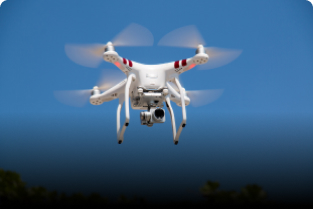
One Drone Engine Has 7 HP – Which Propeller Should Be Used?

Drones have evolved from lightweight recreational gadgets to high-powered industrial tools. With engines as powerful as 7 horsepower (HP), you’re talking about serious performance—perfect for heavy-lift drones used in agriculture, delivery, cinematography, or defense.

But here’s a critical question: what kind of propeller should be paired with a 7 HP drone engine? Choosing the right propeller is essential for performance, efficiency, and flight stability. Let’s break down what you need to consider and recommend a suitable propeller setup.


🔧 First, Understand What 7 HP Means in Drone Terms

7 HP is roughly equivalent to 5.2 kilowatts of power — much more than the typical small drone motors (which usually have less than 1 HP). This level of output can support large payloads, longer flight times, and heavier frames. You’re probably dealing with a gas-powered or high-performance electric engine used in:

  • Cargo drones

  • Agricultural spraying drones

  • Surveillance/mapping drones

  • Hybrid VTOL aircraft


🌀 Propeller Selection Factors for a 7 HP Engine

Propeller choice isn’t one-size-fits-all. The right propeller depends on multiple variables:

  1. Engine RPM (Revolutions Per Minute):

    • Higher RPMs usually need smaller-diameter propellers.

    • Lower RPMs benefit from larger, slower-spinning propellers for better thrust.

  2. Thrust Requirements:

    • What’s the total weight of the drone and payload?

    • A heavier drone needs greater static thrust, requiring a larger diameter or higher-pitch prop.

  3. Engine Type (Gas or Electric):

    • Gas engines benefit from wood or composite props for vibration damping.

    • Electric motors can run higher RPMs and use carbon fiber or plastic props.

  4. Blade Count:

    • More blades = more thrust but more drag (and power draw).

    • For 7 HP, 2-blade or 3-blade configurations are most common.


⚙️ Recommended Propeller Size for a 7 HP Drone Engine

For a drone engine with around 7 HP (5.2 kW) power output, a suitable propeller would typically fall in the range of:

  • Diameter: 24 to 30 inches

  • Pitch: 8 to 12 inches

  • Material: Carbon fiber or wood (for durability and balance)

  • Blade count: 2 or 3 blades (depending on thrust needs)


💡 Example Configuration

Let’s say you’re using a 7 HP gas engine that spins at 6,000 RPM. You might consider:

  • Propeller: 28×10 (28-inch diameter, 10-inch pitch)

  • Type: 2-blade wooden propeller (good vibration control)

  • Use Case: Agricultural or delivery drone with 10–15 kg payload

For electric engines with similar power output but lower RPM, you could opt for a larger-diameter, slow-spinning carbon fiber prop, like a 30×10.


⚠️ Important Tips
  • Always check your engine’s thrust curve and max RPM rating.

  • Use propeller testing tools or simulators like eCalc or MotoCalc to match propeller performance to your setup.

  • Balance your props before installation — imbalance can destroy bearings and ruin stability.

  • Consult your motor manufacturer’s specs for ideal propeller range.


Final Thoughts

When you’re powering your drone with a 7 HP engine, you’re entering high-performance territory. Choosing the right propeller isn’t just about size — it’s about optimizing efficiency, thrust, and endurance for your mission. By considering your engine specs, payload, and flight goals, you can select a propeller that unlocks the full potential of your drone.

How Do I Enter the AR/VR Design Industry?

Augmented Reality (AR) and Virtual Reality (VR) are no longer futuristic fantasies — they’re reshaping industries from gaming and entertainment to education, healthcare, retail, and real estate. With the global AR/VR market expected to exceed $450 billion by 2030, this field offers exciting career opportunities for designers ready to step into a world where the physical and digital merge.

But how do you actually break into AR/VR design? Whether you’re a student, a graphic designer, or someone with a tech-savvy curiosity, this guide will help you understand the skills, tools, and steps needed to launch your AR/VR design career.


1. Understand What AR/VR Design Really Involves

AR and VR design isn’t just about making things look good — it’s about creating immersive user experiences that feel natural and intuitive in 3D environments. Here’s how they differ:

  • AR (Augmented Reality): Enhances the real world by overlaying digital elements.

  • VR (Virtual Reality): Creates a fully immersive digital environment, cutting off the real world.

Designers must think spatially, understand user behavior in immersive settings, and design interfaces that work seamlessly in 3D.


2. Build a Strong Foundation in UX/UI and 3D Design

If you’re coming from traditional 2D design or UI/UX, that’s a great start — but you’ll need to expand your toolkit:

  • User-Centered Design (UCD): Understand how users interact with 3D environments differently than 2D.

  • 3D Modeling: Learn the basics of creating 3D objects and environments.

  • Spatial Design: Think in terms of depth, motion, and physical space.

Skills to focus on:

  • Storyboarding for AR/VR

  • 3D interaction design

  • Motion design and animation

  • Accessibility in immersive environments


3. Master Key Tools and Software

Familiarity with industry-standard tools is a must. Here are some popular ones:

  • Unity and Unreal Engine: For building immersive environments.

  • Blender, Maya, or Cinema 4D: For 3D modeling and animation.

  • Adobe Aero, Spark AR, or Lens Studio: For quick AR prototyping.

  • Figma or Sketch: For wireframing AR/VR app interfaces.

Many AR/VR companies also look for experience with XR prototyping tools like Torch, ShapesXR, and Gravity Sketch.


4. Take Specialized AR/VR Design Courses

Learning platforms like Coursera, Udemy, and edX offer beginner to advanced-level AR/VR design courses. Some recommended options include:

  • Coursera’s “Introduction to Augmented Reality and ARCore”

  • Unity Learn’s “Create with VR”

  • Udemy’s “Master ARKit & ARCore in Unity”

Consider enrolling in certification programs or immersive bootcamps that focus on XR (Extended Reality) design.


5. Build a Portfolio with AR/VR Projects

Start creating your own projects to showcase your abilities. Even if they’re small prototypes, they demonstrate your understanding of immersive UX. Your portfolio should include:

  • Conceptual sketches or storyboards

  • 3D environments or object mockups

  • Recorded user interactions or demo videos

  • Explanations of design decisions

Platforms like GitHub, Behance, and ArtStation are good places to host your portfolio.


6. Join the AR/VR Community

Connect with others in the field to stay up to date and get feedback:

  • Join AR/VR groups on LinkedIn, Reddit (like r/oculusdev), and Discord.

  • Attend virtual events like AWE (Augmented World Expo) or VR/AR Global Summit.

  • Collaborate on open-source or indie AR/VR projects.

Networking can lead to job referrals, mentorship, and freelance opportunities.


7. Apply for Internships or Entry-Level Positions

Look for positions like:

  • AR/VR UX Designer

  • XR Product Designer

  • 3D Interaction Designer

  • Immersive Experience Designer

Companies like Meta, Apple, Google, Niantic, and Magic Leap are heavily investing in AR/VR. Don’t hesitate to start small — even internships at startups can give you hands-on experience that helps you grow fast.


Final Thoughts

The AR/VR design industry is still evolving, which means there’s room for creative thinkers to shape the future of immersive technology. If you’re passionate about blending design with emerging tech, this is the perfect time to dive in.

Do You Need to Know How to Draw in Order to Become a Fashion Designer?

If you’ve ever dreamed of becoming a fashion designer but hesitated because you’re not confident in your drawing skills, you’re not alone. One of the most common questions aspiring designers ask is: “Do I need to know how to draw to become a fashion designer?” The short answer is not necessarily—but let’s explore why.


Drawing Is a Tool, Not a Requirement

While drawing is a helpful tool for visualizing ideas, it’s not a strict requirement to succeed in fashion design today. The fashion industry has evolved, and with it, the ways designers express their ideas.

Here’s what truly matters:

  • Creativity and vision

  • Understanding of fabrics and construction

  • Strong sense of style and trends

  • Ability to communicate ideas clearly (visually or otherwise)


Alternatives to Hand Drawing

Thanks to technology and collaboration, many designers find alternative ways to bring their designs to life:

1. Digital Design Software

Programs like Adobe Illustrator, CLO 3D, and CorelDRAW allow you to create professional fashion illustrations without traditional drawing skills.

2. Collaboration with Illustrators

Many successful fashion designers work closely with sketch artists or technical designers to develop their ideas into detailed illustrations or tech packs.

3. Mood Boards & Visual References

Creating mood boards with images, textures, and fabric swatches can help communicate your concept effectively, even without sketches.


Focus on Core Fashion Skills

Instead of worrying about your drawing, focus on developing these essential fashion design skills:

  • Pattern making and draping

  • Sewing and garment construction

  • Trend forecasting

  • Textile knowledge

  • Color theory

  • Portfolio development

These skills are often more crucial in turning a design concept into a wearable reality.


That Said… Basic Drawing Helps

While you don’t have to be an artist, learning basic sketching can improve your ability to communicate and evolve ideas more quickly. It helps when:

  • You’re brainstorming solo

  • You need to explain a concept to a manufacturer or teammate

  • You’re building your portfolio

Luckily, fashion sketching is more about proportion and garment structure than fine art. With practice, even beginners can improve quickly.


What Successful Designers Say

Many top designers started with minimal drawing skills but grew into their roles with time, training, and support. The industry values innovation, originality, and the ability to solve design problems over perfect sketches.


Final Thoughts

So, do you need to know how to draw to become a fashion designer? No—but it helps. Drawing is just one of many tools at your disposal. Passion, creativity, and a strong understanding of clothing construction and trends will take you much further than perfect sketching skills alone.

If you’re serious about fashion design, don’t let drawing hold you back. You can learn it along the way—or find other ways to communicate your ideas just as effectively.

Where Can I Get a Graphic Designer?

Whether you’re launching a new brand, building a website, or crafting social media campaigns, hiring a skilled graphic designer can make a huge difference in how your message is perceived. But where do you find the right designer who fits your budget, style, and project needs? In this blog, we’ll explore the top platforms and places to find talented graphic designers—both freelance and full-time.


1. Freelance Platforms

Freelance marketplaces are among the most popular and convenient ways to find graphic designers for short-term or project-based work.

Upwork

  • Best For: Businesses seeking professional designers with verified reviews and a wide range of skills.

  • Pros: Talent rating system, time tracking, easy hiring process.

  • Cons: Service fees, competitive bidding may affect quality.

Fiverr

  • Best For: Quick, budget-friendly design tasks.

  • Pros: Affordable, a wide variety of design gigs, transparent pricing.

  • Cons: Quality varies; requires browsing portfolios carefully.

Freelancer.com

  • Best For: Businesses with a clear brief who want to receive proposals from multiple designers.

  • Pros: Competitive bidding, milestone payments.

  • Cons: Time-consuming to sort proposals.


2. Design Agencies

If you’re looking for a more polished, full-service approach, consider hiring a graphic design agency.

Top Agencies to Explore:

  • Pentagram

  • Landor

  • 99designs Studio Services

  • Local boutique agencies in your area

Pros: Professionalism, creative direction, consistency across brand assets.
Cons: Typically more expensive than freelancers.


3. Portfolio Websites

Many professional graphic designers host their work on creative portfolio platforms. These are great for browsing visual styles and finding someone who aligns with your vision.

Behance

  • Hosted by Adobe, Behance showcases portfolios from top designers around the world.

  • You can contact designers directly.

Dribbble

  • A hub for creative professionals, Dribbble offers job boards and the ability to hire designers directly.

Pros: Visual-first platform, easy to spot top talent.
Cons: No built-in hiring protection like on freelance sites.


4. Social Media Platforms

Designers often showcase their latest projects on platforms like:

  • Instagram (search hashtags like #graphicdesigner or #freelancedesigner)

  • LinkedIn (ideal for connecting with professionals looking for full-time or freelance work)

  • Facebook Groups (such as “Freelance Graphic Designers” or regional creative communities)

Tip: Always review their portfolio and testimonials before hiring.


5. Design Schools and Colleges

Reach out to local or online design schools for student or graduate designers. Many are eager to build their portfolios and offer competitive rates.

Good starting points:

  • Local universities with design programs

  • Online design schools like Skillshare, Coursera, or Designlab graduates

Pros: Affordable, fresh creative ideas
Cons: May need guidance or experience in real-world projects


6. Job Boards & Classifieds

Post your project or job listing on:

  • Indeed

  • We Work Remotely

  • Design Jobs Board

  • Toptal (for elite pre-vetted designers)

Pros: Access to global talent, suitable for full-time or contract roles
Cons: May attract a high volume of applications—filtering is required


Final Thoughts

Finding the right graphic designer depends on your project scope, budget, and preferred working style. Freelance platforms are ideal for quick and budget-friendly projects, while agencies offer more structured creative services. Portfolio sites like Behance and Dribbble help you visually connect with designers, and reaching out through schools or social media can uncover fresh, emerging talent.

Before hiring, always:

  • Check their portfolio

  • Ask for references or reviews

  • Be clear about timelines, deliverables, and budget

Form submitted! Our team will reach out to you soon.
0
    0
    Your Cart
    Your cart is emptyReturn to Course